Portuguese
  Spanish


Portugal is building a spaceport on the island of Santa Maria, in the Azores, which will be the first in the European Union prepared to receive reusable space capsules. The European cargo ship Space Rider is scheduled to land on the island in 2028, and a rocket will launch a South Korean satellite into orbit from the spaceport in 2030. According to information from the G1 portal, the country already has around 80 companies in the space sector, two thousand qualified professionals, and annual revenues of 200 million euros. The Portuguese Space Agency plans to have 30 satellites in orbit by 2030.
Portugal wants to become a European space power, and the centerpiece of this ambition is a spaceport under construction on the island of Santa Maria, in the Azores, in the middle of the Atlantic Ocean. The infrastructure, operated by the Atlantic Spaceport Consortium, will be the first launch and landing site for reusable spacecraft within the European Union. The European Space Agency’s Space Rider cargo ship is scheduled to land in Santa Maria in 2028, marking the first return of a spacecraft on EU territory, and a rocket will launch a South Korean satellite into orbit from the spaceport in 2030.
The spaceport in the Azores does not intend to compete with Cape Canaveral in the United States or the Kourou launch center in French Guiana. Bruno Carvalho, from the Atlantic Spaceport Consortium, explained that “we will be an economically viable launch site for smaller rockets with smaller satellites, and within the European Union, which is strategically very important.” The location in the middle of the Atlantic, in an uninhabited area, is a positive factor for reusable spacecraft that need safe landing zones, and the spaceport will use an old runway built by the Americans during World War II.
The first water landing in the EU will take place in the Azores

The first water landing in European Union territory is scheduled for the second half of 2026. Portuguese authorities have already approved the landing of the Phoenix 2.1 transport capsule from the German company Atmos Space Cargo in the Atlantic Ocean near the Santa Maria spaceport, according to the Portuguese co-founder of the company, Marta Oliveira.
-
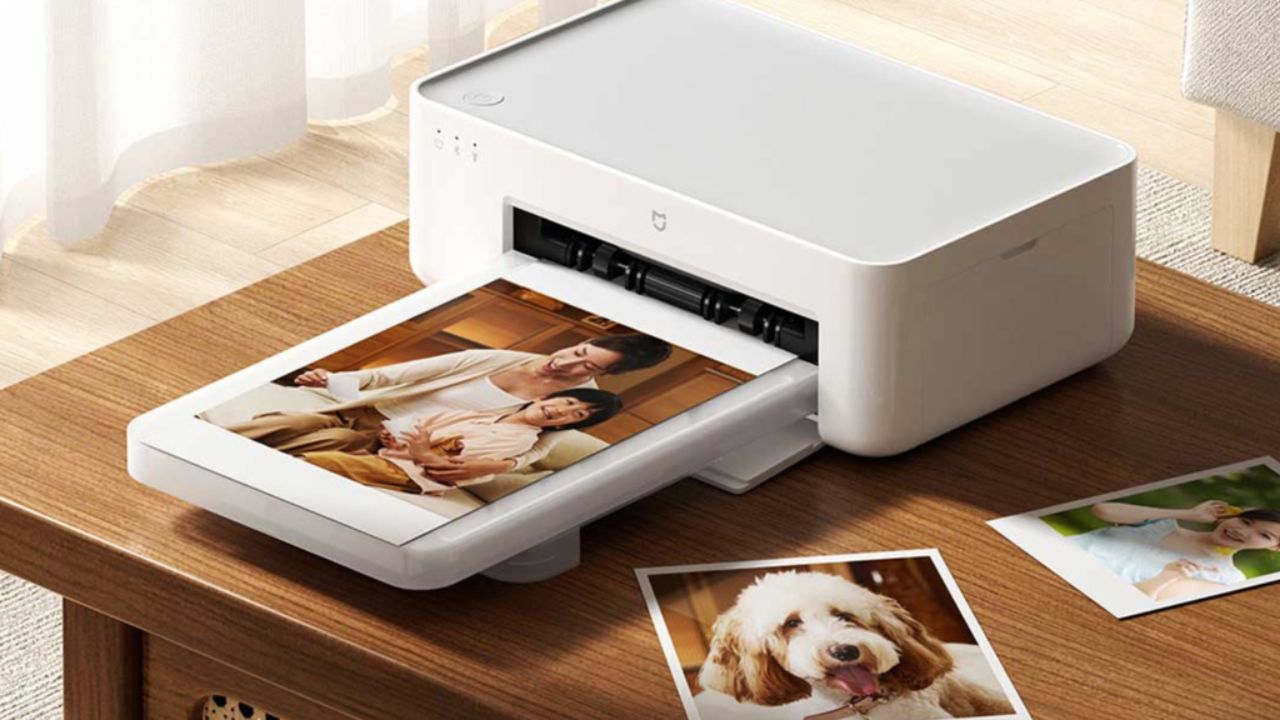
Xiaomi Launches Compact Photo Printer with Bluetooth, Extra Black Ink, and Augmented Reality Photo Printing

-
Teen Invents AI-Powered Traffic Light to Assist Elderly Pedestrians by Extending Crossing Time

-
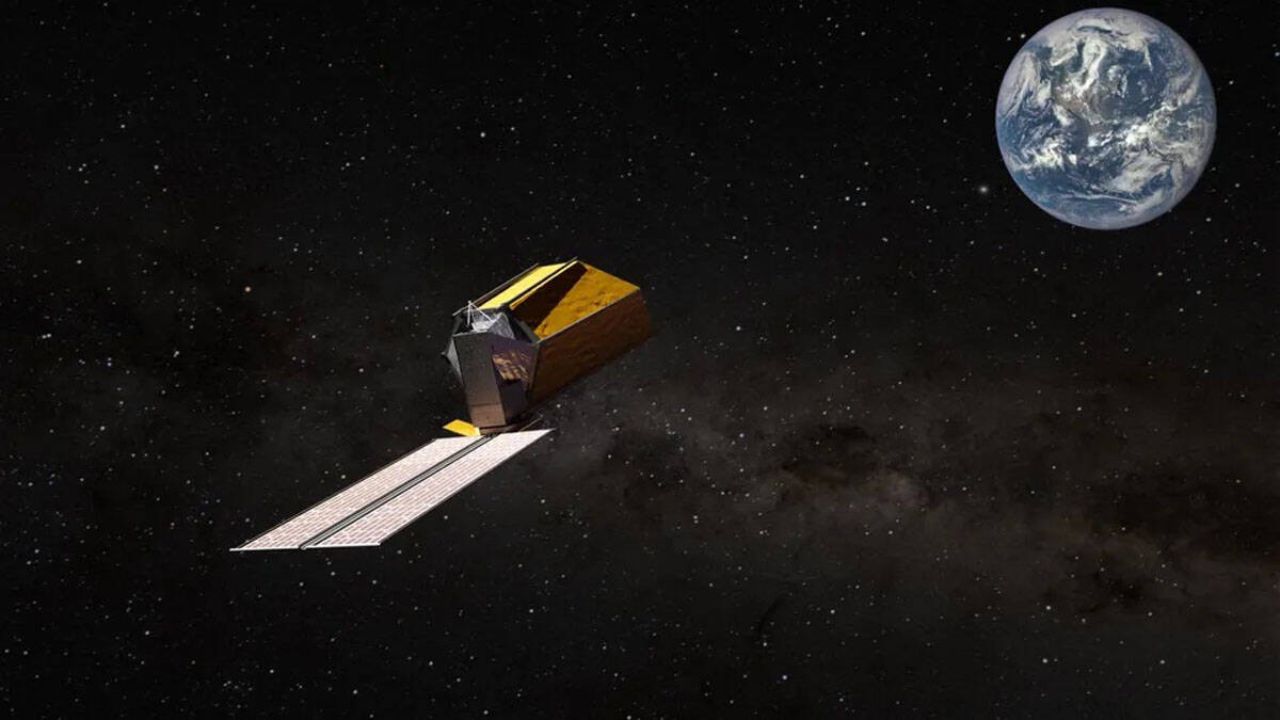
NASA Plans Telescope That Can Be Repaired by Robots 1.5 Million Kilometers from Earth
-
China Launches First Oceanic Medical Rescue Ship with Advanced Facilities to Serve Remote Regions



Atmos Space Cargo develops reusable space capsules to launch satellites economically. The launches currently depend on the American SpaceX, but the company is in negotiations with European operators to diversify. The ASC spaceport coordinates logistics and contact with local authorities, facilitating operations that in other countries would require significantly more bureaucracy.
The satellites that Portugal wants to build
The country not only wants to launch satellites from others, it wants to manufacture its own. Three production centers are being created in Portugal: one by the CEiiA consortium in Porto, another by the multinational Open Cosmos in Coimbra, and a third in Lisbon in cooperation with the Armed Forces. The satellites will have commercial, military, and mixed applications, including communications, Earth observation, and fighting forest fires.
The CEiiA consortium, which entered the space sector in 2018, currently produces four civilian satellites per year weighing up to 500 kilograms. André Dias, responsible for the Downstream division, stated that the goal is to “quadruple or quintuple the production capacity” with the construction of a new center near Guimarães. The strategy is to specialize in smaller satellites, which cost between 20 and 30 million euros, differentiating from large European satellites that can reach 500 million.
What the spaceport means for the Azores
The island of Santa Maria, where the spaceport is being built, is one of the smallest and least populated of the Azores. The expectation is that 35 people will work directly at the site when the infrastructure is completed, including teams prepared to receive the Space Rider and other reusable spacecraft, using local resources that will strengthen the island’s economy and could reverse the emigration of young people who left Santa Maria due to lack of opportunities.
Bruno Carvalho highlighted that the spaceport infrastructure is “relatively simple and cheaper than the major American competitor,” which makes the project economically viable without requiring investments of tens of billions like Cape Canaveral.
For the Azores, the transformation goes beyond direct jobs: the presence of a spaceport that will host the Space Rider puts the region on the map of the European aerospace industry and attracts technology companies seeking proximity to launch infrastructure.
Portugal’s Ambition for 2030
The president of the Portuguese Space Agency, Ricardo Conde, projects that Portugal will have 30 satellites in orbit by 2030, some in cooperation with Spain. The Portuguese space sector already employs about two thousand qualified people in 80 companies that generated 200 million euros in revenue last year, and the numbers are expected to grow significantly with the inauguration of the spaceport and satellite production centers.
Conde summarized the strategy with one word: decentralization. “From the major European space powers, like Germany and France, to smaller countries like Portugal. It’s about democratizing space flights.” With a spaceport in the Azores ready for the Space Rider and commercial rockets, satellite factories on the mainland, and a growing network of international partnerships, Portugal bets that size doesn’t matter when it comes to gaining space in the new European space race.
Did you know that Portugal is building the first reusable spaceport in the European Union on an island in the middle of the Atlantic? Do you think small countries can compete with the USA and China in space? Tell us in the comments.