Portuguese
  Spanish


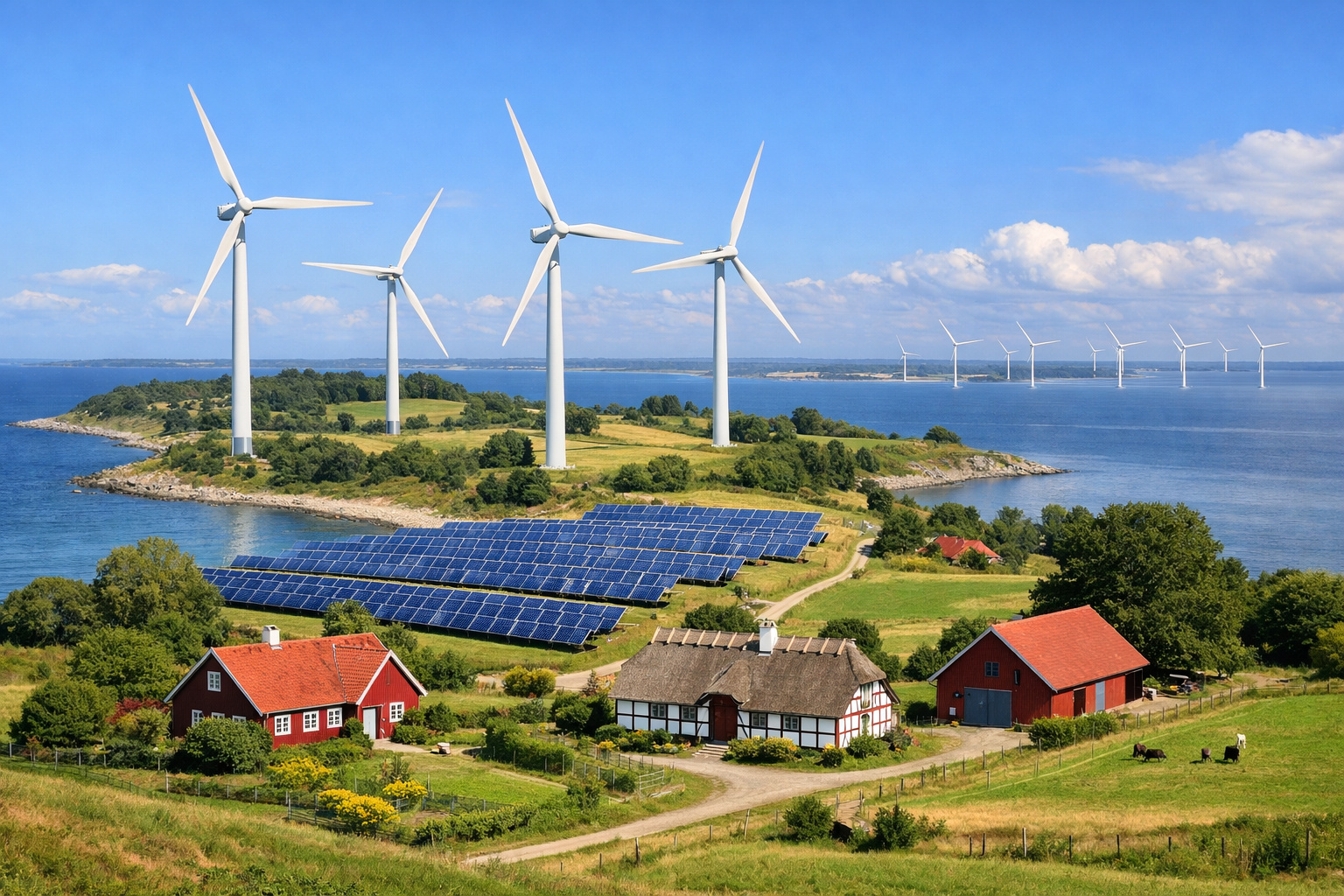

Located in the Baltic Sea and about an hour from the mainland, this small agricultural community has transformed wind, sun, and innovation into one of the most impressive energy projects on the planet, attracting scientists, governments, and visitors from around the world
For decades, many regions of the world have struggled to balance development and sustainability. However, while several countries still heavily rely on fossil fuels, a small Danish island decided to take a completely different path — and the results are surprising.
The information was released by “documentaries and international studies on sustainable energy,” with data widely recognized by experts, showing how the island of Samsø has become one of the largest global examples of energy self-sufficiency.
Located in the Baltic Sea, about an hour from the European mainland, Samsø is home to approximately 4,000 inhabitants, most of whom are linked to agriculture. At first glance, the scenery seems ordinary: fields, seagulls, and tranquility. However, behind this simple landscape lies an energy revolution that has been attracting attention from around the world.
-
A fossil kept for years in a small museum in Montreal concealed 450-million-year-old soft tissue, a discovery that has only happened once before in history.

-
Fired during apartheid and with a little borrowed money, an electrician started with a borrowed truck and transformed electrical services into a group connected to energy, real estate, and infrastructure in South Africa.

-
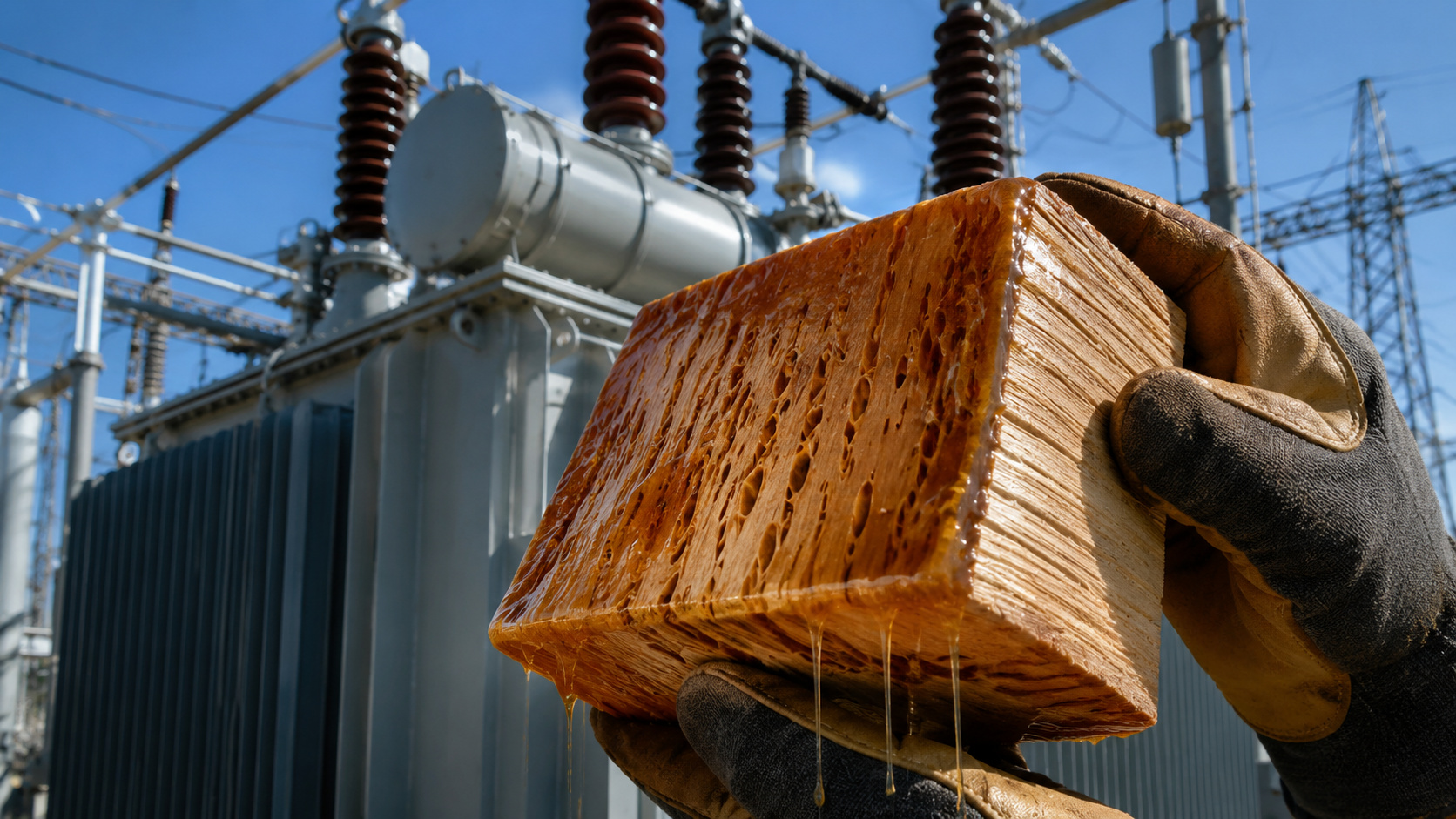
Wood has ceased to be just a construction material in Yale research and has become insulation for electrical transformers that face intense heat, aging, and increasing pressure from the renewable energy-powered grid.
-
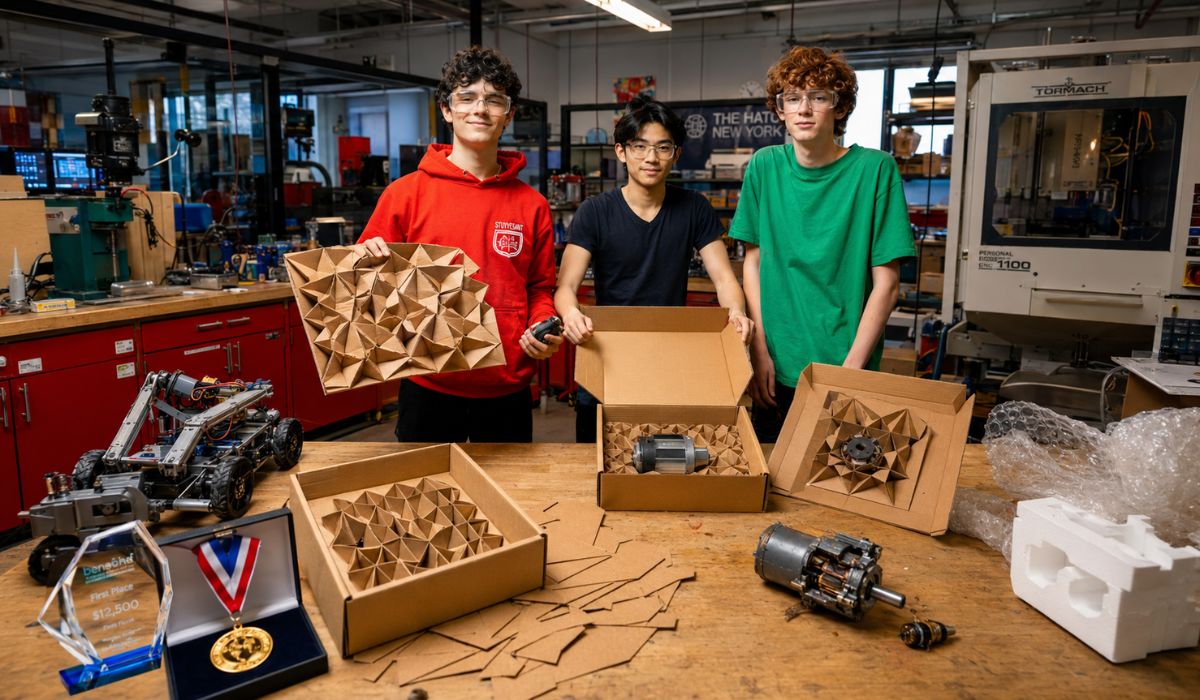
Three teenagers transform cut cardboard into Japanese origami-style packaging that promises to retire styrofoam and bubble wrap, win a $12,500 prize, and target giants like Amazon, FedEx, and Home Depot after a robot motor arrived broken.




How an Agricultural Island Became a Global Reference in Sustainable Energy
Initially, Samsø was just a traditional agricultural community. However, everything began to change in 1997, when the Danish government launched a competition to find a region capable of proving that it was possible to achieve 100% sustainable energy using existing technologies.
From there, led by Soren Hermansen, the residents mobilized. Unlike top-down imposed projects, the transformation happened with direct involvement from the population. In other words, every decision was discussed locally, strengthening the sense of belonging.
As a result, 11 onshore wind turbines were installed, all owned by the residents themselves. This detail created a fundamental psychological impact: acceptance was immediate, as the community became the owner of the solution.
Furthermore, the island also invested in an even more ambitious project: offshore wind turbines, with an investment of around 40 million euros, consolidating the region’s energy base.

Com essas iniciativas, Samsø espera se tornar um modelo global de sustentabilidade e inovação, inspirando outras comunidades a seguir o mesmo caminho.
Currently, there are about 25 electric vehicles, and the local government leads by example, using sustainable fleets, such as the 8 electric cars designated for public services.
The secret to success: community, planning, and long-term vision
Unlike large industrial projects that face resistance, Samsø took the opposite path. From the beginning, the priority was to involve the people.
Instead of impositions, there was dialogue. Instead of large corporations, collective participation. And, above all, smart planning.
This approach made common conflicts in energy projects — such as visual impact, noise, and land use — practically nonexistent.
Still, the community maintains clear boundaries. Projects that threaten protected natural areas, such as giant wind farms with turbines up to 160 meters tall, face resistance from the population.
A real model that inspires the entire world
Today, Samsø receives visitors from all continents, including scientists, politicians, and representatives from regions like the Galápagos Islands, interested in replicating the model.
More than technology, the island offers a powerful lesson: sustainable transformation depends not only on resources but on social organization and collective vision.
While many countries still face complex energy challenges, Samsø proves that it is possible — even with only 4,000 inhabitants — to create an efficient, clean, and economically viable system.
With information from: MEGA