






 Portuguese
  Spanish


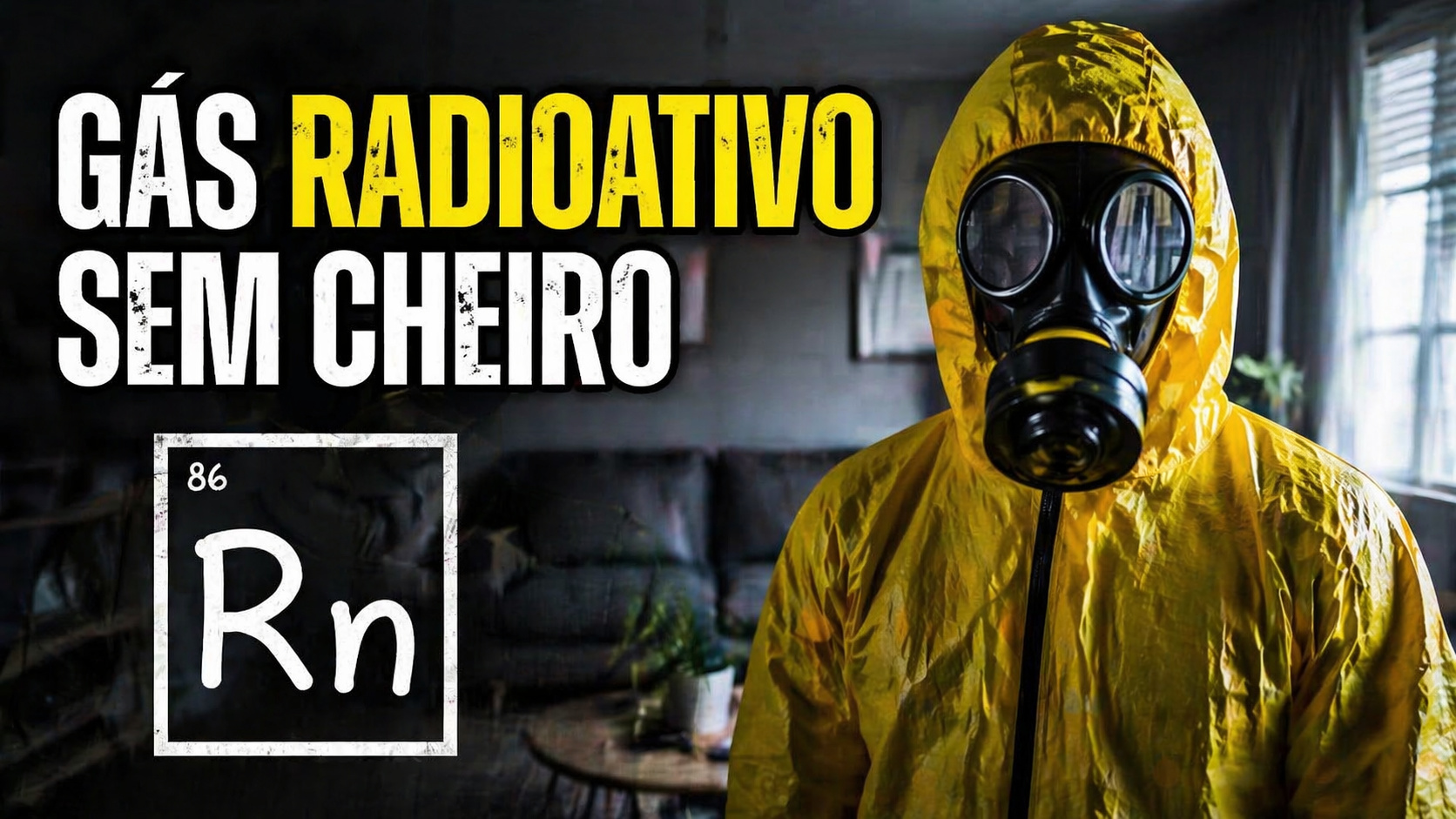

Radon is an invisible gas present in homes and schools and is already linked to up to 14% of lung cancer cases, according to the WHO.
In 2023, the World Health Organization reinforced, in its updated technical sheet on radon, that this natural radioactive gas represents one of the main causes of lung cancer in the world, second only to smoking. Radon is released from the natural decay of uranium found in rocks and soils, and can infiltrate buildings through cracks, fissures, drainage systems, and even small structural faults.
The most critical point is that radon has no smell, color, or taste, making it completely imperceptible to those exposed. This means that millions of people may be breathing in the gas daily without any awareness of the risk.
According to the WHO, exposure to radon may account for between 3% and 14% of lung cancer cases, depending on concentration levels in each country and factors such as ventilation, local geology, and population habits. This range is not a vague estimate, but a span based on international epidemiological data, which reinforces the concrete nature of the threat.
-
Nearly 40% of Treated Water in Brazil is Lost Before Reaching Homes; Companies Use Satellites, AI, Helium, and Innovative Tech to Improve Access in Remote Areas

-
Steel Sphere Cylinder Achieves 14% Damping in Tests, Functions Without Sensors or Electricity, and Can Reduce Vibrations in Skyscrapers, Bridges, and Sensitive Equipment with US Patent Registered
-
Artist’s 15-Meter Lighthouse in the Mojave Desert, 160 km from the Sea, Intrigues Visitors with 19 km Range After Years of Bureaucracy

-
Bluetti AC70 Solar-Powered Station: Powers Fridge and Wi-Fi During Blackouts, Delivers 1,000W, 3,000 Charge Cycles, Priced at $900


How radon enters homes, schools, and enclosed spaces without being detected
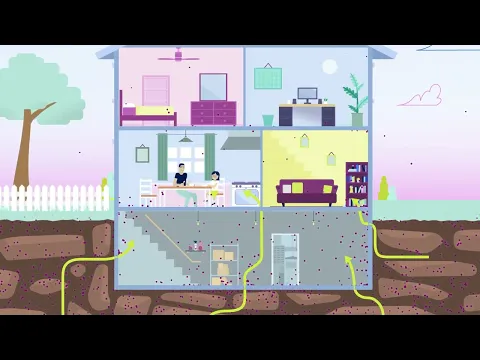
Radon is continuously produced in the soil and can migrate into buildings due to pressure differences between the inside and outside. Enclosed spaces, especially those with little ventilation, favor the accumulation of the gas.
The main entry points include cracks in floors and walls, spaces around pipes, construction joints, drainage systems, and even building materials that contain traces of radioactive elements. Even modern constructions are not immune, as small structural faults are sufficient to allow infiltration.

In environments such as schools, offices, and homes, where people spend a large part of their time, prolonged exposure can occur continuously. The risk is not in a one-time exposure, but in repeated inhalation over the years, which increases the likelihood of cumulative effects.
Why radon is directly linked to lung cancer even without initial symptoms
When inhaled, radon decomposes into radioactive particles that can settle in the respiratory tract. These particles emit ionizing radiation, capable of damaging the DNA of lung cells.
Over time, this damage can lead to the development of cancer. The problem is that there are no immediate symptoms associated with radon exposure, which makes early detection of the risk difficult.
WHO highlights that smokers have a significantly higher risk when exposed to radon, due to the combined effect of smoking and radiation. However, even people who have never smoked can develop lung cancer related to prolonged exposure to the gas.
This makes radon a silent threat that acts at the cellular level, with no visible signs until advanced stages of the disease.
Regional differences explain why some countries register greater impact of radon
The concentration of radon varies according to geological factors, such as soil type and the presence of uranium-rich rocks. Regions with certain geological formations tend to have higher levels of the gas.
In addition, construction and ventilation characteristics directly influence indoor concentration. Countries with cold climates, for example, where buildings remain closed for long periods, may record higher levels of radon indoors.
According to WHO, this combination of factors explains why the impact of radon varies significantly between countries, but the risk is present on a global scale.
Why radon is considered one of the greatest environmental risks in closed environments
Unlike visible pollutants, such as smoke or dust, radon acts invisibly and continuously. This often leads to it being overlooked in public policies and in public perception.
However, from a scientific perspective, radon is one of the main environmental factors associated with lung cancer, surpassing many other more well-known pollutants.
WHO and other health organizations emphasize that radon exposure is a public health problem that requires monitoring, regulation, and awareness. In some countries, there are already specific guidelines for acceptable concentration levels in indoor environments.
Recommended limits and challenges in measuring a gas that cannot be perceived
The WHO recommends that radon levels in indoor environments be kept below 100 becquerels per cubic meter (Bq/m³) whenever possible, although it acknowledges that levels up to 300 Bq/m³ may be adopted as a limit in some national contexts.
Radon measurement cannot be done by human perception, requiring the use of specific devices. These tests are the only way to identify the presence and concentration of the gas in an environment.
The absence of sensory perception is precisely what makes the problem more difficult to combat, as many people are completely unaware of the need for monitoring.
Global impact and why the issue is still little discussed outside the scientific community
Despite its relevance, radon is still little discussed in the global public debate. This is partly due to the difficulty in communicating the risk, as there are no impactful images or immediate events associated with exposure.
However, experts consider the topic critical, especially because it involves everyday environments such as homes, schools, and workplaces. The invisibility of radon does not reduce its impact — on the contrary, it increases the risk by allowing continuous exposure without interruption.
The WHO emphasizes that awareness campaigns and public policies are essential to reduce exposure and prevent cases of cancer related to the gas.
What is at stake when an invisible threat settles in environments considered safe
The presence of radon in enclosed environments raises a central question about environmental safety and public health. If a radioactive gas can silently accumulate in homes and schools, without any perceptible signs, it redefines the concept of domestic risk.
The threat is not associated with extreme or rare events, but with continuous and everyday exposure. This means that the impact can be broad, affecting entire populations over time.
The WHO’s alert is not only technical but structural: it indicates that there are relevant risks within environments considered safe, requiring new levels of attention, monitoring, and prevention policies.
Did you know you may be exposed to a radioactive gas in your home without any perceptible signs
The case of radon raises a direct reflection on the relationship between perception and risk. In a world where many threats are visible or immediate, the existence of an invisible danger within everyday environments represents an additional challenge.
The question that remains is simple and direct: to what extent are we prepared to deal with risks that we cannot see, feel, or perceive, but that may impact health over the years.


