






 Portuguese
  Spanish
  3 min of reading
  0 comments


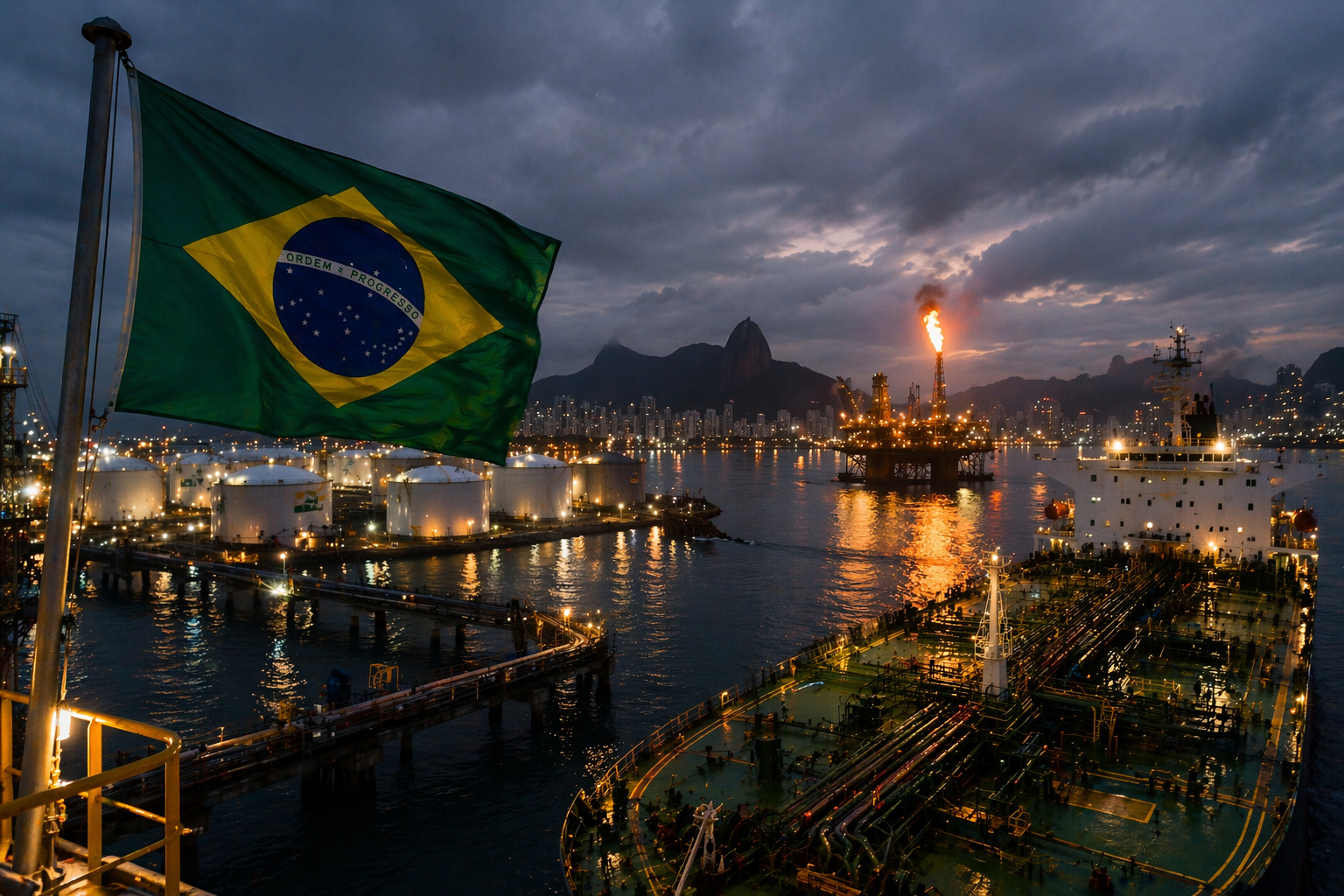
Understand how the conflict in the Middle East pressures the global economy and, at the same time, generates a positive point effect for Brazil, exporter of commodities
The International Monetary Fund (IMF) revised its projections in the World Economic Outlook (WEO) report, released in April 2026.
In this context, the global growth estimate was reduced from 3.3% to 3.1%, reflecting risks related to the conflict in the Middle East.
At the same time, Brazil’s projection was raised to 1.9% in 2026, according to the IMF itself.
This movement, in turn, highlights an unequal impact between exporting and importing economies.

War in the Middle East shifts focus of global risks
The global risk scenario has changed direction.
In 2025, trade tensions were pointed out as the main threat, while now the focus is on the geopolitical shock caused by the war in Iran.
-
JBS Invests Nearly $160 Million in Texas Megaproject to Expand Beef Production and Operations Through 2027

-
The urgent need to implement a severe cut in public spending and a massive increase in taxes, in addition to drastically compromising the quality of basic services and the purchasing power of the population, could result in social unrest in the country, with the population leading protests, strikes, and frequent disturbances.

-
FIRJAN’s mega plan of R$ 526.3 billion for Rio de Janeiro aims to revive Brazil’s largest industry, with two-thirds of the investments going to oil and gas.

-
China signals an increase in beef imports, Brazil has already consumed 70% of the 1.106 million ton quota and seeks to renegotiate the tariff that jumps from 12% to 55%, while demand from the US also skyrockets.


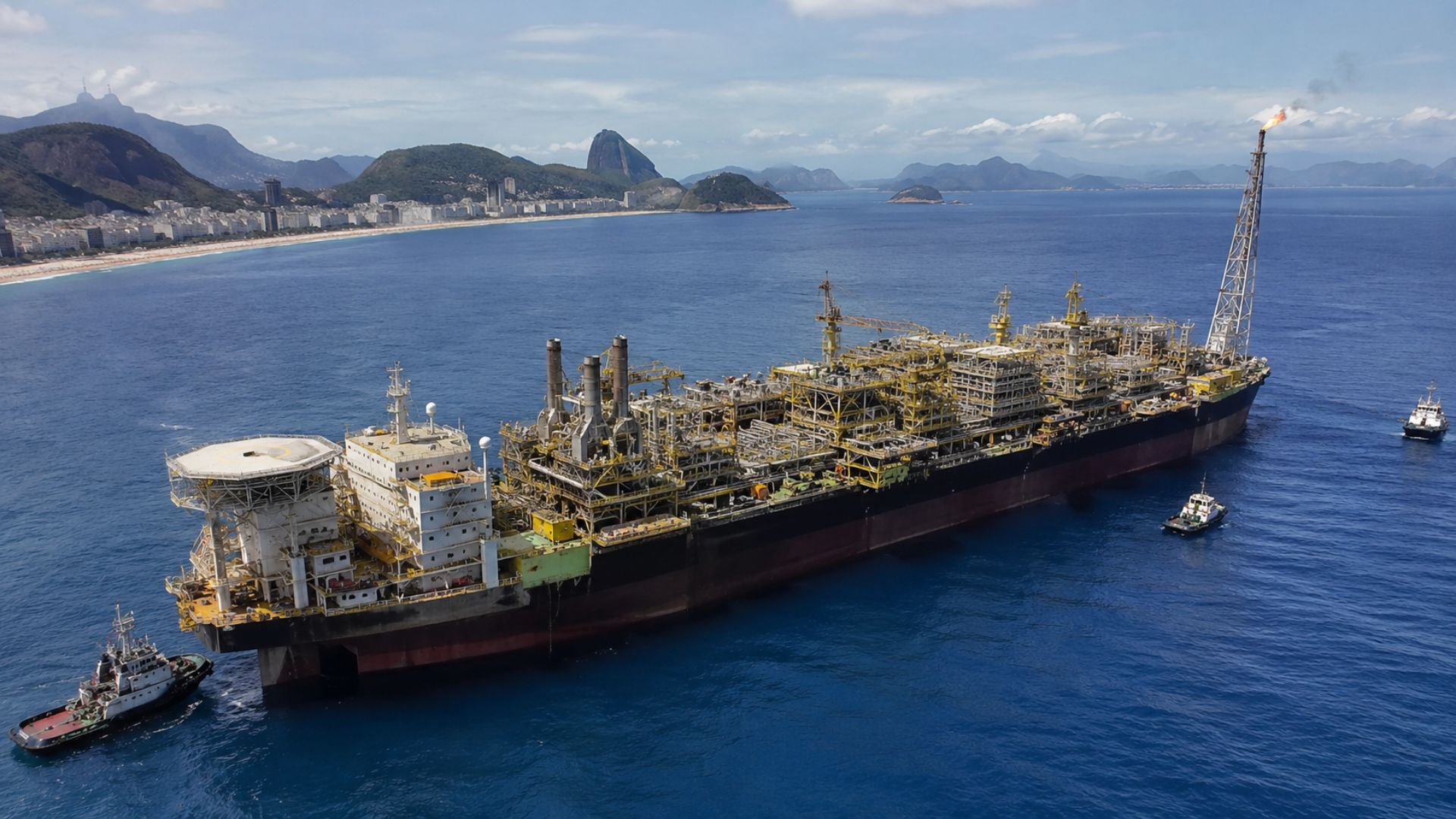

The instability in the region directly affects oil production and transportation, increasing uncertainty in the markets.
As a result, international energy prices are expected to rise significantly in 2026.
Oil, in this scenario, is expected to see a significant increase, according to IMF projections.
This increase, consequently, spreads throughout the global economy.
More expensive energy pressures inflation and growth
The rise in energy costs impacts various sectors simultaneously.
Higher costs affect transportation, industrial production, and food, creating inflationary pressure.
Countries dependent on commodity imports, in this case, face greater difficulties.
Among the main effects, the following stand out:
- Higher inflation
- Currency devaluation
- Loss of domestic income
This scenario, therefore, demonstrates how the energy shock rapidly propagates through the global economic system.

Why Brazil has a slight advantage
Brazil occupies a different position in this context.
According to the IMF, the country is a net exporter of energy, meaning it sells more than it buys.
With the rise in international prices, export revenues increase, strengthening the economy in the short term.
This effect improves the terms of trade, an indicator that measures the relationship between exports and imports.
The report indicates that the war may generate a “small net positive effect” for Brazil.
In practice, growth may rise by about 0.2 percentage points in 2026.
This behavior is also observed in other commodity-exporting economies.
Positive effect is temporary and tends to disappear
The initial gain, however, does not last long.
With global slowdown, the demand for Brazilian exports tends to gradually decline.
At the same time, input costs such as fertilizers increase, putting pressure on domestic production.
This movement reduces competitiveness and limits economic growth.
According to the IMF, by 2027 the negative effects are expected to prevail, reversing part of the previously observed advance.
Higher global interest rates also contribute, restricting investments and consumption.
Weaker global scenario and risk of near recession
The global economic environment has become more sensitive to shocks.
In adverse scenarios, global growth may fall to 2.5% or even close to 2%.
This level, historically, is close to a global recession.
If oil exceeds US$ 100 per barrel, the impacts tend to be even more intense.
Among the most relevant indirect effects, the following stand out:
- Increase in global inflation
- Deterioration of financial conditions
- Greater risk aversion
Difference between countries depends on structural factors
The impacts of the war do not occur uniformly.
According to the IMF, three main factors determine this difference:
- Position as an energy exporter or importer
- Exposure to external shocks
- Economic response capacity
In the Brazilian case, exports of commodities and robust international reserves help absorb the initial impact.
Lower dependence on external debt in foreign currency also contributes to this resilience.
Still, the risks remain present, even if more controlled in the short term.
In light of this scenario, the question arises: will Brazilian growth be able to sustain itself in the face of an increasingly unstable global economy?





Be the first to react!