






 Portuguese
  Spanish


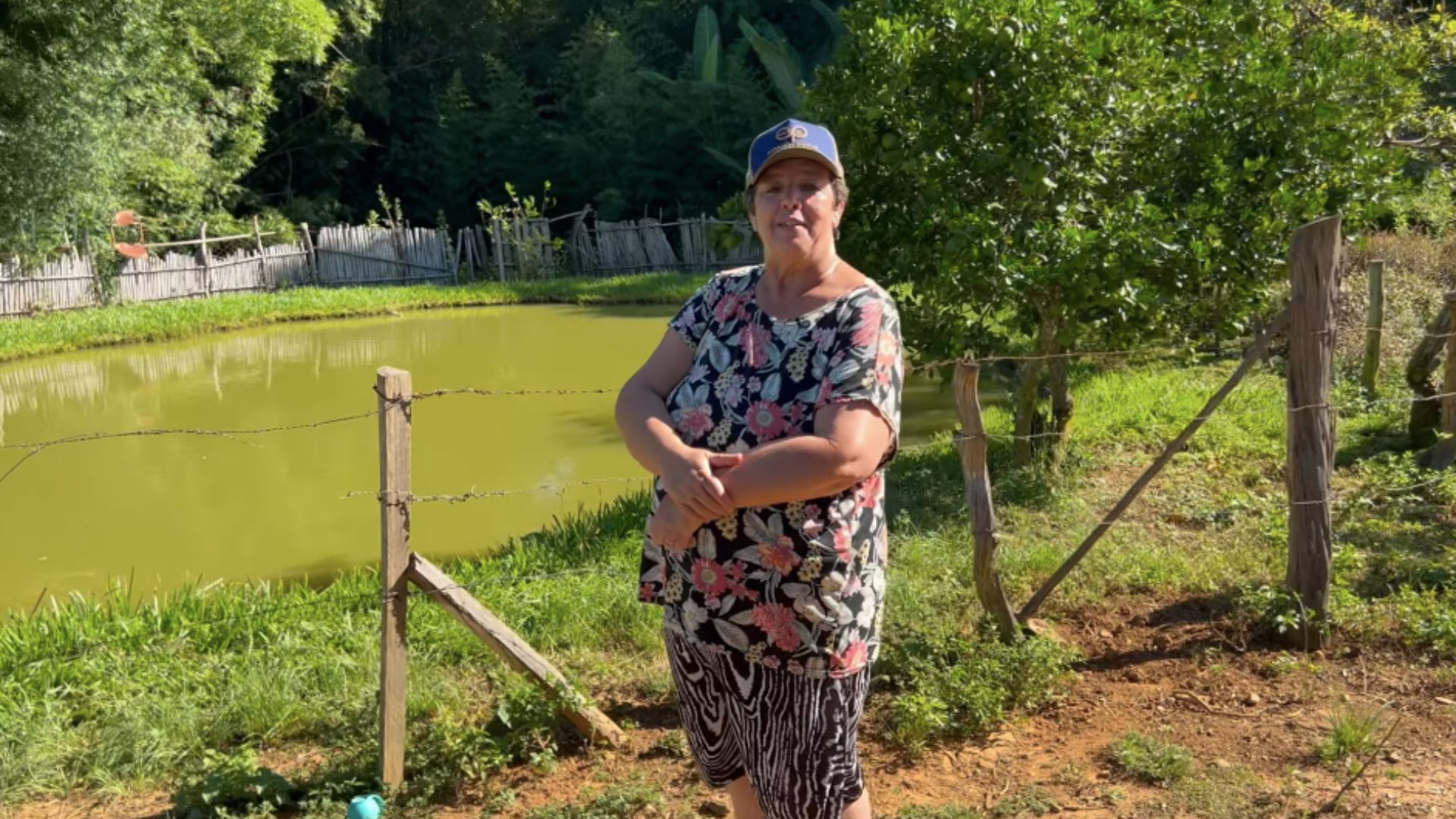


Working by day and facing the hardships of rural life at night, Mrs. Maria and her family found in unity, perseverance, and faith the strength needed to overcome challenges that seemed impossible and build an inspiring story in the rural area of Minas Gerais.
While many stories of overcoming go unnoticed far from major urban centers, the journey of Mrs. Maria, a resident of the rural area of Jacuí, in the interior of Minas Gerais, shows how determination can transform extreme difficulties into examples of resilience. According to a report shared by the channel ‘Cantinho Rural’, the family faced years of financial difficulties, health problems, and lack of resources, but never stopped fighting to ensure a dignified life.
The routine of the Minas Gerais native is impressive. At night, she works as a caregiver. During the day, she takes care of the property, tends to the chickens, milks cows, cultivates small plantations, and manages everything that helps to supplement the family income. Over the years, the battle became even more difficult when her husband developed a serious illness that compromised his mobility and ability to work.
Unable to afford rent in the city and faced with the worsening health of her partner, the family had to return to an old rural family property, where they practically started over from scratch.
-
Teen Transforms Brazilian Dump Site into Playground, Wins $12.5K to Expand Project

-
Elderly Man Who Experienced Water Shortages in Childhood Dedicates Sundays to Free Plumbing Repairs, Highlighting Hidden Household Waste

-
AI is Transforming the Job Market, but Expert Highlights 5 Human Skills That Will Become More Valuable Over the Next Decade

-
Microgreens Gain Popularity in Healthy Diets, Showcasing How Small Indoor Gardens Can Transform Home Routines



The decision that changed everything: digging a well without machines and only with hoes


Among the many challenges faced by the family, one of the most remarkable was the need to ensure access to water.
Without money to hire machines or specialized equipment, Mrs. Maria’s husband and the eldest son made a decision that few would have the courage to make. They began to dig a well manually using only hoes and simple tools.
The work took place mainly at night.
After a long day of activities, father and son would head to the excavation site carrying a lantern to illuminate the ground. The improvised light was their only companion during hours of intense physical effort.
According to the family’s account, the service lasted about three months. On many days, they worked until around 11 PM, removing soil little by little in the hope of completing the work that would ensure water for the property.
What seemed impossible slowly took shape. Each meter dug represented not only a physical achievement but also a demonstration of perseverance in the face of financial limitations.
A life marked by work, sacrifices, and solidarity
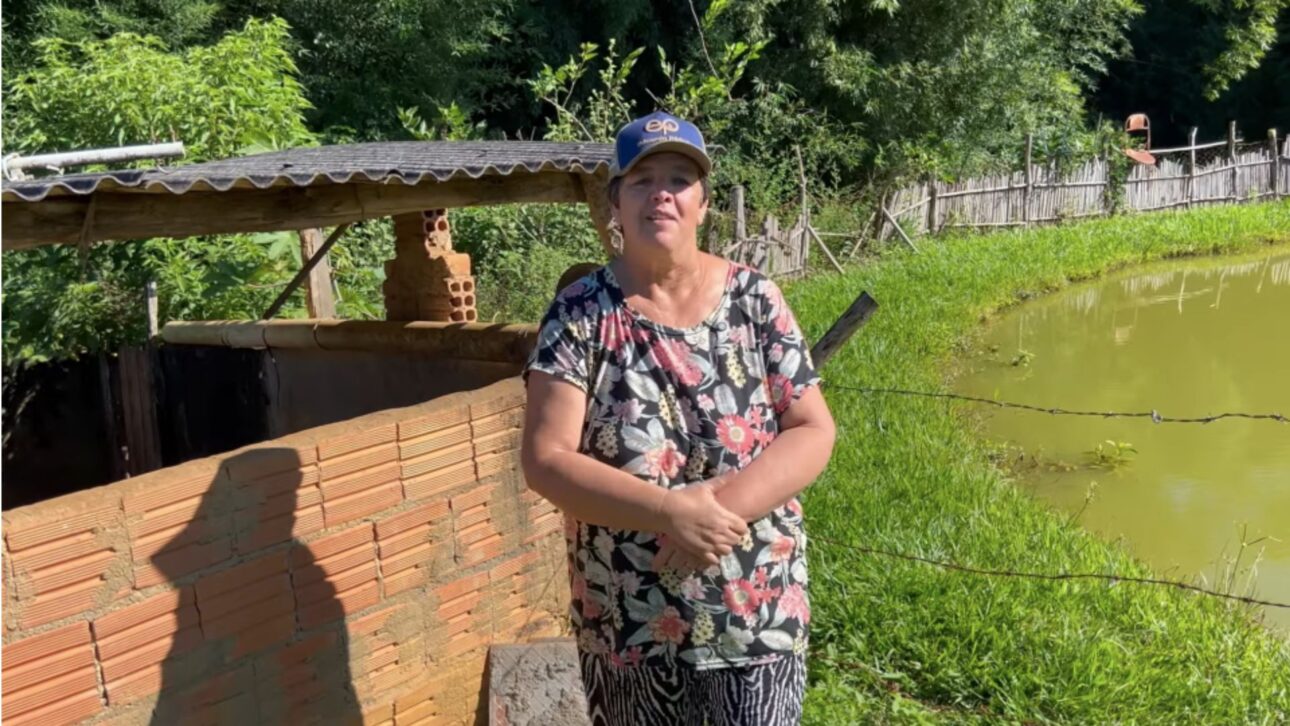
The difficulties faced by the family were not limited to the lack of resources.
For years, Mrs. Maria had to almost single-handedly take on the responsibility of supporting the household. While her husband battled illness, she worked in coffee fields, did rural jobs, took care of animals, and accepted any opportunity that could help put food on the table.
At various times, the financial situation reached its limit.
She recalls that there were periods when the children left early for school without even having something to eat before the trip. On other occasions, the help of neighbors was crucial for the family to get through the toughest times.
The community’s solidarity became an important chapter in this story. Residents of the region, friends, and acquaintances frequently shared food, supplies, and emotional support.
According to Mrs. Maria, this support was essential for her to raise her children while facing the challenges posed by her husband’s illness and economic difficulties.
Even in the face of so many adversities, she never stopped working.
Over the years, she performed roles in dairy farms, coffee harvests, various rural activities, and more recently, she started working as a caregiver during the night.
The wealth she claims to possess is not in money
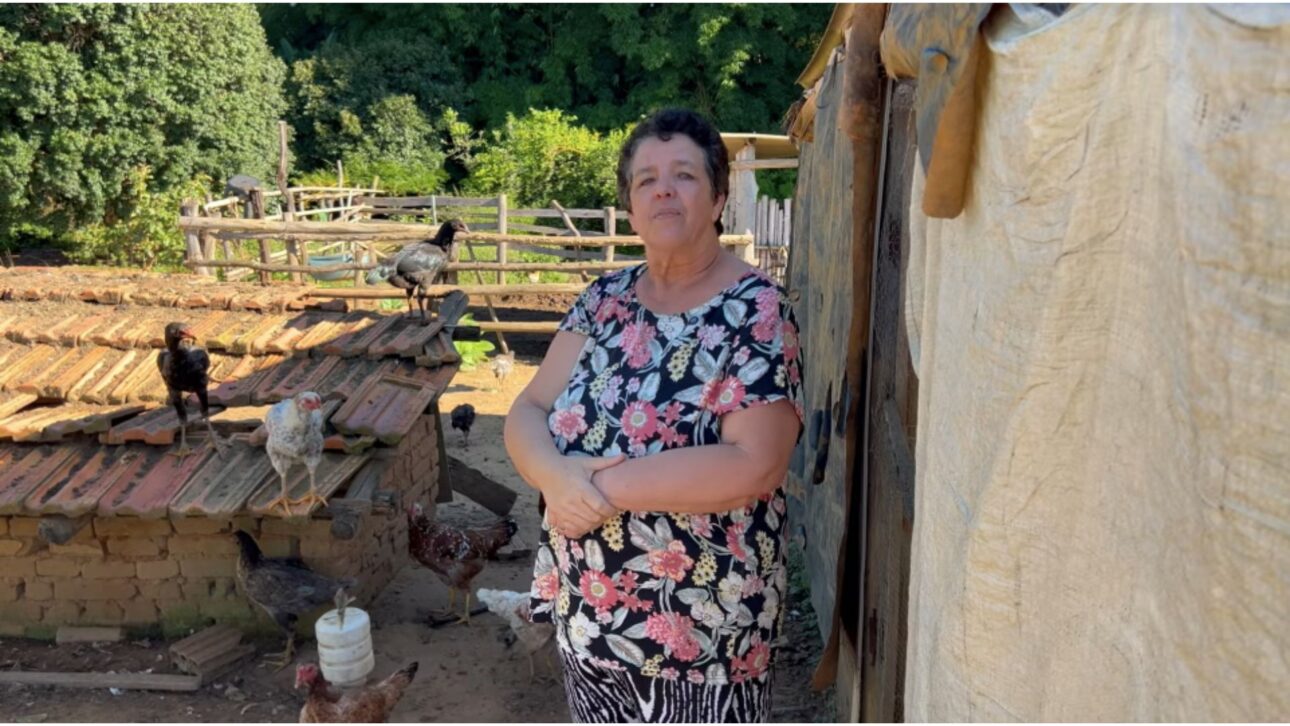
Despite the difficulties, Mrs. Maria demonstrates a life perspective that draws attention.
Instead of measuring wealth by material goods, she values what she considers most important: honesty, family unity, and a clear conscience.
During the conversation, she stated that the greatest inheritance she intends to leave for her children is not properties or money, but principles such as respect, work, and honesty.
The woman from Minas Gerais also makes a point of highlighting gratitude for the people who helped her family along the way.
For her, true happiness lies in living in peace with God, with the family, and with one’s own conscience. A philosophy built over decades of hard work, constant challenges, and silent triumphs.
Today, the property continues to be maintained with much effort. The family raises chickens, produces milk for their own consumption, grows vegetables, maintains small plantations, and utilizes every available resource to reduce expenses.
The hand-dug well remains a symbol of this journey.
More than a structure built with hoes and physical strength, it represents the determination of a family that refused to give up even when money, machines, and prospects were lacking.
In times when success stories are often associated with large investments and opportunities, Mrs. Maria’s journey shows that some of the greatest achievements still arise from the combination of work, faith, and the courage to move forward.
The strength of this family impressed thousands of people. In your opinion, what was the greatest lesson left by Mrs. Maria’s story?


