






 Portuguese
  Spanish
  5 min of reading
  0 comments


More than 350 tires gained an unexpected function after a fire destroyed a house. The reconstruction mobilized volunteers, reused bottles and cans, and turned a family loss into an example of resilient and sustainable housing.
A house destroyed by fire in Pomonal, Australia, is being reborn in an unusual way. After losing her home in a devastating fire, Dee Ann Kelly saw dozens of people come together to build a new structure using tires, bottles, cans, earth, clay, and straw.
The project draws attention because it transforms materials that could become waste into part of the reconstruction. The new house uses more than 350 earth-filled tires in the walls, a technique designed to create thermal mass and increase resistance to wildfires.
The story gained momentum because it combines loss, community, and sustainable engineering. In a region marked by fire, the new home emerges as a symbol of reconstruction and also as a real test of a dwelling made to withstand extreme climates.
-
At 80 years old, Mr. Vicente opens a vendorless stall every day at 7 a.m. in the countryside of Minas Gerais, leaves, and expects customers to pay on their own for what they take, and the system has been working for 7 years.

-
Beach bans umbrellas for people between 10 and 65 years old, charges a fee of R$ 59 for access, and adopts measure after an incident that required evacuation of bathers amid chaos, in Italy.
-
A fisherman from the interior of Pará didn’t have money to buy a jet ski, so he researched everything on the internet and built one from scratch using wood, a 38-horsepower engine, and an adapted bicycle handlebar.
-
“I’m sorry we came to the beach so little”: German Shepherd fulfills all his dreams on his last day of life after facing tumors, kidney failure, and resisting euthanasia for more than 3 years.


Fire in Pomonal destroyed houses on February 13, 2024
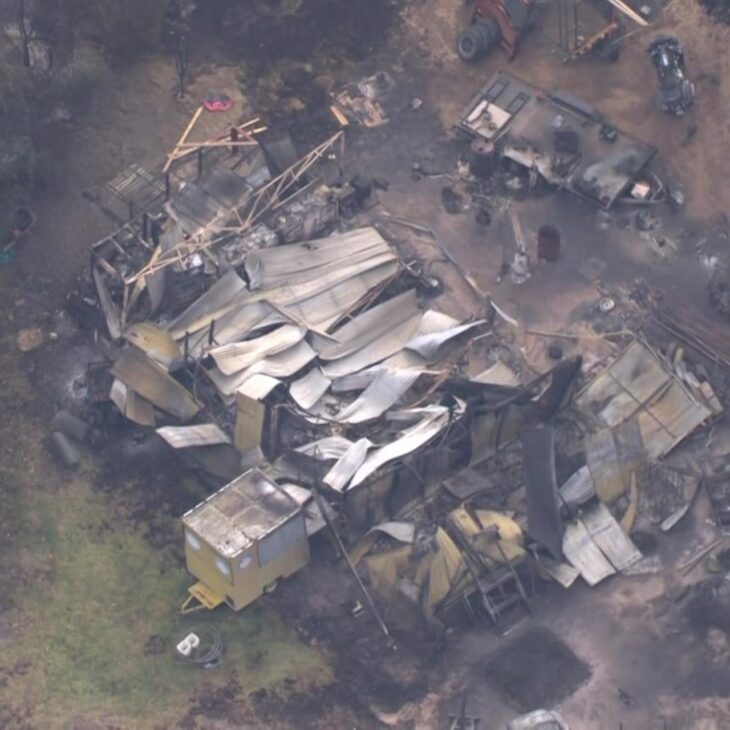
Pomonal was hit by wildfires on February 13, 2024, during an emergency marked by intense heat, strong winds, storms, and dry lightning. The region is near the Grampians, in the state of Victoria, western Australia.
The fire destroyed 45 residential houses in the area and also affected a commercial property. Families had to flee in a hurry, taking only what they could carry amidst the advancing flames.
Dee Ann Kelly was among the affected residents. She escaped with some belongings and her animals but lost her house to the fire. The reconstruction began later as a practical response to a difficult question, how to return to living in an area where the fire may return.
More than 350 tires become compacted earth walls in the Earthship model
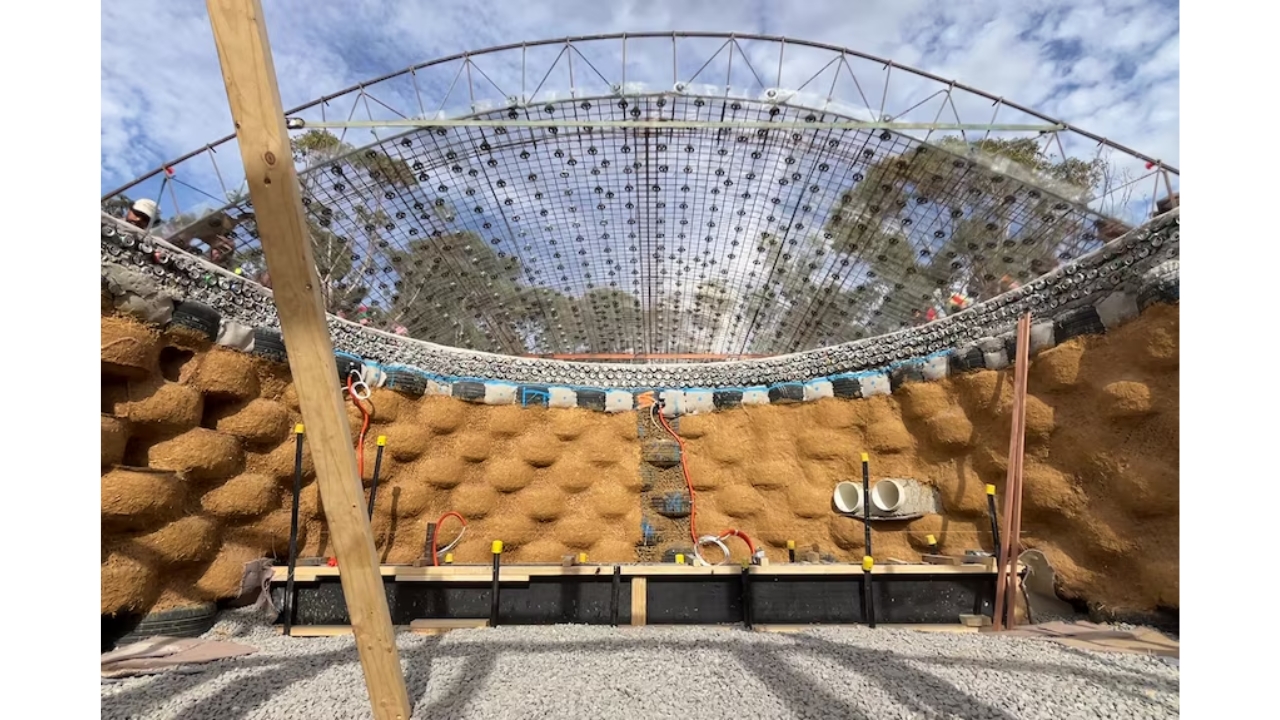
The new structure follows the Earthship concept, a type of construction that uses reused and natural materials to create a more efficient house. In this model, tires are filled with earth and stacked to form thick and heavy walls.
These walls function as a physical barrier. The compacted earth helps control the internal temperature and reduces the presence of materials that burn easily. In practice, the technique aims to create a home more protected against wildfires.
Besides the tires, the project uses bottles and cans in parts of the construction. These materials help reduce waste and also create striking visual elements, transforming discarded objects into components of the house.
According to ABC News, Australian public radio and television broadcaster, 35 people helped in the reconstruction
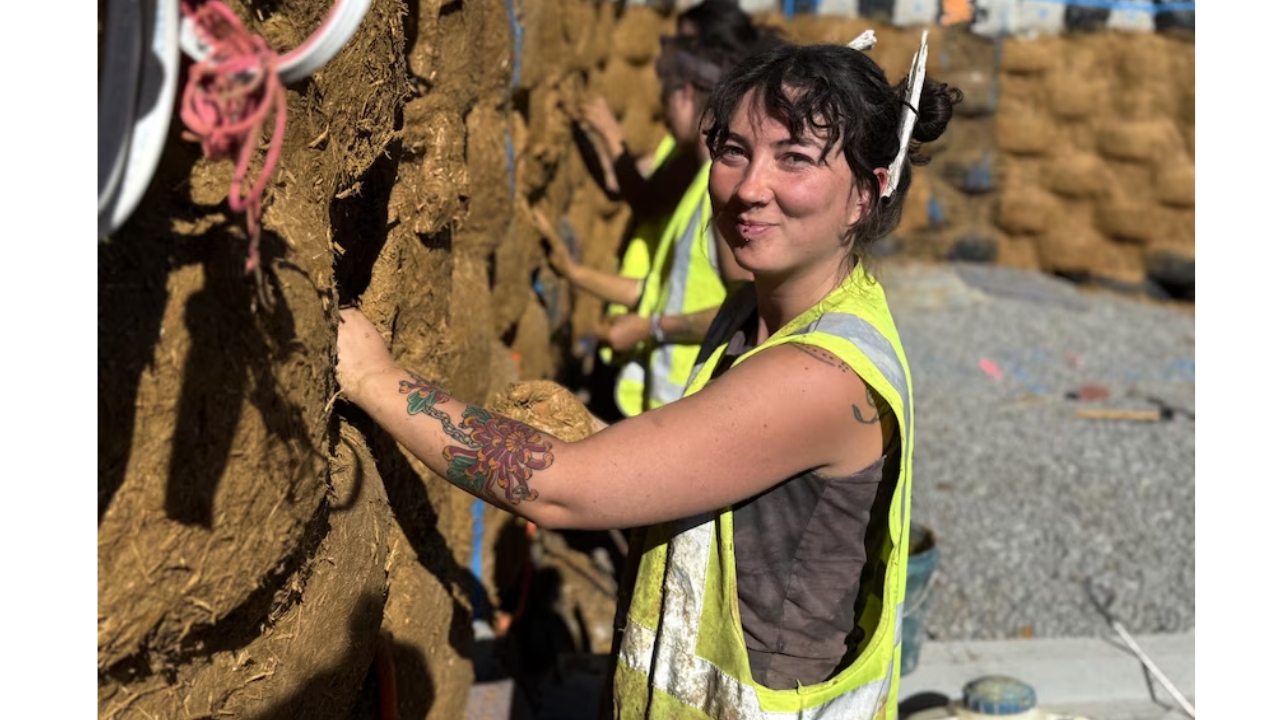
According to ABC News, Australian public radio and television broadcaster, 35 people traveled from different places to participate in the reconstruction of Dee Ann Kelly’s house in Pomonal.
The work was not limited to symbolic help. Volunteers participated directly in the construction, filling tires with earth, raising walls, and collaborating with natural building techniques. The work was coordinated by professionals linked to the Earthship model.
Project records also indicate that a large part of the structure was erected in 5 weeks, with the participation of volunteers from different regions of Australia. The pace is noteworthy because it shows how collective mobilization accelerated a reconstruction that could take much longer.
House combines tires, bottles, cans, and shipping containers in various modules
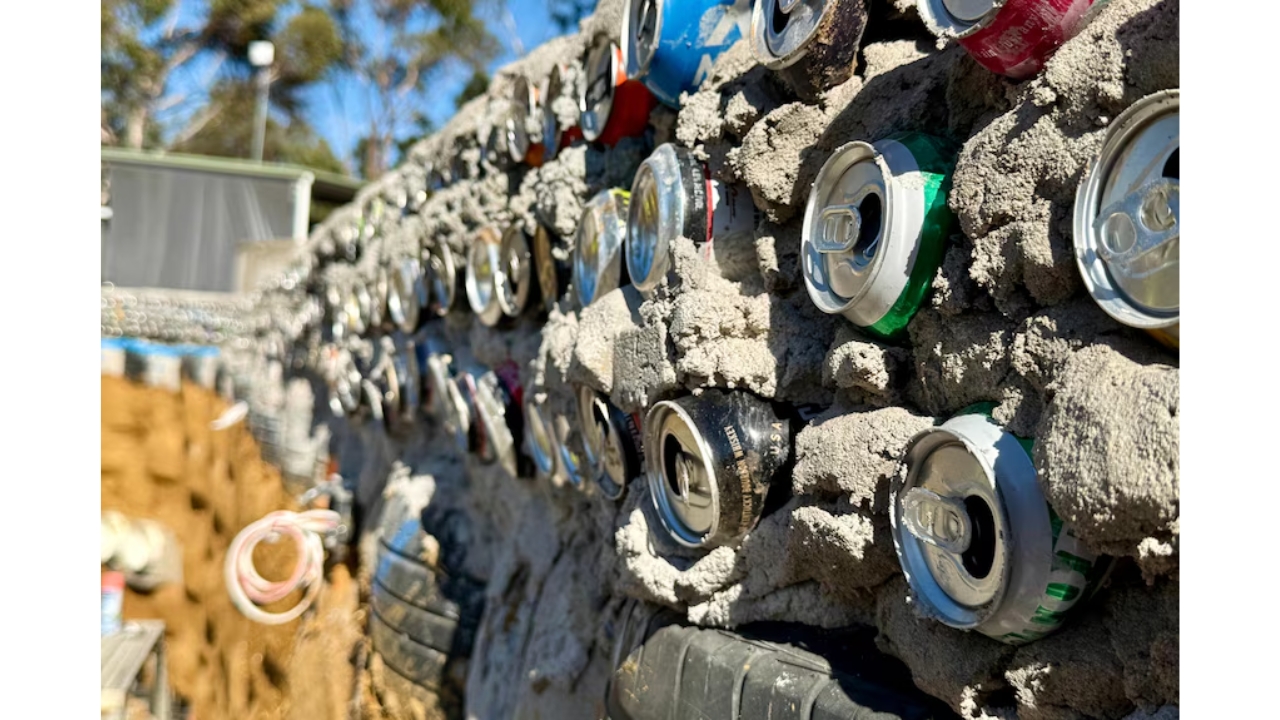
The new dwelling is not just a wall of tires converted into a shelter. The project functions as a modular construction, with the Earthship space used as the main area for living room and bedroom.
The kitchen and bathroom are located in shipping containers connected to the set by a covered outdoor area. This solution expands the practical use of the house and allows integrating sustainable techniques with ready-made and resistant structures.
The result is a hybrid dwelling. It mixes recycling, compacted earth, containers, and natural materials to create a functional space, focusing on shelter, efficiency, and fire protection.
Earth around the structure helps create a barrier against fire
One of the strongest points of the project is the use of earth as protection. In an Earthship, the house is usually partially surrounded by soil, which reduces the direct exposure of walls and internal areas to flames.
The logic is simple. The less flammable material exposed, the greater the chance of the structure better withstanding extreme temperatures. Therefore, the earth-filled tires not only appear as waste reuse but as part of the safety strategy.
This type of construction can also help with thermal comfort. The thick walls absorb and release heat slowly, which can reduce internal fluctuations and make the house more stable on hot or cold days.
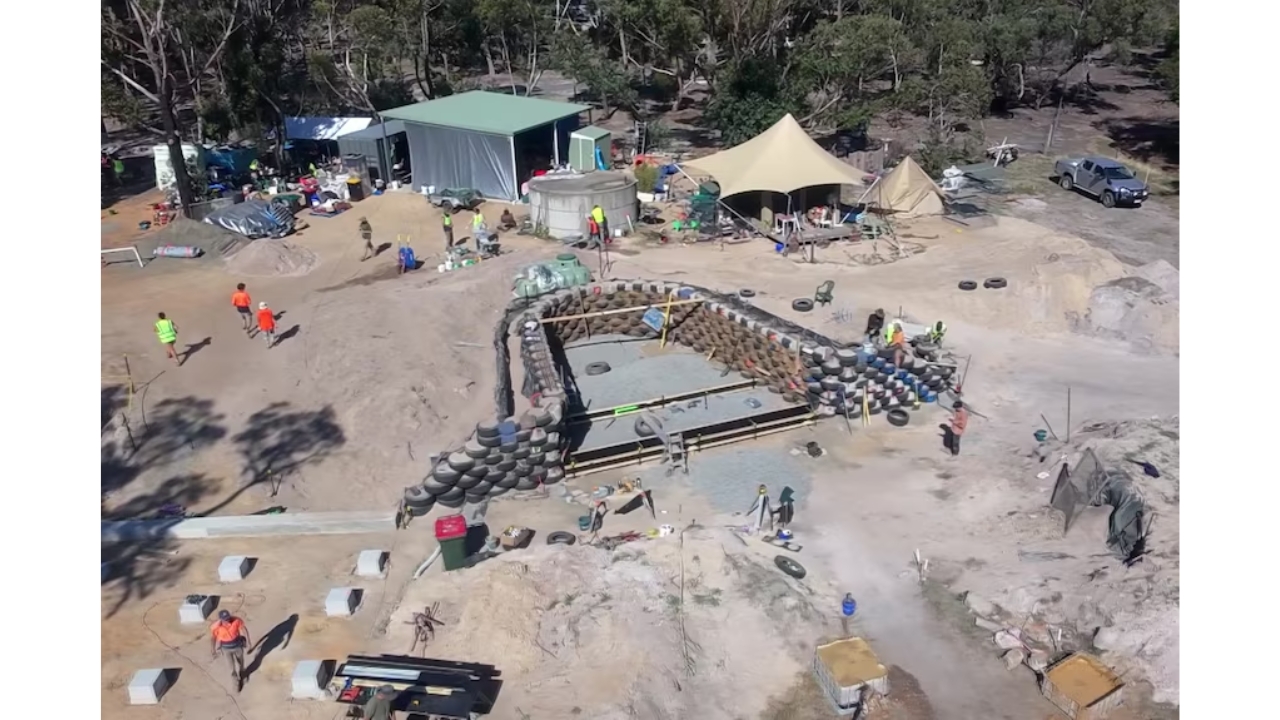
Reconstruction in Pomonal transforms loss into a response against new fires
The story of Dee Ann Kelly shows how a personal tragedy can make room for unconventional solutions. The house destroyed by fire now gives way to a structure made with more than 350 tires, bottles, cans, clay, and compacted earth.
The project also exposes a larger discussion. In regions increasingly pressured by wildfires, rebuilding the same way may not be enough. Pomonal now gains a visual example of how community, recycling, and climate adaptation can change the way we think about housing.
The new home still bears the marks of loss but points to another path. Instead of just replacing what was destroyed, the reconstruction attempts to create a more resilient, more conscious, and better-prepared house to face the next big fire test.




Be the first to react!