





 Portuguese
  English
  Spanish
  5 min of reading
  0 comments


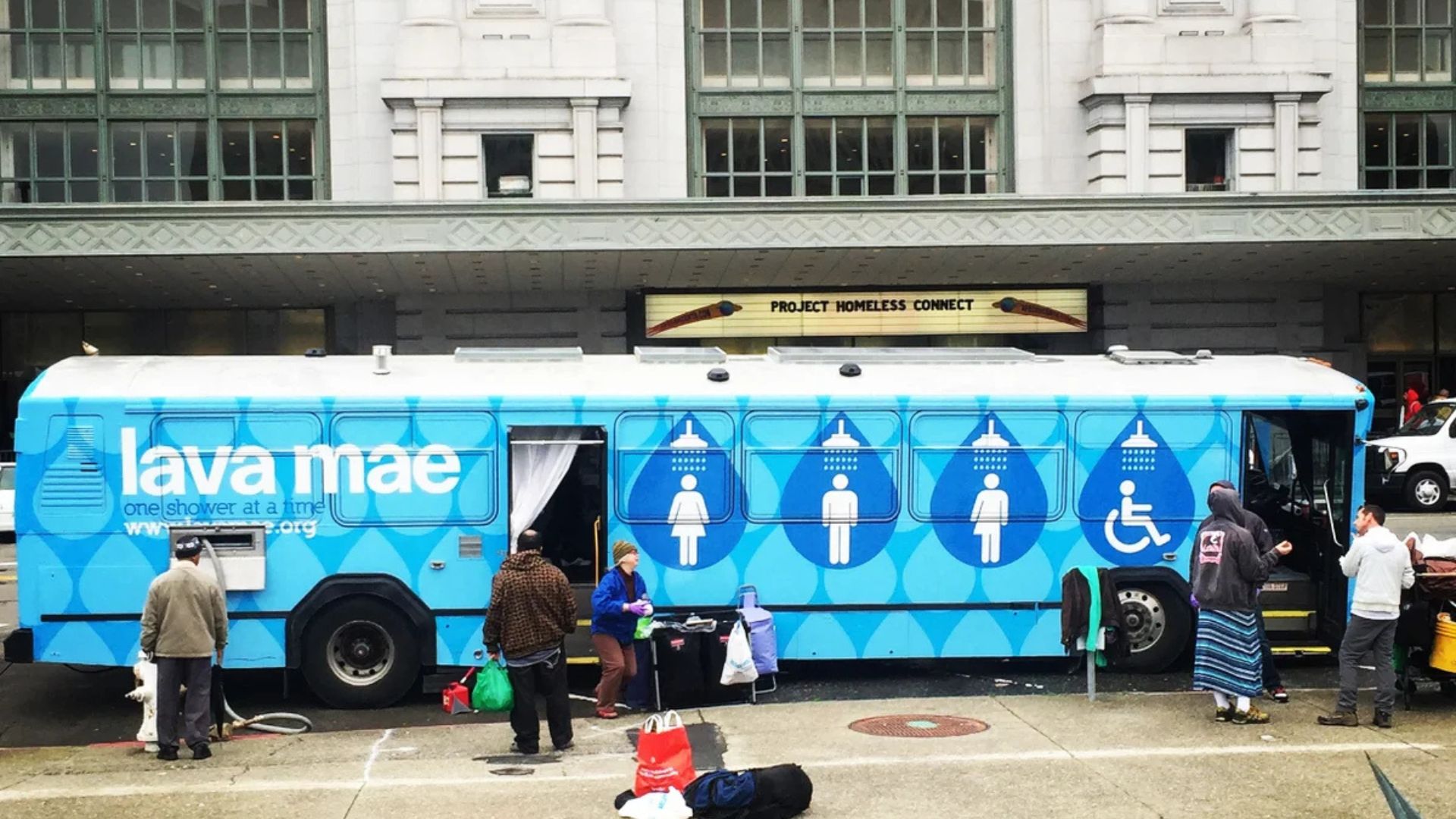
After seeing a woman crying because she couldn’t take a shower, Doniece Sandoval created Lava Mae, a project that turned retired buses into mobile showers.
In 2013, marketing executive Doniece Sandoval was walking down a street in San Francisco, United States, when she witnessed a scene that would change her life. A homeless woman was crying because she hadn’t been able to take a shower for days. The scene stuck in Sandoval’s mind and led her to reflect on something many people rarely consider: for those living on the streets, having access to a simple shower can be a daily challenge. From that moment, she decided to find a practical way to help.
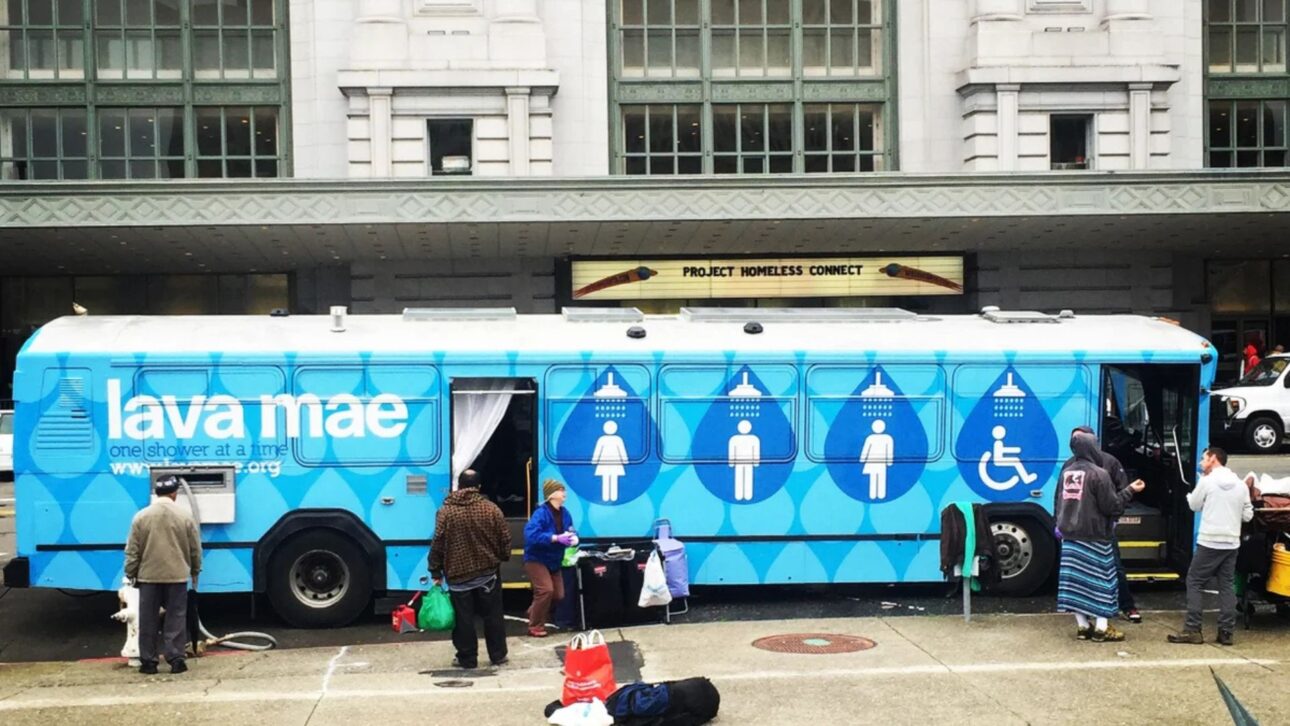
The result was Lava Mae, an organization that transformed retired city buses into full bathrooms on wheels. The project officially began in 2014, in San Francisco, and quickly became an international reference in assisting homeless people. Instead of just distributing basic items, the initiative offered something often overlooked in social programs: the opportunity to take a hot shower, change clothes, and regain some of the dignity lost to life on the streets.
A billionaire city had few options for those who just needed to take a shower
At the time the project was created, San Francisco was facing a growing housing crisis. Rising rents and the cost of living were increasing the number of people living on the streets, while public infrastructure was not keeping up with the demand.
-
A war machine of over 10,000 tons, capable of destroying entire cities, cannot simply become scrap, and dismantling a retired nuclear submarine has become one of the most dangerous industrial operations on the planet, with radioactive reactors that need to be buried for centuries.

-
Labor shortage concerns return to Canada: retirements are already removing 25,500 workers per month from the market, and the country may face a lack of workers again even with unemployment still high.

-
In Brazil, fishermen become “cleaners” of the mangroves and remove 46 tons of trash in an attempt to revive natural nurseries suffocated by plastic, tires, sofas, and more than 1 million discarded items in the bays of Guanabara and Sepetiba.

-
A Canadian who has lived in Sri Lanka, India, and Portugal chose the small town of Timbó, in the interior of Santa Catarina, to raise his three children, attracted by the safety and climate, in a sincere account of the advantages and also the limitations of life as a foreigner in southern Brazil.


Data cited by different reports indicated that the city had only about 16 to 20 public showers to serve thousands of people without permanent housing. For Doniece Sandoval, the problem was not just hygiene.


Without access to regular showers, many people faced difficulties in looking for jobs, attending interviews, accessing health services, or simply coexisting in public spaces. She began to advocate the idea that basic hygiene and dignity go hand in hand.
It was then that a seemingly simple question arose: if food trucks could bring meals to any part of the city, why not bring bathrooms and showers to those who needed them?
Retired buses turned into full bathrooms on wheels
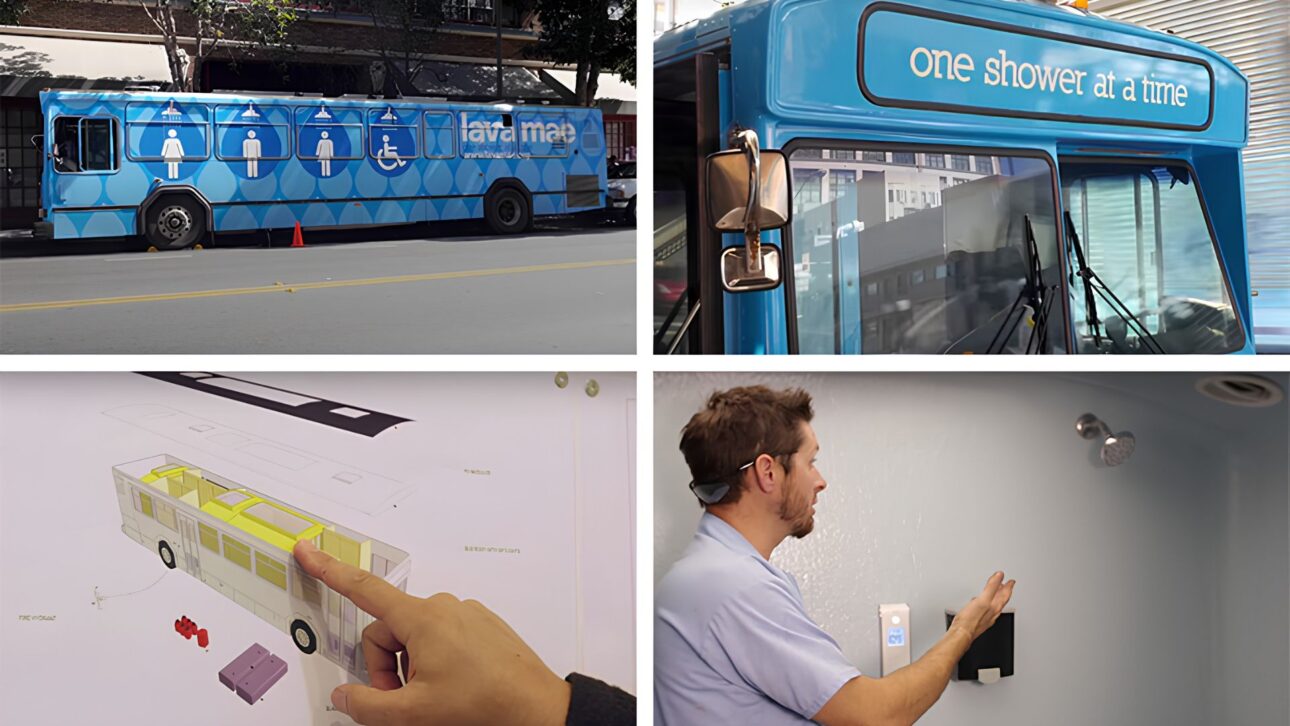
The solution found was to repurpose urban buses that were taken out of circulation. With the support of volunteers, architects, partner companies, and donors, the first vehicle was completely renovated.
The interior was transformed to house showers, toilets, sinks, water heating systems, and changing areas. The goal was not just to create a functional bathroom, but a welcoming and safe environment.
The project leaders invested in pleasant lighting, wheelchair accessibility, privacy, and humanized design. Every detail was thought out so that users would not feel treated as a social problem, but as guests. The organization started calling this approach “radical hospitality.”
The strategy drew attention because it transformed a vehicle destined for disposal into a highly mobile social assistance tool.
Each bus offered much more than a shower
The first Lava Mae bus featured two showers and two complete bathrooms. Users could schedule times or simply show up at service points. In addition to hot water, they received soap, personal hygiene products, and in some cases, clean clothes and other basic items.
Although the shower lasted only a few minutes, the impact reported by many users was much greater.
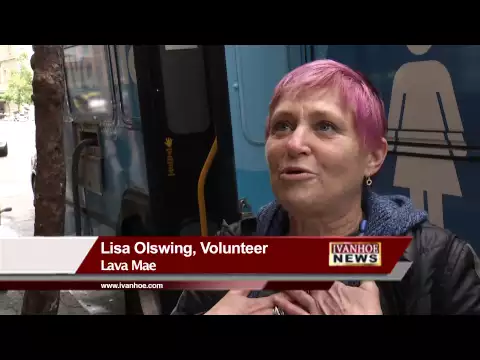
Volunteers reported that many people came out emotional after using the services. Some stated that they hadn’t had access to a hot shower for weeks or even months. Others said the experience helped restore self-esteem and confidence.
The project showed that seemingly simple needs can have profound effects when unmet.
Google helped boost the project’s expansion
Lava Mae’s growth gained momentum after the organization became a finalist in the 2014 Google Impact Challenge.
The initiative received a grant of US$ 100,000, which was used to expand operations and transform the concept into a more robust program. The visibility generated by the award also attracted new partners and sponsors.
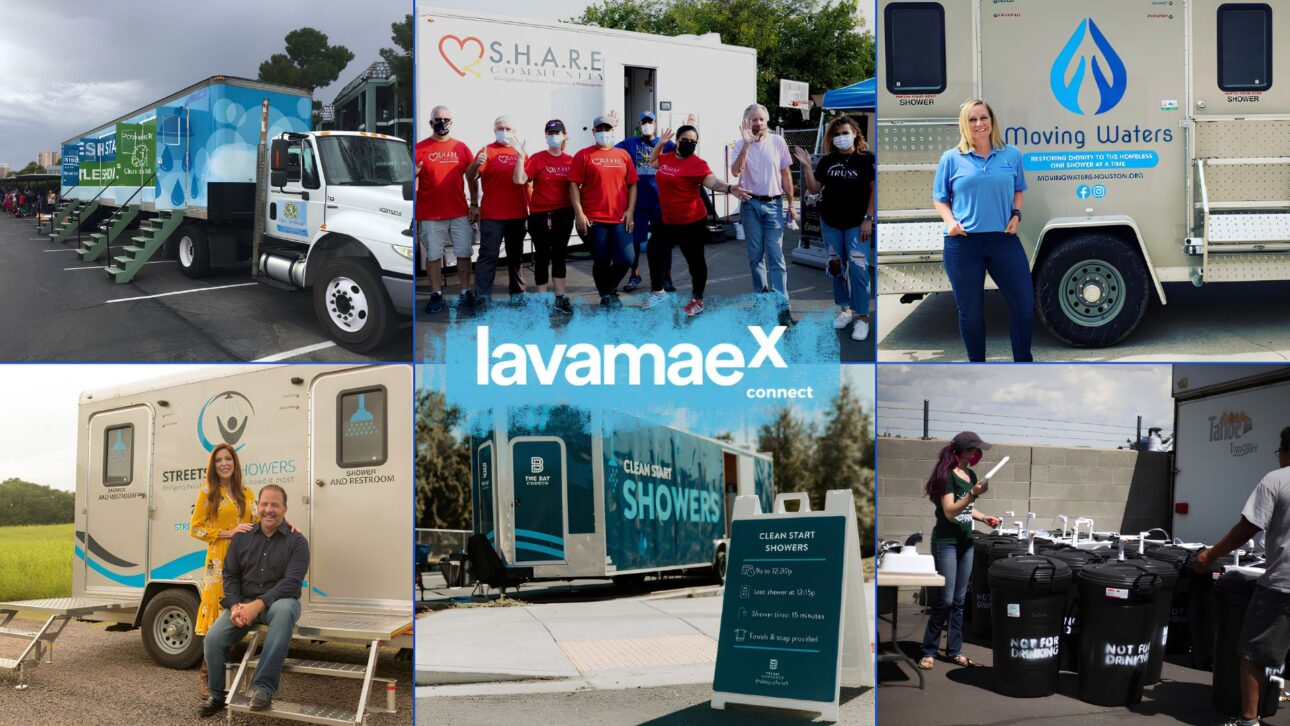
With the expansion, new vehicles were added to the fleet and the organization began serving different regions of California.
The model began to attract the interest of cities in other American states and even international organizations looking to replicate the same idea.
What had started with a single woman moved by a street scene turned into a global reference.
Thousands of showers and tens of thousands of lives impacted
The numbers accumulated over the years help to show the scale achieved by the project. According to data released by the organization itself and subsequent reports, Lava Mae managed to offer tens of thousands of showers to homeless people.
In a survey published by Allure magazine, the initiative had already provided approximately 78,000 showers for about 30,000 people in cities like San Francisco, Oakland, and Los Angeles.
In addition to mobile showers, the project began to include events called Pop-Up Care Villages, which brought together health services, clothing distribution, haircuts, massages, psychological support, and other services.
The proposal evolved from a simple mobile bathroom to a broader support network.
The idea spread to other cities
Over the years, Lava Mae began to share its operational models, projects, and experiences with other organizations.
Various cities began to study ways to adapt buses, trailers, and mobile structures to offer showers, toilets, and basic services to vulnerable populations. The concept ended up inspiring similar initiatives in different regions of the United States and also in other countries.
The success of the proposal demonstrated that relatively simple solutions can generate significant results when designed to solve concrete problems. It is not always necessary to build large permanent structures to meet urgent needs.
A simple idea that started with a woman crying on the street
The story of Lava Mae became known because it combines two rare elements: simplicity and impact.
Doniece Sandoval did not create a revolutionary technology nor did she develop a complex piece of equipment. She simply observed a situation that thousands of people ignored daily and decided to act.
By transforming retired buses into mobile showers, she created a solution capable of restoring comfort, privacy, and dignity to people who often had lost access even to the most basic needs.
More than a decade after that scene on the streets of San Francisco, the image remains powerful: a bus that once transported passengers now carries something even harder to find for those living without permanent housing — the feeling of being treated as someone who deserves care and respect.




Be the first to react!