Portuguese
  Spanish


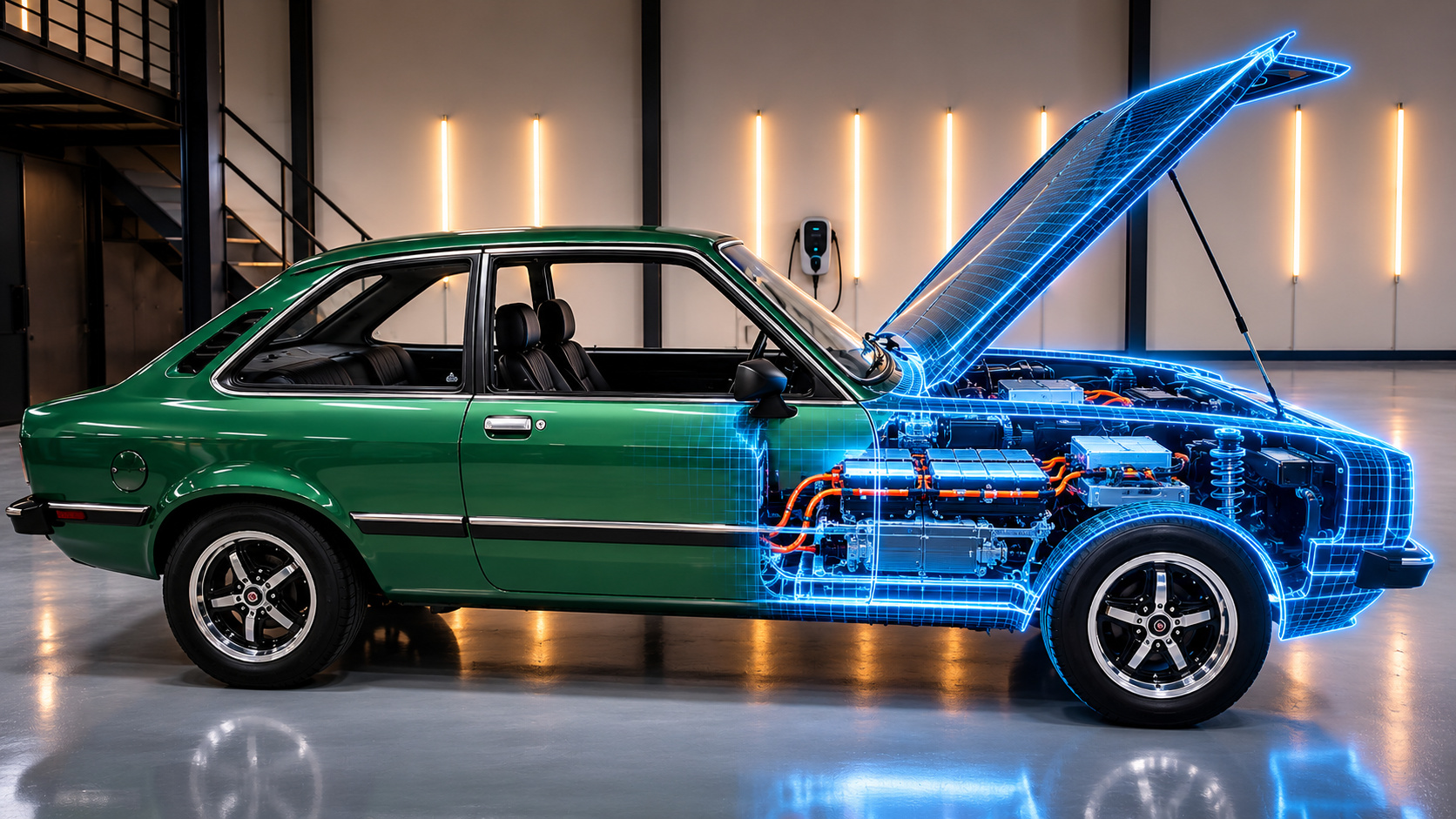

The conversion shows how a national classic can receive modern electrical systems, but also exposes mechanical and electronic limits of a vehicle created decades earlier
An artisanal project developed in a Brazilian workshop is transforming a 1970s Chevette into an electric car with a WEG motor, hybrid Volvo batteries, a digital dashboard, and a modern electronic center. The conversion draws attention because it involves more than just removing the combustion engine and installing an electric set. In practice, each step requires structural adaptation, electronic integration, and technical decisions made directly on the bench. The original vehicle was not created to receive a CAN network, high-voltage cables, or electronic management, which makes the process more complex and shows how electrifying classics requires custom solutions.
Technical conversion reveals challenges beyond engine replacement
The first difficulty arises precisely in the attempt to unite current technology with an old structure. The Chevette does not have a CAN network, lacks modern electronic modules, and was also not designed to support high-voltage cables running through the body. Therefore, the team needs to carefully adapt each component, from connectors to mounting points. Reused components from a donor vehicle identified as Dong Feng are being used in the project, including high-voltage cables and connectors compatible with the application. The high-voltage box will be installed in the trunk, with cuts in the bodywork and welded metal supports to ensure rigidity, safety, and less vibration during use.

WEG motor and hybrid Volvo batteries change the performance of the Chevette
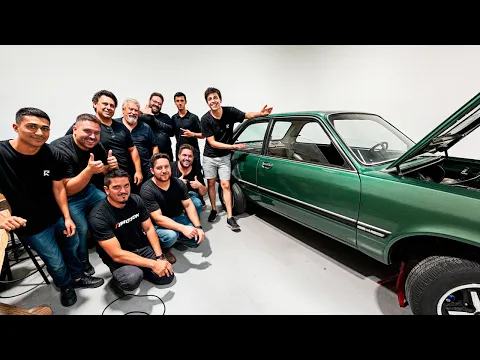
The core of the project is a WEG electric motor, developed for vehicle electrification applications. The set operates with a current close to 300 A in a system of approximately 400 V, which can generate about 120 kW of power. This number is equivalent to something between 150 hp and 180 hp, quite expressive power for a lightweight-bodied Chevette. The batteries used came from a hybrid Volvo and total approximately 20 kWh, with an estimated range between 100 km and 150 km, depending on the type of use. Even operating below the original effort, the set will require a BMS, a system responsible for monitoring the batteries and reinforcing safety.
-
Electric and Hybrid Cars Set to Transform Brazilian Streets: A New Era Begins

-
Chinese Giant Invests $1.3 Billion in Brazil to Produce 50,000 Cars Annually, Create Jobs, Develop Local Suppliers, and Manufacture Electric, Hybrid, and Combustion Models by 2027

-
Unprecedented achievement in India: a colossal 650-ton, nearly 3,000 hp excavator is transformed into 100% electric, marking a new phase in heavy mining.
-
Frightened by the speed of Chinese manufacturers, Renault decided to mimic the pace, made the new electric Twingo in just 21 months, wants to repeat the feat with 36 models by 2030, and along the way, will cut up to 2,400 engineering positions.

Electronic center and digital dashboard reorganize the driving experience
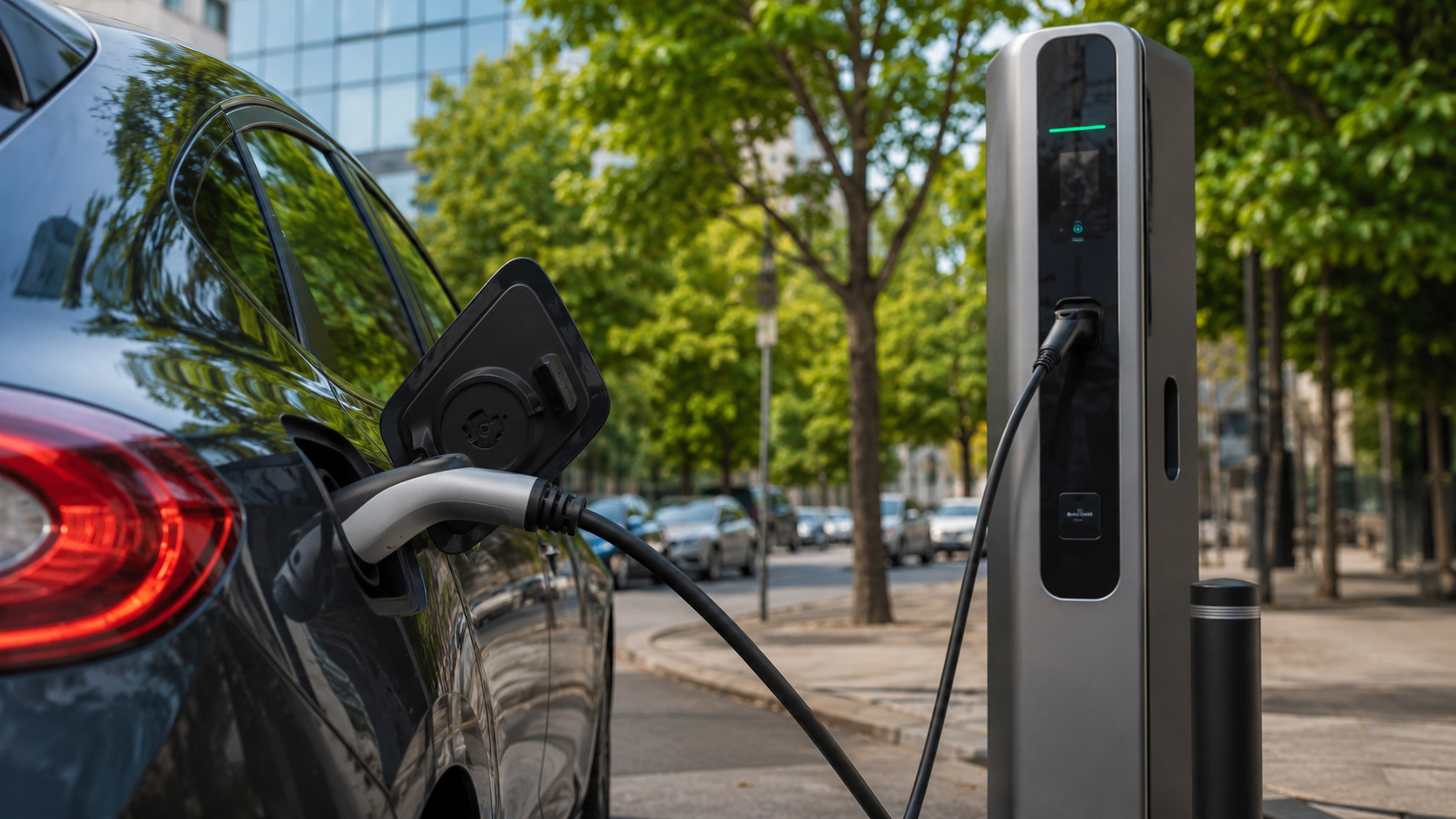
The electronics will be controlled by a Fiotec center, which will communicate with the WEG inverter and other modules via the CAN network. This integration will allow managing systems such as the DC-DC converter, battery cooling, and energy monitoring within the same electronic architecture. The chosen dashboard is the Ghost Dashboard, a digital display that will be installed behind the original panel with a frame made in 3D printing. With this change, old information, such as fuel level, will be replaced by data from the electrical system. Among them are high voltage, 12 V battery voltage, discharge current, and battery module temperature.
Instant torque raises concern with the original transmission
One of the most sensitive points of the project involves the original transmission of the Chevette. The estimate is that the electric motor delivers between 60 kgfm and 70 kgfm of torque, a value much higher than expected for the car’s transmission. The team is studying controlling this force through the electronic center, releasing the torque gradually to reduce the risk of mechanical damage. The challenge increases because the electric motor delivers power immediately, unlike the combustion engine, which develops torque as the rotation increases. The maintenance of the transmission is also being evaluated to allow different urban use and final speed ratios.
Artisanal electric retrofit gains strength in Brazil
The electric Chevette represents more than a garage conversion. The project shows a growing culture of independent creators developing practical knowledge about electric retrofit in Brazil. The participation of members from the channel Rota da Invenção during the execution of the work reinforces this exchange of experiences among enthusiasts, technicians, and curious people about electrification. In the process, topics such as BMS, inverters, welding, CAN network, and high voltage become part of the routine for those who previously discussed carburetors, spark plugs, and manual transmissions.
The electric Chevette still has no completion date
The project does not have a defined deadline for completion and continues to advance in stages, as tests are conducted and new components arrive at the workshop. This gradual evolution is part of the very nature of the conversion, as each decision needs to be validated in practice before the next phase. The result is still under development, but the process already reveals how artisanal electrification can transform old cars into real technology laboratories.
How far can independent projects take Brazilian classics in the era of electric cars?