






 Portuguese
  Spanish
  4 min of reading
  0 comments


In Indian cities, the Women with Wheels program shows how female drivers can occupy urban transport, earn their own income, enhance travel safety, and change their relationship with the streets.
Women who once feared traveling alone in Indian cities learned to drive and started working as professional drivers. The steering wheel became a path to own income, safety, and autonomy in an urban sector still largely associated with men.
The information was released by Planeterra, a non-profit organization. The Women with Wheels program is linked to Sakha Consulting and the Azad Foundation, providing practical training for women to work in urban transport, tourism, and logistics.
The most striking data is straightforward: more than 5,500 women have become professional drivers since the program began. The story shows that driving, in this context, means not only working but also gaining access to the city, their own money, and new choices.
-
The most famous district in Tokyo is tired of the litter: Shibuya now fines those who litter and threatens businesses without trash cans, showing that not even Japanese discipline has withstood the pressure of tourists, youth, and consumption on the streets.

-
Three fragments of space debris triggered the maximum alert on US military radars: a secret spacecraft entered orbit, disappeared without explanation, and left behind the mystery of the alleged first “illegal space shot” in history.

-
A supercomputer predicts who will win the World Cup and which player will take the Golden Boot, but the projection leaves Brazil far from the expected prominence.
-
Dissatisfied with seeing women outside the major breweries, a South African revives ancestral tradition, creates a brand with African ingredients, and trains new female brewmasters.





From fear of the streets to the steering wheel, women began to occupy a previously distant space
In some Indian cities, many women face barriers to traveling alone. These barriers may involve fear, social norms, and dependence on others for mobility.
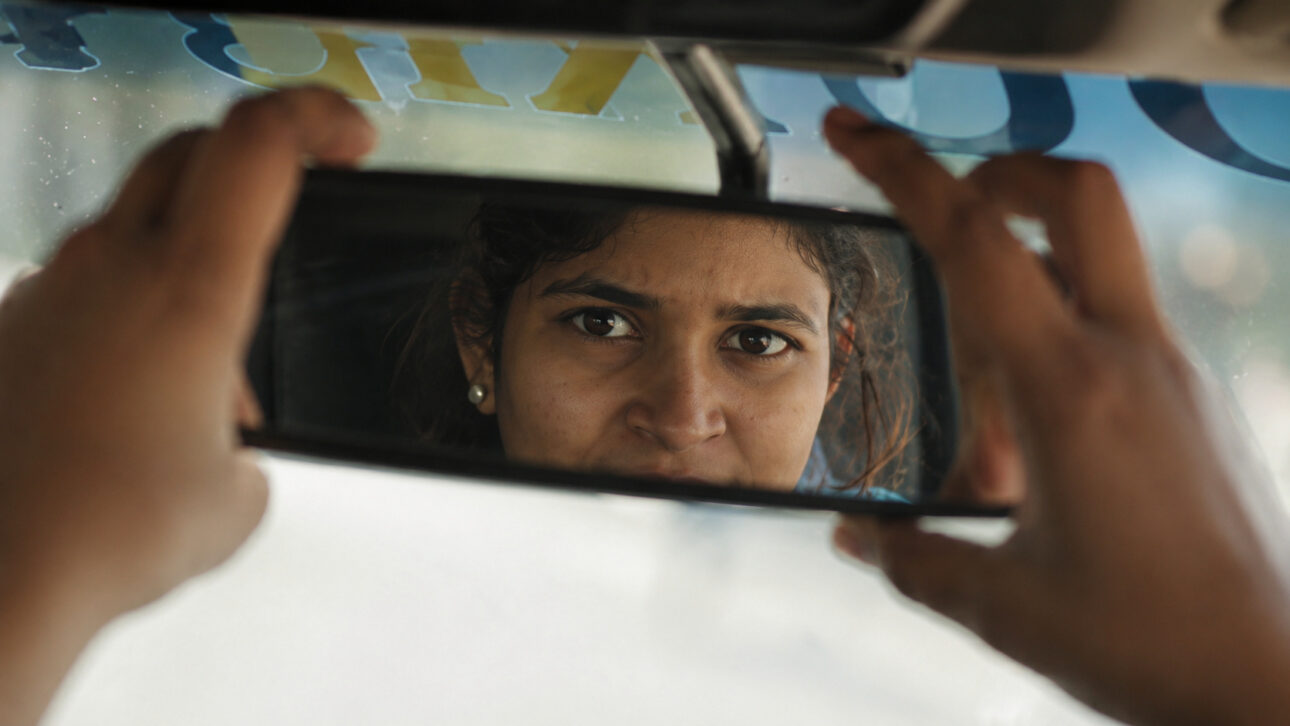
In this scenario, learning to drive takes on greater significance. The car becomes more than just a means of transport and starts to represent presence on the streets, movement through the city, and practical independence.
This reality does not define all of India, a large and diverse country. The case shows a specific action in Indian cities, related to women who faced social and economic limits to enter urban transport.
Women with Wheels prepares women to work as professional drivers
The Women with Wheels is the official name of the program. In English, the idea can be understood as women behind the wheel, focusing on professional driving training.
The initiative prepares women to work in urban transport, tourism, and logistics services. This means working by transporting passengers, handling travel-related movements, and participating in activities where driving becomes a profession.
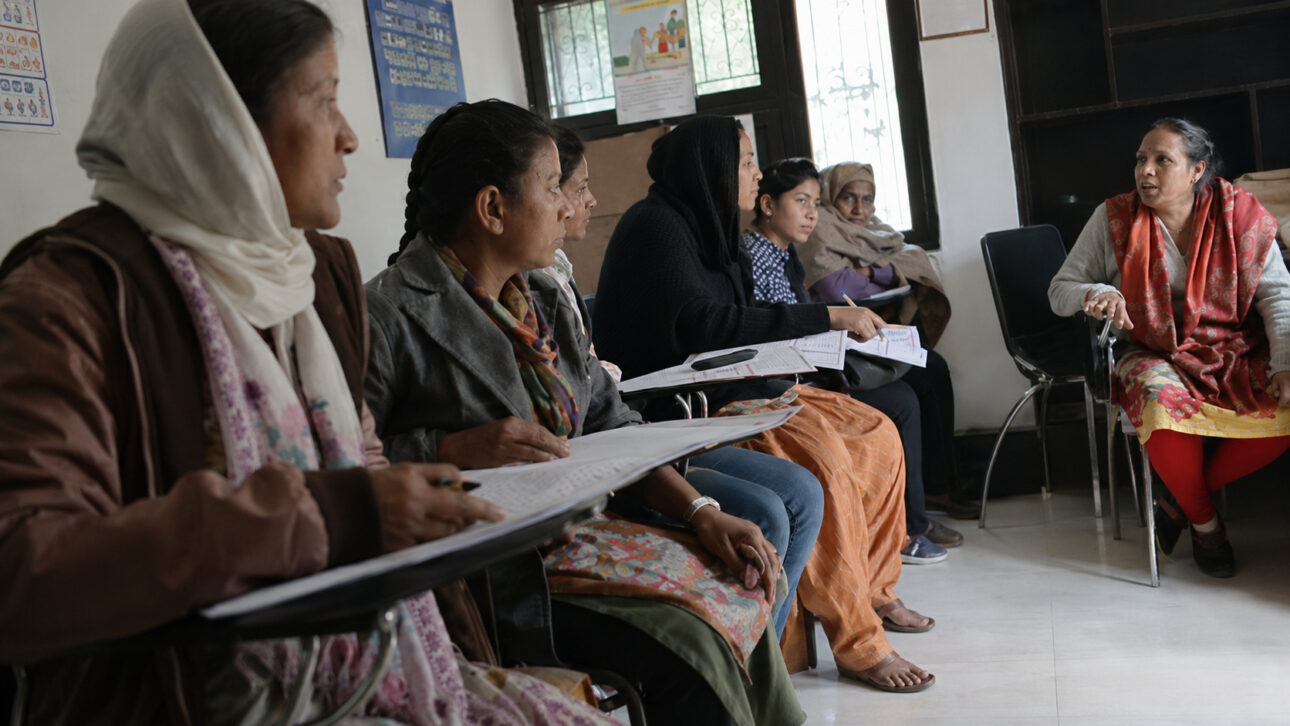
The Azad Foundation appears as a training partner. Its role involves teaching driving, supporting the development of confidence, leadership, and support networks for the participants.
Sakha Consulting helps transform training into work in Indian cities
Sakha Consulting is responsible for professional placement pathways. The organization’s role is to connect trained women to real opportunities in the transport sector.
This step is essential because learning to drive is not enough. To become income, the training needs to reach the market, with job possibilities in areas like taxi, tourism, and logistics.
Planeterra, a non-profit organization, detailed the central points of the program and reported that more than 5,500 women have become professional drivers since the initiative began.
Urban transport becomes personal income and changes women’s relationship with the city
When a woman starts driving professionally, the impact is not limited to the salary. The change also involves how she occupies streets, avenues, roads, and public spaces.
Personal income increases decision-making capacity. For low-income women and marginalized groups, this can mean more participation at home and more control over their own paths.
In urban transport, the female presence also breaks an old image. Driving is no longer seen only as a male function and becomes a possible profession for prepared women.
When women drive for other women, the journey also gains another meaning
The entry of women behind the wheel can change the experience of those using transportation. In urban commutes, tourism, and transfers, female passengers may feel more comfortable encountering another woman driving.
This point brings work and safety closer. The professional driver appears not only as someone who drives a car but as part of a new way of moving around the city.
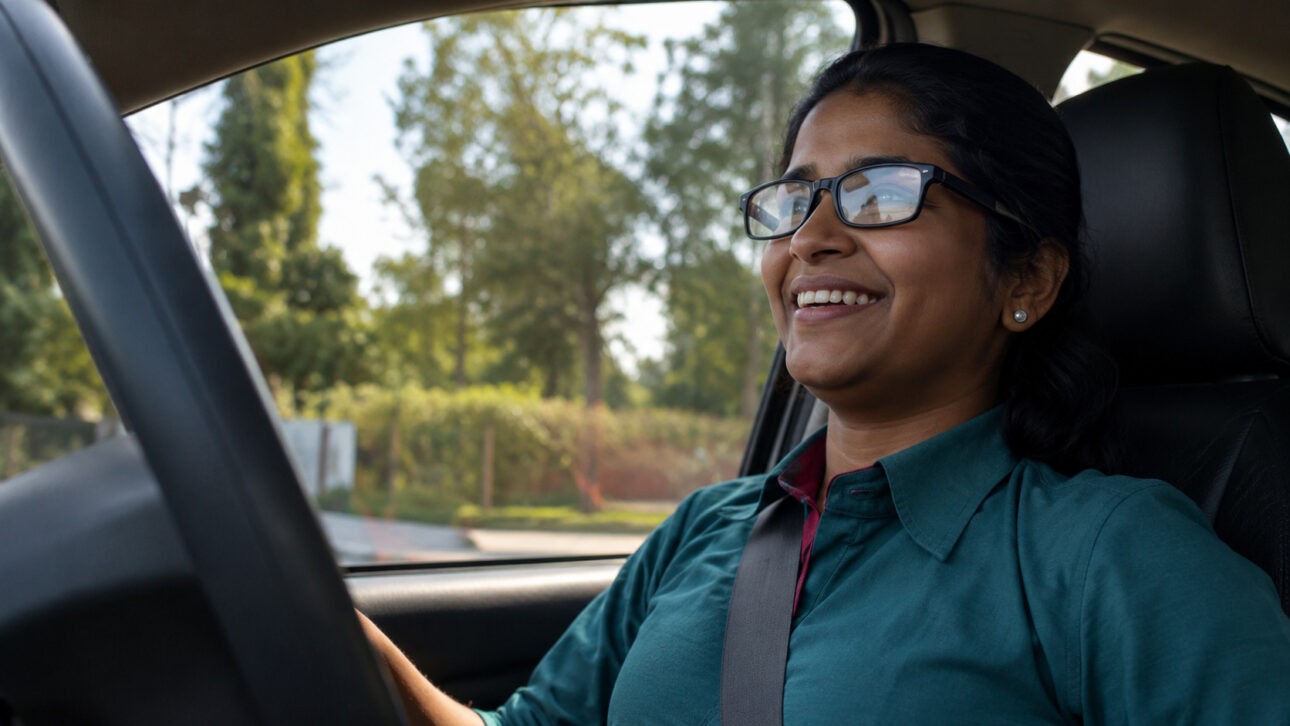
For families, travelers, and other women, the female presence behind the wheel also has symbolic strength. It shows that streets and transportation do not need to be spaces occupied only by men.
The wheel also creates a reference for daughters, sons, and other women
The program is not just about immediate employment. When a woman starts working as a driver, she can become a reference within the family and the community itself.
The change also affects the next generation. Daughters and sons grow up seeing women driving, working outside, earning through their own effort, and making decisions.
This effect helps explain why urban transport can have a social impact. A seemingly simple profession, like driving, can change how a woman sees herself and how others perceive her place in the city.
Women with Wheels shows that urban transport can be a gateway to income, safety, and female autonomy in Indian cities. The program combines professional driving, work, and cultural change without relying on grand speeches.
With more than 5,500 women trained as professional drivers, the initiative shows that the wheel can take much further than the passenger’s destination. It can also pave the way for work, respect, and new life possibilities.
When a woman takes the wheel in a male-dominated sector, does she only change her own income or also change the way a city views safety and freedom? Leave your opinion in the comments and share this story.


Be the first to react!