Portuguese
  Spanish


United States, Mexico, and Canada bring together meat, corn, dairy, fruit, and beverage supply chains that serve fans, stadiums, hotels, and hospitality areas during the 2026 World Cup
The agriculture of the United States, Canada, and Mexico, the countries hosting the 2026 World Cup, moved about $1.8 trillion (R$ 9.9 trillion) in 2025. The countries will host 104 matches, 16 stadiums, and an estimated audience of 7 million people since June 11.
World Cup Agriculture Supports Large-Scale Consumption
The first World Cup simultaneously hosted by three countries reveals a structure that begins far from the fields.
Beef, corn, dairy, fruits, beverages, and processed foods are part of the supply that accompanies the movement of fans.
-
Small Farm in Brazil’s Minas Gerais Produces 403 Liters of Milk Daily, Sets Benchmark for Rural Producers

-
Man Revives 1930s Abandoned Trout Farm, Learns from Scratch, and Earns $1.1 Million Annually Selling Fish to Michelin-Starred Restaurants

-
Bangladeshi Farmers Use Bamboo Levers to Pump Thousands of Liters of Water Daily Without Engines or Electricity
-
Brazilian Forests Could Expand by an Area Twice the Size of Switzerland by 2035, but Agricultural Sector Holds the Key, Study Finds



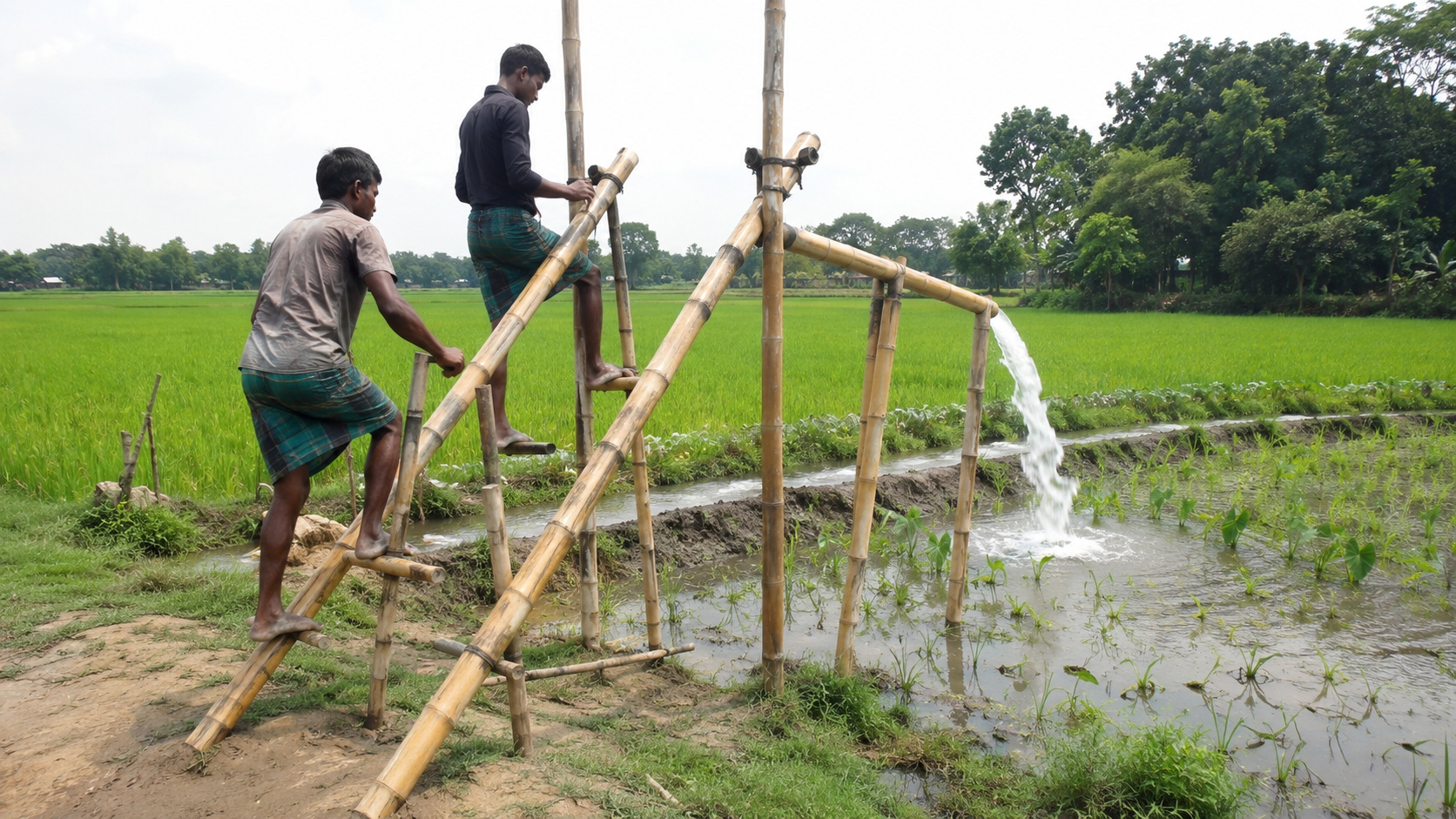

When a fan buys a hamburger in Dallas, a taco in Mexico City, or a serving of poutine in Toronto, the food served depends on extensive production chains.
These chains involve farmers, ranchers, cooperatives, transporters, slaughterhouses, dairies, food processors, and distribution centers spread over millions of hectares in the three host countries.
The 2026 World Cup also takes place in important agricultural regions of North America. Therefore, the tournament serves as a showcase for the agriculture that supports large-scale urban consumption.
Besides the sporting dimension, the competition has its own financial weight. According to economic report analyses, FIFA’s total revenue for 2026 is expected to reach $8.9 billion, about R$ 48 billion, exclusively from the World Cup.
This amount represents an increase of almost 20% compared to the profits of the previous World Cup in Qatar, driven by the expanded format, with 48 teams and a higher number of matches.
United States Concentrate the Largest Economic Weight of Agriculture
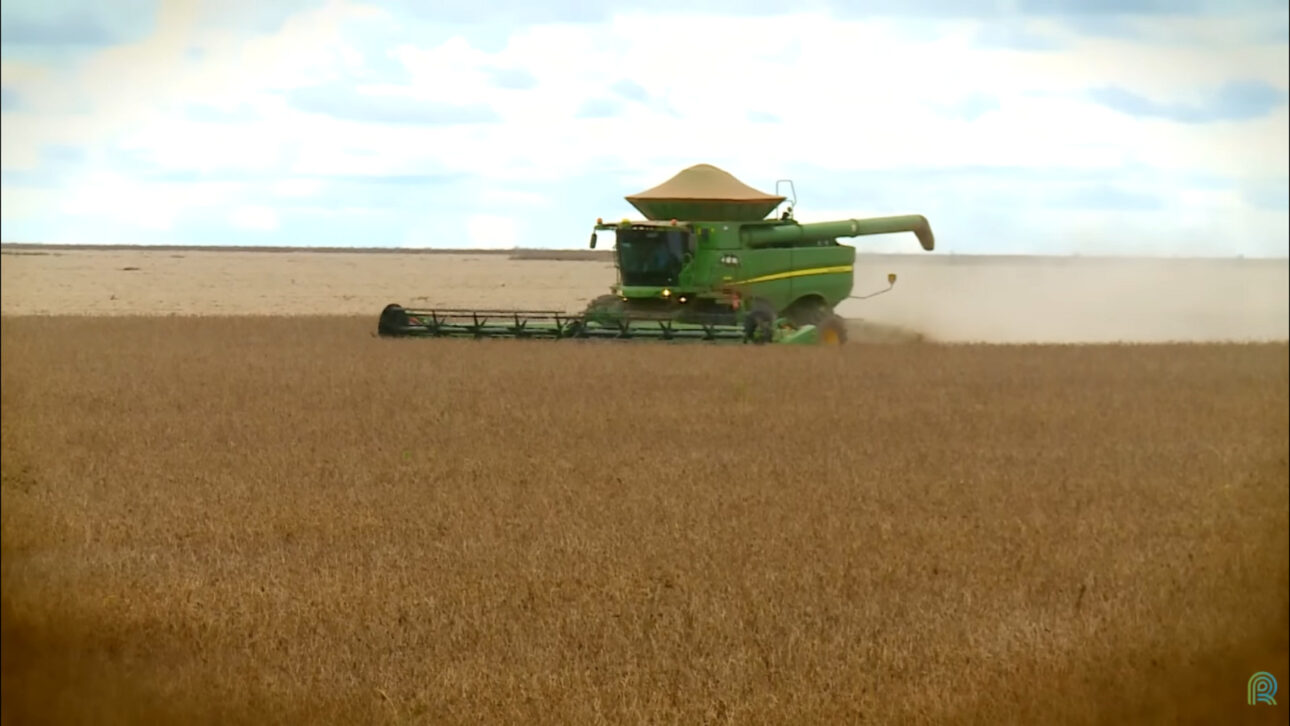
Among the three host countries, the United States has the largest agri-food system in value. According to the United States Department of Agriculture, USDA, the sector generated $1.54 trillion in value added to the economy.
The amount is equivalent to R$ 8.62 trillion and represents 5.5% of the American Gross Domestic Product. Only agricultural production within farms accounted for $222.3 billion, about R$ 1.2 trillion.
In Canada, the agri-food system moved US$ 107.4 billion, or R$ 601.4 billion, according to Agriculture and Agri-Food Canada. The sector accounts for about 7% of the Canadian economy.
In Mexico, agriculture represents approximately 3.8% of the national Gross Domestic Product, according to the Organization for Economic Cooperation and Development. Official data from Data Mexico indicates US$ 119.1 billion in agriculture, livestock, forestry, and fishing.
Combined, these numbers explain why the 2026 World Cup will be mostly supplied by local and regional production. The three countries have supply chains that provide food, animal proteins, grains, fruits, beverages, and processed products.
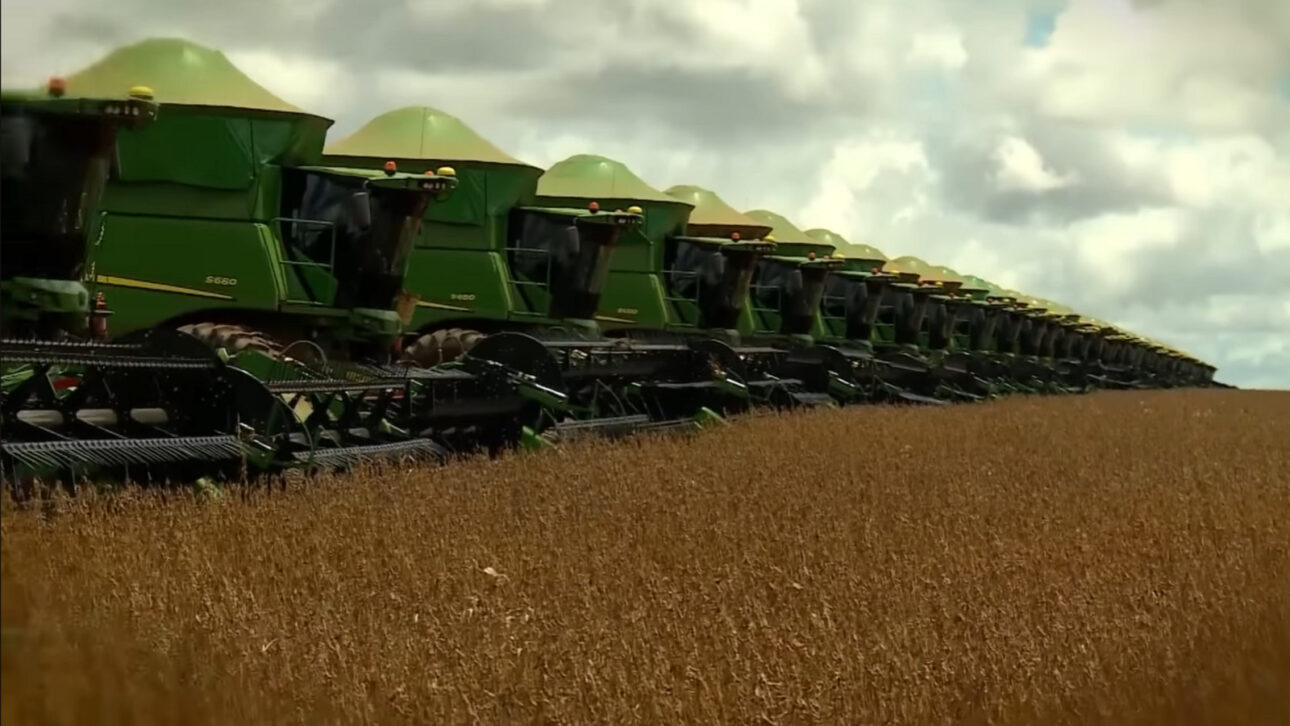
World Cup: Proteins and corn appear at the center of supply
Among the most consumed foods in North American sports arenas are hamburgers, beef sandwiches, hot dogs, and products derived from animal protein.
In the United States, the cattle chain plays a central role. According to the USDA’s National Agricultural Statistics Service, the country started 2026 with a herd of 86.2 million cattle.
Even with the reduction observed in recent years, the United States remains among the largest beef producers in the world. The USDA projects production close to 11.7 million tons in 2026.
A good part of this production is concentrated in states like Texas, Nebraska, and Kansas, which form the core of American beef cattle.
Pork also occupies a significant space in supply. The United States maintains a herd close to 75 million animals, concentrated mainly in Iowa, Minnesota, and North Carolina.
This productive structure supplies, among other products, the sausages used in the traditional hot dogs sold at sports events across the country.
Corn is another essential link in the World Cup agro. The cereal appears directly in foods like nachos, tortillas, and tacos, in addition to indirectly participating in the protein chain.
In the United States, the world’s largest producer of the grain, the harvest exceeded 380 million tons in recent seasons, according to the USDA.
The cereal is used as the main energy source in animal feed for much of the proteins produced in North America. Therefore, it appears both on the fans’ plates and in the production base of the consumed meat.
In Mexico, corn has its own economic and cultural weight. Data from the Secretariat of Agriculture and Rural Development, Sader, and the USDA indicate production of up to 23 million tons per harvest.
At the same time, the country is among the world’s largest importers of dried corn intended for animal feed. This combination makes the cereal the basis of Mexican food security and a direct link between the three host countries.
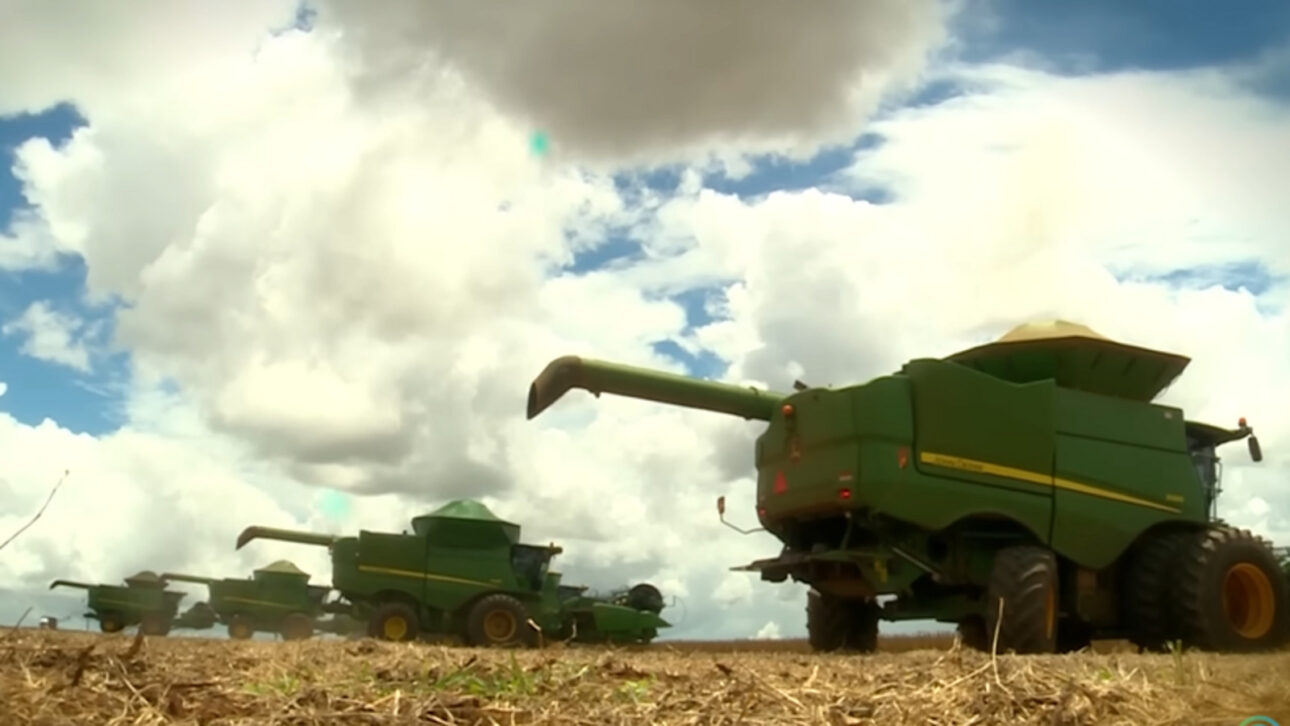
Dairy, fruits, and beverages complete the operation
Canada adds another front to the 2026 World Cup supply. According to data from the Canadian government and the Dairy Farmers of Canada, the dairy sector comprises more than 9,000 farms.
Ontario and Quebec concentrate most of the national production. Dairy products appear in traditional foods consumed in the host cities and also supply restaurants, hotels, suites, and hospitality operations related to the event.
The fruit chain also has relevance. Mexico leads the world in avocado production, with a USDA projection of approximately 2.8 million tons of the fruit in 2026.
In Canada, agricultural regions of Quebec and British Columbia concentrate an important part of fruit production. According to Statistics Canada, Quebec accounts for about 36.5% of national production, with a focus on apples and berries.
These chains supply restaurants, hotels, hospitality areas, and spaces aimed at fans during the competition.
Beverages also start in the field. Beer depends on barley, corn, and hops. Soft drinks use sugar or corn derivatives, while juices depend on fruit production.
According to the 2024 global report by Kirin Holdings, among the three host countries, Mexico has the highest per capita beer consumption: 83.4 liters per person per year.
This data places Mexico ahead of Brazil, which ranks 21st, with 70.3 liters per person. The United States occupies the 29th position, with 65.4 liters per person, while Canada is around 50 to 54 liters.
Coffees and teas consumed in hospitality areas follow global agricultural supply chains. In FIFA’s sustainable purchasing guidelines, the entity establishes criteria related to the traceability and origin of products purchased for official events.
This article was prepared based on information from the USDA, Agriculture and Agri-Food Canada, OECD, Data Mexico, Sader, Dairy Farmers of Canada, Statistics Canada, Kirin Holdings, and FIFA’s sustainable purchasing guidelines, with data, numbers, and statements preserved as per the material consulted.