





 Portuguese
  English
  Spanish
  4 min of reading
  0 comments


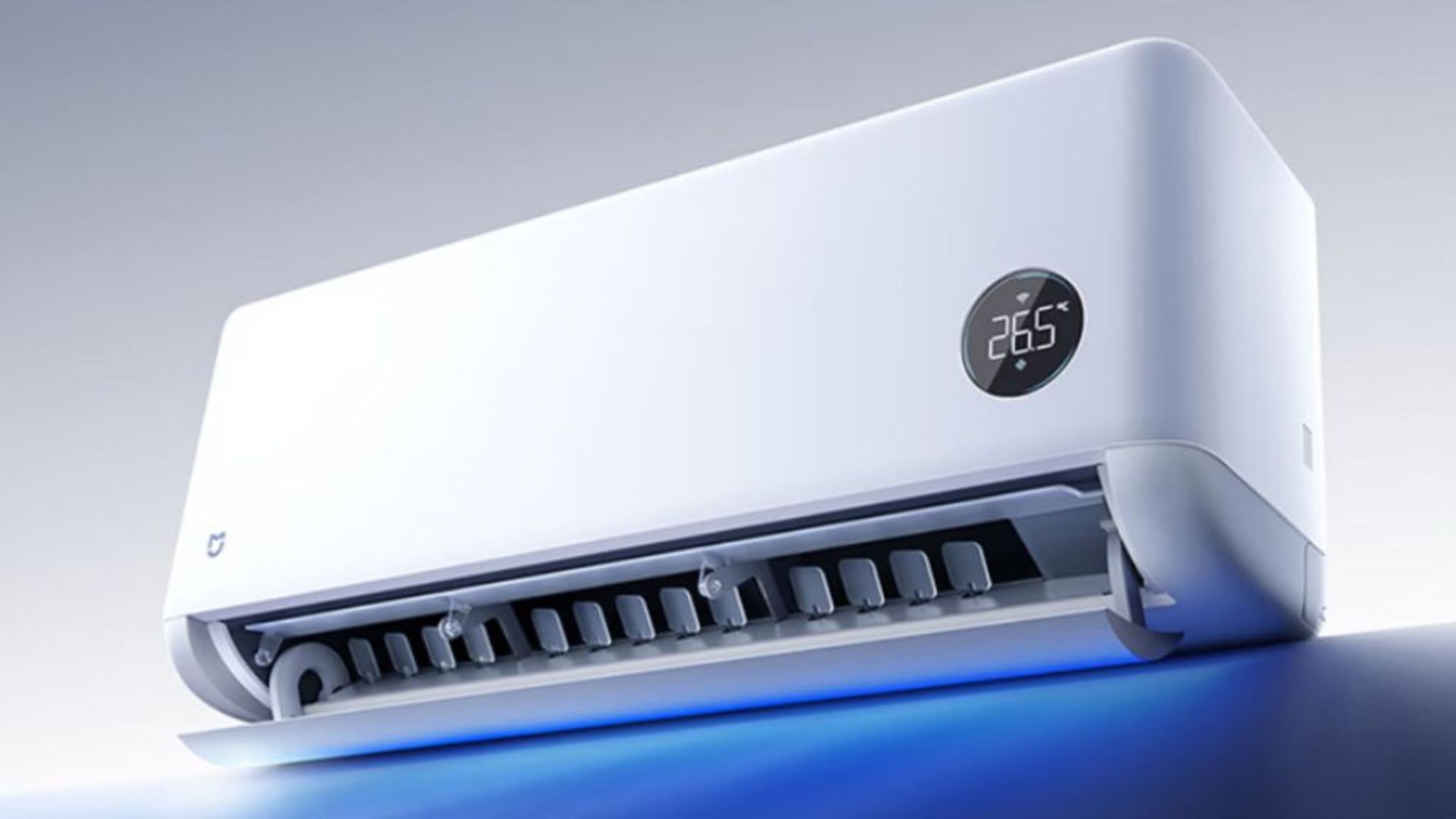
Rapid cooling technology, integration with smart home, and the promise of high energy efficiency mark the new air conditioner from Xiaomi, which bets on response speed, automation, and economy to stand out in the market of connected devices and expand its home ecosystem.
Xiaomi announced in China the Mijia Strong Air Super 1.5 HP, a wall-mounted air conditioner that combines accelerated cooling, connectivity with the smart home, and a focus on energy efficiency.
According to the specifications released at launch, the device promises to start cooling in 15 seconds and heating in 30 seconds, in addition to arriving in the Chinese market for 2,699 yuan, with sales expected to begin on April 28, 2026.
Cooling and heating speed catches attention
The announced speed is the main selling point of the product, although this type of estimate usually depends on factors such as area, thermal insulation, sun exposure, and air circulation in the environment.
-
A perfect 6 km ring in the far east of Russia intrigues NASA satellites as it appears to be a meteor crater or an extinct volcano, but the agency has already confirmed that it is neither and harbors a much stranger origin beneath the Earth.

-
From a simple approach at the gate to more than R$ 45,000 in donations, the story of a gardener offering volunteer work shows how a well-tended garden can pave the way for food, hope, and an almost finished home for a Brazilian family.

-
3.09-carat white diamond found by woman in a United States park after losing her father and son, and the rare stone valued at up to R$ 240,000 becomes a symbol of unexpected joy during a period of mourning
-
It seems like something out of a movie, but it’s real: how technology uses invisible sound waves to extinguish small fires without water, without chemicals, and without destroying household furniture.





Even without detailing the conditions under which the tests were conducted, the manufacturer positions the model as an alternative aimed at those seeking more immediate cooling, both on hot days and during cold periods.
Integration with smart home and AI features
In addition to initial performance, Xiaomi bets on the connected ecosystem to differentiate the device from traditional competitors.
The model works with HyperOS Connect, a system that allows integration with other brand devices, and incorporates features such as voice commands, remote software updates, and cloud self-diagnosis for maintenance support, expanding the role of the equipment within the company’s smart home strategy.
Self-cleaning system and thermal comfort

In terms of hygiene and daily operation, the air conditioner includes a self-cleaning system with high-temperature sterilization of up to 58°C, a feature used by the brand as an appeal for simplified maintenance.
The equipment also offers vertical and horizontal oscillation, anti-cold air function, and a distribution mode designed to avoid direct jets on the user, a characteristic that aims to address a common complaint from those who use air conditioning for long periods.
Compressor performance and air flow
The mechanical set features a dual-cylinder compressor, described by Xiaomi as capable of increasing stability at low frequency by 30% and reducing operational noise by 5%.
The ventilation system uses a 118 mm fan and dual deflectors to achieve an air flow of up to 900 m³/h, a figure that places the model among the brand’s recent launches with greater emphasis on continuous circulation.
Operation in extreme temperatures
Another point highlighted by the manufacturer is the operating range in extreme conditions.
According to the data released, the device can cool environments at external temperatures of up to 55°C and operate in heating scenarios of up to -15°C, a combination that suggests a product designed for regions with severe climate variations.
Still, the actual efficiency in daily use tends to depend on installation, room sealing, and maintenance routine.
Energy savings and annual efficiency
In terms of energy consumption, Xiaomi claims that the new model achieves a Level 1 rating and an annual performance factor of 6.01, accompanied by a savings algorithm called Lingyun.
In practice, the brand says this could represent a reduction of up to 344 kWh per year in electricity consumption, a relevant argument in a segment where the electricity bill often weighs as much as the purchase price.
Price, conversion, and availability
The announced launch price was 2,699 yuan, an amount that appeared in part of the international coverage as equivalent to about R$ 2,016 by direct conversion.
With the yuan exchange rate against the real on April 13, 2026, however, this amount corresponds to approximately R$ 1,974, not considering taxes, shipping, import fees, or resale margins that would apply in a potential arrival in Brazil.
For now, sales are restricted to the Chinese market, and there is no confirmation of a launch in other countries.
The specialized coverage that followed the product presentation indicates only the start of sales in China from April 28, without a global calendar or official mention of markets like Brazil, where Xiaomi operates in other categories of electronics and home devices.
The launch reinforces Xiaomi’s movement to expand its portfolio of connected appliances with an appeal for automation, savings, and integration between devices.
In this context, the Mijia Strong Air Super 1.5 HP emerges less as a simple air conditioner and more as a component of the smart home that the company is trying to consolidate, betting on cooling speed, automated maintenance, and digital management as the main selling differentiators.







-

1 person reacted to this.