Portuguese
  Spanish




Yeh Sheng Feng, Chinese Entrepreneur, Will Install a Photovoltaic Cell Industry in Santa Catarina, with an Investment of R$ 100 Million and the Creation of 355 Direct Jobs
At a time of economic growth, Chapecó, Santa Catarina, stands out as a promising destination for major investors. Last Tuesday, the 15th, Mayor João Rodrigues received Chinese entrepreneur Yeh Sheng Feng, who presented an ambitious project for the installation of a photovoltaic cell industry in the city.
The meeting was also attended by accountant Dalvair Angheben, as well as the director of Economic Development, Márcio da Paixão Rodrigues, and the director of Entrepreneurship and Tourism Incentive, Luiz Roberto Tillmann.
The project aims to occupy an area of 80,000 square meters, with 58,000 square meters dedicated to the construction of the industry. Initially, the production will focus on export, but in a later phase, the domestic market will also be served.
-
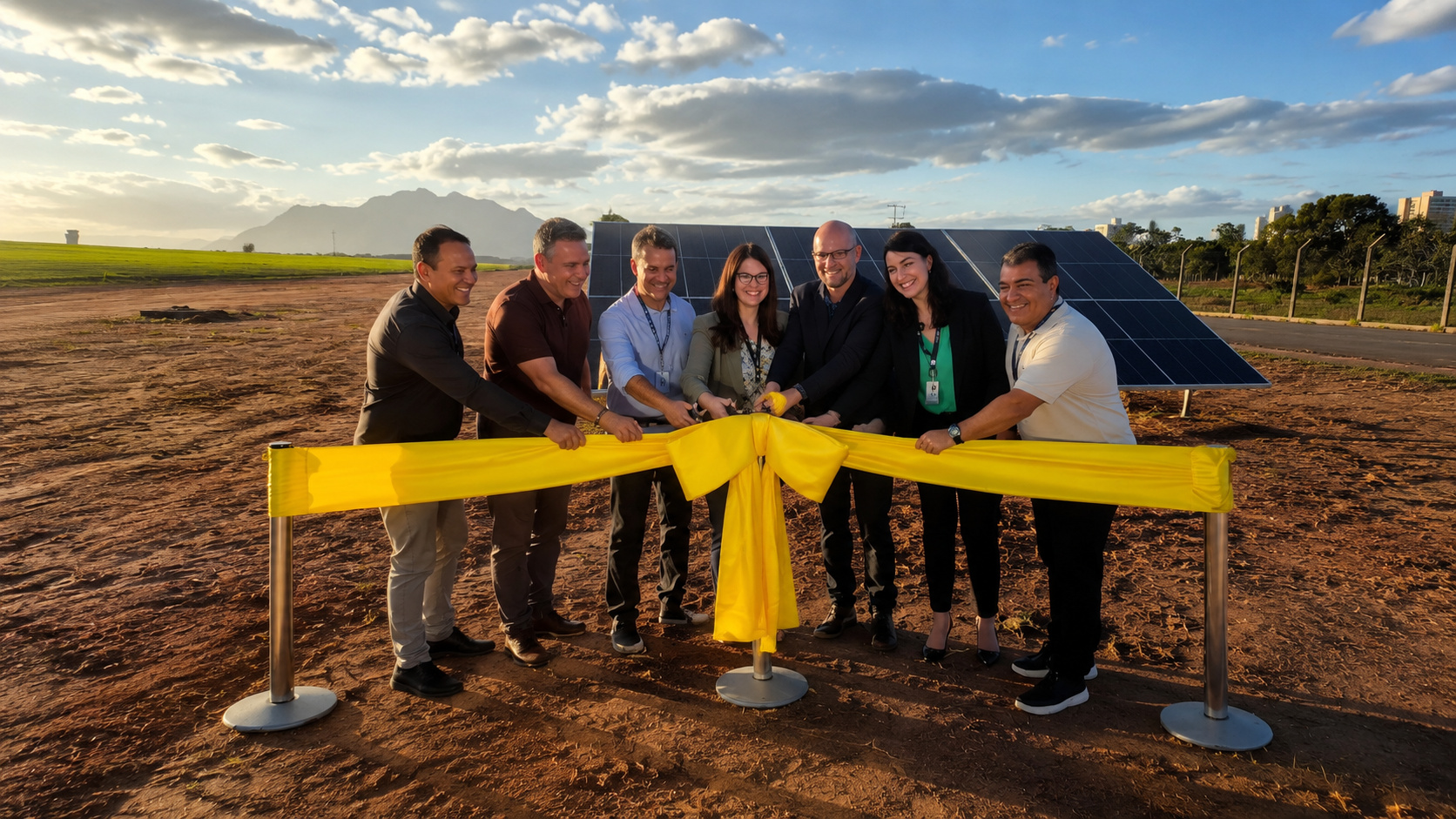
Brazil’s Vitória Airport to Launch Solar Plant Covering Area of 10 Soccer Fields, Boosting Clean Energy and Cutting Costs

-
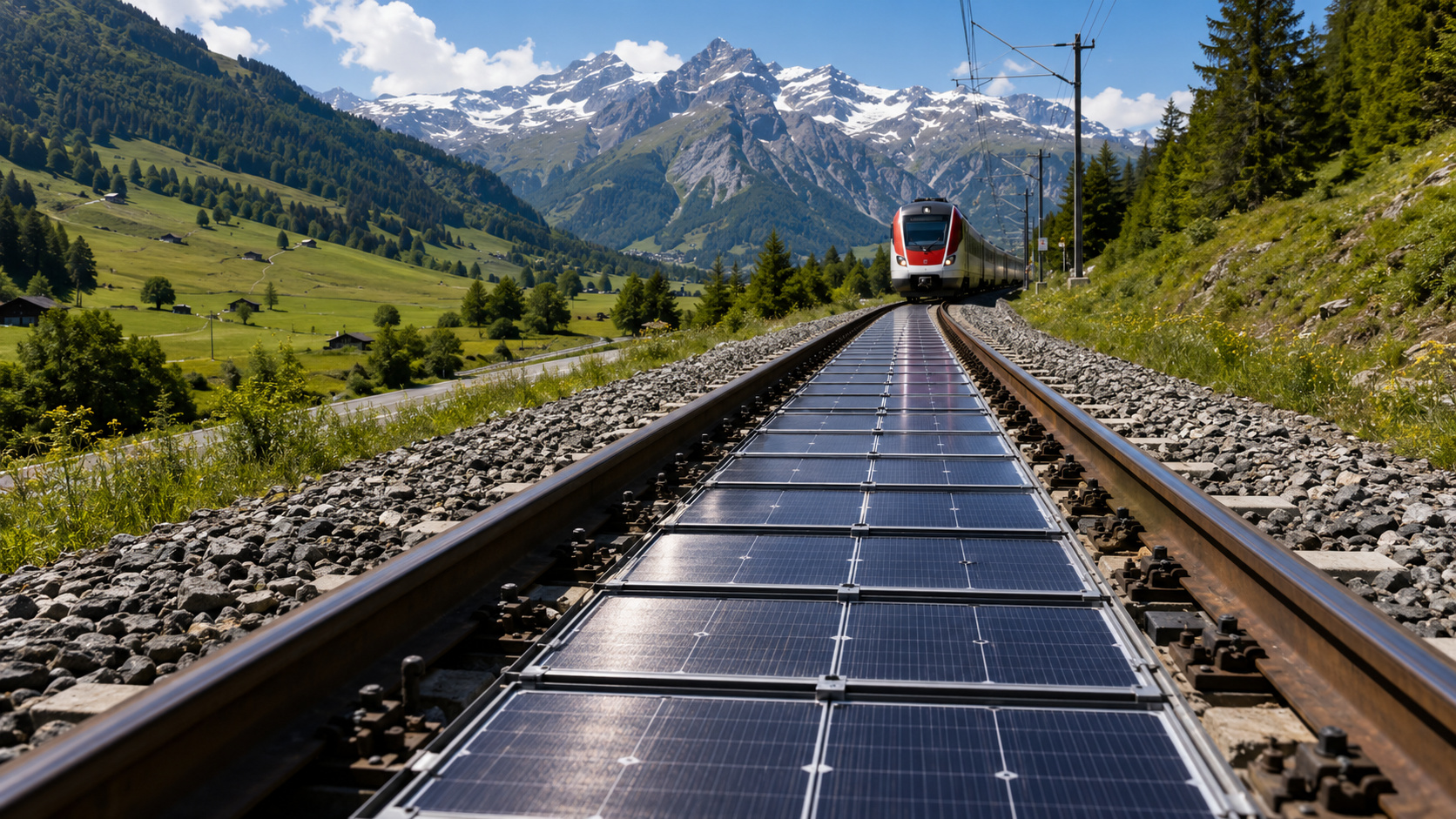
Switzerland Converts Train Tracks into Solar Power Plants with Removable Panels to Generate Energy Without Using Additional Land
-
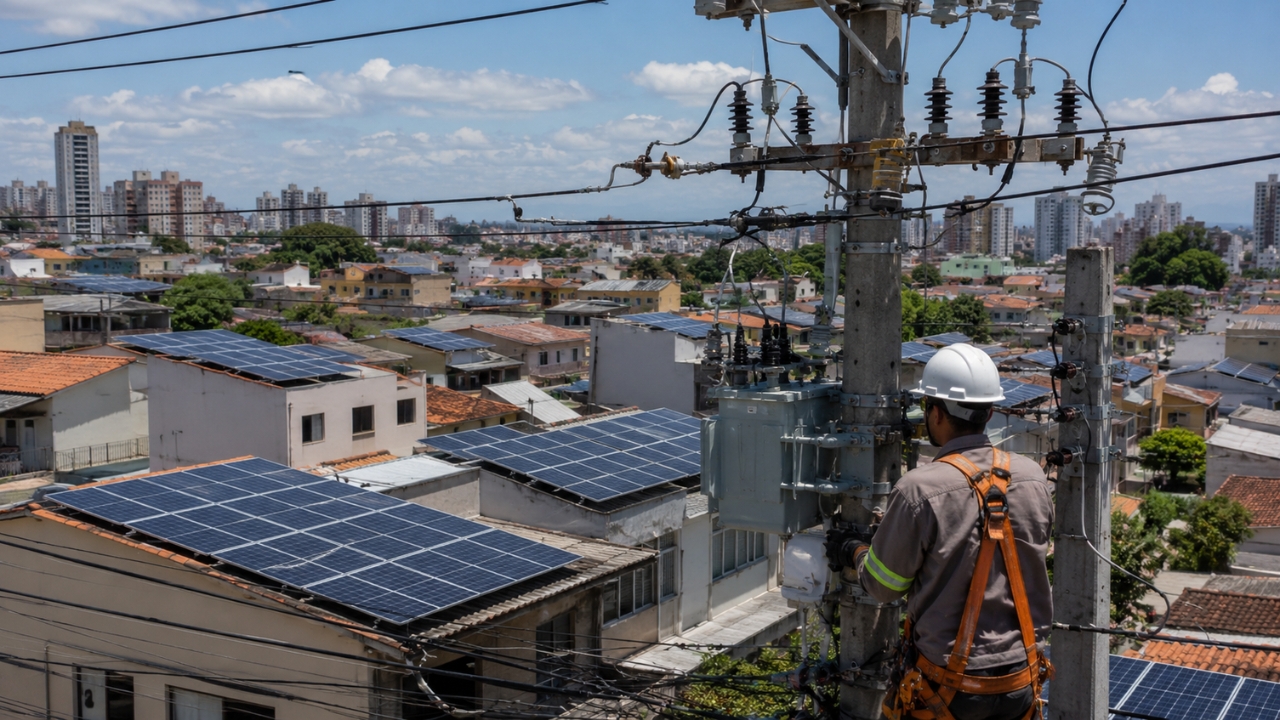
Surge in Solar-Powered Homes in Brazil Leads to Grid Strain and Connection Restrictions in Three States

-
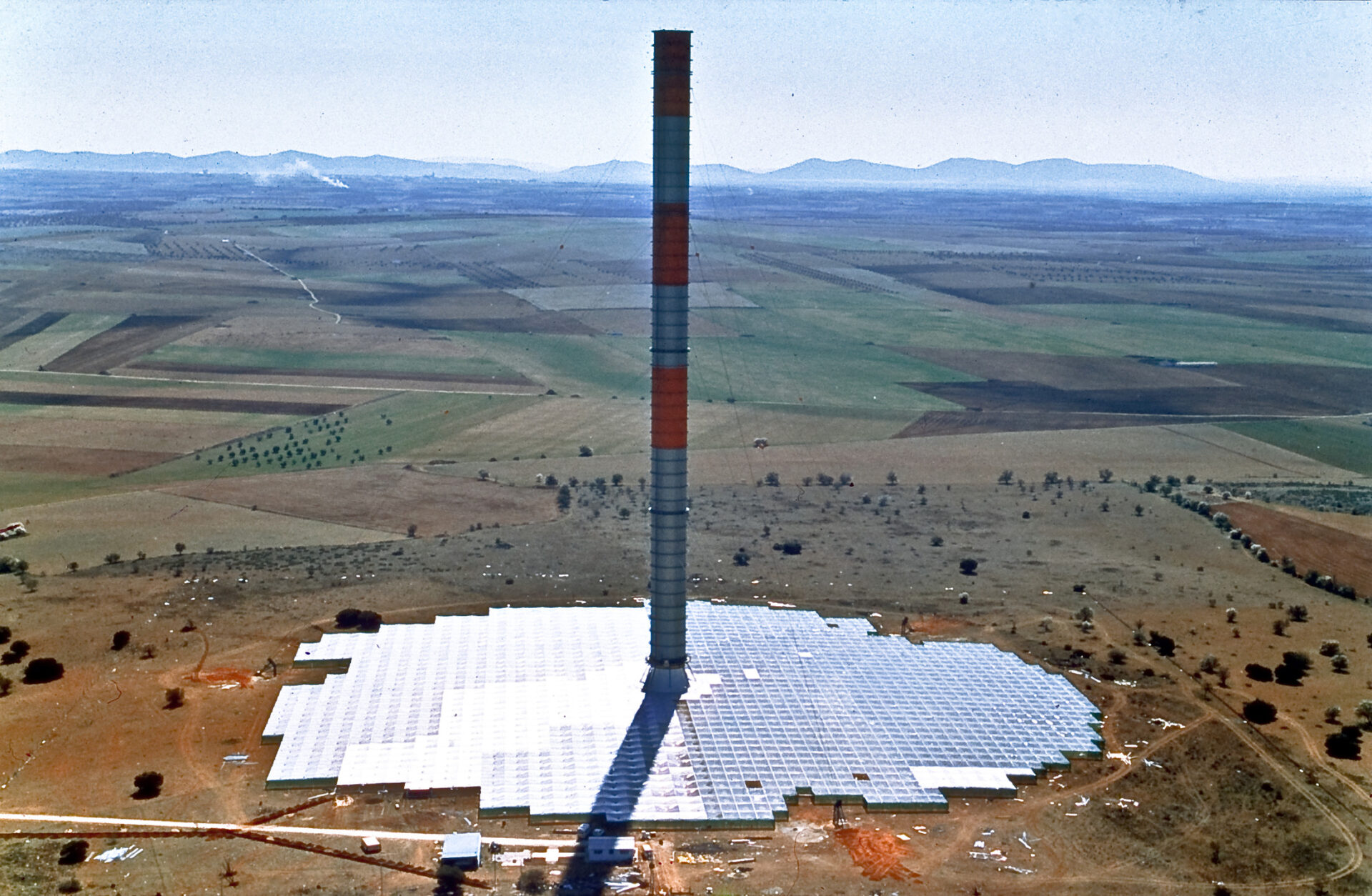
Solar Chimney in Spain Harnessed Sun to Generate Electricity for 7 Years Without Burning Fuel

The projected investment is R$ 100 million, and it is expected that 355 direct jobs will be created, further strengthening the development of Chapecó and the state of Santa Catarina.
Note from the Chapecó City Hall, Santa Catarina
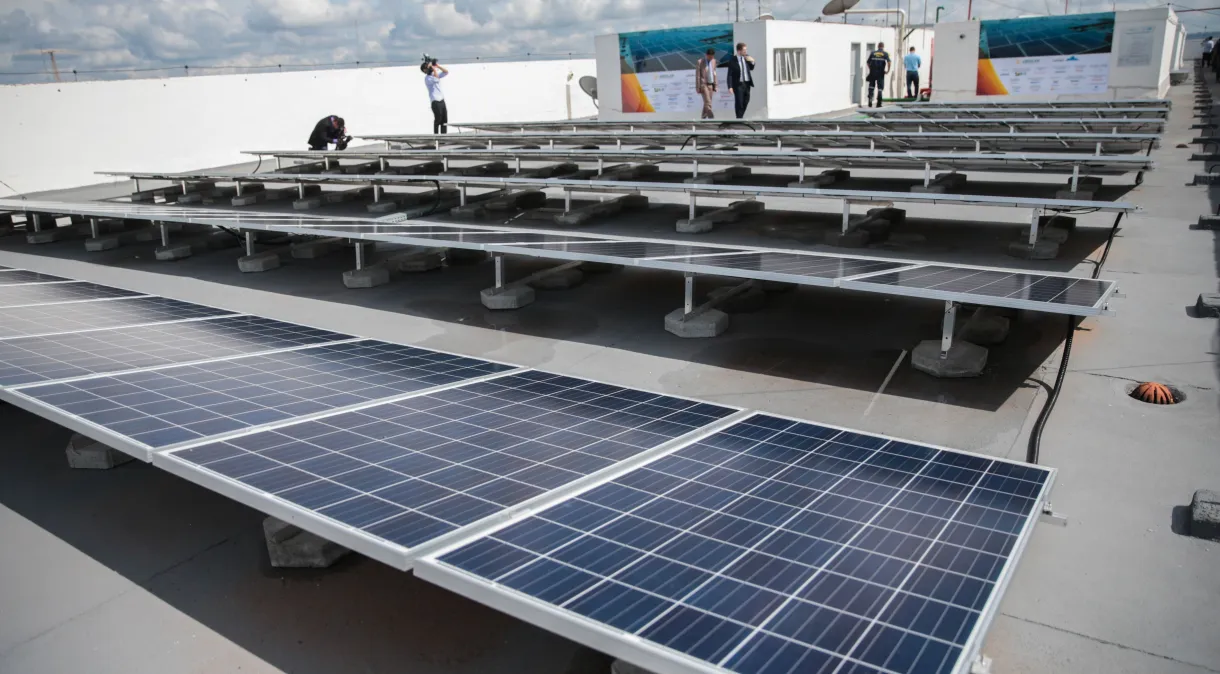
Several companies are seeking to invest in Chapecó due to the city’s favorable moment. On the morning of this Tuesday, Mayor João Rodrigues received in his office Chinese entrepreneur Yeh Sheng Feng, who has a project to install a photovoltaic cell industry in the municipality. The entrepreneur was accompanied by accountant Dalvair Angheben.
The director of Economic Development, Márcio da Paixão Rodrigues, and the director of Entrepreneurship and Tourism Incentive, Luiz Roberto Tillmann, also attended the meeting. The project envisions an area of 80,000 square meters, with 58,000 square meters of construction.
Initially, production will be aimed at export, with a second phase also serving the domestic market. The projected investment is R$ 100 million, generating 355 direct jobs.
Brazil Rises in the Solar Energy Market
Brazil continues to consolidate itself as one of the major global markets for solar energy. This year alone, 2 gigawatts (GW) of solar power have been added to the national system, surpassing the mark of 39 GW of installed capacity since 2012, according to data from the Brazilian Association of Photovoltaic Solar Energy (Absolar).
This represents 17% of the country’s operational electric matrix, showcasing the strategic role that solar energy has played in the energy landscape in Brazil.
According to Absolar, since 2012, solar energy has brought over R$ 189.3 billion in new investments to Brazil, in addition to R$ 51.6 billion in revenue for public coffers and the creation of around 1.1 million direct and indirect jobs.
These numbers highlight the importance of solar energy not only as a sustainable alternative but also as a lever for the economic and social development of the country.
Distributed Generation: The Future of Energy in Brazil
In the distributed generation segment, installed solar energy capacity has reached 26.8 GW, equivalent to R$ 134.9 billion in investments since 2012.
The sector has generated over 805.2 thousand jobs across the country, reinforcing the importance of small installations, such as solar rooftops in homes and businesses, that utilize this technology to generate their own energy.
Currently, solar technology is present in 99.9% of all distributed generation connections in Brazil, leading the segment by far.
This advancement demonstrates that more and more Brazilians are adopting sustainable solutions to reduce energy costs and contribute to environmental preservation.
In the centralized generation segment, Brazil has 12.2 GW of installed capacity in large solar plants. Since 2012, these enterprises have generated over R$ 54.3 billion in new investments, in addition to generating R$ 18.2 billion in taxes and providing more than 366.6 thousand jobs.
Rodrigo Sauaia, CEO of Absolar, highlights the social and economic impact of solar energy in the country. According to him, solar energy is a lever for social, economic, and environmental development, especially in programs like Minha Casa Minha Vida and in projects involving schools, hospitals, and libraries.