Portuguese
  Spanish


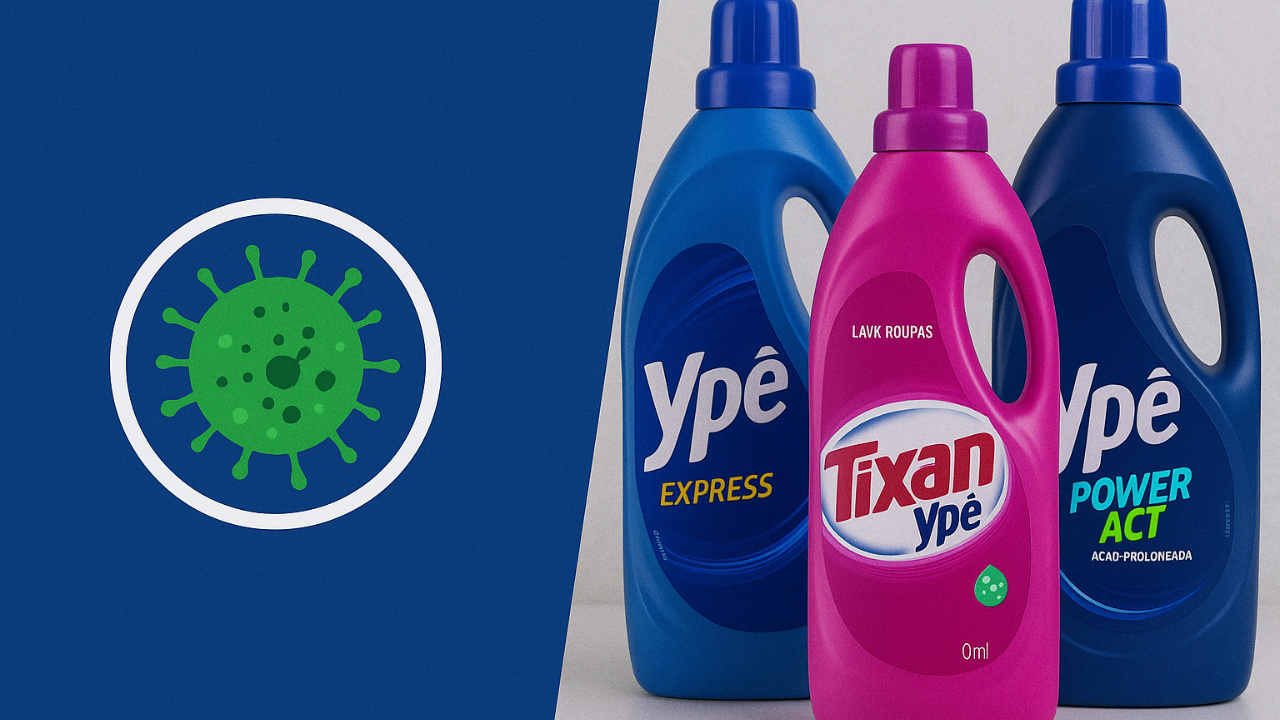


Anvisa Orders Recall Of Ypê Soap Lots Due To The Presence Of Bacteria That Can Cause Infections. Learn Which Products Are Involved.
Anvisa orders the recall of Ypê soap lots after bacterial contamination identified in analyses conducted by the manufacturer itself on Thursday (27).
The action involves different lines of laundry detergents sold nationwide and immediately determines the suspension of sale, distribution, and use of the products.
The decision was made after the discovery of the bacteria Pseudomonas aeruginosa, which can cause infections in the skin, urinary tract, and even in the respiratory system, especially in people with compromised immunity.
-
Scientists Convert Food Waste into Aviation Fuel, Successfully Test 50% Blend with Conventional Kerosene to Cut Emissions and Promote Sustainable Flights

-
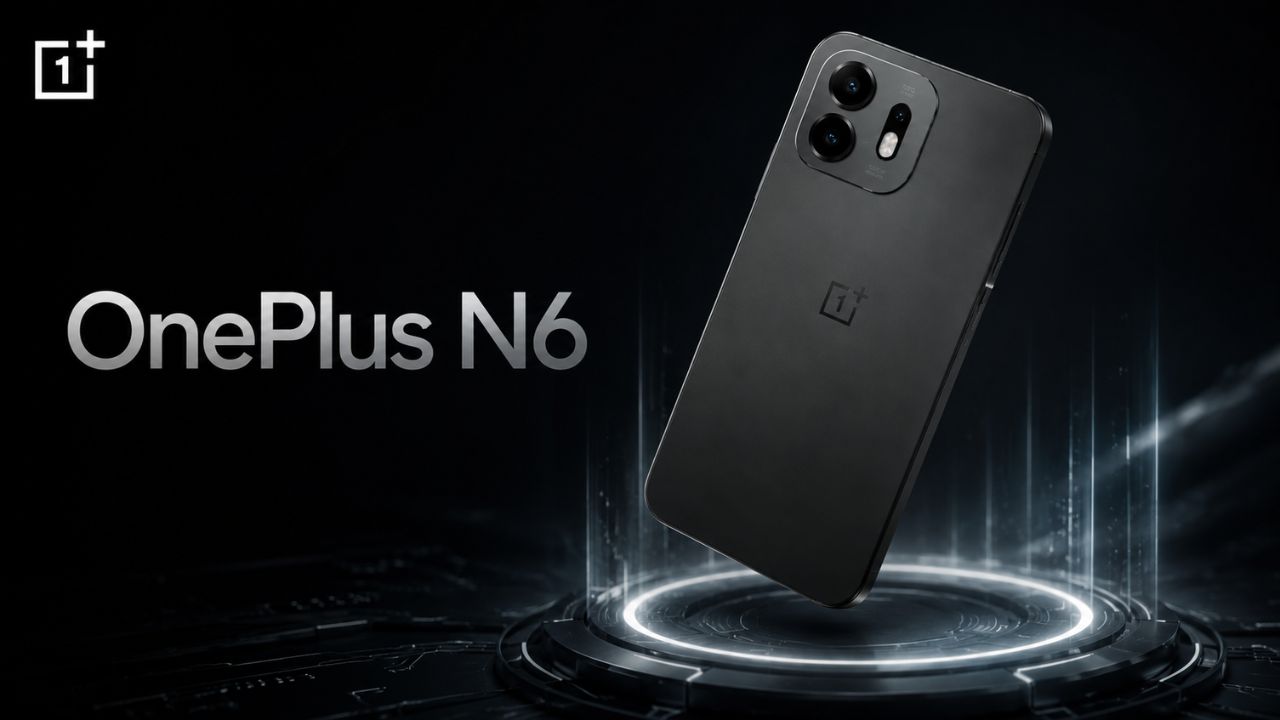
OnePlus N6 Smartphone to Launch in India with 8,000mAh Battery and 45W SuperVOOC Charging, Lasting Up to Three Days
-
Scientists Plan to Release Air Bubbles Underwater to Protect Antarctica’s “Doomsday Glacier” from Melting

-
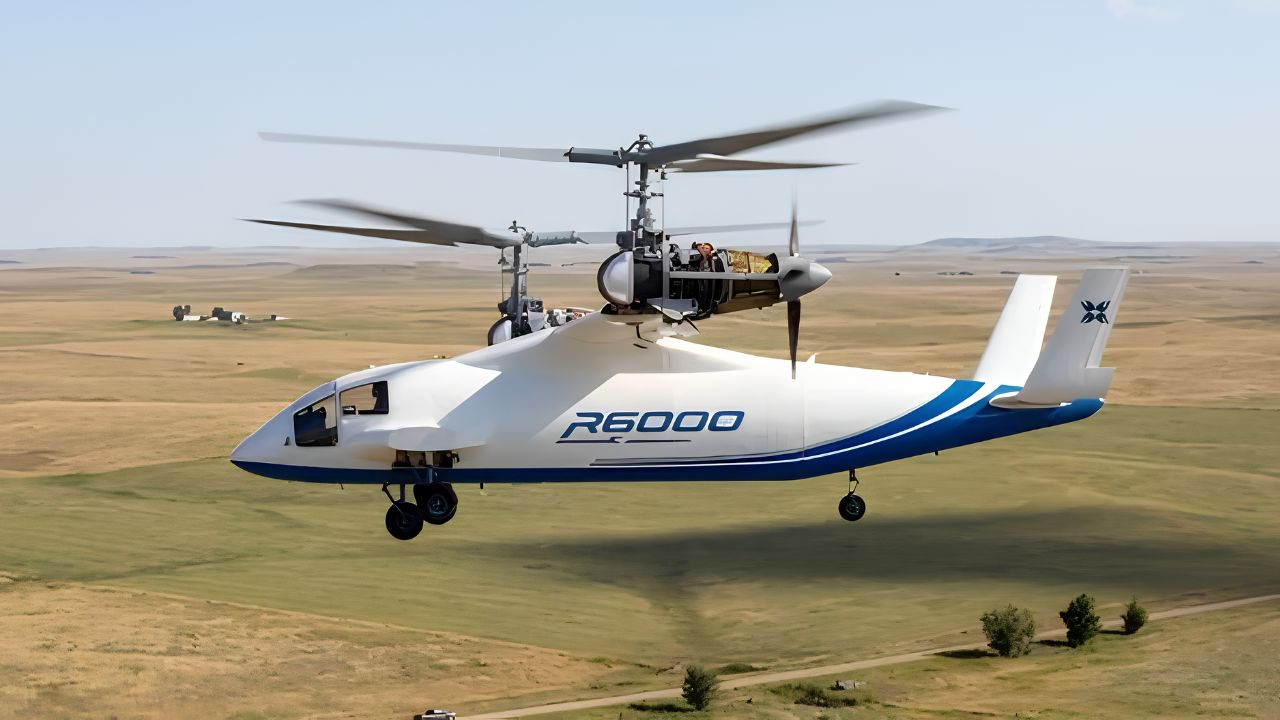
Chinese R6000 Drone Combines Airplane and Helicopter Features, Carries Up to 12 People for Multiple Missions

Why Did Anvisa Determine The Recall Of The Lots
The decision for Anvisa to recall Ypê soap lots after bacterial contamination occurred after Química Amparo LTDA, the manufacturer of the Ypê brand, identified the presence of the bacteria during internal analyses.
Pseudomonas aeruginosa is a microorganism easily found in damp environments and has a high survival capacity, raising alarm when detected in household products.
According to the regulatory agency, the determination is preventive and aims to avoid consumers using potentially contaminated units.
Which Ypê Soap Lots Were Recalled By Anvisa
In the official announcement, Anvisa orders the recall of Ypê soap lots after confirmed bacterial contamination and lists three different lines of affected liquid laundry detergents. They are:
Liquid Laundry Detergent Ypê Express.
Lots: 170011, 220011, 228011, 203011, 181011, 169011, 169011, 205011, and 176011.
Liquid Laundry Detergent Tixan Ypê.
Lots: 254031 and 193021.
Liquid Laundry Detergent Ypê Power Act.
Lots: 190021, 223021, and 228031.
What Química Amparo Says About The Decision
In an official statement, the responsible company claims that the agency’s publication is a direct consequence of analyses conducted by the company itself.
According to the statement:
“This is a preventive and cautionary measure applied to 14 specific lots of laundry detergents.”
The company further emphasizes that, according to Anvisa and considering the normal use of the product involving dilution in water and no prolonged contact with the skin, the risk to consumers is low.
Química Amparo adds:
“Química Amparo had already identified the need for the recall and communicated it to the market, with information disseminated across all official channels of the brand.”
Risks Associated With The Identified Bacteria
The contamination highlights why Anvisa orders the recall of Ypê soap lots after bacterial contamination.
Pseudomonas aeruginosa can cause different types of infections, especially in people with open wounds, low immunity, or conditions requiring greater care with opportunistic microorganisms.
Among the most common risks are:
Skin, urinary, and respiratory infections.
Worsening conditions in immunocompromised individuals.
How Should The Consumer Proceed Now
Consumers who possess any of the cited lots should immediately suspend the use of the products.
The recommendation is to keep the packaging and contact Ypê directly for guidance on exchange, return, or reimbursement.
The company maintains operational customer service channels to handle each case, reinforcing transparency throughout the recall process.