Portuguese
  Spanish


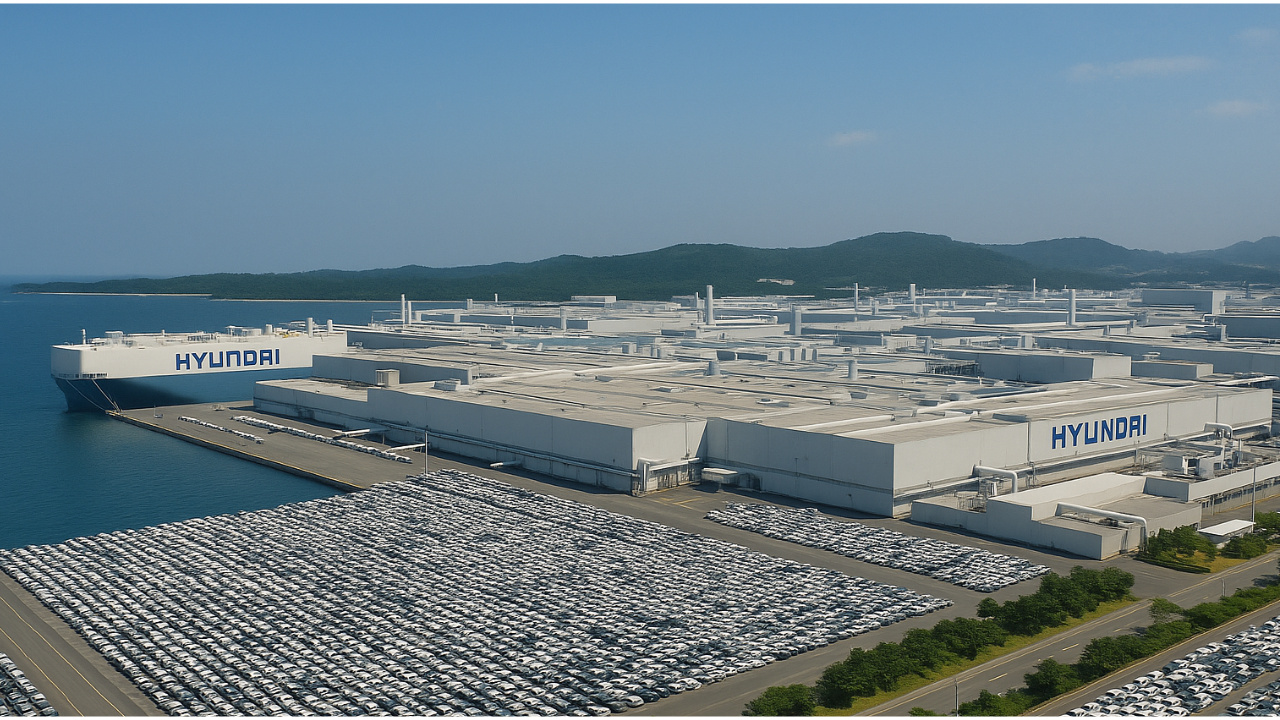

With Integrated Structure and Own Ship, Hyundai’s Factory in Ulsan Is the Largest in the World and Produces 1.5 Million Cars a Year, Exporting to About 200 Countries.
Hyundai built more than just a car factory in southeastern South Korea. In Ulsan, the South Korean brand erected one of the largest industrial complexes in the history of the automotive industry.
The site houses a complete ecosystem, with assembly, testing, storage, and vehicle export — all within the same territory.
Korean Efficiency: 10 Cars Per Second
Operating 18 hours a day, Hyundai’s production lines maintain an impressive cadence. Every second, about 10 cars come to life on the automaker’s assembly lines.
-
1983 Chevrolet Runs Over 100,000 km Without Gasoline, Powered by Wood Chips, Reaches 125 km/h in Airport Test

-
Workshop Converts Giant Tractor Tire Tricycle into a Three-Wheel Drive Hybrid with 36,000-Watt Electric Motor Capable of Climbing Hills

-
Sales of Brazil’s Cheapest Electric Car Halted Before First Deliveries: E-Motors Suspends Emova Easy Due to Import Tax Increase and Rising Freight Costs

-
Nissan Discontinues Qashqai SUV Amid Cost-Cutting, Chinese Competition, and Product Line Review


The number is impressive: over the course of a year, around 1.5 million vehicles are produced — double the total manufactured by the entire United Kingdom in 2024, even with its 25 active factories.
This pace is only possible thanks to the impeccably integrated logistics. After assembly and quality control, the cars go straight to the shipping yard, which is located within the complex itself.
Port, Ship, and Direct Export
Hyundai eliminated intermediate steps by integrating a port into its industrial center. This way, it avoids land transport to external terminals. The cars are stored by the seaside, ready for shipment.
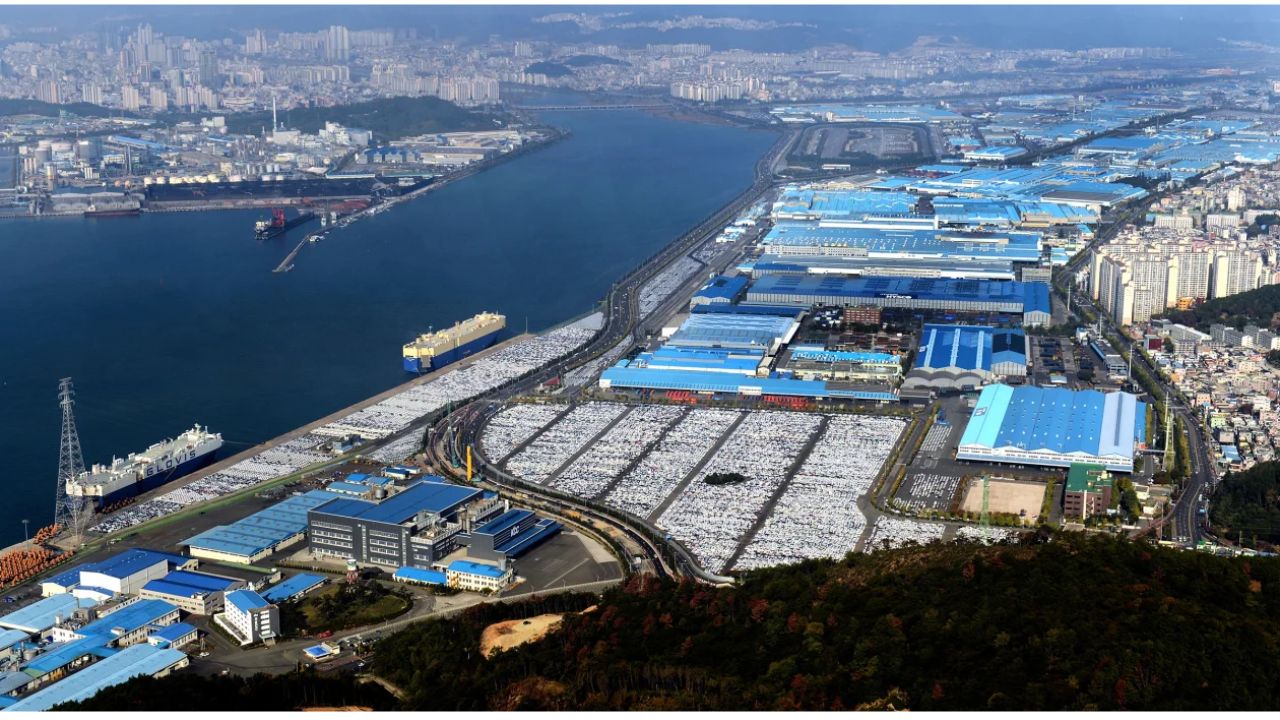
Ships up to 380 meters long and 11 decks transport, each, about 6,000 cars.
Destinations mainly include California in the United States, with trips lasting about 13 days. The export cycles are continuous and extremely organized.
Hyundai’s Plans for the Future
Currently, Hyundai produces 17 different models in Ulsan. Among them are SUVs like the Tucson and premium vehicles from the Genesis brand.
The future is also on the company’s agenda: by 2026, a new factory will be dedicated exclusively to the production of electric cars.
This expansion reinforces the commitment to innovation and the growing demand for sustainable solutions.
Furthermore, the vehicles manufactured in Ulsan supply about 200 countries, strengthening the brand’s presence across all continents.
With information from the site AutoPapo