Portuguese
  Spanish


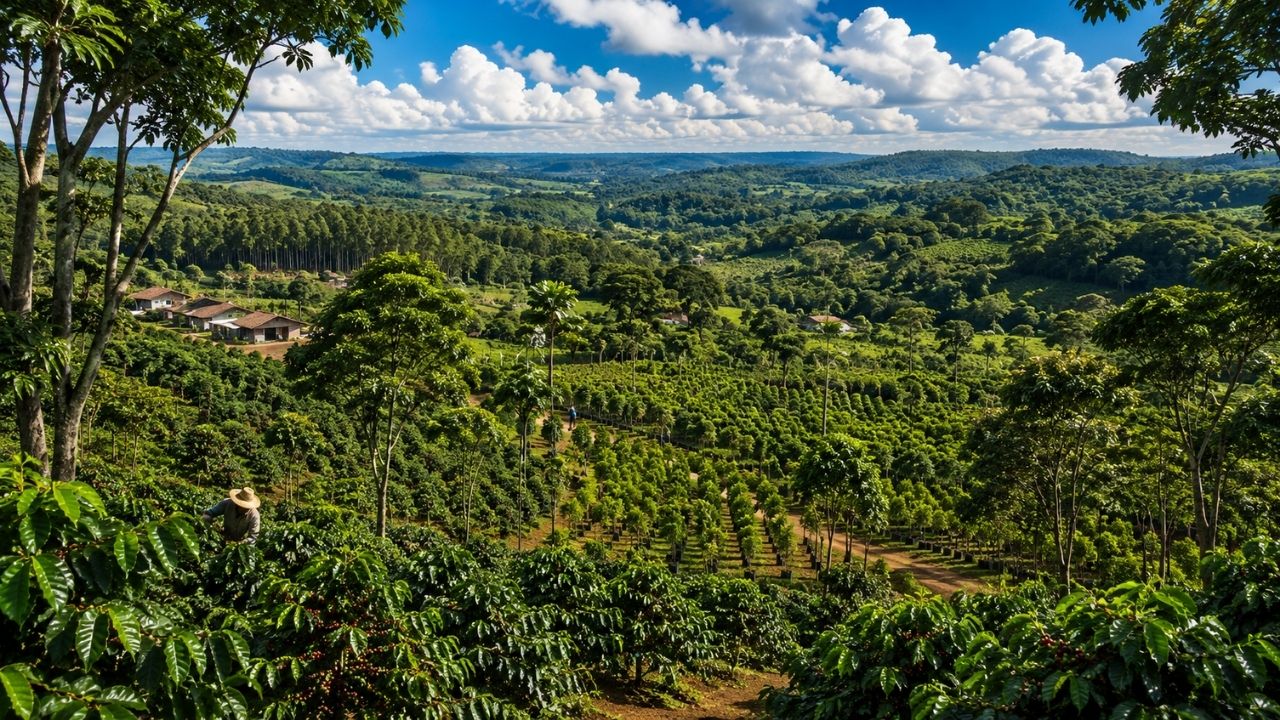

In Pontal do Paranapanema, trees planted by settlers total 10 million and expand the reforestation of the Atlantic Forest since 2002. The Corridors of Life, by IPÊ, has recovered 6 thousand hectares, records wildlife returning, and aims for 75 thousand hectares by 2041, with local income, nurseries, agroforestry, and community work in western São Paulo.
In western São Paulo, trees planted by families of agrarian reform settlers have already changed the landscape of Pontal do Paranapanema and expanded the reforestation of the Atlantic Forest. The Corridors of Life initiative, conducted by IPÊ, has recovered more than 6 thousand hectares since 2002, with about 10 million native trees.
According to a Mongabay report published on January 26, 2026, the project takes place in municipalities in the far west of São Paulo and aims for a larger goal: to restore 75 thousand hectares of priority areas by 2041, an area compared to the surface of New York City. The action involves settlers, researchers, nurseries, rural startups, and agroforestry systems.
Settlements became the basis of a giant reforestation project
Pontal do Paranapanema, in the far west of São Paulo, was once marked by the intense loss of native vegetation. Where the interior Atlantic Forest dominated part of the landscape, deforestation, livestock, monocultures, and land conflicts advanced. Today, part of this history is beginning to be rewritten with trees.
-
Flushing Toilet Paper in Brazil Could Gradually Damage Home Plumbing, Experts Warn

-
Meet the Fascinating Cassowary: The Bird That Resembles a Dinosaur, Runs Like an Athlete, Crosses Rivers with Ease, and Plays a Crucial Role in Tropical Forests
-
Brazil Deploys Water-Landing Ambulance Planes in the Amazon, Cutting Travel Time from 3 Hours to 12 Minutes to Reach Isolated Communities

-
Early Commercial Flights Used Wicker Chairs Without Seatbelts to Save Weight Before Modern Safety Standards Transformed Air Travel


The Corridors of Life project was born from the articulation between environmental conservation, science, and community work. The proposal is to connect forest fragments, recover degraded areas, and create green pathways for wildlife to circulate between forest patches that were previously isolated.
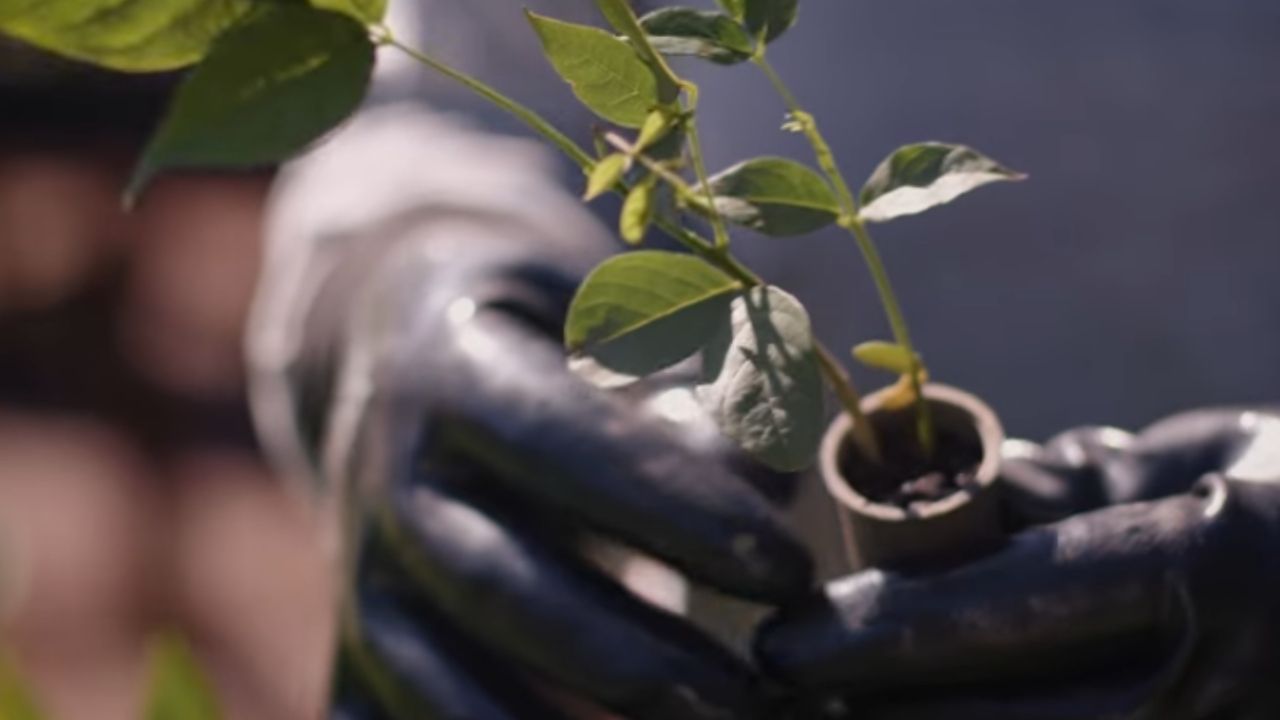
The initiative gained scale because it was built with the participation of agrarian reform settlers and their families. These are people who know the territory, live in the region, and have started to work directly in planting, maintenance, seedling production, seed collection, and ecological restoration.
What was once seen only as a degraded area has become a front for work, income, and environmental reconstruction. In this case, the forest does not appear separate from the community; it grows alongside the local economy.
Ten million trees changed 6,000 hectares since 2002
Since 2002, the reforestation effort has resulted in 10 million trees planted and over 6,000 hectares restored. The number represents a concrete change in a region that once had municipalities with very low native vegetation indices.
The restoration uses species from the Atlantic Forest, such as ipês, angicos, aroeiras, cedars, copaíbas, guarantãs, paineiras, and pitangueiras. Diversity matters because the goal is not just to “plant green,” but to rebuild ecosystems capable of sustaining life, soil, shade, humidity, and animal circulation.
The future goal is even more ambitious. Corredores de Vida aims to reach 75,000 hectares restored by 2041, in 30 municipalities of São Paulo. According to the project coordinators, recovery is possible because half of the 6,000 hectares already restored was achieved in the last three years.
The scale is impressive because it combines long-term and recent acceleration. It has been more than two decades of technical and community construction, but the most recent results indicate that the pace can increase.
Reconnected Atlantic Forest helps fauna return
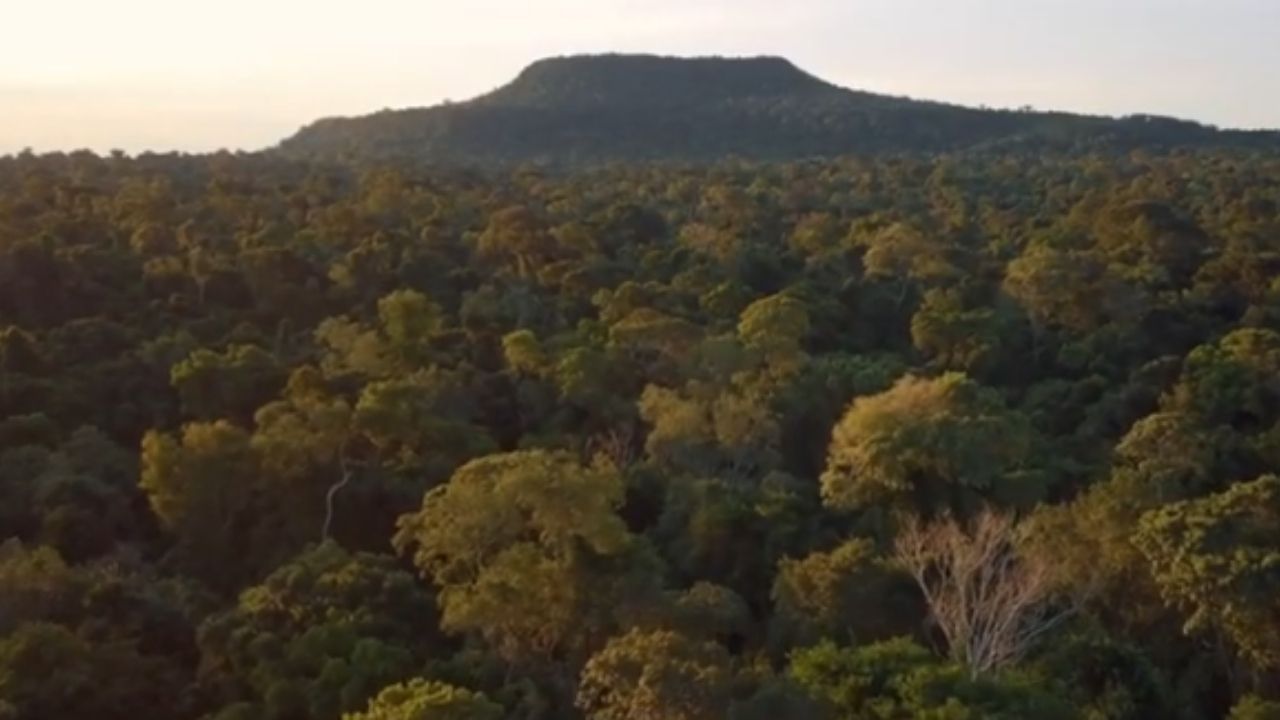
The recomposition of vegetation does not only change the appearance of the landscape. By connecting fragments of the Atlantic Forest, the project creates ecological corridors that allow the movement of birds, mammals, and other animals between areas previously separated by pastures and crops.
In the reforestation areas, conservation programs have already recorded 174 bird species and 29 mammal species. Among the monitored animals, there are endangered species, including the black lion tamarin, which is linked to the origin of conservation work in the region.
One of the most symbolic signs came in 2024, when a jaguar was recorded for the first time in a restored area of the project. The return of a predator of this size indicates that environmental recovery is beginning to form a more complex ecological chain.
Still, regeneration takes time. The recovery of fauna close to that of natural areas can take many years, especially when it comes to mature forests, connectivity, and balance between species. Planting trees is the beginning; forming a functional forest is a long process.
Rural startups turned restoration into work
The forest recovery also created economic opportunities. The project boosted the formation of 21 local companies called rural startups, many of them created by settlers or their children. These teams work on planting and maintaining the restored areas.
An example mentioned in the report is Bispo Ecological Restoration Service, led by Edmilson Bispo and his brother, José do Carmo. The company started with three employees and grew to ten, providing services related to restoration.
These teams received technical and management training, in addition to complying with labor legislation. Thus, the knowledge gained in the project became a service, contract, and source of income for families in the region.
The forest ceased to be just an environmental issue and became an organized economic activity. Instead of relying solely on external projects, local residents began to operate part of the restoration chain.
Agroforestry coffee creates income without cutting down the forest
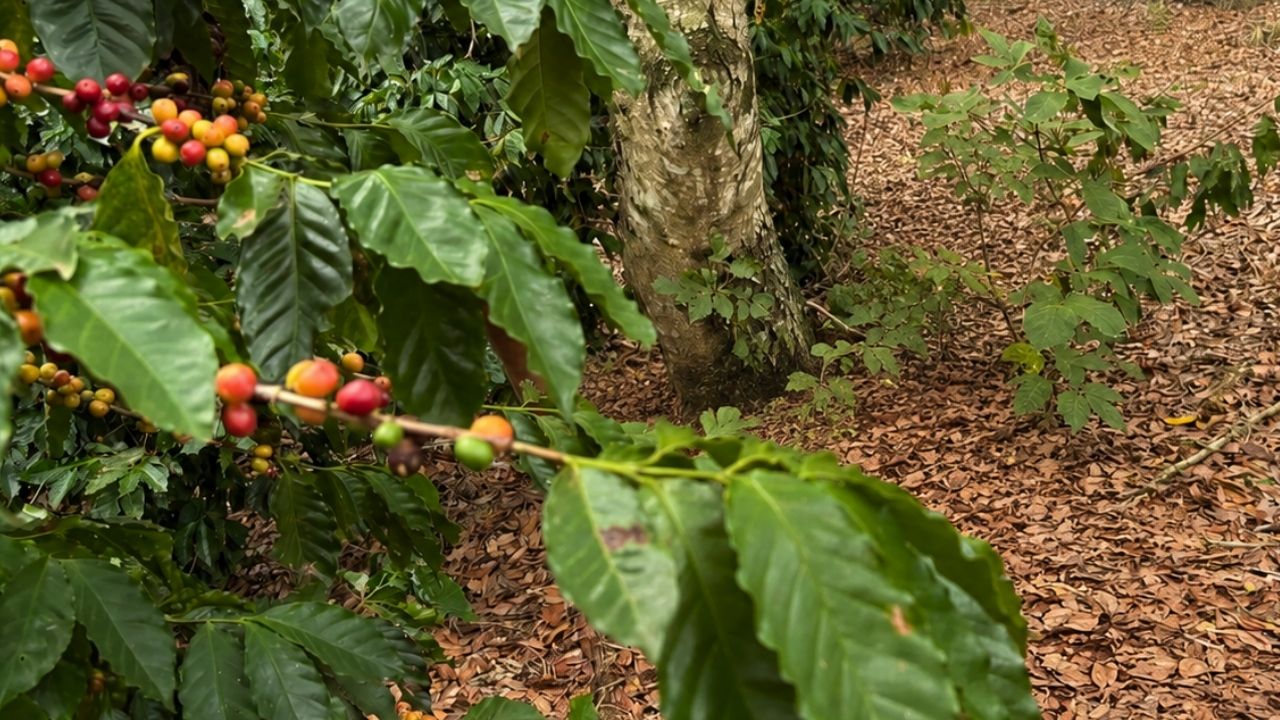
In addition to planting trees, the project also strengthens agroforestry systems. In this model, agricultural production coexists with native species, creating shade, protecting the soil, preserving moisture, and increasing environmental diversity.
Forest coffee is one of the strongest examples. Instead of planting in an exposed and impoverished area, farmers grow coffee among taller trees. The shade helps protect the plants, while the system promotes ecological balance and soil recovery.
The report cites farmers who started producing coffee in agroforestry areas, with harvests aimed at family consumption and selling the surplus. The model creates an income alternative without breaking the restoration logic.
The impact is twofold: the family produces and the landscape recovers. Agroforestry shows that conservation can be integrated into rural life, without treating settlers as obstacles to nature.
Women, nurseries, and training expanded social reach
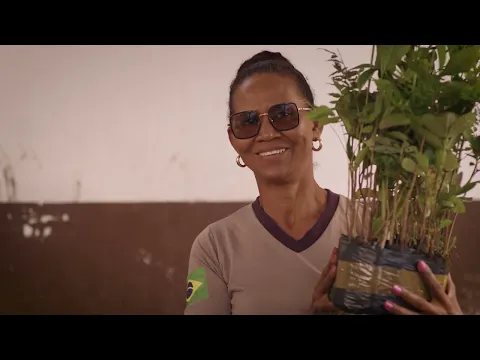

The Corredores de Vida also had effects within the communities. Currently, according to the data presented by the source, the project employs 342 people in the technical team, community nurseries, and forestry companies.
IPÊ estimates that more than 2,000 professionals, mostly agrarian reform settlers, have been trained in agroecology, restoration, and seed collection. This knowledge helps create local autonomy and increases the capacity to keep the project running.
The participation of settled women also appears as an important part of the transformation. In Mirante do Paranapanema, the Cooperative of Settled Women delivered more than 120 hectares reforested through agreements with IPÊ.
In Teodoro Sampaio, the community nursery of the Ribeirão Bonito settlement also generated social impact. With the profit from the sale of seedlings, a local volunteer managed to buy an ambulance to serve the settlers. Restoration, in this case, produced forest and also community service.
Project was born from the conservation of the black lion tamarin
The movement that today involves millions of trees is linked to a small and endangered animal: the black lion tamarin. The species inspired conservation programs in the 1970s and later helped guide broader actions in the territory.
From this work, the Corredores de Vida emerged. The project began to use landscape studies to indicate where the forest should be reborn, connecting strategic areas, springs, rivers, APPs, and forest fragments.
One of the tools used was the so-called Dream Map, built with land data, environmental information, and landscape analysis. The idea is to define priority areas for restoration, forming more efficient ecological corridors.
Currently, 45 rural landowners participate in the initiative, restoring areas required by the Forest Code and helping to form connections between Atlantic Forest fragments. This shows that recovery involves settlements, private properties, scientific research, and territorial articulation.
Challenge is still enormous in the Atlantic Forest
Despite the advances in Pontal do Paranapanema, the challenge of the Atlantic Forest remains significant. The biome is one of the most threatened in Brazil and today conserves less than a third of its original vegetation, according to the data cited by the report.
In Pontal, the landscape still bears the marks of decades of deforestation, livestock farming, and monocultures. The restoration of 6,000 hectares is significant, but it still represents part of a much larger goal. There is potential for recovery in degraded areas that should have been restored and are not yet.
The project also shows that restoring a forest is not just about planting trees and waiting. It is necessary to maintain seedlings, combat invasive grasses, deal with climate, monitor growth, involve landowners, form teams, and ensure resources.
The forest that returns demands persistence. The result appears in numbers, birds, mammals, shade, income, and new landscapes, but it depends on continuous work for years.
Do you think reforestation projects with income generation for local communities should be a priority in Brazil, or does the country still treat environmental recovery as a secondary issue? Leave your opinion in the comments.