






 Portuguese
  Spanish


In Alto da Serra, families from São José dos Pinhais report that they need to pay a toll on BR-277, descend the Serra do Mar and continue to Morretes to return home, on a route that can reach 40 km and worsen with accidents, construction, fog, and trucks every day in a row.
In São José dos Pinhais, Paraná, families from Alto da Serra claim to live an exhausting routine to get home after the closure of returns used on BR-277. The problem affects residents who depend on the highway to go to work, school, market, pharmacy, bank, and other basic services.
In a report released by the Ric RECORD Paraná channel on YouTube, published on 06/09/2026, the drama occurs daily on the route between the Borda do Campo region, Alto da Serra, and the return towards Morretes, after accesses previously used by residents were blocked. The community reports that, since then, they need to pay a toll, face a stretch of the Serra do Mar, and travel kilometers beyond their home entrance to be able to return.
Residents say they pass near home but cannot enter
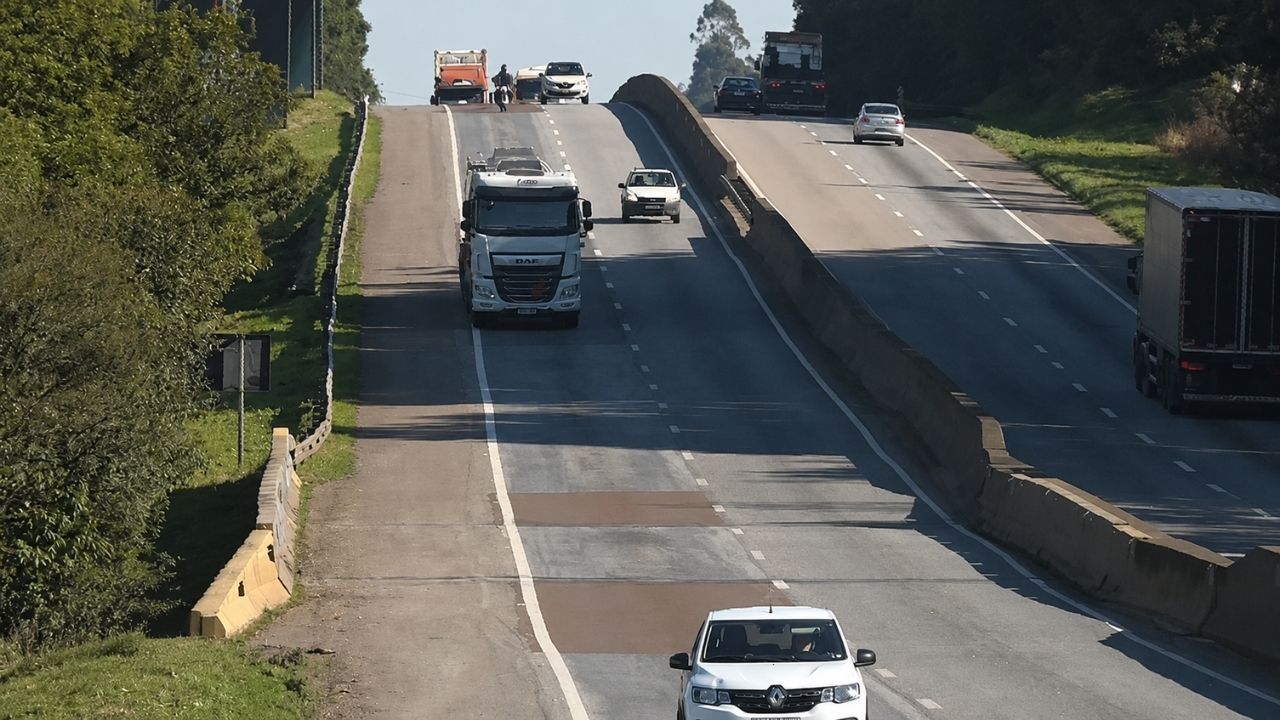
The central complaint of the families is simple to understand and difficult to accept: many residents pass through the region where they live, see the nearby entrance, but cannot access the condominium or community due to lack of return. To reach their destination, they need to continue on the highway, descend a stretch of the Serra do Mar, and only then return.
-
Over 60,000 People Displaced in Brazil’s Maceió After Sinkholes Expose 35 Underground Salt Mines Linked to Braskem Disaster

-
Brazil Sets Record with 9.3 Million Foreign Tourists in 2025, a 37% Increase

-
Brazil’s Grupo Boticário Earned $7.5 Billion in 2025, Now World’s Largest Beauty Retail Network

-
Scientists Warn Extraterrestrial Life May Have Left Clues on Other Planets, But Humans Might Be Missing Them in Space Missions


In practice, in São José dos Pinhais, a journey that could be short turns into a long, expensive, and unsafe trip. The report followed the route taken by residents on BR-277 and showed that the path involves a toll, additional kilometers, mountain stretches, construction, trucks, and points of attention on a busy highway.
The case involves the community of Alto da Serra, in São José dos Pinhais. According to the report shown, about 300 families live in the region and depend on commuting to access services in the Borda do Campo neighborhood or the city center.
The problem does not only appear on days of heavy traffic. It repeats in daily life. Those returning from work, taking children to commitments, going to the market, or needing to resolve something simple outside the home may end up having to take a much longer route than expected.
Toll within the city itself increases the burden on the pocket
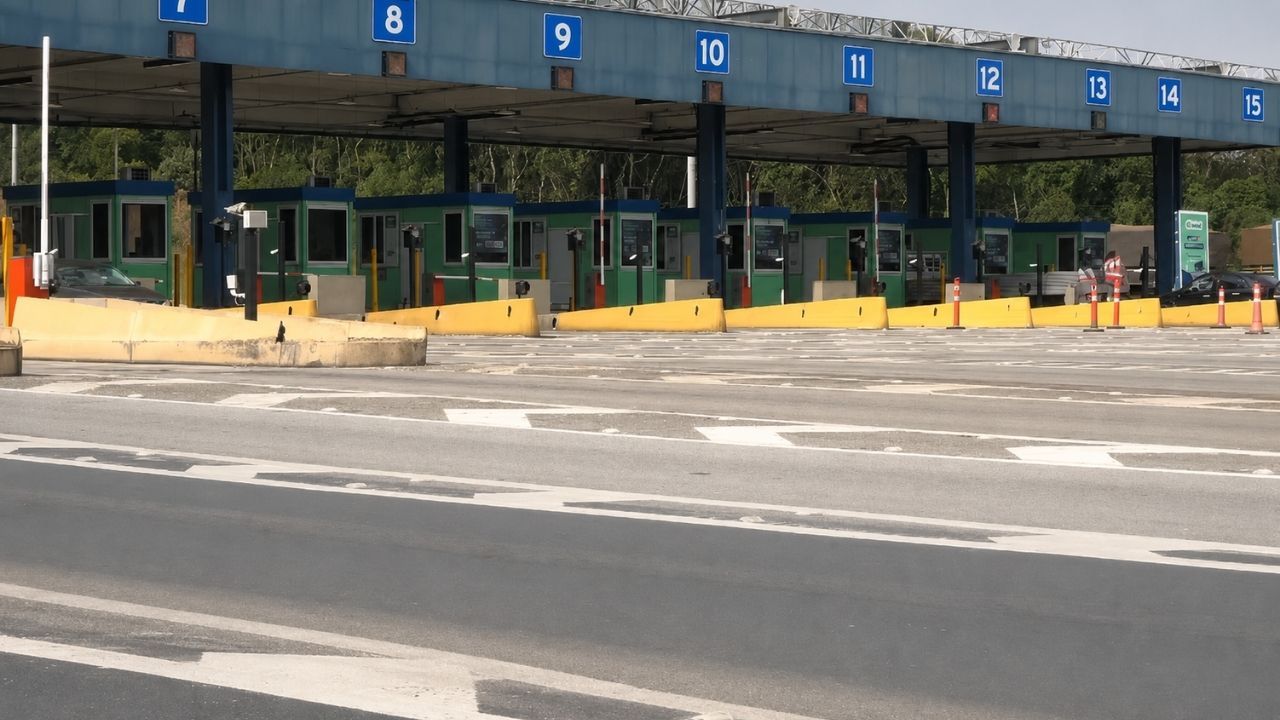
Besides the distance, residents complain about the cost. The source reports a toll charge of approximately R$ 24 on the route, even for those circulating within the municipality itself. For the families, the amount is burdensome because it is not an occasional trip, but a repeated necessity in their routine.
The situation becomes even more difficult when adding fuel, lost time, and vehicle wear. One of the reports mentioned in the article calculates a high daily expense just to make the necessary commute to the return and back home.
The inconvenience is not just in the payment, but in the feeling of paying to access one’s own home. Residents state that there was previously a closer alternative, even if considered inadequate or operational, and that the blockage increased the route.
Without specific exemption and without a nearby return, the cost ceases to be occasional and becomes a fixed expense. For those who work every day outside the community, the monthly bill can compromise an important part of the family income.
Closure of returns extended the route to Morretes
The report mentions the former use of a return at km 56, as well as an operational return at km 49 that was also closed. With this scenario, residents report that they need to go to km 41, already in the Morretes region, to be able to return.
This commute increases the exposure of families to the highway and the mountain stretch. The route passes through areas with vegetation, fog, trucks, and construction points, factors that can make the trip slower and riskier.
According to residents, the detour can reach close to 40 km depending on the starting point and the necessary return. On normal days, it already represents a loss of time. On days of accidents, construction, slow traffic, or blockage, the journey can extend for hours.
What seems like just a road change becomes a problem of everyday mobility. The extra distance affects the time of arriving at work, returning home, children’s routines, and even emergency situations.
Risk in Serra do Mar worries those who depend on BR-277
Serra do Mar is a stretch that requires drivers’ attention, especially during periods of fog, rain, construction, or heavy truck traffic. For residents, being forced to descend and ascend the mountain to access their own homes increases the feeling of vulnerability.
The concern is not just about accidents. Families also mention the fear of being stuck due to slow traffic, collisions, landslides, or traffic interruptions. When this happens, a trip that is already long can turn into an indefinite wait.
A sensitive point raised by residents is emergency service. If someone falls ill or needs an ambulance, the additional detour can delay the arrival of help. The complaint, therefore, goes beyond discomfort in traffic.
The community treats the return as a matter of safety and dignity. For residents, the lack of direct access not only makes the routine more expensive but also increases exposure to risks that could be avoided with an adequate road solution.
Families request a closer return or a solution for the toll

The main demand from residents is the reopening or creation of a return that allows more direct access to the community. Another alternative discussed is a form of exemption or differentiated treatment at the toll for those who live in the region and need to circulate within the municipality.
In the evaluation of families, it makes no sense to pay a toll and drive dozens of extra kilometers just to return to their own neighborhood. The charge and the detour together create a situation that residents consider disproportionate.
During the report, the need for dialogue between public authorities, the concessionaire, and the community was also mentioned. The idea advocated by residents is to find a solution that does not place all the cost and risk on those living in Alto da Serra.
The solution, however, needs to balance road safety and the right of access. Improvised returns can cause accidents, but the complete absence of a nearby alternative also pushes residents to a longer and more dangerous route.
A routine that mixes lost time, expense, and emotional strain
The impact of the problem appears in the sum of small daily losses. It’s minutes or hours in traffic, money at the toll, fuel spent, fear on the road, and accumulated fatigue. For families, the routine has become more than just inconvenient and has started to affect the quality of life.
Residents report that children have already felt unwell, workers arrive late, and simple situations require greater planning. Going to the market, seeking care, studying, or returning from work becomes an operation dependent on the condition of the highway.
The drama is precisely this: the house is close, but the legal and possible path is far. The physical distance to the gate may be small, but the authorized route forces one to follow the highway, pay the toll, and make a return at another point.
This type of problem shows how an access change can change the life of an entire community. For those observing from the outside, it may seem like just a traffic issue. For those living there, it’s a routine that repeats every day.
Do you think residents traveling within their own municipality should have toll exemption, or should the priority be to build a new safe return on BR-277? Leave your opinion in the comments.


