






 Portuguese
  Spanish
  3 min of reading
  0 comments


Remember September 11th, Attack That Killed Almost 3 Thousand People in the US and Transformed Geopolitics and Global Security Protocols.
On September 11, 2001, the United States experienced the greatest tragedy in its recent history, when four planes hijacked by terrorists turned New York and Washington into scenes of devastation.
In this context, the attack that killed almost 3 thousand people not only shocked Americans but also deeply unsettled the entire world.
Moreover, the episode altered security protocols, redefined geopolitical strategies, and consequently inaugurated a new chapter in the 21st century.
-
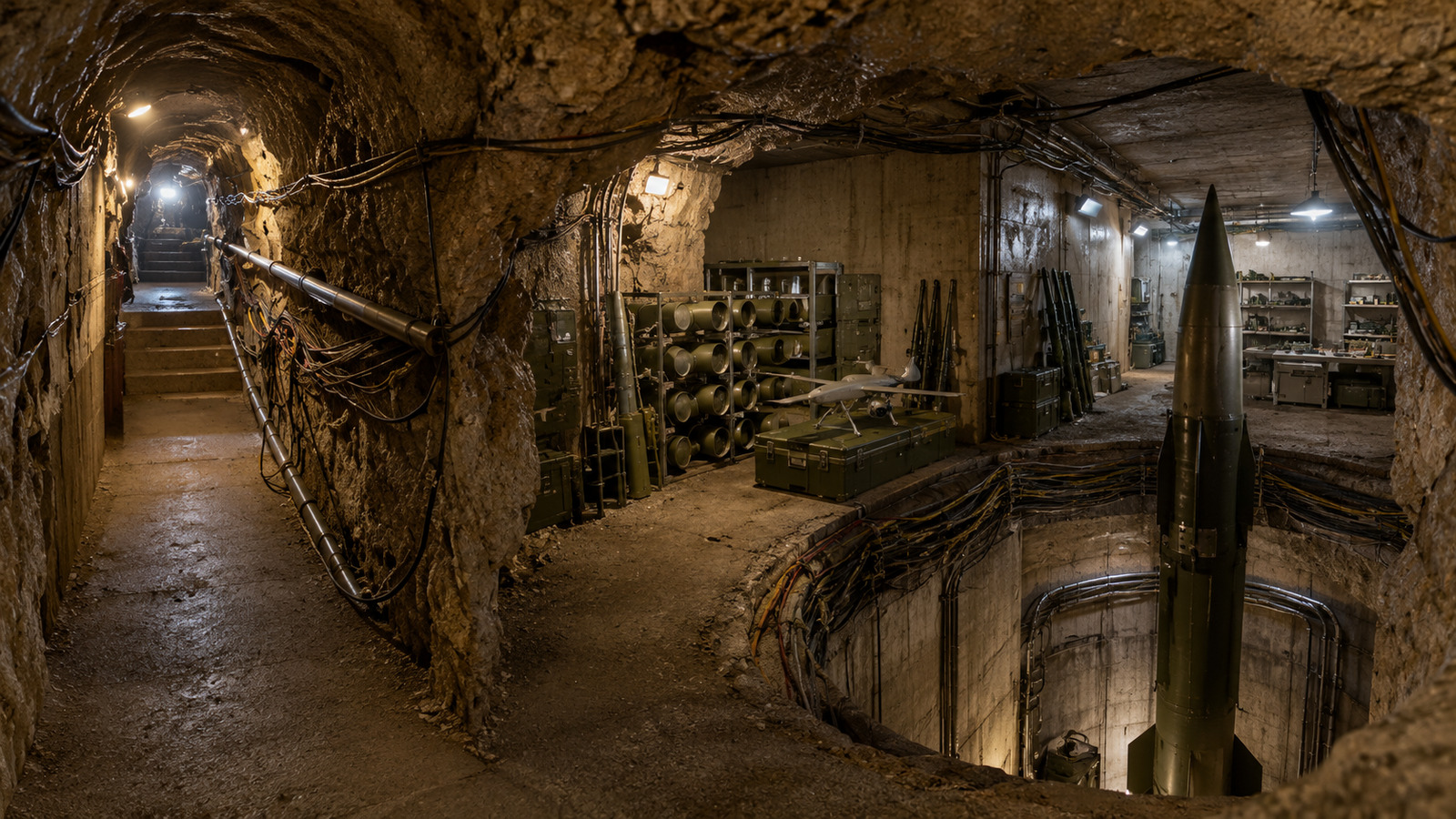
Israel finds Hezbollah militarized tunnel over 200 meters long under village, with 4 missile launch shafts, 12 chambers, anti-tank missiles, drones, and weapons depots at a depth of 25 meters.

-
Ukraine launches largest drone attack on Moscow since 2022, Russia claims to have intercepted nearly 200 aircraft near the capital, Kapotnya refinery targeted again, and offensive reignites alert about war reaching the Russian energy heart just a few kilometers from the Kremlin.

-
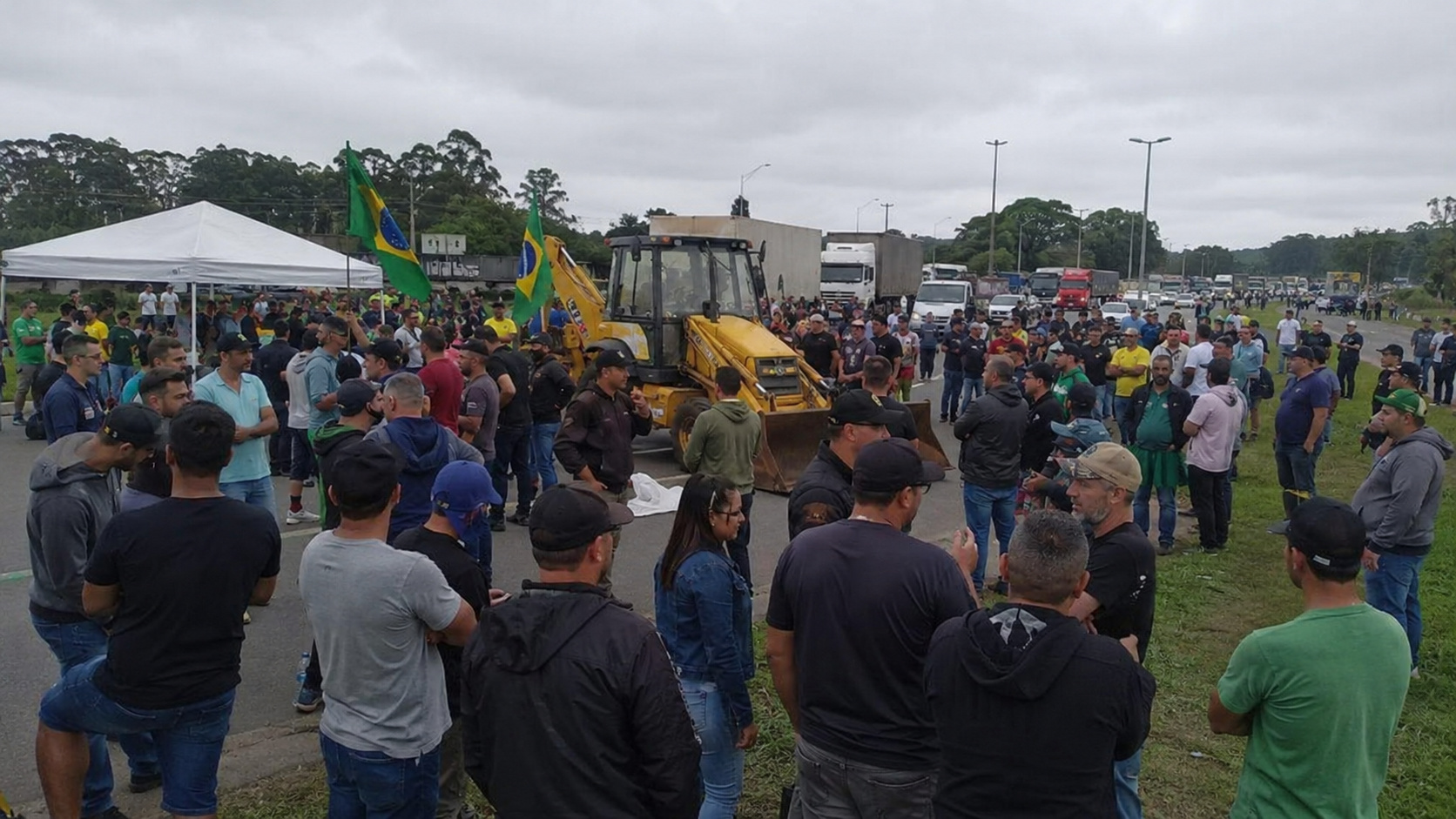
Truck drivers, freight, and fines from 2022 take center stage in politics: Chamber approves MP with amnesty, mandatory tracking by CIOT, million-dollar penalties, and new minimum wage for those who spend more than 24 hours on the road.

-
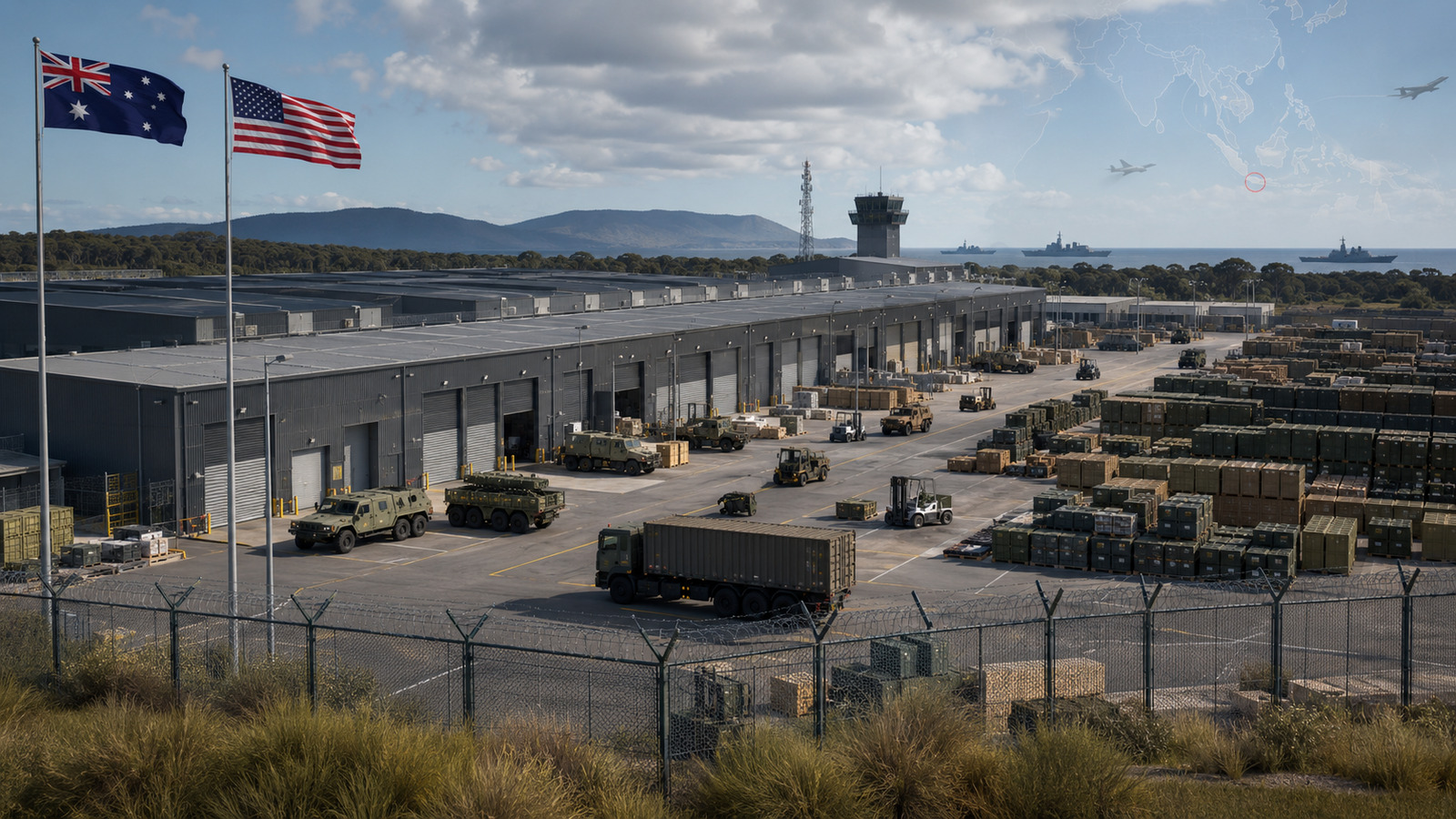
China off the radar: US plans mega $30 million weapons depot in Australia, out of reach of most Chinese missiles, with full capacity expected by 2028

The Tragedy That Paralyzed the Planet
That morning, millions of people around the world watched live as images of the Twin Towers in flames unfolded. Initially, the shock was immense: the first plane hit the World Trade Center and many journalists treated the episode as a possible aviation accident.
However, less than 20 minutes later, the second tower was struck by another plane, making it clear that this was a coordinated attack.
Just over an hour after the impacts, the two buildings collapsed, releasing a dense cloud of dust that covered Manhattan. Thus, the collapse claimed thousands of lives and marked New York in an irreversible way.
Symbolic Targets of the US
In addition to the Twin Towers, two other planes were used in the attack. One hit the Pentagon, the headquarters of the Department of Defense in Washington, demonstrating the intention to directly strike the military heart of the United States.
The fourth plane crashed in Shanksville, Pennsylvania, after passengers reacted against the hijackers, preventing it from hitting another strategic target on American soil.
Who Claimed Responsibility and Why
Shortly thereafter, the terrorist network Al Qaeda claimed responsibility for the attack. Led by Osama bin Laden, the organization justified its attacks as a response to the American military presence in the Middle East and the US support for governments considered enemies of radical Islam.
The episode placed the fight against terrorism as the top priority of American foreign policy and triggered a series of military actions abroad.
Geopolitical Consequences of September 11th
The responses from the United States were immediate. In October 2001, the US government invaded Afghanistan, where Al Qaeda found refuge. This intervention marked the beginning of a war that lasted more than two decades, transforming the political landscape of the Middle East and increasing instability in the region.
Furthermore, the tragedy led to the establishment of stricter security measures at airports around the world, redefining boarding and surveillance protocols. The fear of new attacks shaped American diplomacy and how the US interacted with allies and adversaries in the following years.
The Cultural and Social Impact of the Tragedy
September 11th was not confined to the political and military sphere. The attack also influenced culture, being depicted in films, series, books, and documentaries that tried to explain or honor the victims. The collective memory was profoundly marked, and the event came to symbolize the vulnerability of great powers in the face of global terrorism.
Thus, while September 11th impacted global security, Muslim communities also suffered from stigmatization. Moreover, this scenario resulted in intense debates about prejudice, religious freedom, and civil rights, both within the United States and in other Western nations.
A Memory That Cannot Be Erased
Twenty-four years later, September 11th remains present in the lives of millions of people. Therefore, the attack not only changed security routines across the planet but also redefined surveillance and defense protocols. Additionally, it profoundly altered the way global geopolitics has been conducted throughout the 21st century.
The nearly 3 thousand victims became a symbol of a tragedy that transcends borders and continues to serve as a warning about the risks of extremism. More than a painful reminder, the episode remains a historical milestone, capable of explaining much of the political and social transformations of recent decades.







-

1 person reacted to this.