Portuguese
  Spanish


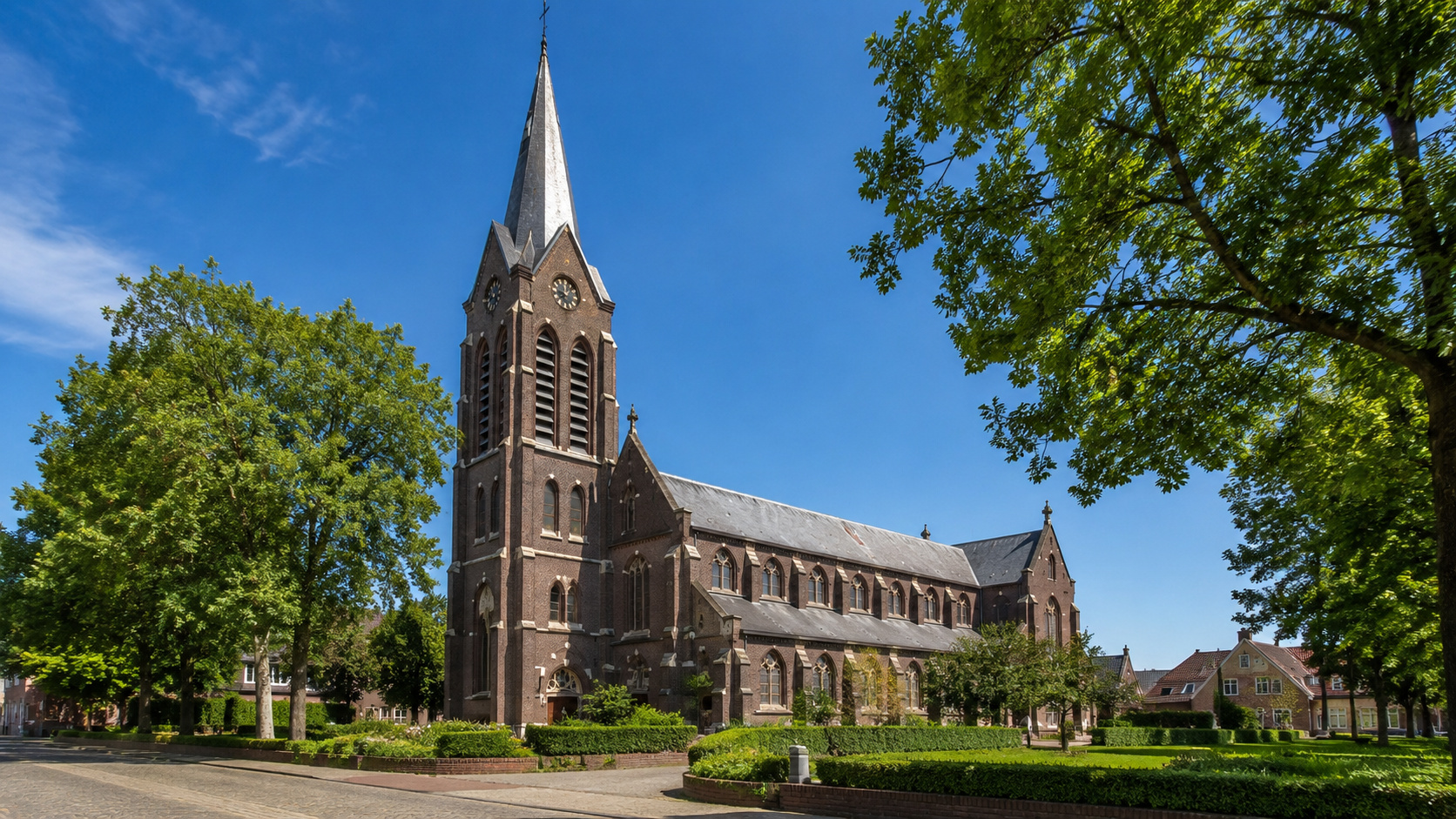

Human remains found in a church in Maastricht raise a historical hypothesis, provoke police investigation, and reignite discussions about archaeological ethics
An unusual case involving archaeology, historical heritage, and police investigation has drawn attention in the Netherlands.
An archaeologist was detained on May 20, 2026 after allegedly keeping a fragment of a humerus and two teeth taken from a skeleton.
The remains may be related to Charles de Batz de Castelmore, known worldwide as d’Artagnan.
-
16-Year-Old Invents CoolTowel, a Fitness Towel That Stays Cold for Up to 2 Hours, Wins Global Alibaba Competition with Over 15,000 Participants, Earning $1 Million

-
Brazil to Install First Operational Quantum Computers in the Northeast and Establish New Center to Boost Technological Sovereignty
-
Potential Starlink Rival: Company Tests 60-Meter Balloon to Deliver 5G Internet Without Satellites, Prepares for Unprecedented Mission in Japan
-
Android Phones Can Detect Earthquakes Before You Feel Them: How Accelerometers in Billions of Devices Confirmed Two Strong Quakes in Venezuela and Warned Residents Seconds in Advance


The French military inspired the famous character of the novel The Three Musketeers, published by Alexandre Dumas.
The identity of the skeleton, however, has not yet been proven by scientific tests.
Skeleton was located in a church on the outskirts of Maastricht
The remains were found in the Church of Saint Peter and Saint Paul, located in Wolder.
The district is on the outskirts of Maastricht, a city located in the south of the Netherlands.
The skeleton became part of a historical investigation into the possible whereabouts of d’Artagnan’s remains.
Information released by the French newspaper Le Figaro indicates that the material would be subjected to scientific and archaeological research.
Experts intended to verify if the bones could really belong to the French military who lived during the 17th century.
Archaeologist was detained after alleged removal of parts of the skeleton
The case took on new dimensions when parts of the skeleton were allegedly removed or kept without official authorization.
The materials associated with the investigation included:
- a fragment of a humerus, a bone located in the arm region;
- two teeth taken from the skeleton;
- elements intended for historical, archaeological, and scientific analyses.
The Dutch police opened an investigation to clarify the circumstances involving the possession of the human remains.
The archaeologist was arrested on May 20, 2026, but was released later the same day.
The authorities continued to analyze how the materials were removed, stored, and kept outside the archaeological set.
Possible Identification of d’Artagnan Still Depends on Science
Researchers seek to clarify the true origin of the skeleton found inside the church of Wolder.
No definitive proof has confirmed so far that the remains belong to d’Artagnan.
The connection remains a historical hypothesis and depends on scientific, archaeological, and forensic examinations.
Outlets like Le Figaro, De Limburger, Dutch News, and NL Times have covered the different aspects of the investigation.
Researchers are working on identifying the bones, while authorities assess the possible irregular removal of materials considered archaeological heritage.
Who was Charles de Batz de Castelmore, the Real d’Artagnan?
Charles de Batz de Castelmore was a French military officer who served as captain of the king’s musketeers under Louis XIV.
His journey inspired Alexandre Dumas in creating one of the most well-known characters in world literature.
D’Artagnan died on June 25, 1673, during the siege of Maastricht.
The exact location of his burial has been surrounded by doubts since the 17th century.
Different hypotheses about the whereabouts of his remains have emerged over the last 353 years.
Case Reignites Discussions on Ethics and Archaeological Preservation
The episode also raised debates about the preservation of human remains found in excavations and historical sites.
Archaeological materials need to be cataloged, conserved, and examined according to scientific and heritage norms.
The removal of any fragment without authorization can compromise research, forensic analysis, and the preservation of the original set.
The case brings together forensic science, archaeology, historical heritage, literature, and police investigation.
New examinations will be necessary to clarify if the skeleton truly belongs to the real musketeer who inspired Alexandre Dumas.
Do you believe that science will be able to confirm the identity of d’Artagnan after more than three centuries? Share your opinion!