Portuguese
  Spanish


Discover the engineering details of Sceye’s balloon, designed to withstand strong winds in the stratosphere and distribute 5G internet in Japan.
A 60-meter-long stratospheric balloon developed by the American company Sceye may become one of the most promising alternatives to expand internet 5G coverage worldwide.
The equipment conducted a 12-day test near the Brazilian coast and is now preparing for a mission in Japan, where it will transmit signals directly to users from 18 kilometers altitude. The technology’s proposal is to function as an aerial telecommunications station, expanding internet access in remote or densely populated regions.
Engineering challenge and balloon operation
The main challenge of the project is to keep the balloon stable and continuously operating in a fixed position in the stratosphere. For this, the structure was designed with a balance between lightness and strength, allowing it to support data transmission systems and customized antennas.
-
Android Phones Can Detect Earthquakes Before You Feel Them: How Accelerometers in Billions of Devices Confirmed Two Strong Quakes in Venezuela and Warned Residents Seconds in Advance

-
Scientists Warn WHO: Cat-Linked Parasite Infects One-Third of Global Population, Poses Risks to Vision, Pregnancy, and Neurological Health

-
NASA Rover Discovers Organic Carbon in Ancient River Region on Mars, Raising Hopes for Past Life

-
Solar Electric Stoves Reduce Firewood Use from 3.4 kg to 0.86 kg Daily in Rwandan Households





Its operation depends on an energy and control system composed of:
- solar panels, which capture energy during the day
- electric fans, powered by stored energy
- position correction system, which adjusts the balloon against strong winds
This set allows the balloon to remain in a strategic position for constant signal transmission. The technology was tested in an experimental flight near the Brazilian coast, where it remained in operation for 12 consecutive days.
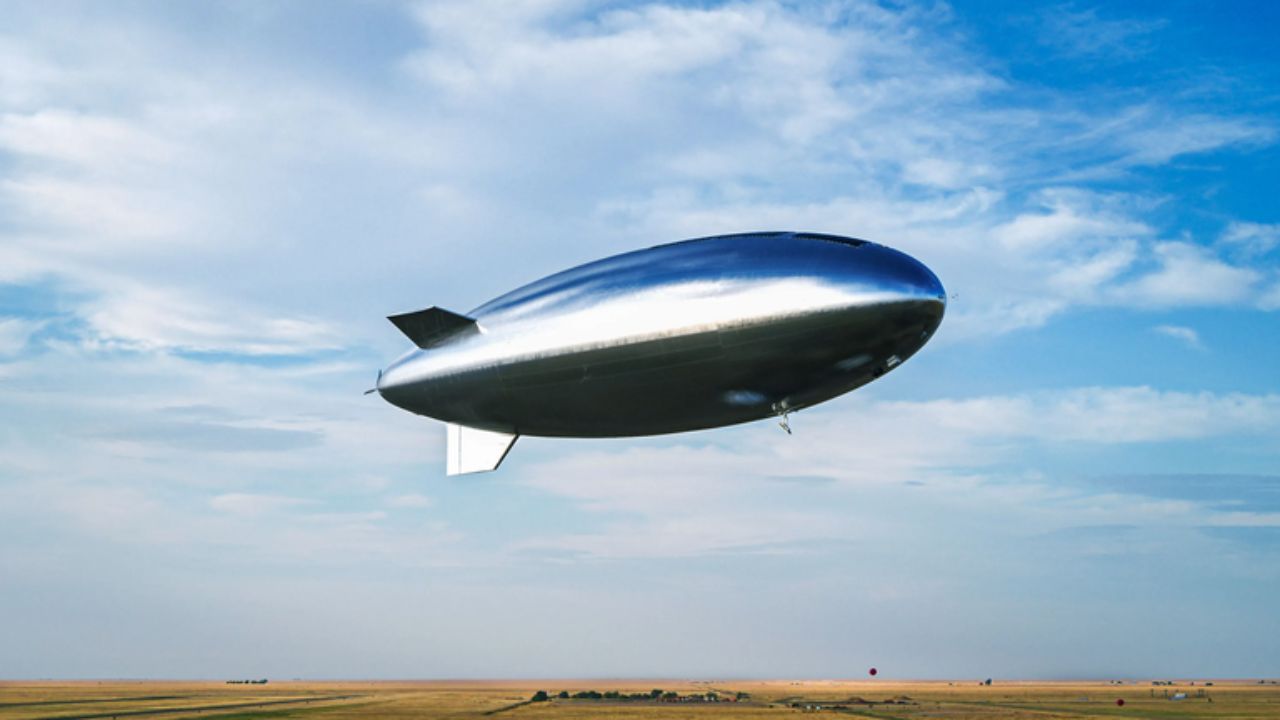
During this period, the balloon managed to maintain stability for more than 88 hours at specific geographic points, demonstrating control capability in real wind and altitude conditions. The success of the test served as technical validation for the next phase of the project, which includes a mission to Japan.
Mission in Japan and 5G operation
The next stage involves positioning the balloon at about 18 kilometers altitude in Japanese airspace. The operation will be carried out in partnership with the operator SoftBank, with the aim of providing 5G connection directly to devices on the surface.
The proposal is to complement terrestrial networks and offer more efficient coverage in areas of difficult access or high traffic demand. The technology is known as HAPS (High Altitude Platform Station), an aerial connectivity model that operates in the stratosphere.
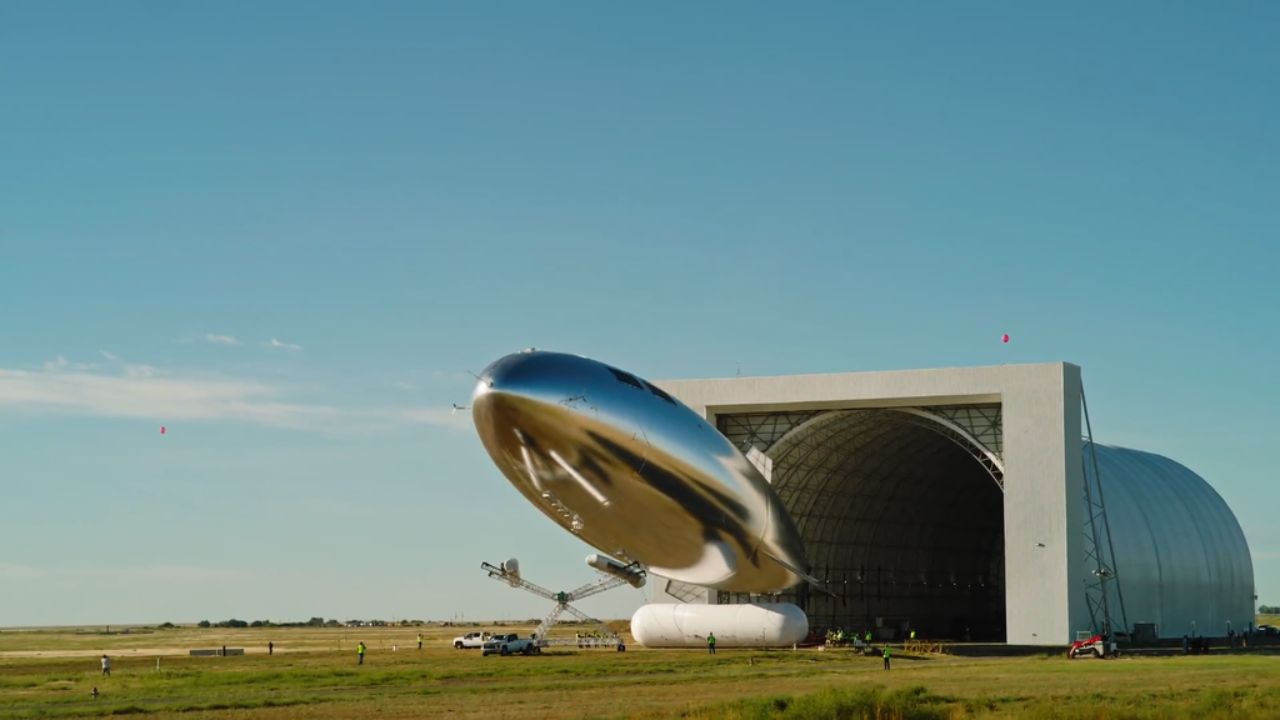
Being much closer to the surface than low orbit satellites, this solution allows signal transmission with lower energy consumption and lower latency.
Thus, HAPS platforms are seen as a complementary alternative to satellite constellations, such as those used in global space internet services.
With information from CanalTech