Portuguese
  Spanish


Project linked to Smithsonian lost support in Congress after changes regarding trans women, inclusion, and location of the future building in Washington
The United States Women’s History Museum faces a new political blockade in Washington.
The House of Representatives rejected, on May 21, 2026, the project related to the installation of the future building on the National Mall.
The vote ended with 216 votes against and 204 in favor, according to information released by the American press.
-
European Parliament Approves Digital Euro, Aiming to Challenge Visa and Mastercard’s Dominance and Transform Payments Across Europe by 2029

-
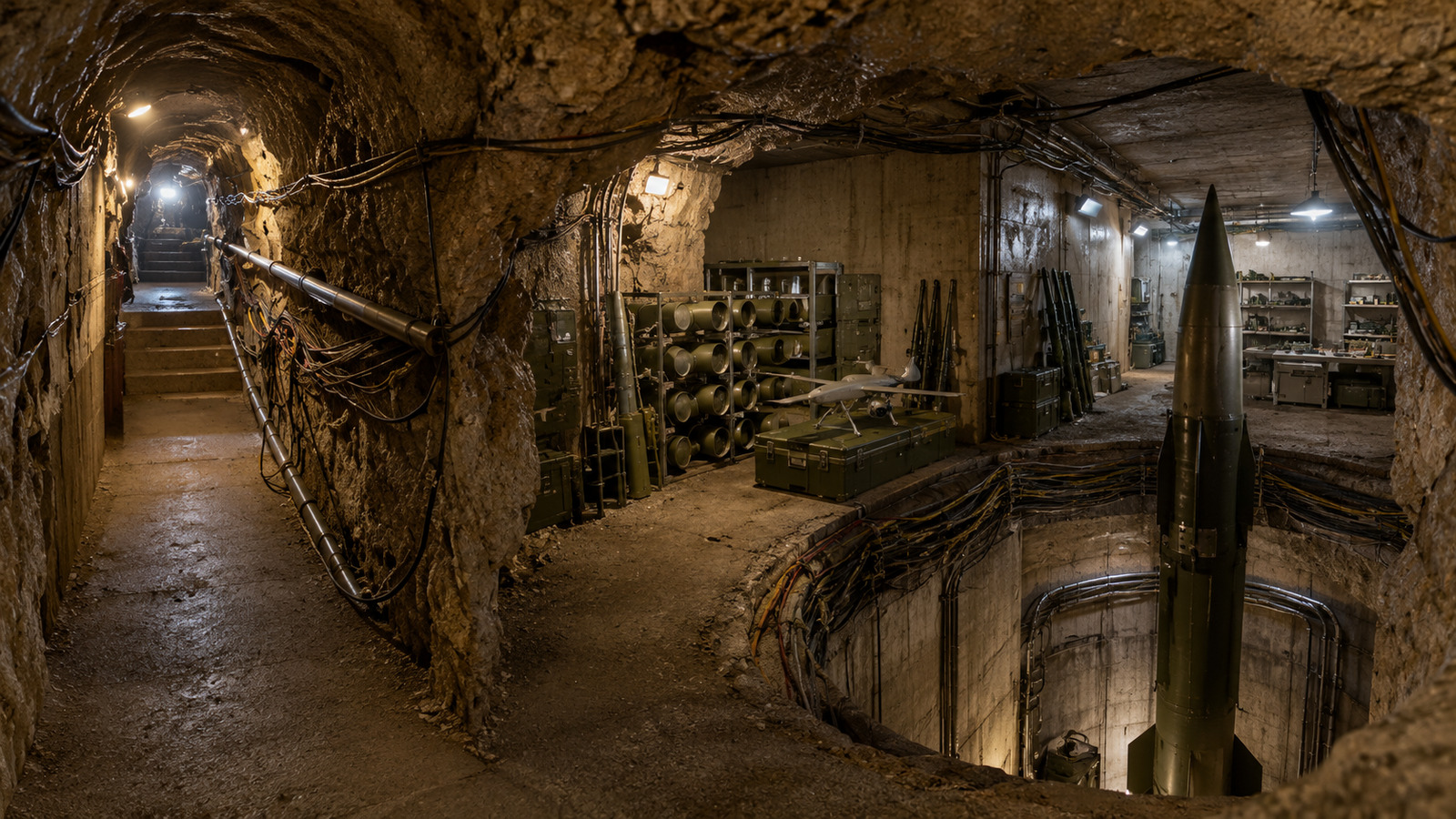
Israel finds Hezbollah militarized tunnel over 200 meters long under village, with 4 missile launch shafts, 12 chambers, anti-tank missiles, drones, and weapons depots at a depth of 25 meters.

-
Ukraine launches largest drone attack on Moscow since 2022, Russia claims to have intercepted nearly 200 aircraft near the capital, Kapotnya refinery targeted again, and offensive reignites alert about war reaching the Russian energy heart just a few kilometers from the Kremlin.

-
Truck drivers, freight, and fines from 2022 take center stage in politics: Chamber approves MP with amnesty, mandatory tracking by CIOT, million-dollar penalties, and new minimum wage for those who spend more than 24 hours on the road.



Changes regarding the representation of trans women broke the previously built support between Republicans and Democrats.
The result, however, did not officially end the museum. The institution remains linked to the Smithsonian Institution, although it remains without its own building open to the public.
Women’s History Museum was created in 2020
The United States Congress authorized the creation of the museum on December 27, 2020.
Since then, the institution has become part of the structure of the Smithsonian, responsible for important museums and cultural centers in Washington.
The project aims to present the historical, political, scientific, social, and cultural contributions of women in the United States.
The vote held in May 2026, therefore, did not discuss the legal existence of the museum.
The rejected project mainly dealt with defining a space to build the institution’s permanent headquarters on the National Mall.
Trans women become the center of political dispute
The proposal initially received support from members of the two main American parties.
A House committee approved, in March 2026, an amendment related to the content of future exhibitions.
The change would prevent the presentation of content about trans women within the museum’s historical narrative.
Other restrictions related to diversity and gender identity were also included in the project.
Democratic lawmakers, in light of these changes, withdrew support for the proposal.
Republican congressmen, in turn, argued that the exhibitions should follow criteria based on biological sex.
Building location increases the deadlock
The choice of the site for the future building also widened the differences in Congress.
The project aimed to ensure the construction of the museum on the National Mall, an area that houses monuments and historical institutions of the United States.
A change included in the text would allow President Donald Trump to designate another location for the project.
Critics of the measure stated that this possibility would compromise the visibility and independence planned for the museum.
The initiative, previously treated as bipartisan, ended up being transformed into a political dispute over representation, public space, and presidential power.

Debate exceeds the limits of the museum
The The New York Times reported that conservative lawmakers questioned the curatorial and conceptual criteria of the institution.
The main criticisms involved the presence of trans women in the historical narrative that would be presented to the public.
The Associated Press highlighted that the proposed changes led to the loss of Democratic support.
The The Washington Post, in turn, pointed out that the impasse broke a political consensus built over several years.
The discussion, thus, ceased to involve only the creation of a cultural space.
The museum came to represent a national dispute over gender, inclusion, diversity, and public memory.
Cultural institutions face increasing pressure
Museums, universities, and cultural centers face increasing political pressure in the United States.
Educational content, curatorial criteria, and inclusion policies have come to occupy a significant space in legislative debates.
Conservative groups consider certain approaches ideological and advocate for limits on content about gender identity.
Supporters of the project argue that the museum should present perspectives historically marginalized by official narratives.
The controversy reveals, therefore, how cultural institutions have become central points of American political polarization.
What will happen to the Women’s Museum?
The Museum of Women’s History remains officially integrated into the Smithsonian Institution.
The construction of a permanent headquarters, however, still lacks a location definitively approved by Congress.
A new proposal will need to regain the necessary political support to advance in the House of Representatives.
The future building will also depend on an agreement regarding curatorial criteria, gender identity, and historical representation.
The institution remains active, but its physical opening to the public still lacks a concrete definition.
In your opinion, should a museum dedicated to women’s history present different interpretations of gender and identity? Share your opinion!