Portuguese
  Spanish


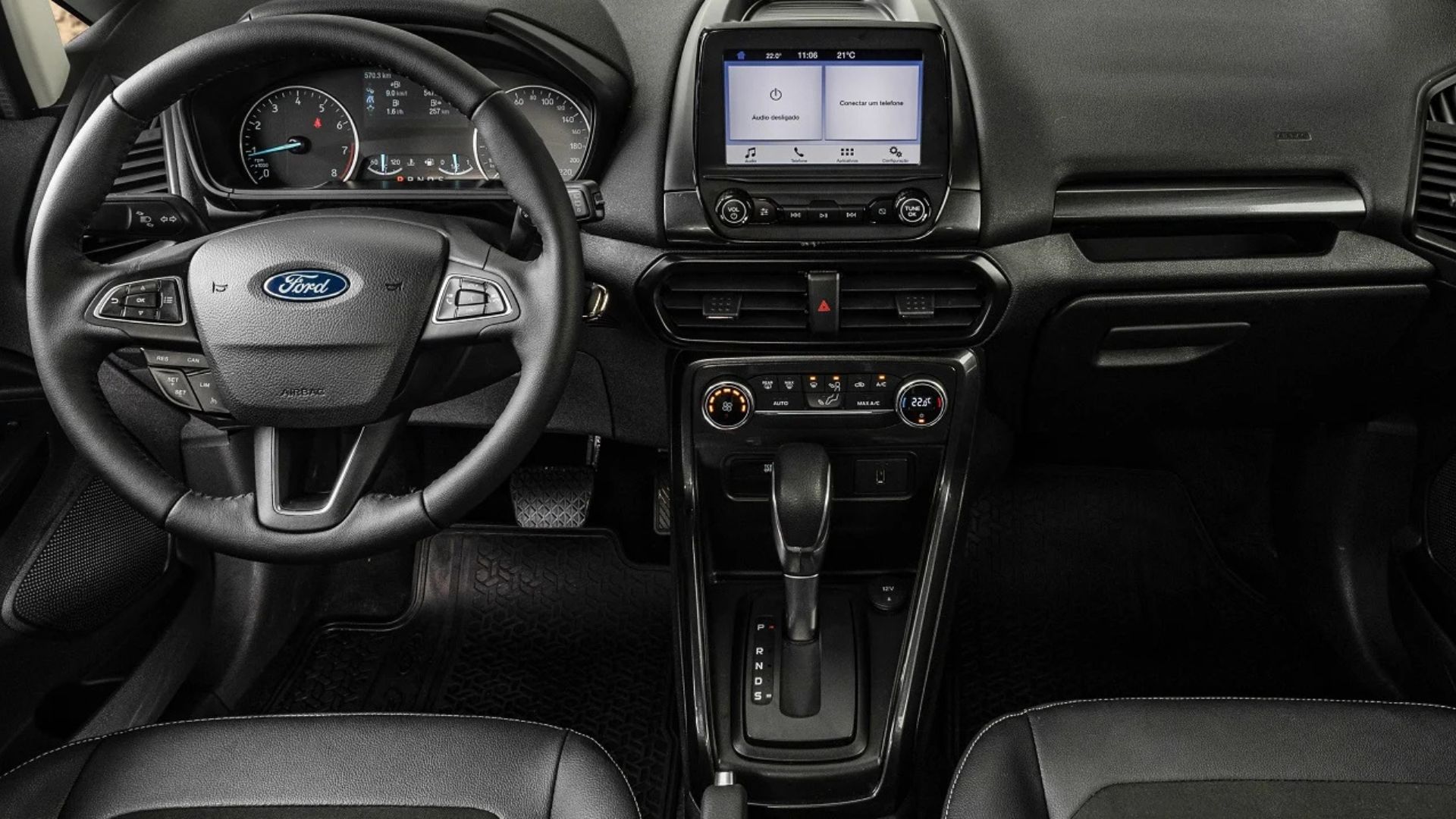


Used Ford Models Below R$ 20,000 Feature Engines Ranging from 1.0 to 2.0, Traditional Automatic Options, and Designs That Shaped the Brazilian Market, Including Urban Compact, Versatile Hatch, Pioneering SUV, and Mid-Size Sedan with Above-Average Performance for the Price Range.
Four used Ford models appear with advertisements below R$ 20,000 and combine engines from 1.0 to 2.0 liters, very different proposals, and a notable history in the country, from urban compacts to an SUV that paved the way for an entire segment.
The brand was among the largest in the Brazilian market for decades, in direct competition with Chevrolet, Fiat, and Volkswagen, until it ended vehicle production in Brazil in January 2021, when it announced the closure of its factories in the country.
Since then, the local operation has relied on imports and a smaller network of dealerships, focusing on higher-margin segments, while pickups like the Ranger have gained centrality in the company’s strategy and communication.
-
1983 Chevrolet Runs Over 100,000 km Without Gasoline, Powered by Wood Chips, Reaches 125 km/h in Airport Test

-
Workshop Converts Giant Tractor Tire Tricycle into a Three-Wheel Drive Hybrid with 36,000-Watt Electric Motor Capable of Climbing Hills

-
Sales of Brazil’s Cheapest Electric Car Halted Before First Deliveries: E-Motors Suspends Emova Easy Due to Import Tax Increase and Rising Freight Costs

-
Nissan Discontinues Qashqai SUV Amid Cost-Cutting, Chinese Competition, and Product Line Review



Even with the shift, Ford remains strong in the search for used vehicles, supported by a large fleet and models that circulated in high volume, which maintains a constant supply of units and parts in the parallel and independent market.
The prices mentioned in this selection were observed in advertisements published in January 2026, organized from the lowest to the highest price, respecting the cap of R$ 20,000 and the selection of four cars.
Ford Ka 1997 to 2007: Accessible Urban Compact
Launched in Brazil in 1997, the first-generation Ford Ka arrived with a rounded design, two doors, and a very urban proposal, and the cheapest units are usually from the first years, now valued by those seeking simplicity.
In these initial configurations, the Ka features a 1.0 Endura engine with about 53.5 hp and 7.86 kgfm of torque, a basic setup, but known for straightforward maintenance, with performance suited for everyday use and low purchase cost.
In advertisements starting from R$ 12,900, units with varying equipment levels appear, and items such as air conditioning and radio may be present in the more complete versions, although they depend on the year and the package chosen by the first owner.
As it is a car that is nearly three decades old in some cases, the biggest difference between a good deal and a headache usually lies in the condition, the history of maintenance, and the state of wear items such as suspension, cooling system, and brakes.
Ford Fiesta 2002 to 2004: 1.0 and 1.6 Engines in the Entry Level
The Fiesta has a long history in Brazil, and in the entry-level segment, the most common advertisements focus on units from the early 2000s, a period when the model gained scale and began to compete with direct rivals in the compact segment.
For prices close to R$ 13,900, it is possible to find versions with a 1.0 Zetec Rocam engine with 65 hp and 8.9 kgfm of torque, usually gasoline-powered, aimed at economy and urban use, without the expectation of sporty responses.
Still in this generation, the 1.6 Zetec Rocam Fiesta with about 95 hp and torque around 14.1 to 14.3 kgfm appears as an alternative for those who drive more or take the highway, offering superior power without changing the maintenance logic.
In addition to the hatch, sedan advertisements are frequent for those prioritizing trunk space, and the equipment list changes significantly depending on the version, with power steering and air conditioning present in many units but far from being universal.
Ford EcoSport 2003 to 2007: Pioneering Compact SUV
Introduced in 2003, the EcoSport is associated with the birth of the compact SUV in Brazil, with a formula that later became popular, based on a higher body, adventurous style, and a platform derived from a hatch, in this case, the very Fiesta.
In advertisements starting from R$ 19,900, first-generation units prevail, and the most common mechanics combine a 1.6 engine with power around 98 hp and torque of 14.3 kgfm, sufficient for urban use and road sections with moderate driving.
For those seeking performance, the 2.0 Duratec EcoSport with around 143 hp and torque between 18.2 and 19.2 kgfm may appear in the same generation selection, which noticeably alters the vehicle’s behavior.
Another relevant difference lies in the transmission, as some versions come with a conventional four-speed automatic transmission with a torque converter, a distinct solution from automated transmissions that became known for problems in other periods and projects in the industry.
In general, air conditioning and power steering are common features in this phase of the EcoSport, but checking functionality and any modifications is crucial, especially in cars that have gone through many owners and different workshops.
Ford Focus Early 2000s: Mid-Size with 2.0 Engine
The Focus arrived in Brazil in 2000 and stood out for its less traditional lines for the time, as well as a praised dynamic setup, and the more affordable units today are usually from the early 2000s, in hatch and sedan bodies.
In these older units, the 2.0 Zetec engine with about 130 hp and 18.2 kgfm of torque places the model above compacts, although fuel consumption and the cost of some parts also rise compared to 1.0 hatches.
In more recent advertisements for the model, even if not always below R$ 20,000, there are also records of the 2.0 Duratec flex setup with power up to 148 hp and torque close to 19.5 kgfm, often paired with the four-speed automatic.
In the price range analyzed, the purchase usually depends less on the badge and more on the car’s condition, as the difference between a well-maintained Focus and a neglected unit shows up in suspension noises, leaks, overheating, and history of fluid changes.
With prices below R$ 20,000, the four models showcase how Ford’s used fleet still offers a diversity of proposals, from the simple compact to the pioneering SUV, through a mid-size model with a 2.0 engine that delivers relevant performance within this investment range.