






 Portuguese
  Spanish





Have you ever thought about owning a mid-sized SUV and inevitably found yourself considering a used Jeep Compass? The model attracts attention with its robust image, sophisticated design, and the reputation of the Jeep brand. However, those looking to invest in this vehicle need to be aware: despite its commercial success, the Compass has accumulated reports of recurring problems that can compromise the user experience and the owner’s wallet. Knowing the main chronic defects of the used Jeep Compass is the best way to avoid regrets at the time of purchase.
Jeep Compass: Fame and Reality in the Used Market
The Jeep Compass gained traction among consumers seeking an intermediate SUV, positioned above the Renegade and below the Cherokee. The model became a status symbol, but over time, owners began to report issues that reveal weaknesses in the engineering. These defects appear in automotive forums, complaints on specialized websites, and even in independent workshops.
High Fuel Consumption
One of the most talked-about chronic defects of the used Jeep Compass is related to fuel consumption. In the versions equipped with a 2.0 flex engine, the numbers can disappoint, especially in urban routes. Frequent reports indicate averages below 7 km/l with ethanol and just over 9 km/l with gasoline. For a mid-sized SUV, these figures weigh heavily on the budget of those who drive daily. This factor leads many to give up the Compass after a few months of use, especially when compared to competitors like the Toyota Corolla Cross and Honda HR-V, which deliver better efficiency ratings.
-
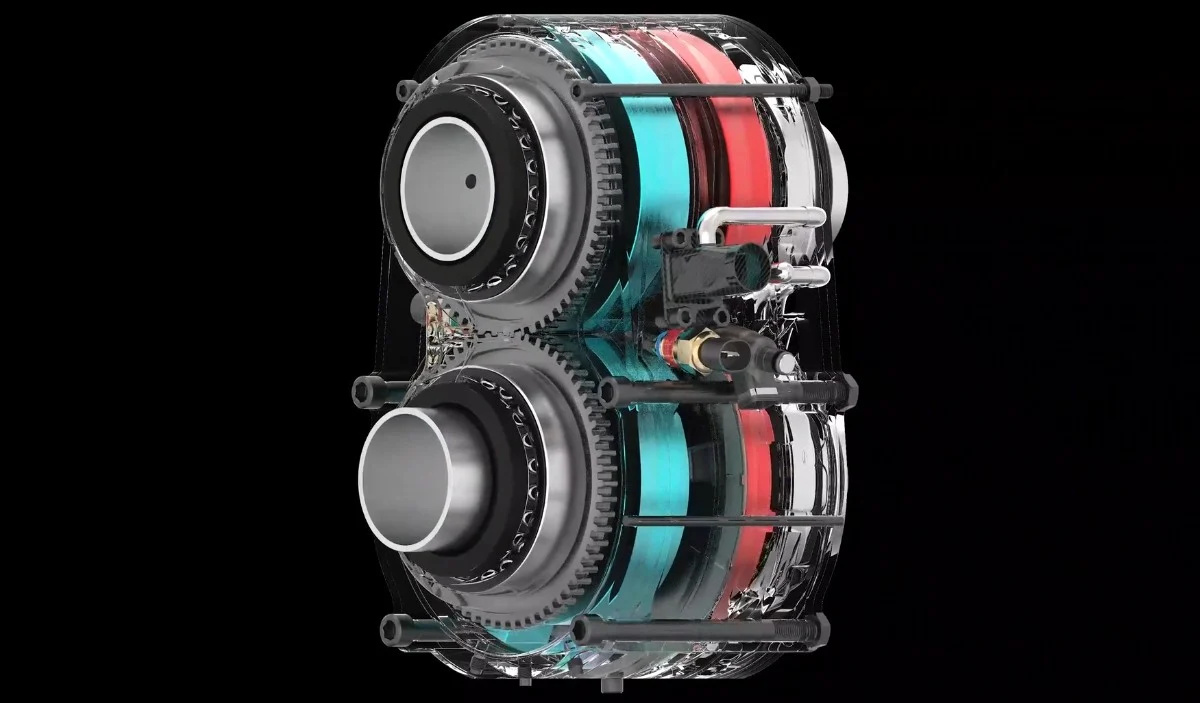
Suitcase-sized hydrogen engine spins at 25,000 rpm, nearly doubling the efficiency of conventional cars and replacing exhaust smoke with water vapor

-
1983 Chevrolet Runs Over 100,000 km Without Gasoline, Powered by Wood Chips, Reaches 125 km/h in Airport Test

-
Workshop Converts Giant Tractor Tire Tricycle into a Three-Wheel Drive Hybrid with 36,000-Watt Electric Motor Capable of Climbing Hills

-
Sales of Brazil’s Cheapest Electric Car Halted Before First Deliveries: E-Motors Suspends Emova Easy Due to Import Tax Increase and Rising Freight Costs




Problems with the Automatic Transmission
Another chronic defect of the used Jeep Compass lies in the 6 or 9-speed automatic transmission. Owners report jerking during shifts, slow responses, and malfunctions that require software updates. In some cases, there has been a need for costly repairs, involving the replacement of internal components. For those considering purchasing a used Compass, the ideal is to conduct a detailed test drive, checking the transmission’s behavior in different situations, such as quick accelerations and inclines. This precaution can prevent unexpected expenses of thousands of reais.
Noisy Suspension and Frequent Maintenance
The suspension system of the Jeep Compass is also among the critical points. Many drivers report annoying noises on uneven surfaces and premature wear of parts such as bushings, pivots, and shock absorbers. This defect, while not rendering the car unusable, reduces comfort and increases the need for workshop visits. In areas with pothole-riddled streets, the problem tends to intensify, generating constant maintenance costs. Before purchasing, it is worth submitting the vehicle to a complete inspection at a trusted workshop, with special attention to the suspension.
Electronic and Multimedia Failures
The Jeep Compass, across all its generations, places a strong emphasis on embedded technology. However, this aspect has become a point of complaint. Failures in the multimedia center, connectivity errors with Android Auto and Apple CarPlay, malfunctioning parking sensors, and error messages on the dashboard are common. Although many of these issues can often be resolved with simple software updates, there are not rare cases that require the replacement of electronic modules. This significantly increases maintenance costs, making the used Compass a challenge for those seeking peace of mind.
How to Evaluate a Used Jeep Compass Before Purchase
When analyzing a used Jeep Compass, it is essential to check the service history at the dealership, verify if there are records of software updates applied, and, most importantly, test all electronic equipment. Evaluating the transmission’s behavior and the condition of the suspension are mandatory steps. Additionally, more recent versions of the Compass have received improvements that minimized some of the problems reported in the early years of production. Diesel versions, for example, tend to be more praised, although they naturally present higher maintenance costs.
Is It Worth Investing in a Used Compass?
The answer depends on the buyer’s profile. Those who value comfort, interior space, and the Jeep brand may find the Compass to be a good partner for daily use and trips. However, it is necessary to accept that the fuel consumption is not the most economical and that the chronic defects require constant attention. For some drivers, these limitations are offset by the design and status that the SUV provides. For others, the cost-benefit ratio becomes unfavorable when compared to more economical and reliable rivals.
Regardless of the choice, the most important thing is not to ignore the reports of chronic defects in the Jeep Compass. Being aware of these points helps the buyer negotiate the price better, demand complete reports, and avoid problems that could turn the dream of owning an SUV into a headache.




Para quem quer problemas; compra um compass..
Estou no meu terceiro Compass, até hoje sem problemas. Claro, faço todas as manutenções preventivas. Quem precisar de carros mais econômicos, temos várias opções no mercado, com o Renault Kwid, o Fiat Mobi e o Chevrolet Onix, excelentes carros também.
Peguei em 2018 um Longitude diesel novo. Fiquei 5 anos com o carro e nunca deu problemas. Compraria de novo, tranquilo.