Portuguese
  Spanish


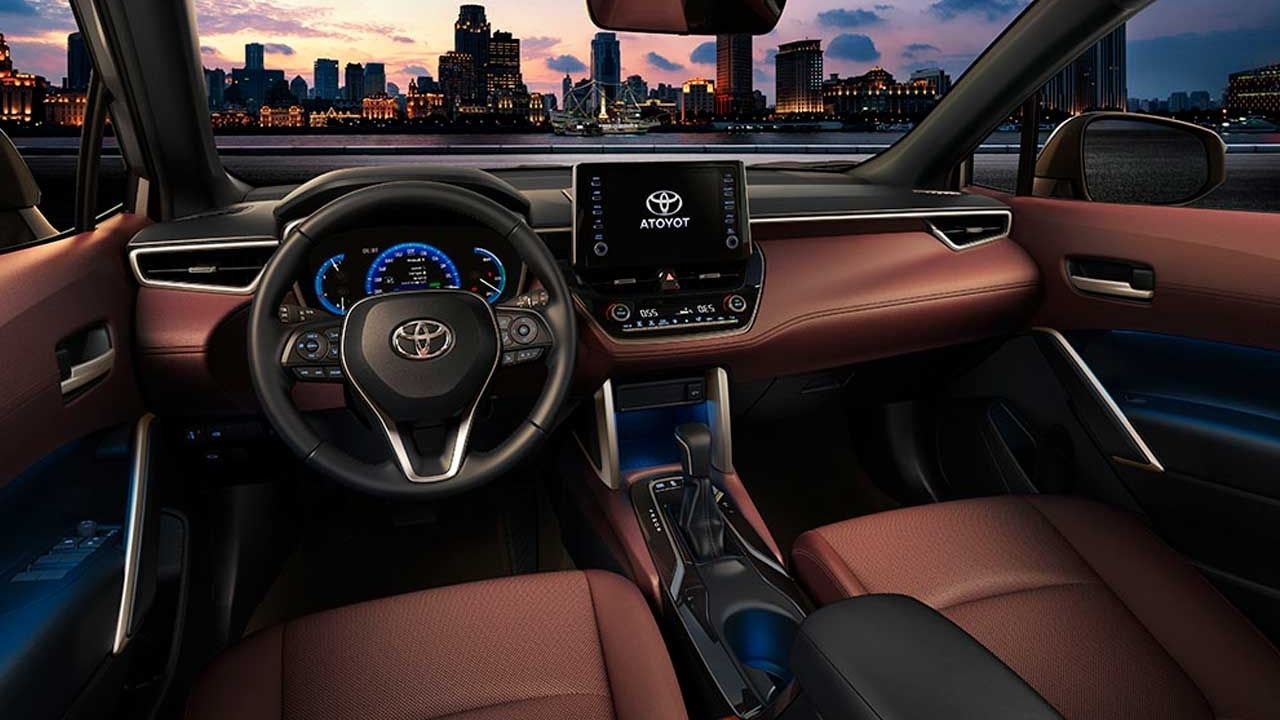

Cars Like Chevrolet Onix, Citroën, Fiat Titano and Corolla Cross Were Severely Criticized in Brazil and Have Undergone Significant Improvements Over Time.
Launching a car in Brazil is a test of endurance. Pothole-filled streets, attentive consumers, and active social media ensure that any flaw quickly comes to light, and cars were criticized.
Some models, even promising ones, began their journeys surrounded by criticism. Still, well-executed adjustments changed the course of these stories.
In recent years, manufacturers needed to act quickly to reposition vehicles that didn’t please immediately.
-
1983 Chevrolet Runs Over 100,000 km Without Gasoline, Powered by Wood Chips, Reaches 125 km/h in Airport Test

-
Workshop Converts Giant Tractor Tire Tricycle into a Three-Wheel Drive Hybrid with 36,000-Watt Electric Motor Capable of Climbing Hills

-
Sales of Brazil’s Cheapest Electric Car Halted Before First Deliveries: E-Motors Suspends Emova Easy Due to Import Tax Increase and Rising Freight Costs

-
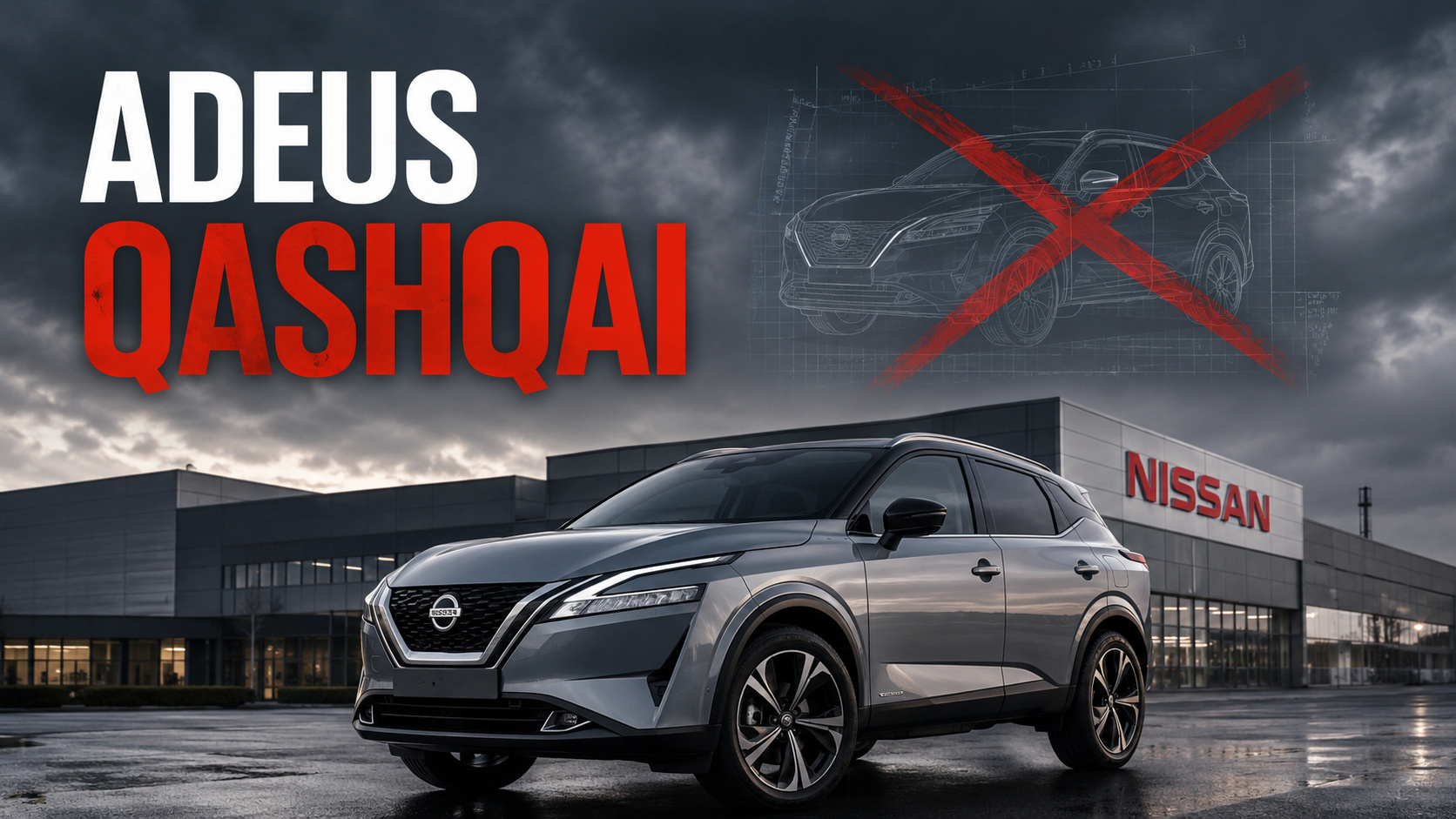
Nissan Discontinues Qashqai SUV Amid Cost-Cutting, Chinese Competition, and Product Line Review


The result was a series of criticized cars that underwent relevant improvements and today occupy a prominent place in the market.
These cases demonstrate, in practice, how criticized cars improved when the industry listens to the public.
See the 5 Cars Criticized by Brazilians and Now Are Better
BYD Dolphin Mini: Fine Tuning Transformed the Experience
The BYD Dolphin Mini arrived in 2024 with a clear message: to be one of the most affordable electric vehicles in Brazil.
The futuristic look, compact size of 3.78 meters, and environmental appeal quickly won over consumers.
On the other hand, the dynamic performance left something to be desired. The suspension, inherited from the original Chinese project, did not adapt well to Brazilian conditions.
Reports of harsh impacts and lack of stability at higher speeds spread.
The correction came quickly. With new calibration, the model became more balanced.
Corolla Cross: When Details Matter More Than Mechanics
The Toyota Corolla Cross has never been questioned for reliability. Still, some design choices raised eyebrows right at the launch.
The pedal-operated parking brake was seen as outdated for a modern mid-size SUV.

Additionally, the exhaust with silver finish drew negative attention.
Although these were aesthetic and ergonomic issues, the impact on consumer perception was real.
Toyota responded with targeted changes, such as painting the exhaust black, while keeping the mechanical set intact.
Fiat Titano: Deep Corrections After the Criticism
The arrival of the Fiat Titano marked the brand’s debut in the mid-size pickup segment. However, the launch in 2024 was accompanied by strong criticism.
The 2.2 turbo diesel engine with 180 hp did not deliver the expected performance for the truck’s size.
The suspension also became a target of complaints, especially for its excessive stiffness, which affected comfort. The public’s feedback came swiftly and intensely.
As a result, Fiat promoted a technical restructuring. The engine now produces 200 hp and 45.9 kgfm, the steering became electric, and the suspension received new adjustments.
Citroën Revises the Design of Its Cars and Improves Quality Perception After the Criticism
The current line of Citroën also underwent a review process. C3, Aircross, and Basalt faced criticism regarding the interior finish and practical solutions, such as the position of the power window controls.
In the 2026 line, the brand implemented significant changes. The dashboard now features softer surfaces, and the key no longer resembles that of a motorcycle but has been changed to a folding type.

In the Aircross and Basalt, the window controls migrated to the doors.
Chevrolet Onix: Structural Change to Regain Credibility After the Criticism
The Chevrolet Onix and Onix Plus faced scrutiny since adopting the turbo engine with an oil-bathed timing belt.
Cases of premature wear generated insecurity among consumers, even when maintenance did not follow the brand’s recommendations.
In 2025, Chevrolet decided to overhaul the setup. The belt was changed to a more durable material, the models received a refreshed look, and the warranty was extended to five years.
With information from Auto+