Portuguese
  Spanish


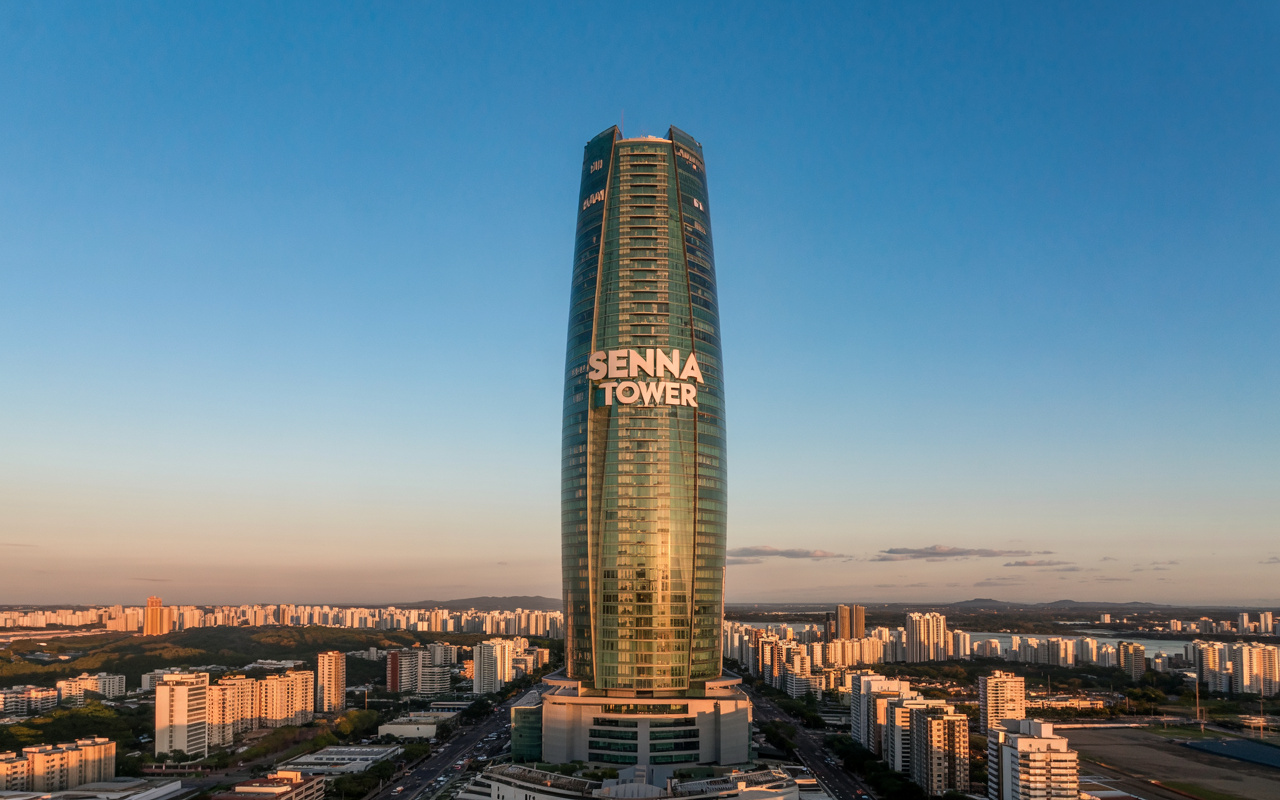

Senna Tower, in Balneário Camboriú, will have 550 m and 133,358m³ of concrete, becoming the largest residential building in the world and a landmark of Brazilian engineering.
With a height of 550 meters, the Senna Tower will be a watershed moment for national engineering. Located in Balneário Camboriú, the skyscraper is in the early stages of construction and promises to hold the title of the largest residential building in the world. To erect the structure, 133,358m³ of concrete will be needed, a volume capable of supporting 22 buildings of 20 stories or filling 53 Olympic swimming pools.
The project is led by FG Empreendimentos, with strategic collaborations from leading companies in the concrete, steel, and super-tall building solutions sectors.
The Monumental Scale of Senna Tower
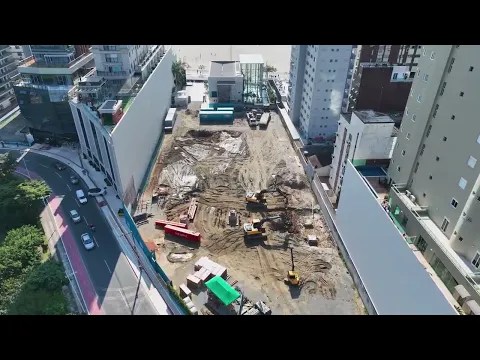

The grandeur of the building with 550 meters of height impresses even in a real estate market already accustomed to superlatives. Just for the supply of concrete, approximately 16,670 truck trips will be necessary — lined up, the vehicles would form a queue of 150 km, a distance similar to that between Florianópolis and Blumenau.
-
Mexico Develops 3D-Printed Concrete from Corn Waste, Cutting Emissions by 70% and Reducing Construction Waste by 90%

-
Traditional Mortar to Decline by 2026: ACIII-E Solution for Large Porcelain Tiles Offers Better Adhesion and Reduces Risk of Loose Pieces in Floors and Facades

-
72-Year-Old Man Spends Six Years Building a Rotating House for His Wife, Completing a Full Turn in 22 Seconds
-
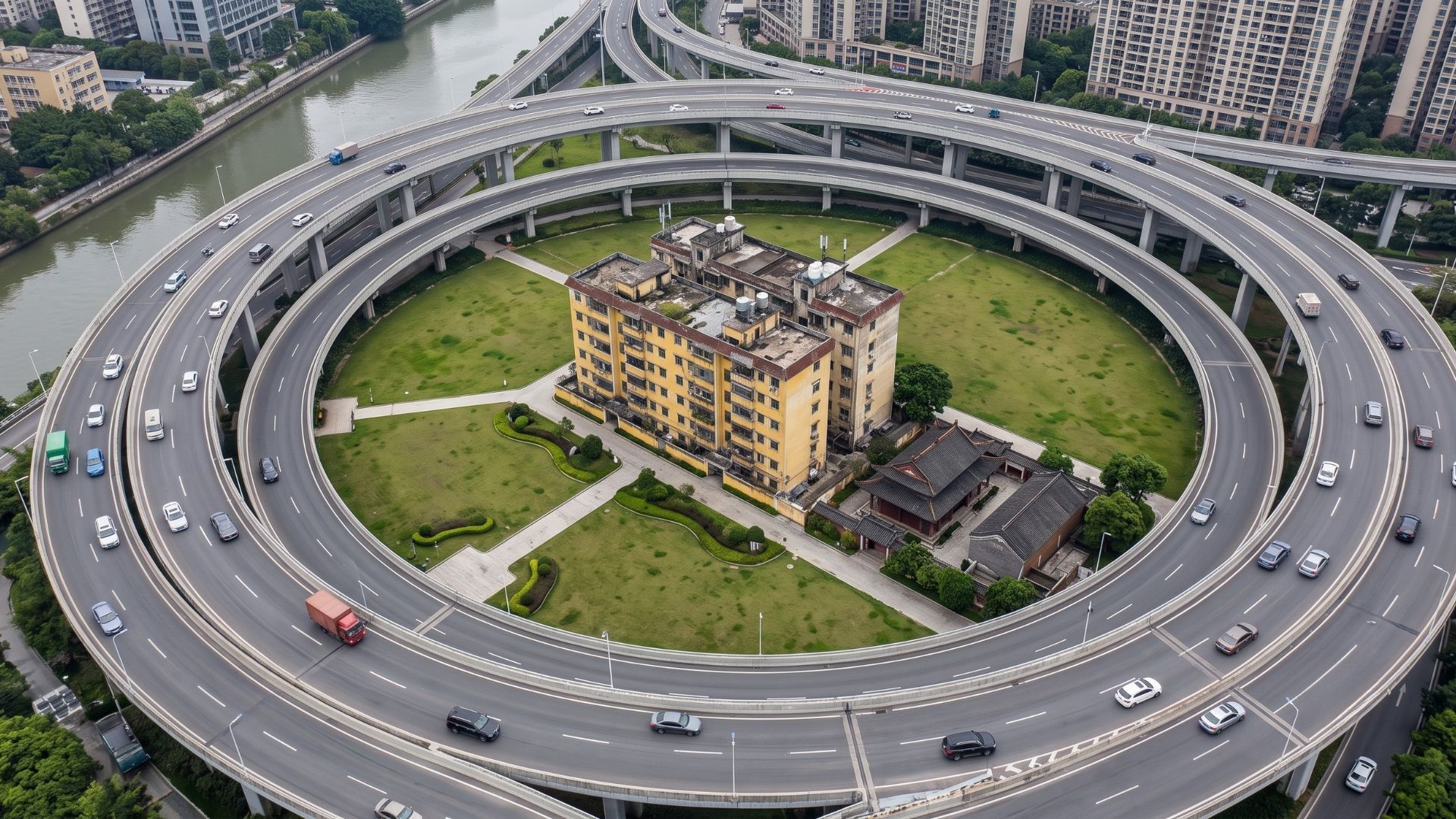
Chinese Residential Building Surrounded by Circular Overpass After Residents Reject Compensation


This magnitude demands complex logistics and extremely high-performance materials, specially formulated to support structural loads, durability, and thermal performance in a construction of this scale.
Ultra-Performance Concrete: Innovation and Safety
The structural heart of the largest residential building in the world will be formed by ultra-resistant concrete, developed by Talls Solutions, a company of the FG Group.
The exclusive formula was designed to meet extreme demands, from the dynamic forces acting on it to thermal insulation.
Each phase of production and application undergoes rigorous validation, led by engineer Stéphane Domeneghini and her team, ensuring quality and safety standards equivalent to the greatest icons of global engineering.
Strategic Partnerships for an Unprecedented Project
The construction of Senna Tower involves internationally renowned companies. Votorantim Cimentos, present in 11 countries and recognized for its sustainable practices, will supply the essential raw material for the concrete.
Max Mohr will be responsible for all concreting engineering, technological control, and logistics, repeating its expertise from emblematic projects like Infinity Coast. ArcelorMittal, the largest steel producer in Brazil, will provide high-strength steel and industrialized solutions, such as ready-made reinforcements and precision cutting and bending.
Unprecedented Technical and Logistical Challenges
The building with 550 meters of height imposes unique challenges on Brazilian engineering. The height requires rigorous calculations to support wind loads, thermal variations, and the weight of the structure itself.
Concrete control, for example, must consider the internal temperature of the material and the transport time to the application site. Additionally, the logistics of supplying steel and concrete must operate with perfect synchronization to avoid interruptions and ensure structural integrity.

More than just a luxury venture, the Senna Tower reinforces Balneário Camboriú’s image as a showcase of innovation and cutting-edge engineering in Brazil. The city, already known for its skyscrapers, consolidates itself as a prominent international real estate hub. The project is also expected to boost the local economy, generating jobs, attracting investments, and increasing the flow of high-end tourism.
A New Global Landmark in Vertical Construction
By combining 133,358m³ of concrete, high-strength steel, and state-of-the-art construction technology, the largest residential building in the world will not only be an architectural record but a symbol of the potential of national engineering.
Each stage of the work is designed to integrate innovation, sustainability, and efficiency, serving as a reference for future supertall projects in Brazil and abroad.
And you, do you believe that the Senna Tower will establish Brazil as one of the global leaders in high-end vertical construction?