Portuguese
  Spanish


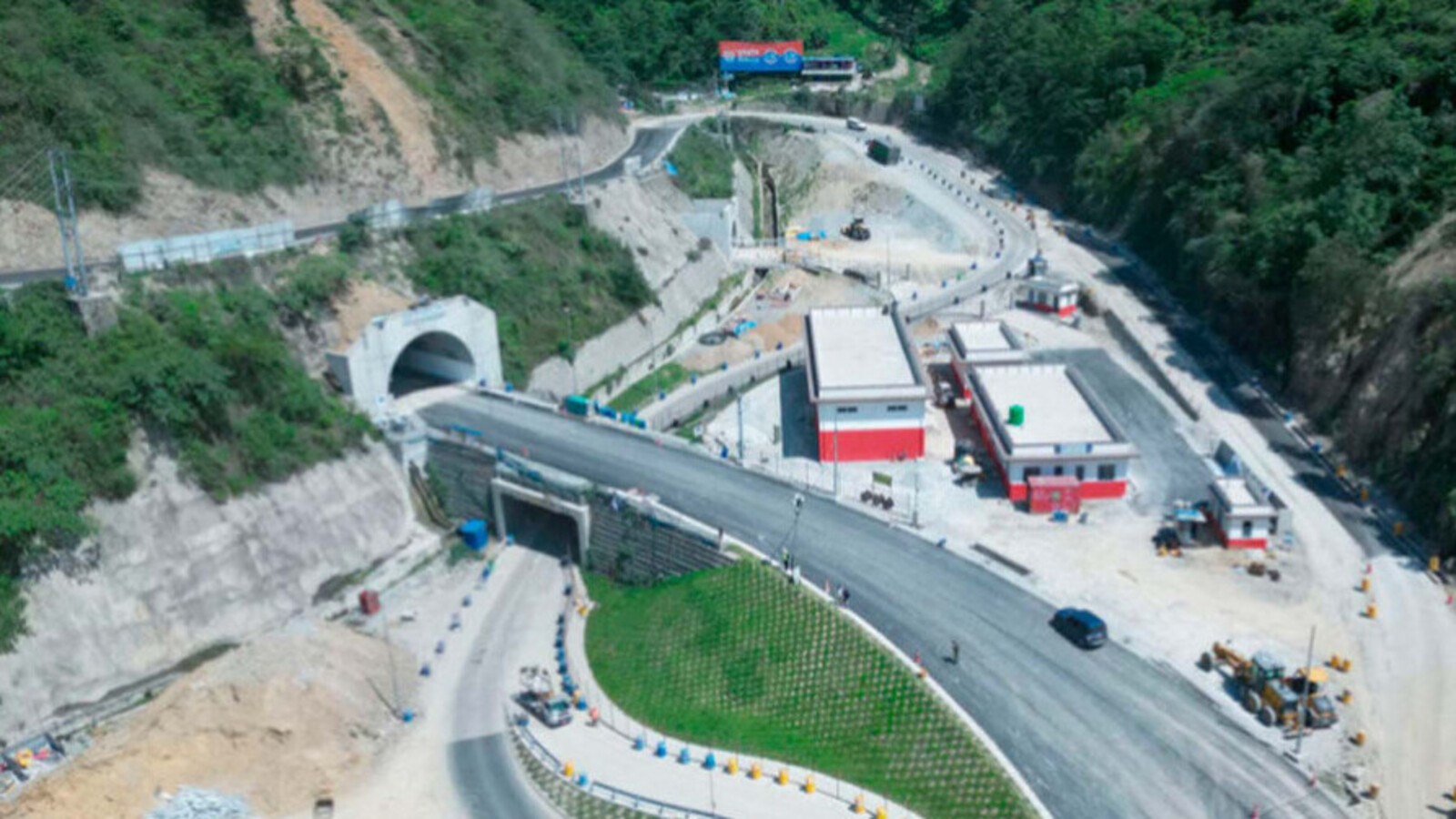

Nagdhunga-Sisnekhola project cost around US$ 145 million, took 79 months to complete, and is expected to open in July 2026 with electronic tolling, traffic restrictions, and 24-hour operation
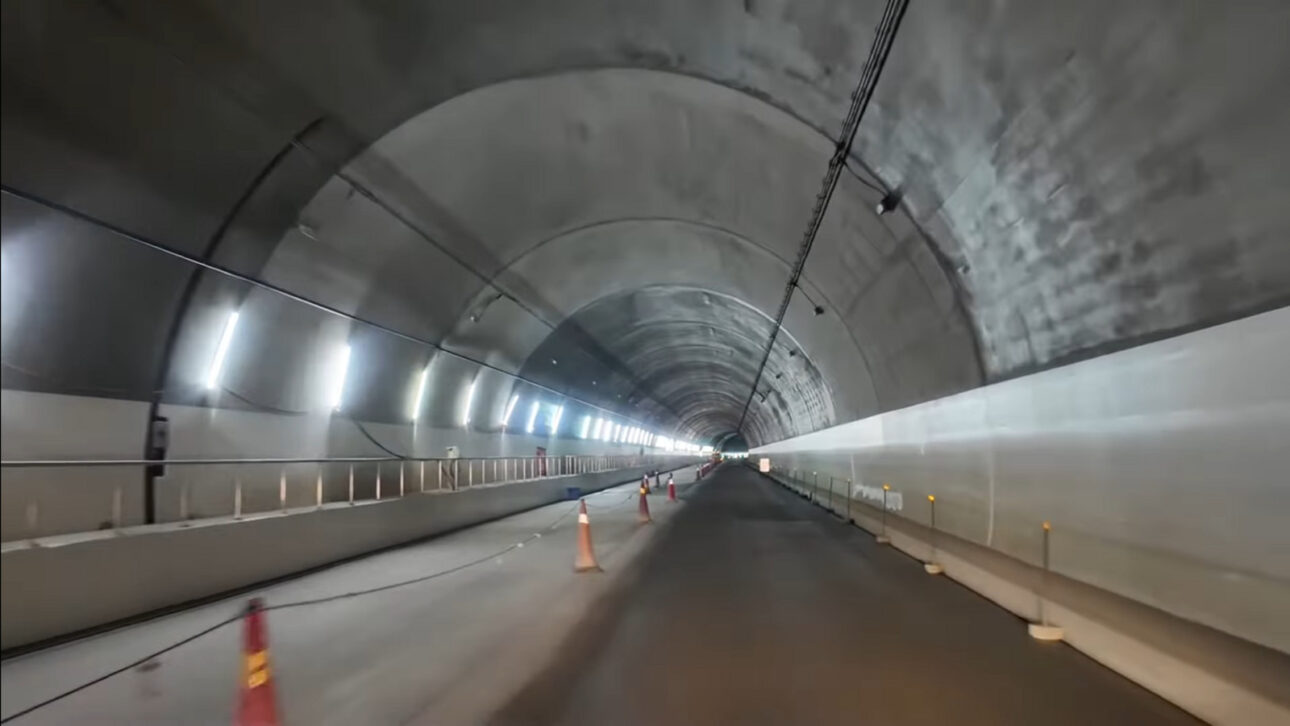
Nepal’s first road tunnel, the Nagdhunga-Sisnekhola, is expected to be operational by mid-July 2026, after 79 months of construction and an approximate cost of US$ 145 million. At 2.7 km, the link promises to reduce congestion, shorten travel times, and modernize toll collection in the Kathmandu Valley.


Nepal’s first road tunnel connects Nagdhunga to Sisnekhola
The construction of the Nagdhunga-Sisnekhola tunnel was completed and formally handed over by the Japanese contractor Hazama Ando Corporation to the Nagdhunga Tunnel Construction Project.
The project began on October 21, 2019. The contract stipulated completion in 42 months, but the timeline was extended due to the Covid-19 pandemic, local obstacles, and other implementation challenges.
-
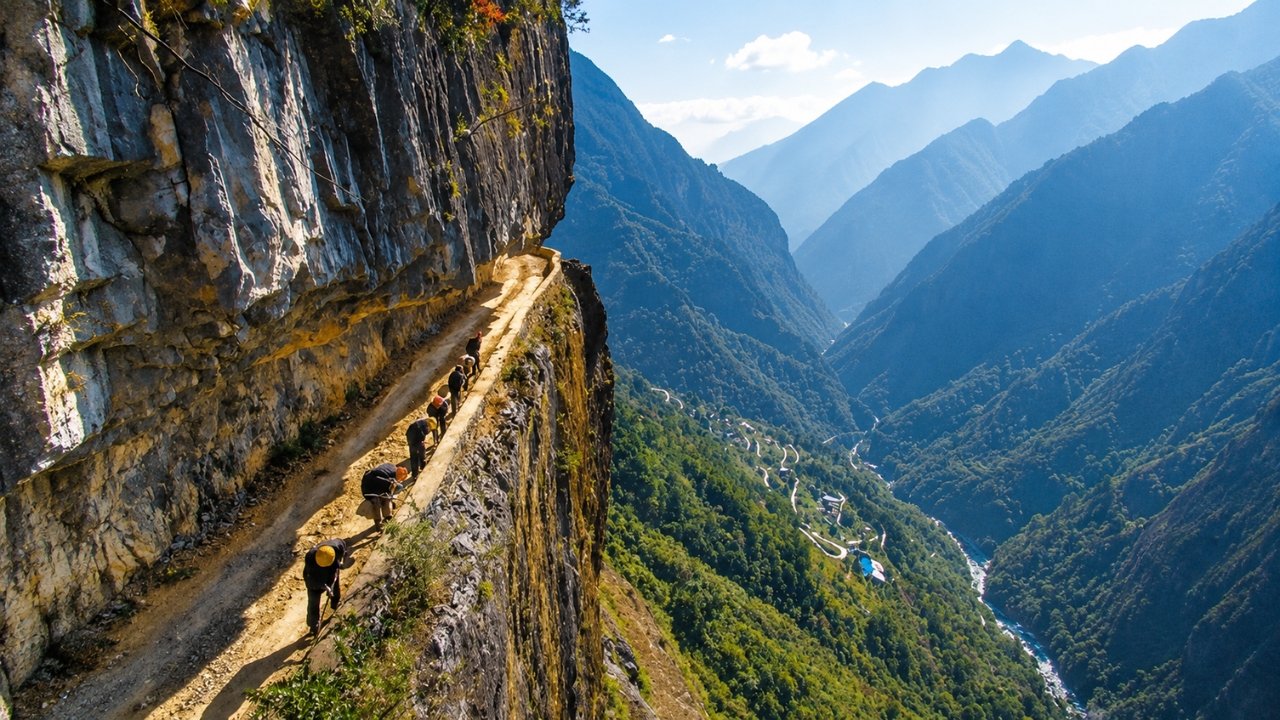
In China, 23 Families Spent Over 4 Years Carving a 1.2 km Road Through a Cliff to Overcome Isolation and Transform a Remote Village

-
Giant 3,600-ton Crane Breaks Two World Records by Installing World’s Largest Single-Piece Forged and Welded Hydrogenation Reactor, Weighing 3,037 Tons, in Chinese Petrochemical Plant in Just Six Days

-
$80 Million Bridge in Brazil Cuts Travel Time from 30 Minutes to 1 Minute, but Audit Reveals Major Flaws
-
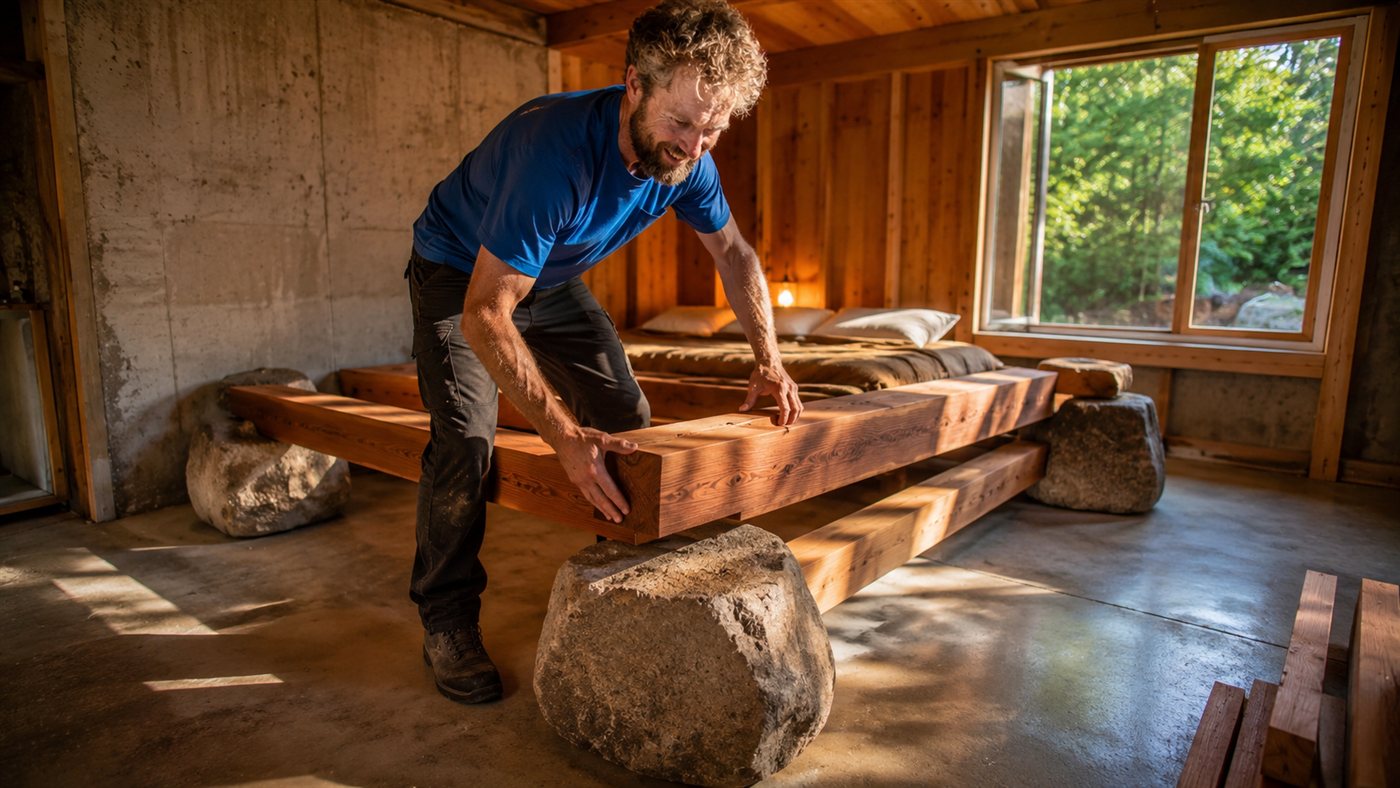
Man Builds Stone Bed with Granite Rocks and Hand-Sawn Cedar Beams, Home Extension Garners Over 437,000 Views on Bonus Bolts Channel



The opening to traffic is scheduled for the Nepalese month of Shrawan, which begins in mid-July. Although the handover occurred in May, the government is still making final preparations before commercial operation.
The main tunnel is 2,688 meters long. Beside it, there is a parallel emergency escape tunnel measuring 2,557 meters, designed for the safety of the connection.
Project expected to reduce congestion and make travel safer
The new link is designed to offer a faster and safer route than the current passage between Nagdhunga and Sisnekhola, marked by a long ascent and descent.
The expectation is that the tunnel will receive about 8,800 vehicles per day. The improvement is expected to directly impact transportation through the Kathmandu Valley, reducing congestion and gaining travel time.
The project director, Saujanya Nepal, stated that the contractor has completed its part and handed over the tunnel to the responsible office.
The company will remain obliged to correct any construction defects during the one-year warranty period.
According to Nepal, software installation, system testing, and team training are underway. The toll plazas on the Kathmandu and Dhading sides have also been completed.
The slope stabilization and landslide mitigation works on the Dhading side were also completed before opening to traffic.
Nepal Road Tunnel to Have Digital Toll with RFID
The tunnel operation and management contract was awarded to Yusin-ART JV, formed by the Chinese Yusin and the Nepalese ART. The company will be responsible for the operation of the structure for five years.
About 150 employees will be allocated to operate the facilities. The contract includes tunnel maintenance, traffic management, emergency response, toll collection, and maintenance of the 2.8-kilometer access roads between Kathmandu and Dhading.
The operation is expected to run 24 hours a day, with a guarantee of uninterrupted operation.
The executive director of the Road Board Nepal, Ganesh Bahadur KC, stated that the tunnel will introduce a fully digital toll payment system with electronic tags and RFID technology.
Drivers will be able to use an N-Tag linked to their bank account. When passing through the electronic gantry, the amount will be automatically debited.
Vehicle owners must maintain a deposit of up to 2,000 rupees in their accounts. The Road Board Nepal has already started talks with 13 Class A commercial banks to integrate the system.
Regular tunnel users will need to use N-Tags. Vehicles will also have RFID stickers on their windshields, allowing automatic charging at the gates installed at both ends.
For occasional drivers without an N-Tag or RFID sticker, payments will be accepted via QR codes and Fonepay. The operator will collect the revenue and deposit the amounts daily into the Road Board Nepal’s account.

Rates Vary by Vehicle Type and Travel Direction
The government has already approved the tariffs for different categories of vehicles. Cars and vans will pay 65 rupees when entering Kathmandu and 60 rupees towards Dhading.
The estimate is 859 cars and vans entering Kathmandu daily through the tunnel and 646 vehicles of the same category in the opposite direction.
Minibuses, pickups, and dump trucks will pay 115 rupees to enter Kathmandu and 80 rupees to leave the Valley. The daily projection is 540 vehicles entering and 406 leaving.
Buses and regular trucks will pay 260 rupees to enter Kathmandu and 200 rupees towards Dhading. The forecast is 794 vehicles entering the valley and 597 leaving.
Trucks and heavy vehicles will have the highest tariffs: 600 rupees for entry into Kathmandu and 250 rupees for exit. The estimated daily traffic is 596 heavy vehicles entering and 448 leaving.
Pedestrians, motorcycles, tricycles, and non-motorized vehicles will not be allowed to use the tunnel after its inauguration. The rule is stated in the Nagdhunga-Sisnekhola Tunnel Traffic Operation Directive of 2024.
Vehicles carrying highly flammable or explosive materials, such as gasoline, diesel, and liquefied petroleum gas, will also be prohibited. They must continue on the existing road between Nagdhunga and Sisnekhola.
The project was financed by concessional loans from Japan, amounting to approximately 21.5 billion rupees, along with a government contribution of about 6 billion rupees.
This article was prepared based on information from the provided material about the Nagdhunga Tunnel Construction Project, Road Board Nepal, and statements attributed to Saujanya Nepal and Ganesh Bahadur KC, with data, numbers, and statements preserved as per the consulted material.