Portuguese
  Spanish


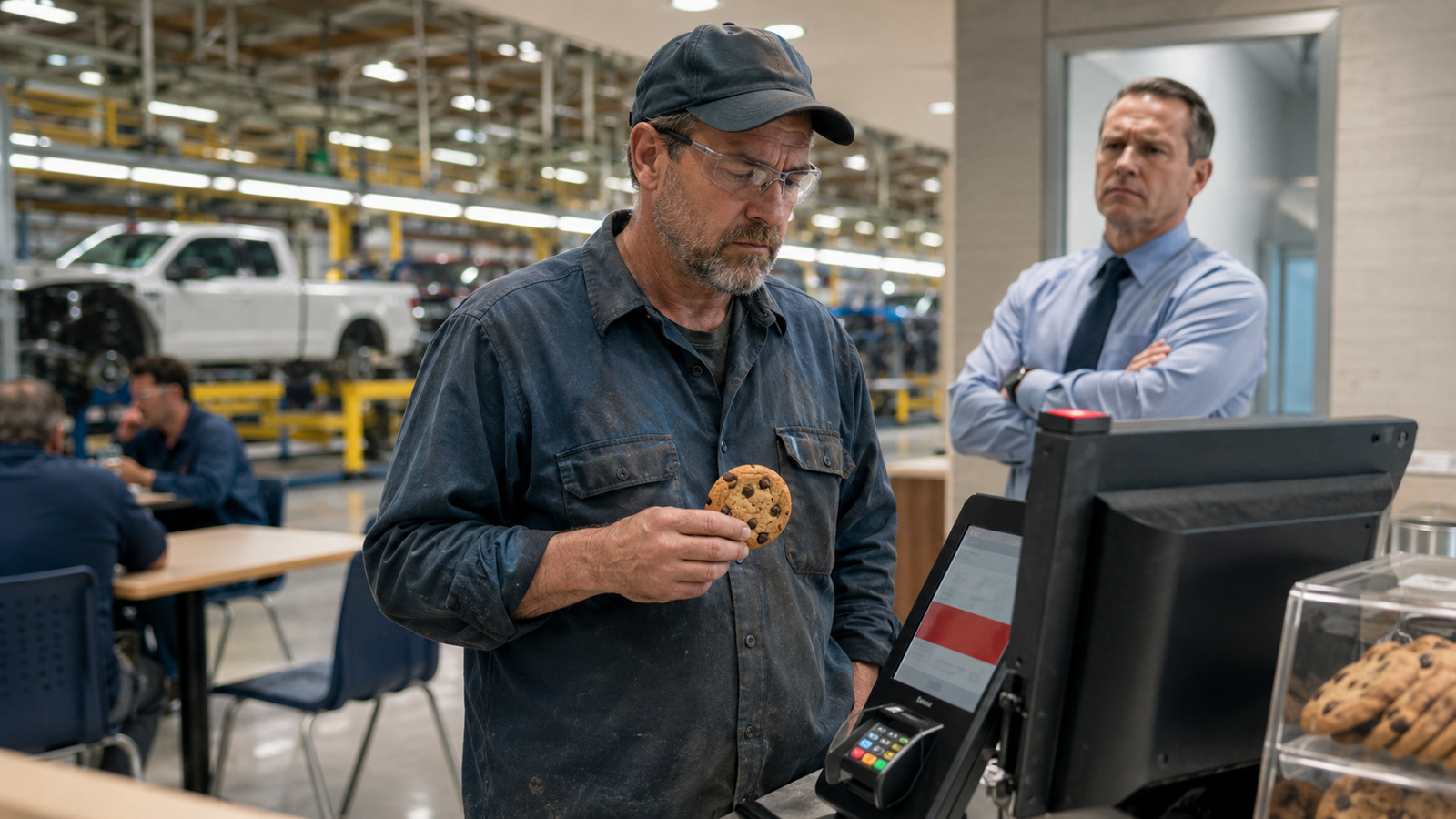

Kurt Kromm claims he temporarily lost his job at the Ford plant in Louisville after a disputed purchase, but bank statement and Aramark confirmation indicated that the cookie had been paid for in the cafeteria
A $1.95 chocolate cookie led to the dismissal at Ford of Kurt Kromm, an employee who claims to have worked for 11 years at the automaker’s pickup truck plant in Louisville, Kentucky. The case occurred after a failure at a self-service kiosk and was only reversed when the operator confirmed the payment. The data in this article is from Auto Papo.


Dismissal at Ford began after purchase in the cafeteria
Kromm reported to the Shifting Gears newsletter that everything happened around 3:30 AM on May 9, during a 12-hour shift. Diabetic, he said he bought the cookie after feeling dizzy due to low glucose levels.
According to the worker, when swiping the debit card at the first kiosk, the machine displayed a red screen indicating a transaction failure.
-
Einstein’s Lasting Advice: “Strive to Be a Person of Value, Not Just Success” Inspires Many Seeking Life’s Meaning

-
Man Spends Weeks Clearing Overgrown Land, Faces Equipment Failures, and His Story on Scott Harrison’s Channel Reaches 94,000 Views

-
Engineer Builds Star Farm Resort on $250,000 Plot Near U.S. National Park, Projected to Reach $6 Million Value by 2030
-
In the Amazon Flood Season, Life Transforms: Riverside Family Near Parintins Relies on Fishing Nets, Stingrays in the Yard, and Canoe-Only Transport




Therefore, he moved to a second machine to complete the purchase in the unit’s cafeteria.
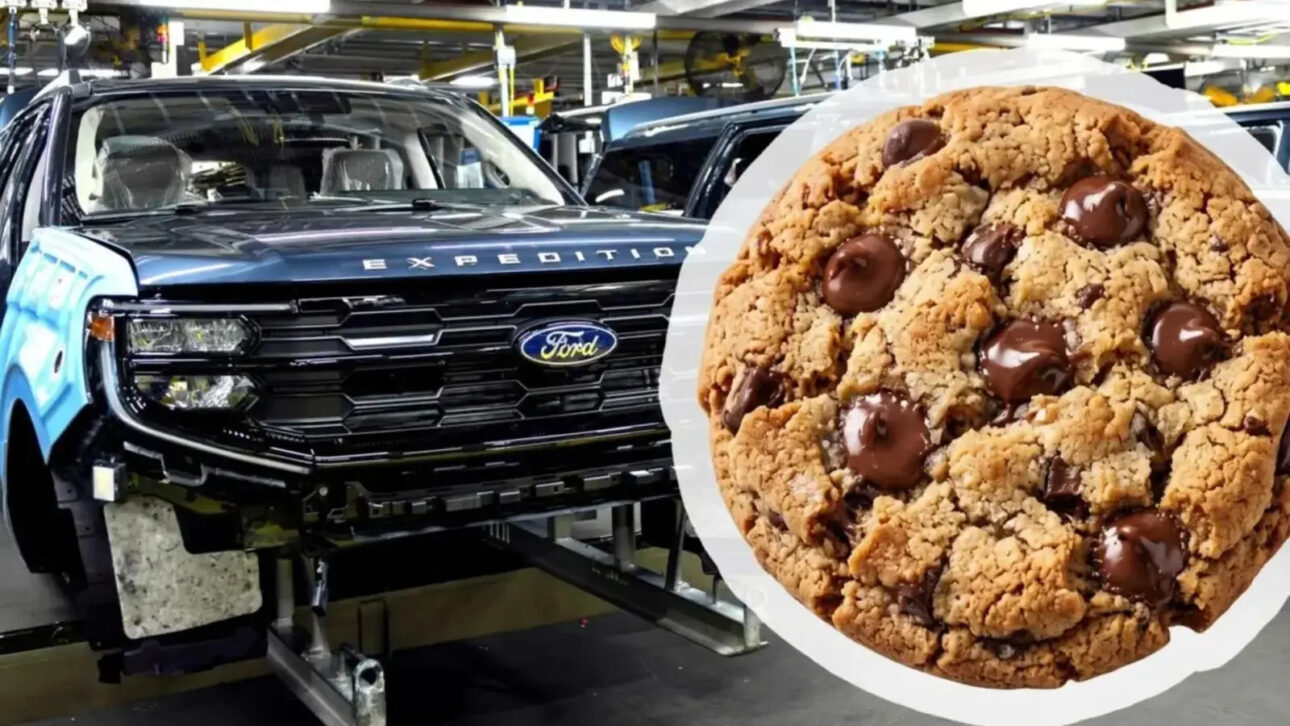
Employee was accused of not paying for cookie
A week later, Kromm claimed he was called to a supervisor’s office and informed that he was being dismissed for non-payment. Ford allegedly cited security camera footage to justify the decision.
He also said that he was immediately escorted out and prevented from collecting his own tools.
A UAW union representative, according to his account, had recommended that he apologize to expedite a possible reinstatement.
Kromm refused because he claimed to have paid for the product. He also said he had heard that the company’s zero-tolerance policy against theft had already cost the jobs of five other workers.
Bank statement and Aramark confirmation changed the case
The situation began to change when the employee presented the bank statement with the cookie charge. Even so, according to Kromm, Ford required the document to be notarized.
The definitive confirmation came from Aramark, the kiosk operator. On June 12, the company informed the automaker that the payment had been processed. Days later, Kromm was authorized to return to work.
Reinstatement came after a new opportunity
When he received authorization to return, Kromm had already secured another job closer to home and with a higher salary.
He stated that he went from $48 to $52.51 per hour, plus an additional bonus of $10 per hour.
The case also drew attention due to the worker’s profile. At 60 years old, Kromm said he maintained an average of 60 hours per week in 2025 and declared over $200,000 last year.
When contacted, Ford stated it does not comment on individual cases but acknowledged that there are times when it realizes something could have been handled differently.
Electrician Victoria Thomas, who has been with the company for 34 years, said that kiosk failures are known.
This article was prepared based on information from the Shifting Gears bulletin and the accounts of Kurt Kromm and Victoria Thomas, with data, numbers, and statements preserved as per the consulted material.