Portuguese
  Spanish


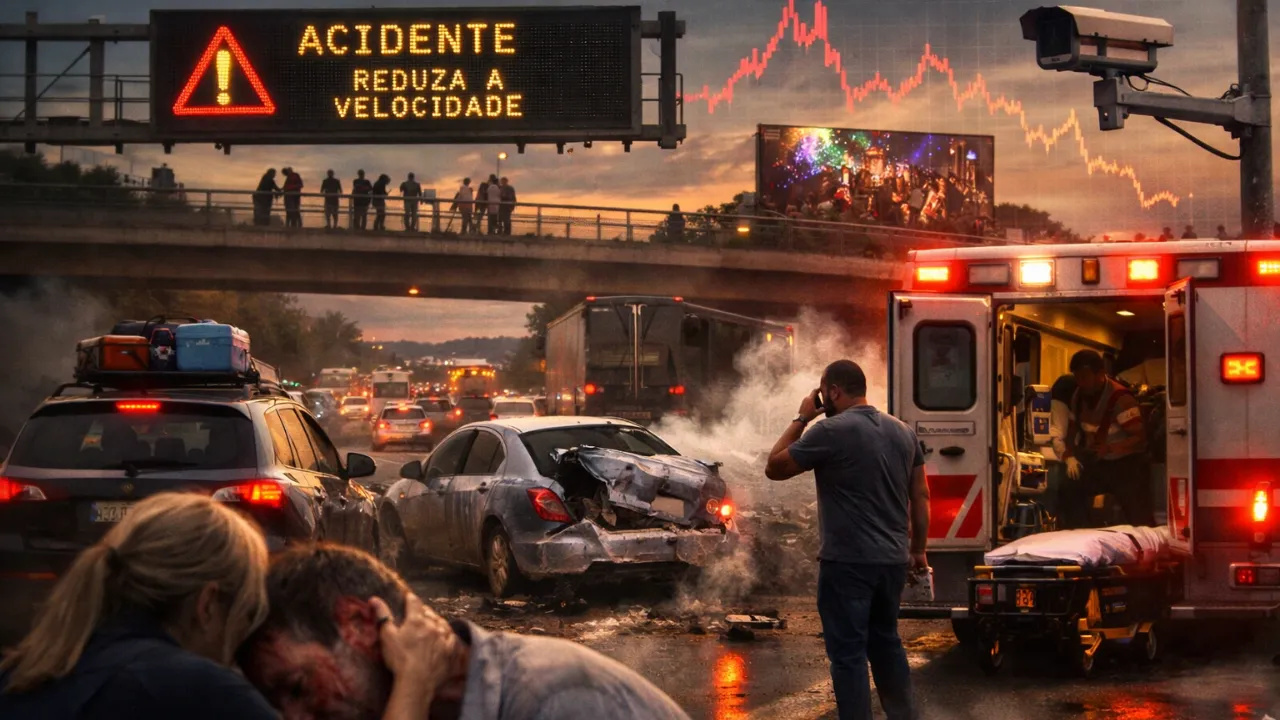

The defensive driving starts long before the first overtaking on the crowded Carnival highway. It begins when you notice that the car next to you is changing lanes without signaling and understand that, at that moment, the risk may not be in your hands. It is in this invisible detail that many calm trips change direction.
During the holiday, traffic on the highways increases, the rush amplifies, and the combination of fatigue, distraction, and overconfidence becomes more common. Additionally, many drivers hit the road after hours of partying, which reduces reaction time and increases impulsive decisions. In this scenario, defensive driving ceases to be theory and becomes a real protection mechanism.
Defensive Driving During Carnival Requires Constant Anticipation
The first tip for defensive driving is to maintain a greater safe distance than usual. On congested highways, three seconds may not be enough, so increasing this space drastically reduces the risk of rear-end collisions. Moreover, the extra distance allows for reaction time when another driver brakes suddenly.
-
1983 Chevrolet Runs Over 100,000 km Without Gasoline, Powered by Wood Chips, Reaches 125 km/h in Airport Test

-
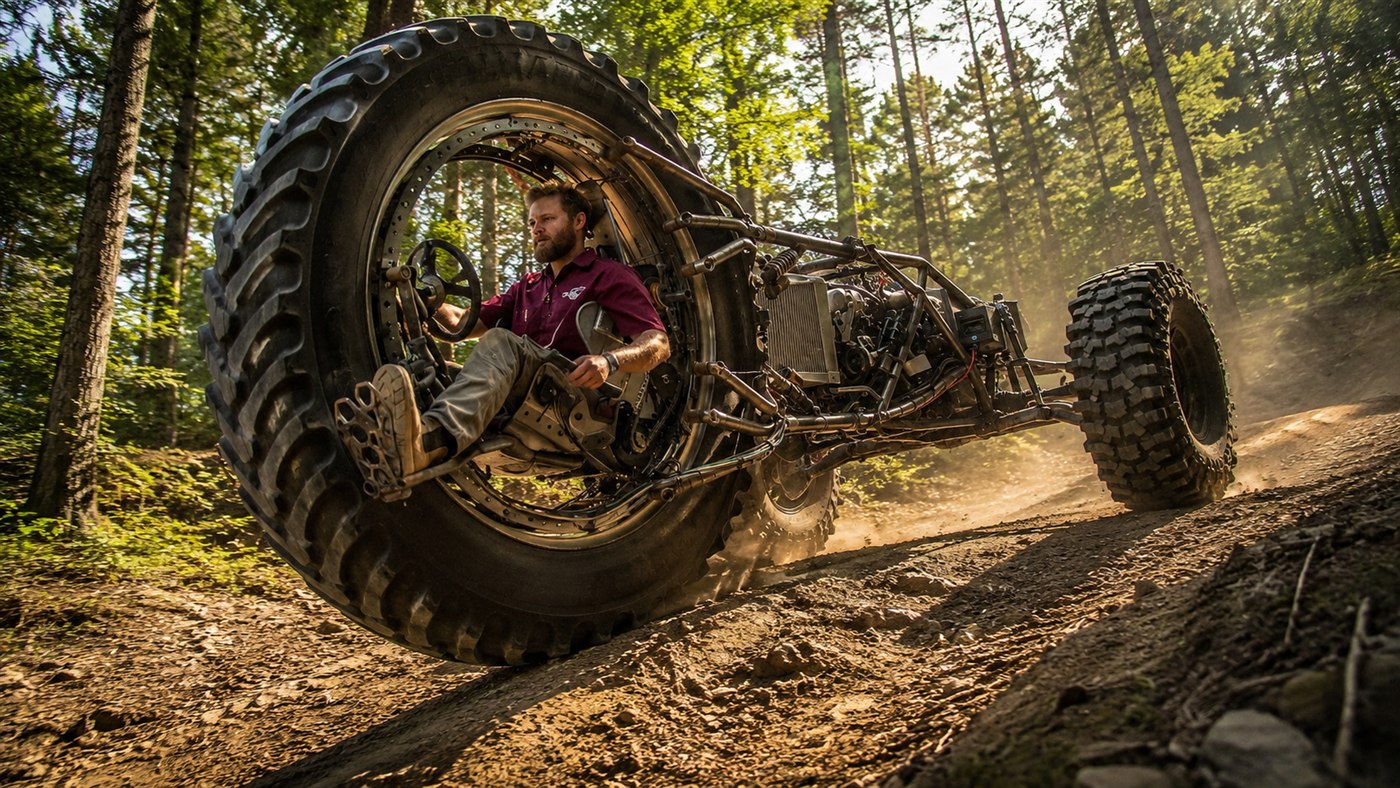
Workshop Converts Giant Tractor Tire Tricycle into a Three-Wheel Drive Hybrid with 36,000-Watt Electric Motor Capable of Climbing Hills

-
Sales of Brazil’s Cheapest Electric Car Halted Before First Deliveries: E-Motors Suspends Emova Easy Due to Import Tax Increase and Rising Freight Costs

-
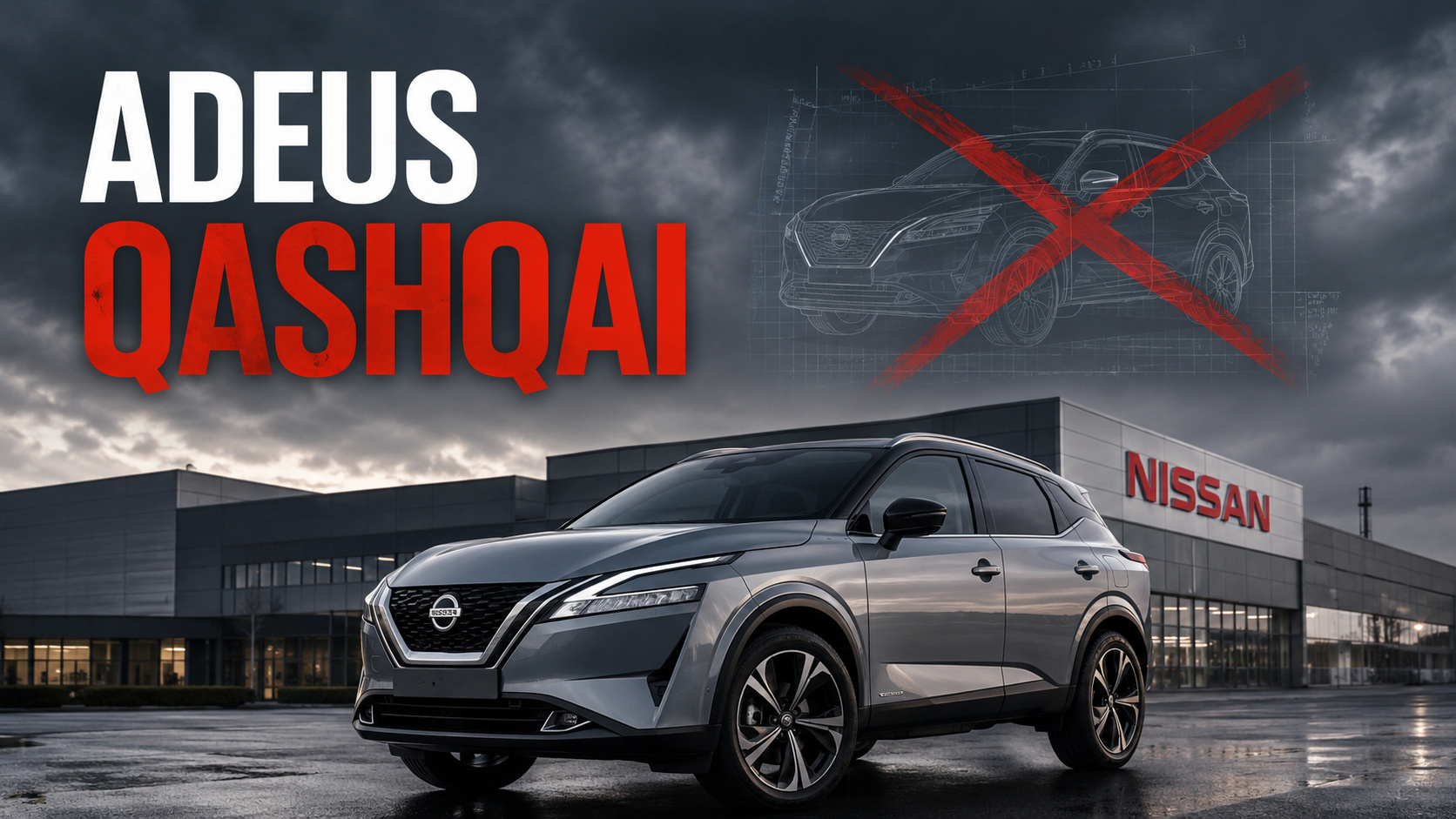
Nissan Discontinues Qashqai SUV Amid Cost-Cutting, Chinese Competition, and Product Line Review


Next, observe not only the car in front but also two or three vehicles ahead. This forward-reading of the road allows you to identify patterns, such as successive brake lights or sudden lane changes. This way, you can react before a chain reaction begins.
Another essential practice is to control speed even when the road seems clear. During Carnival, the highway can alternate between empty stretches and unexpected traffic jams. Therefore, maintaining a speed compatible with visibility and road conditions avoids desperate decisions just a few meters from an obstacle.
The Most Common Mistake Happens in the Rearview Mirror
Many drivers focus their attention only in front of the vehicle. However, defensive driving also depends on what happens behind you. Monitoring the rearview mirror helps identify vehicles approaching at high speed or aggressive drivers. This way, you can adjust your position in your lane and avoid being cornered.
Additionally, avoid staying in the blind spot of trucks and buses. During periods of heavy traffic, these vehicles have greater difficulty braking and reduced visibility. Therefore, overtake safely and return to your lane only when there is ample distance.
Another important tip involves the conscious use of headlights, even during the day. In stretches with intermittent rain or wet roads, increasing visibility reduces the risks of side collisions. During Carnival, rapid climate changes are common, requiring heightened attention.
Attention to the Human Factor on the Way Back from the Holiday
On the way back from Carnival, fatigue adds to the increase in traffic. Therefore, planning strategic breaks every two hours helps maintain preserved reflexes. Defensive driving also involves recognizing physical limits, something many ignore when they want to reach their destination quickly.
Avoid silent disputes for space on the highway. If another driver demonstrates recklessness, reduce speed and allow them to pass. Instead of competing, prioritize predictability. This simple decision avoids conflicts that often escalate into dangerous situations.
Finally, maintain full attention to your surroundings. A cellphone on the dashboard, intense conversation, or adjustments to the GPS divert focus exactly at the moment when the road demands a quick response. Defensive driving depends on continuous attention, especially when the behavior of others is unpredictable.
Carnival symbolizes celebration and reunion, but on the roads, it also represents an increase in risk. The difference between arriving safely or being stuck listening to sirens often lies in decisions made seconds before danger appears. And, often, it is not your mistake that initiates the problem — it is your anticipation that prevents the outcome.