






 Portuguese
  Spanish



Cemig’s Investment in New Substation Will Increase Energy Flexibility in the Triângulo Mineiro Area
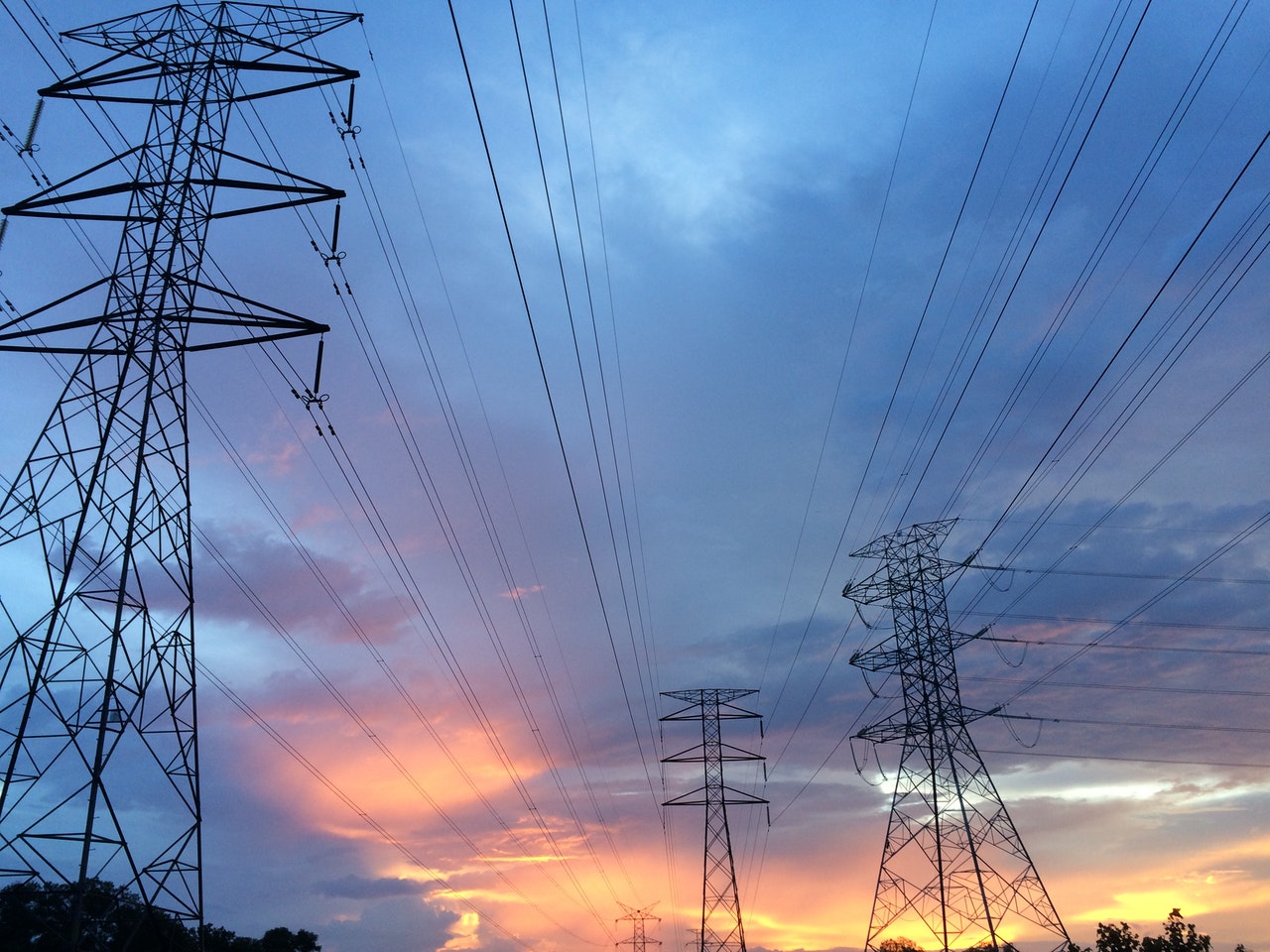
Cemig has invested over R$ 8 million in the new Planura energy substation, which is located in the Triângulo Mineiro region. The new facility will provide more energy to serve current and future customers in the Triângulo Mineiro, in addition to strengthening the energy development of energy from neighboring cities Campo Florido, Frutal, and Pirajuba.
Established since the Integrated Compact Substation (SECI) technological platform, the completion of the Planura substation will drive improvements in the voltage levels of the Frutal and Pirajuba energy substations, reducing energy losses and enhancing operational safety, with a lower loading on these substations and the transmission system.
According to Cemig, the substation’s modification capacity is 15 MVA, enough energy to supply approximately 15,000 households with average consumption from the company’s market. The SE is connected to the electrical system through a branch of the distribution line that interlinks the Frutal 2 and Porto Colômbia substations at 138 kV.
-
Couple Transforms Abandoned Seaside Public Restroom Bought for £33,000 into £295,000 Beach House After a Decade of Renovations

-
With 26 Million Brazilian Families in Substandard Housing, Churches to Launch 2026 Challenge: Each Parish to Build or Renovate a Home for a Local Family
-
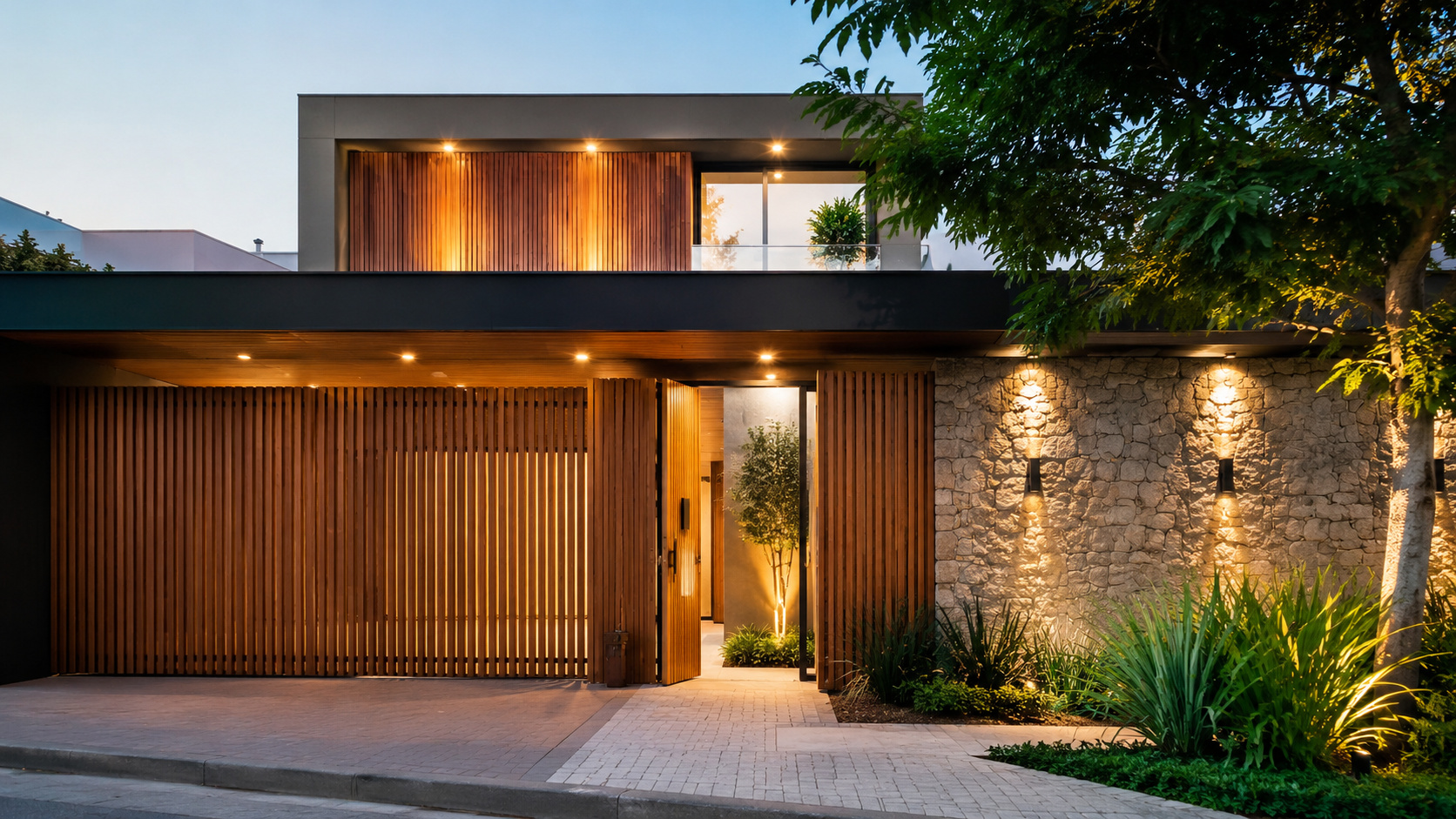
Wood-Look Aluminum Emerges as a High-Tech Alternative for Facades and Gates, Offering Sophisticated Aesthetics and Low Maintenance

-
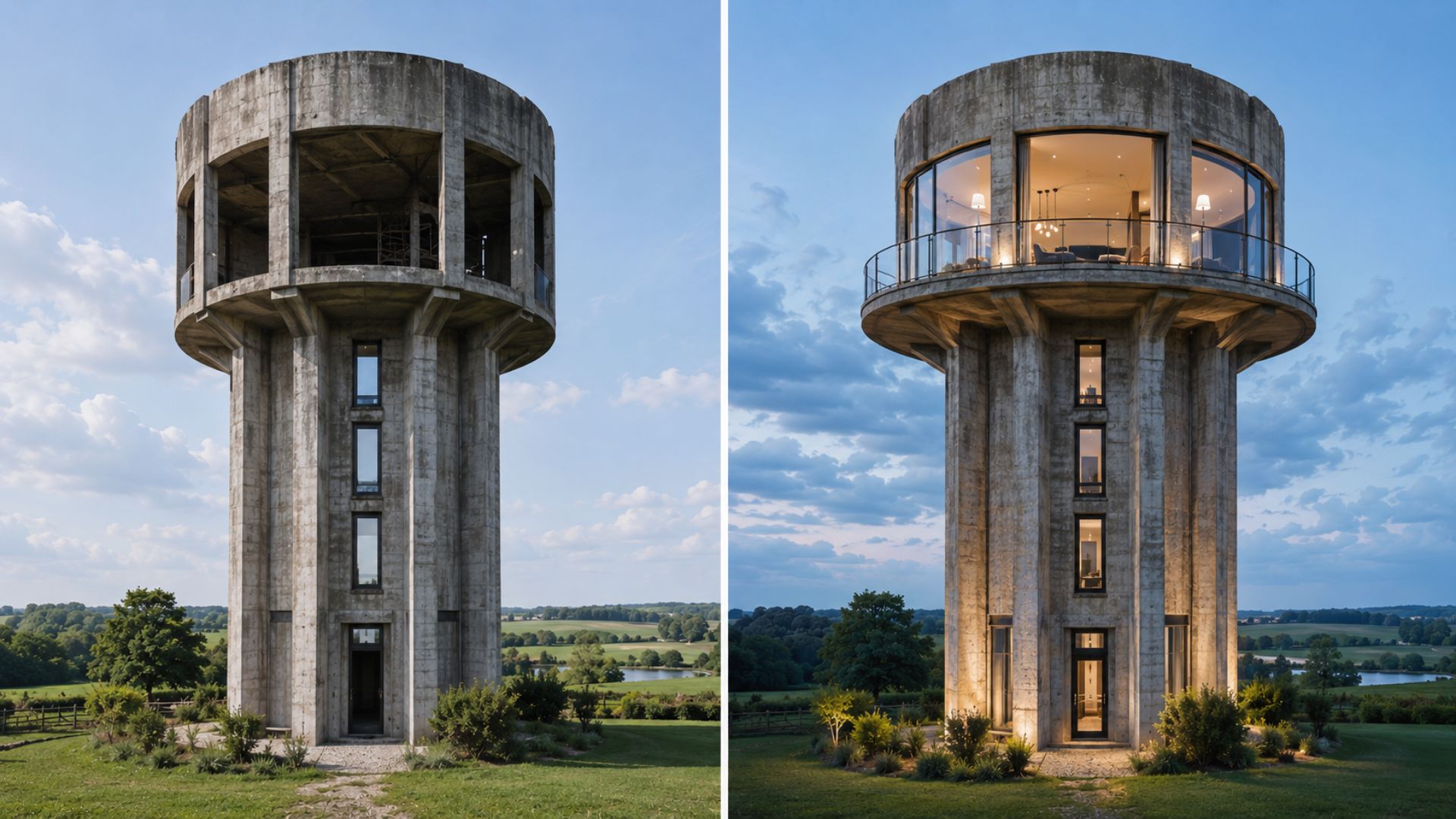
Couple Transforms 1964 Concrete Water Tower into Four-Bedroom Home with Views of London Over Four Years


“In addition to providing improvements in the quality of energy supply, the Planura SE (substation) will also aid in the economic and social development of the region, stimulating new enterprises and, consequently, generating more jobs in the municipality,” comments the project engineer at Cemig, José Valteir de Araújo.
Other Energy Substations in Minas Also Received Cemig Investments
In addition to the new Planura SE, Cemig also invested in another SE in the Minas Gerais region over the past year. The Varjão de Minas SE was energized in November 2021, and the Serra do Salitre SE was delivered in the first half of the year.
The Araxá 2 substation is being expanded, and the Lagoa Grande SE is in an advanced stage of construction, with delivery expected this month in June.
The constructions of the Uberaba 7 and Uberlândia 8 substations have already begun. Additionally, several supply lines have been developed to connect these substations to the energy system, providing more security in case of operational needs.
New Substation in the Vale do Jequitinhonha Was Inaugurated by Cemig
In addition to the new Planura substation being developed in Minas, Cemig inaugurated, during the week of June 3rd, a substation in the Vale do Jequitinhonha that was delivered with a new Distribution Line for the region, which will ensure better quality and continuity of energy supply.
The new Cemig substation, Minas Novas 2, and the Distribution Line connecting the facility to the Araçuaí 2 substation became operational during the week of June 3rd. Cemig’s project provides greater availability and quality of energy for around 70,000 consumers from the adjacent cities in the Vale do Jequitinhonha region.
To connect the Araçuaí 2 and Minas Novas 2 substations, a new Distribution Line was developed, measuring approximately 90 km in length.
The new infrastructures along the route are metallic, replacing the current wooden ones. For Cemig, the substitution of metal for wood is very significant, as it will reduce the impacts caused by possible fires in the region, increasing the reliability and guarantee of the continuity of electric energy supply to consumers.
Cemig invested approximately R$ 46 million in the construction of the new substations, and the new SE will have an installed capacity of 15 MVA, providing greater energy availability in the region, considering that the current substation capacity in the area is 10 MVA, meaning the new SE will bring a 50% increase in energy supply.


