





 Portuguese
  English
  Spanish
 6 min of reading
  0 comments


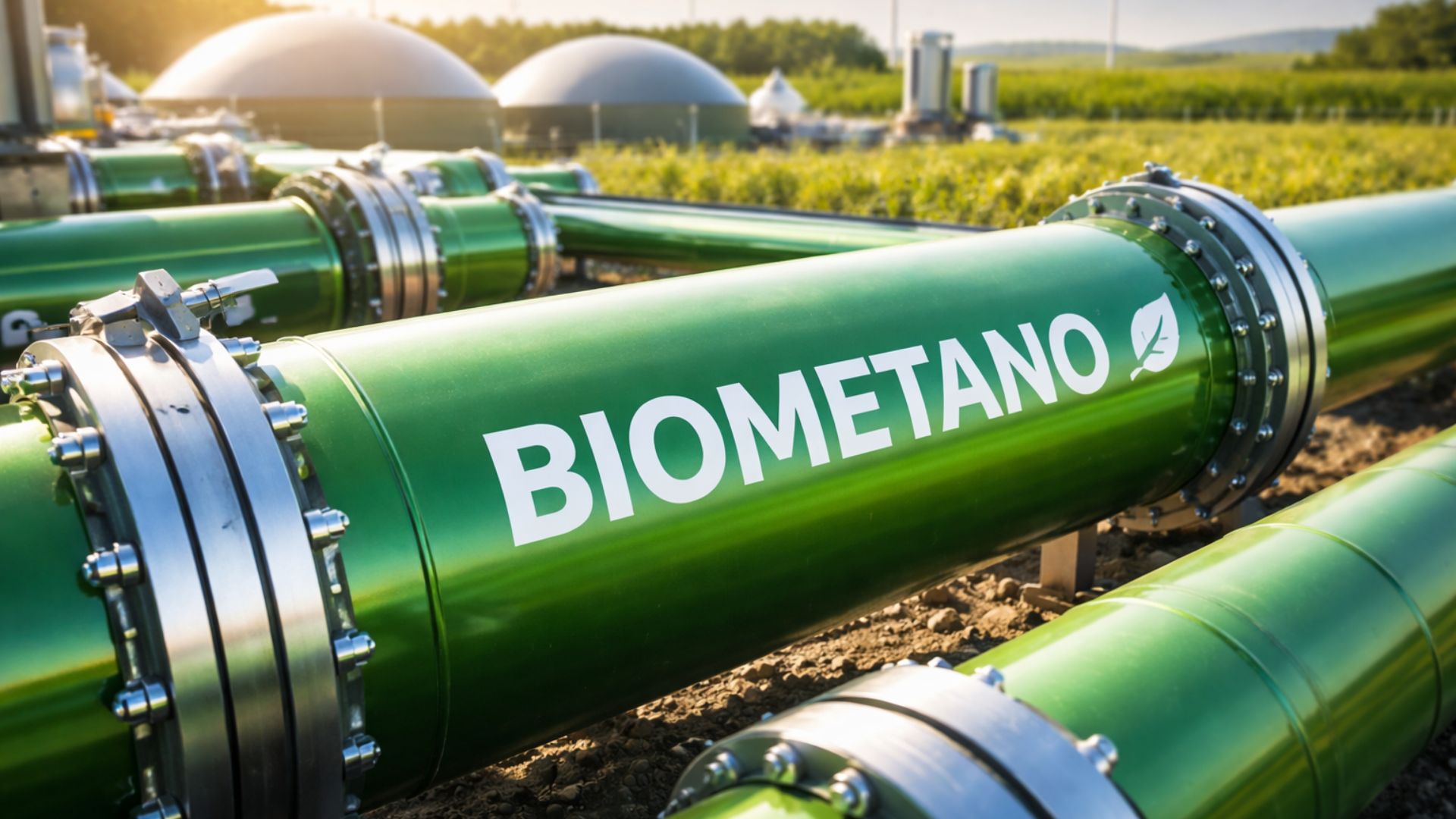
Approved Financing by BNDES Boosts Sustainable Project in Toledo with Biogas Production, Job Creation, Organic Fertilizers, and Strong Positive Environmental Impact on the Brazilian Energy Sector
On February 9, 2026, BNDES officially announced the approval and contracting of a financing of R$ 148.5 million to enable the construction of a new biogas plant by Bioo in Paraná, an initiative that reinforces the advancement of renewable energy in Brazil and expands circular economy strategies in the industrial and agricultural sectors. The total investment planned for the project is R$ 196 million, combining resources from the Fundo Clima and the Finem line, mechanisms aimed at encouraging sustainable projects with low environmental impact.
New Biogas Plant Will Have 11 Million m³
Upon announcement, the bank highlighted that the unit will be installed in Toledo, in the west of Paraná, with a planned capacity to produce 11 million cubic meters of biogas per year.
The environmental potential is significant, as the operation is expected to avoid approximately 80,000 tons of carbon dioxide equivalent emissions in the atmosphere annually. Furthermore, the project anticipates 210 direct and indirect jobs during the construction phase and about 90 permanent positions after operations begin, increasing the positive impact on the regional economy.
-
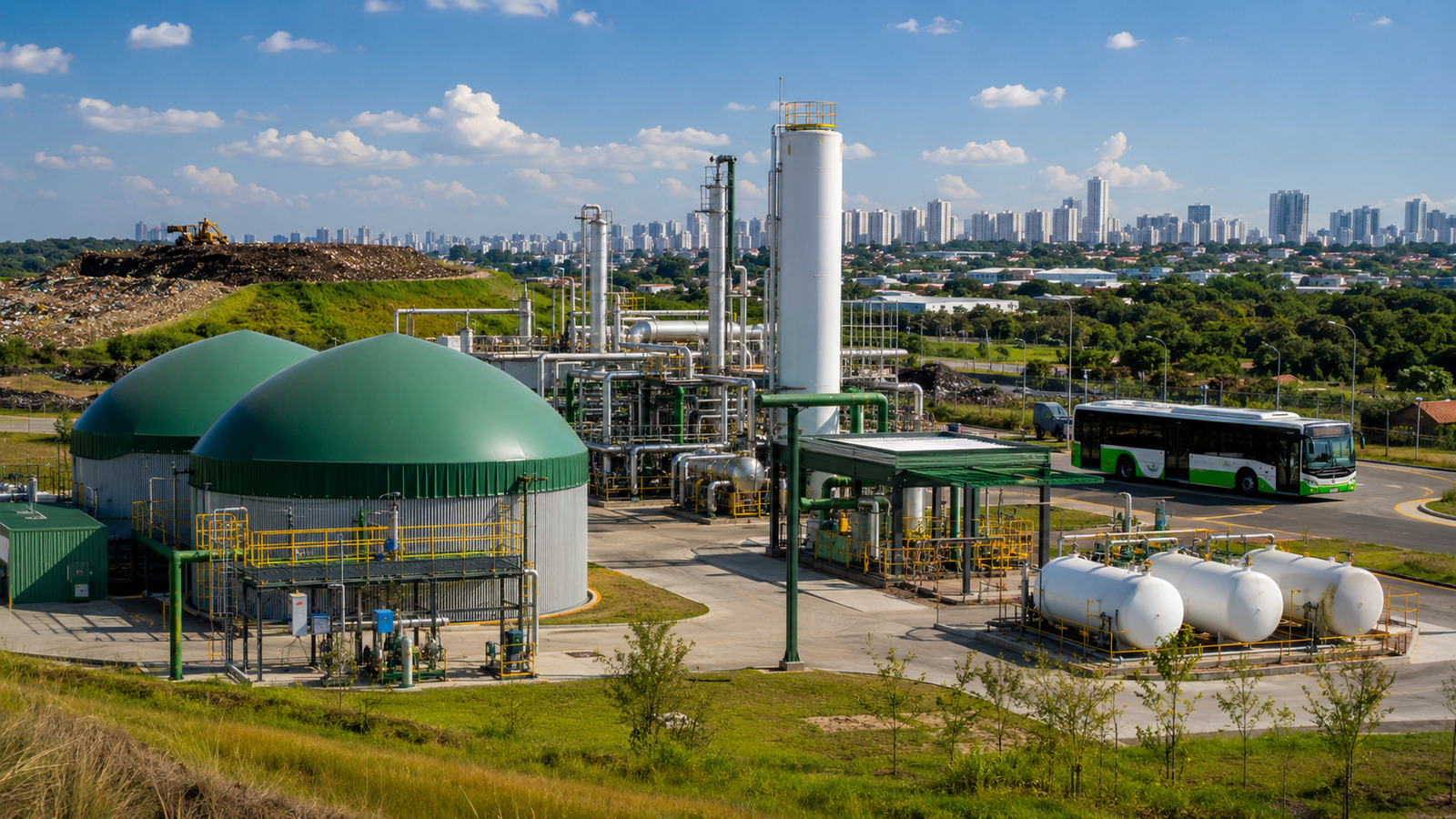
São Paulo teaches the world about biomethane: record production can supply 2.8 million homes and replace 4,000 diesel buses

-
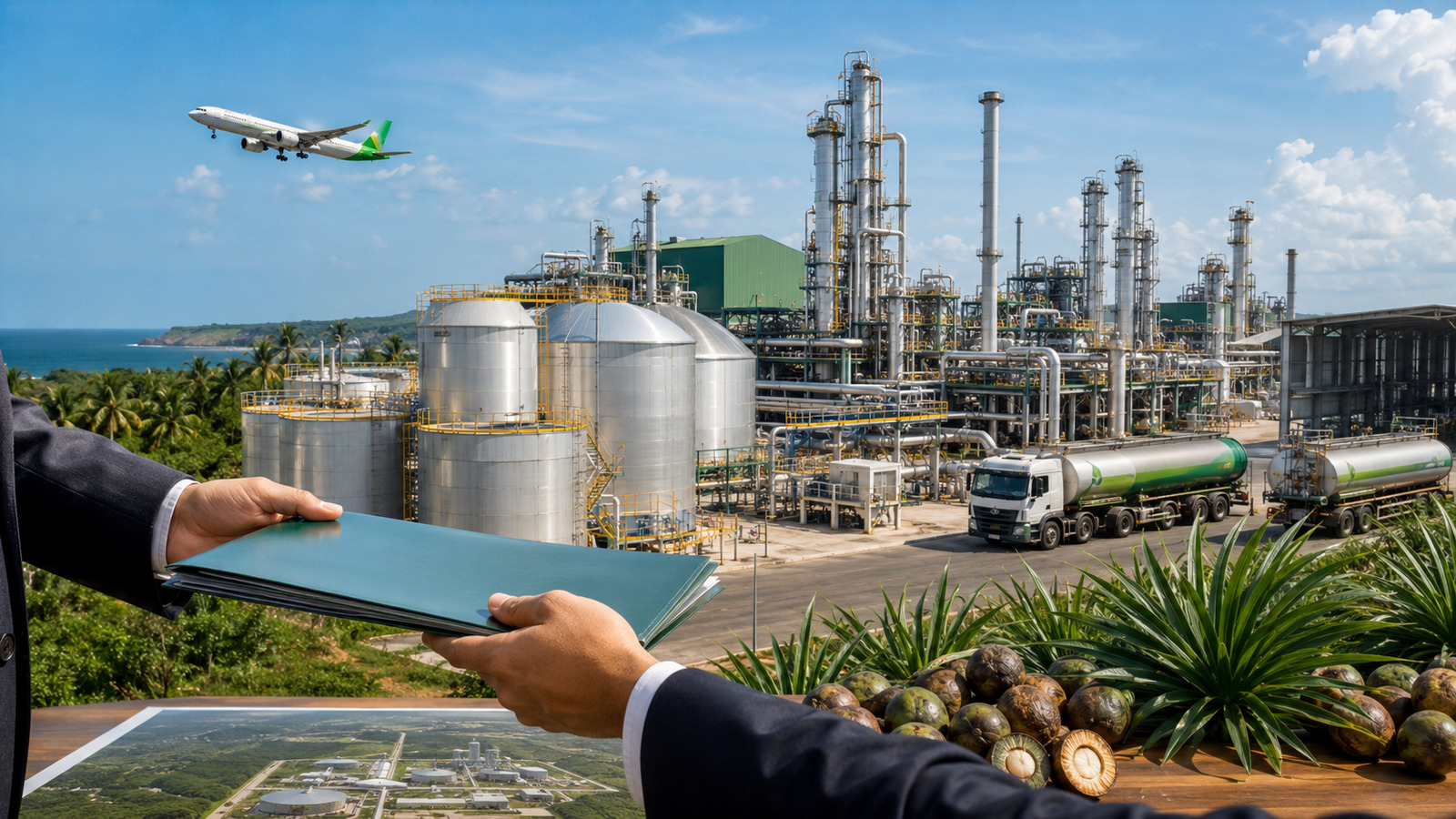
Giant arrives in Brazil with R$ 7.5 billion on the table to build a R$ 15 billion mega refinery and produce 1 billion liters per year
-
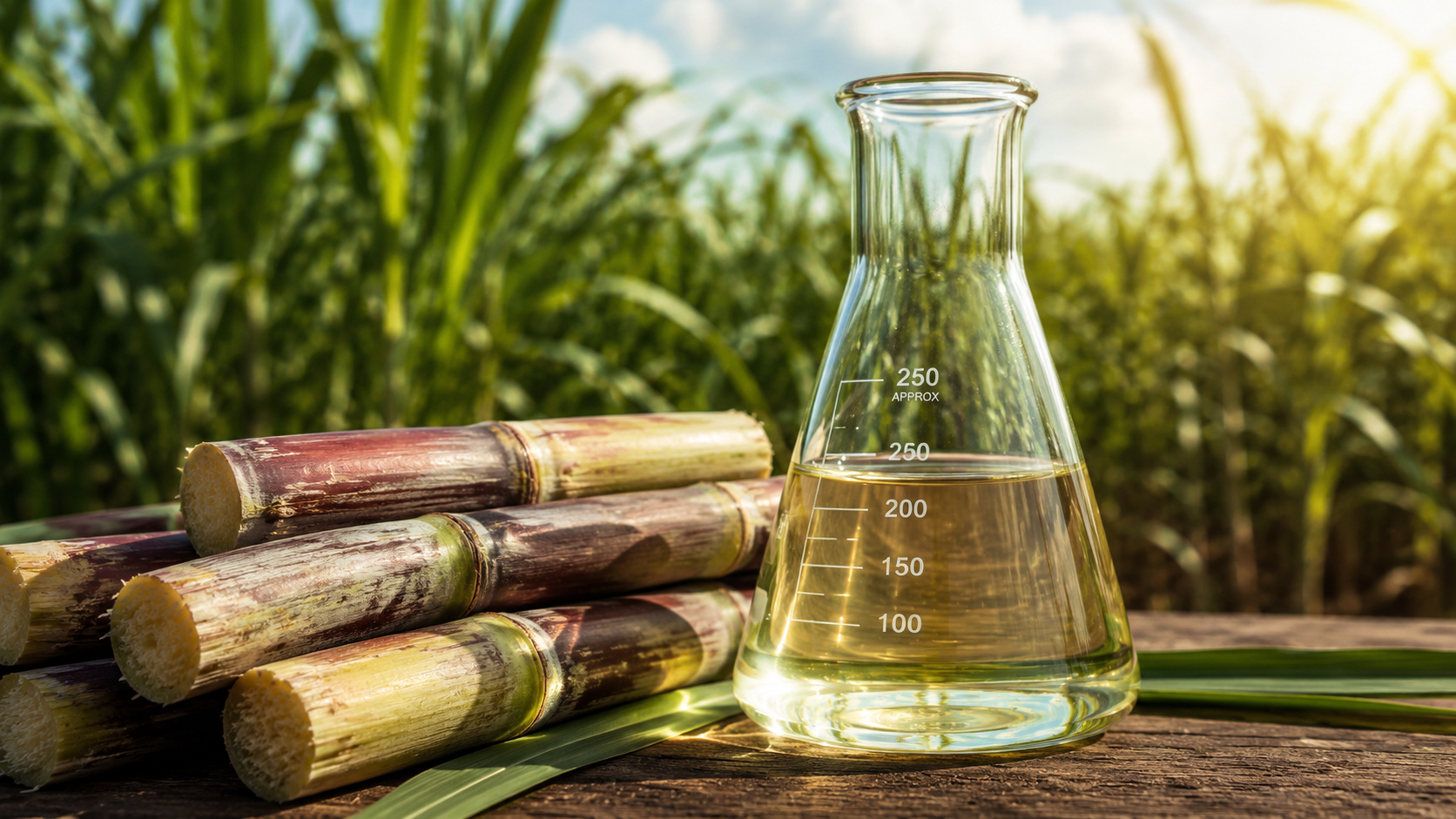
Sugarcane ethanol advances as a strategic solution for Brazil, and a study projects a reduction of up to 19% in emissions by 2030, with a possible impact on the automotive industry, clean energy exports, and the expansion of the national bioeconomy.

-
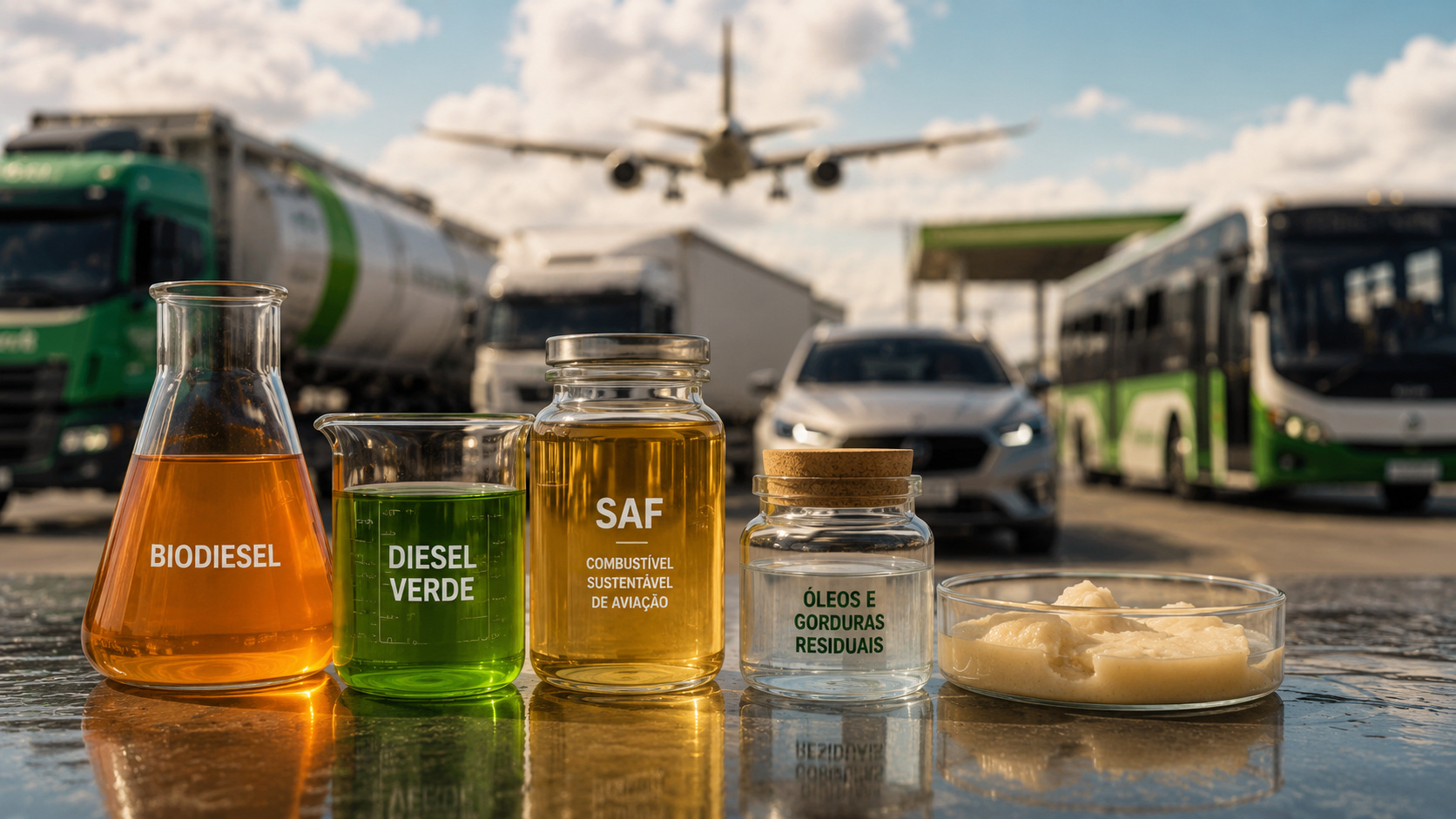
New federal measure expands the use of waste in biofuel production and strengthens Brazil’s energy strategy by integrating circular economy, industrial reuse, and carbon reduction in sectors that can transform transportation and energy generation by 2030.
The announcement reinforces that the energy transition in Brazil is turning into concrete and measurable projects. At the same time, it highlights the integration between public sustainability policies and private investments, an essential element to consolidate a cleaner, safer, and economically viable energy matrix.
BNDES Strategic Investment Strengthens New Biogas Plant of Bioo in Paraná
The financing approved by BNDES for the new biogas plant of Bioo in Paraná represents a strategic move within Brazil’s national renewable energy policy. Of the total contracted, R$ 101.5 million comes from the Fundo Clima, an instrument created to stimulate decarbonization initiatives and environmental innovation. Another R$ 47.1 million comes from the Finem line, aimed at structuring medium and large-scale projects.
This combination of credit lines highlights the government’s priority in the climate agenda. Biogas, in turn, is considered a direct substitute for fossil natural gas, reducing dependence on polluting fuels and contributing to the achievement of emission reduction targets. Therefore, the financial support is not limited to the economic aspect but consolidates itself as a decision aligned with international sustainability guidelines.
Another relevant point is the institutional strengthening of the biogas sector in the country. With the involvement of BNDES, the project gains legitimacy and predictability, essential factors to attract new investors and promote parallel productive chains, such as transportation, logistics, and supply of technological equipment. The impact extends beyond the plant and creates an ecosystem of energy innovation.


Production Capacity, Technology, and CO₂ Emission Reduction
The future industrial unit will have an estimated capacity of 11 million cubic meters of biogas per year, enough volume to supply industrial segments, logistics fleets, and agricultural sectors that require fuel with lower environmental impact. This productive potential places the project among the most relevant in the South region of Brazil.
The most significant data, however, is related to emission mitigation. The estimate of 80,000 tons of CO₂ equivalent avoided annually represents a significant advance in the decarbonization policy. Biogas is produced from the decomposition of organic waste in biodigesters, a process that prevents the direct release of methane into the atmosphere — a gas whose global warming potential is dozens of times higher than that of carbon dioxide.
Emission reduction becomes measurable rather than theoretical. This factor strengthens Brazil’s positioning in environmental commitments and increases the relevance of biogas as a competitive energy alternative. Additionally, the use of purification and compression technology ensures a quality standard compatible with conventional natural gas, allowing integration into the existing infrastructure without the need for complex adaptations.
Job Creation and Economic Dynamics in the West of Paraná
The socioeconomic impact also stands as one of the project’s main pillars. During the construction phase of the plant, the expectation is to generate 210 direct and indirect jobs, a number that includes technical labor, engineering, logistics, and support services. After operations begin, approximately 90 permanent positions are expected to be maintained.
This movement boosts regional development and strengthens the local job market. Cities like Toledo are beginning to stand out as energy innovation hubs, attracting suppliers and increasing income circulation. Consequently, the investment benefits not only the environmental sector but also promotes sustainable economic growth.
Another indirect effect involves the increase in demand for professional qualification. Projects of this nature stimulate technical training in areas such as environmental engineering, industrial mechanics, and energy management. The result is the formation of specialized labor prepared for an expanding market.
Circular Economy and Full Utilization of Organic Waste
One of the most notable differentiators of the enterprise lies in the application of the circular economy concept. The new biogas plant of Bioo in Paraná is not limited to generating renewable fuel. The production process will also result in the manufacture of organic-based fertilizers, widely used in regional agriculture.
This means that waste previously discarded returns to the production chain in the form of useful inputs. The cycle closes sustainably, reducing waste and increasing economic efficiency. Moreover, the biogenic CO₂ generated will be purified to food-grade and supplied to the beverage industry, replacing fossil-origin carbon dioxide.
This integration between energy, agriculture, and industry amplifies the positive environmental impact. The model demonstrates that sustainability can generate real economic value. The reduction of emissions, coupled with the production of fertilizers and industrial inputs, creates a more balanced and resilient production system.
Institutional Statements Reinforce Commitment to Renewable Energy
During the financing announcement, the president of BNDES, Aloizio Mercadante, stated that the project minimizes the negative impacts of organic waste by redirecting them into high-value energy products. This statement reinforces the institution’s alignment with renewable energy and energy transition policies.
The CEO of Bioo, Maurício Cótica, highlighted that financial support consolidates the model of transforming waste into bioproducts and clean energy. The convergence of speech and practice strengthens the project’s credibility. This institutional alignment increases the confidence of investors and strategic partners.
Biogas Gains Prominence in the Brazilian Energy Matrix
Biogas is produced from the anaerobic digestion of organic waste, a process carried out without the presence of oxygen and mediated by microorganisms. Its main differentiator is the ability to directly replace fossil natural gas. This characteristic reduces adaptation costs and facilitates its large-scale adoption.
Brazil has great potential for the expansion of this fuel due to strong agricultural production and the availability of organic waste. The renewable energy derived from biogas reduces emissions, generates income, and increases energy security. Projects such as Bioo’s in Paraná indicate a consistent growth trend in the sector.
Business Structure and Institutional Support for the Project
Bioo Paraná Holding S.A. is a subsidiary of Bioo Investimentos e Participações S.A., controlled by Cótica Energia and the eB BIP fund, managed by Flying Rivers Capital, specialized in climate investments. The enterprise also has participation from BNDESPar, the bank’s investment arm.
This shareholding composition demonstrates financial solidity and structured governance. The institutional support increases the reliability of the project and reduces execution risks, an essential factor for large-scale enterprises in the energy sector.
A Concrete Step in Consolidating Brazil’s Energy Transition
The financing announced by BNDES for the new biogas plant of Bioo in Paraná symbolizes a consistent advancement of renewable energy in Brazil. The project combines technological innovation, job creation, and large-scale emission reductions. Furthermore, it strengthens the concept of circular economy and demonstrates the economic viability of sustainable solutions.
By transforming waste into clean fuel and organic fertilizers, the initiative expands the productive cycle and positions the state as a reference in energy innovation. This is an investment that goes beyond the environmental aspect and directly influences the national energy matrix. The enterprise evidences that sustainability, economic growth, and social development can strategically and durably move together.





Be the first to react!