






 Portuguese
  Spanish
  4 min of reading
  0 comments


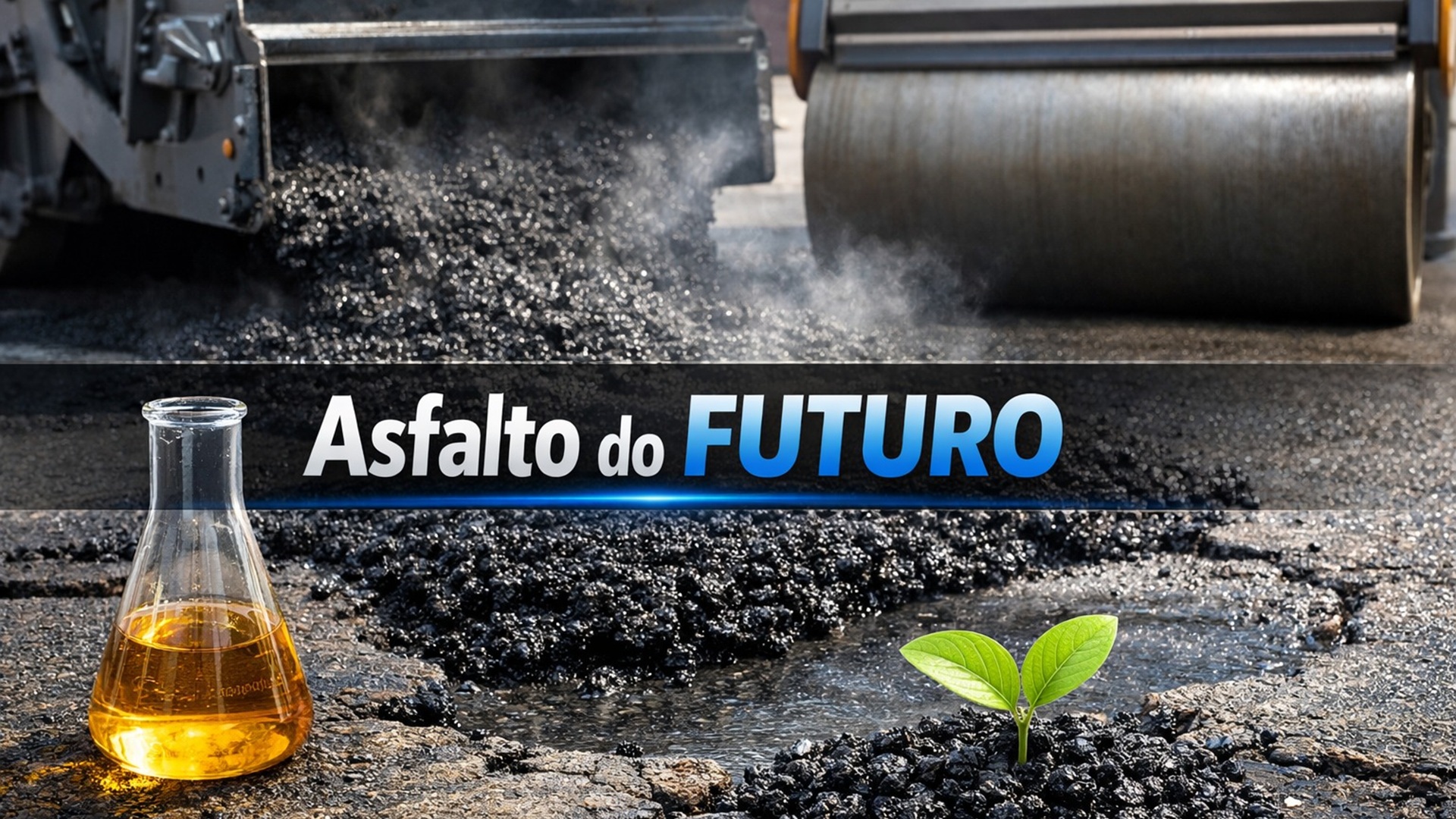
Researchers Demonstrate How The Use Of Oil From The Microalga Haematococcus Pluvialis As An Alternative Binder To Petroleum Improves Pavement Resistance Against Cracks Caused By Ice, Promotes Self-Healing, And May Bring Asphalt Production Closer To Climate Neutrality With Partial Substitutions.
A Team Led By Arizona State University Developed An Asphalt Reinforced With Algae Oil That Reduces Deformations By 70% In Extreme Cold And Decreases Emissions In Infrastructure.
Superior Performance Of The Microalga At Low Temperatures
The Study Published In The Journal ACS Sustainable Chemistry & Engineering Proposes A Shift In Focus In Infrastructure. The Central Aim Is To Reduce Global Dependence On Petroleum In The Production Of Essential Road Materials.
A Team Led By Researcher Elham Fini From Arizona State University Spent Years Exploring Oils. The Focus Of The Research Was To Understand How Compounds From Seaweeds Behave Similarly To Bitumen.
-
Space technology used to search for water on Mars is now hunting for invisible leaks under the streets of São Paulo, using satellites, AI, and chlorine signals to help Sabesp recover up to 6.7 billion liters of water.

-
Japan sends ship to extract mud rich in rare earths at nearly 6,000 meters deep in the Pacific, attempts to lift 350 tons per day from the seabed, and transforms sediments near Minamitori Island into a strategic weapon to reduce dependence on China.
-
Venus Aerospace promises a rotating detonation hypersonic engine that takes the Stargazer to Mach 9 and crosses oceans in 1 hour, but the flight that made history barely surpassed the speed of sound.

-
Brazilian student creates a cheap formula that makes plants grow up to 90% faster and wins an award in a global scientific competition.




The Researchers Used Computational Models To Analyze Oils From Four Different Species Of Algae. They Assessed The Chemical Compatibility Of These Oils With The Solid Components That Form The Basic Structure Of Asphalt.
The Freshwater Green Microalga Haematococcus Pluvialis Stand Out Among The Species Analyzed By The Scientists. This Organism Has Been Used For Years In The Industry To Produce Astaxanthin, A Kind Of Known Natural Antioxidant.
The Oil Derived From H. Pluvialis Offered Greater Resistance To Permanent Deformation Under Traffic Loads. Previous Studies Had Already Indicated That These Oils Could Generate Superior Products To Bitumen In Cold Conditions.
Laboratory Tests Simulated Both Vehicle Traffic And Repeated Freeze-Thaw Cycles. The Pavements That Used This Binder Showed A Recovery Up To 70% Greater After Deformation Compared To Conventional Asphalt.
Solution For Structural Failures Of Bitumen
Traditional Asphalt Is Held Together By Bitumen, A Viscous Substance Derived From Petroleum Refining. Its Function Is To Bind The Aggregates And Allow Expansion With Heat And Contraction.
The Problem Drastically Arises When Temperatures Drop Below Freezing In Regions With Harsh Climates. Bitumen Loses Its Natural Flexibility, Becomes Brittle, And Various Cracks Begin To Appear On The Surface.
The Freeze-Thaw Cycles Generate Internal Stresses That Ultimately Cause Severe Damage. This Process Results In Structural Deformations And Potholes That Are Costly To Repair And Environmentally Harmful.
The Team Developed An Alternative Binder From Algae Oil To Avoid These Damages. The New Compound Exhibits A Stickier Behavior And Maintains Functional Integrity Even At Low Temperatures.
According To Researcher Fini, Seaweed-Derived Compounds Improve Moisture Resistance. Additionally, They Provide Elasticity And Promote A Certain Degree Of Self-Healing Necessary In The Pavement Over Time.
Direct Impact On Carbon Emissions
Replacing Just 1% Of Fossil Bitumen With An Algae-Based Binder Reduces Emissions. The Team Estimates That This Small Change Would Lower Net Asphalt Emissions By About 4.5%.
The Scientists Calculate That If The Substitution Reached Approximately 22%, The Material Would Change Drastically. In This Hypothetical Scenario, Asphalt Could Effectively Approach Climate Neutrality In Its Production And Application.
These Numbers Presented Are Conservative And Do Not Represent Grand Promises Of Immediate Solutions. However, They Open An Interesting Possibility For Reducing The Carbon Footprint In Everyday Infrastructure Works.
This Approach Is In Full Accord With A Growing Trend In Modern Civil Engineering. The Idea Is To Rethink Materials From The Initial Design Stage, Not Just From The Maintenance Perspective.
Application Prospects And Feasibility
In The Short Term, The Most Logical Application Of This Technology Is In Cold Geographic Regions. These Are Areas Where Pavement Maintenance Entails A High Environmental Cost And Also A High Financial Cost.
In The Medium Term, Algae Oil Production Processes Can Be Optimized And Expanded. This Way, The Model Could Be Extended To Dense Urban Environments And More Extensive Road Networks.
This Type Of Modified Asphalt Will Not Transform The Entire Global Transportation System On Its Own. But It Can Become A Useful Piece Of The Puzzle To Face The Challenges Of Climate Change.
More Resilient Roads To Extreme Weather Conditions Mean A Better-Adapted Infrastructure. This Is Vital In A Scenario Of More Unpredictable Winters And Episodes Of Severe Cold Affecting The Road Network.
This Innovation Is Applied Engineering With An Environmental Focus That Does Not Require Changes In Habits. It Is Merely A Technical Improvement Of What Already Exists, Ensuring That Progress Continues Sustainably.


-

-

-

7 people reacted to this.