






 Portuguese
  Spanish


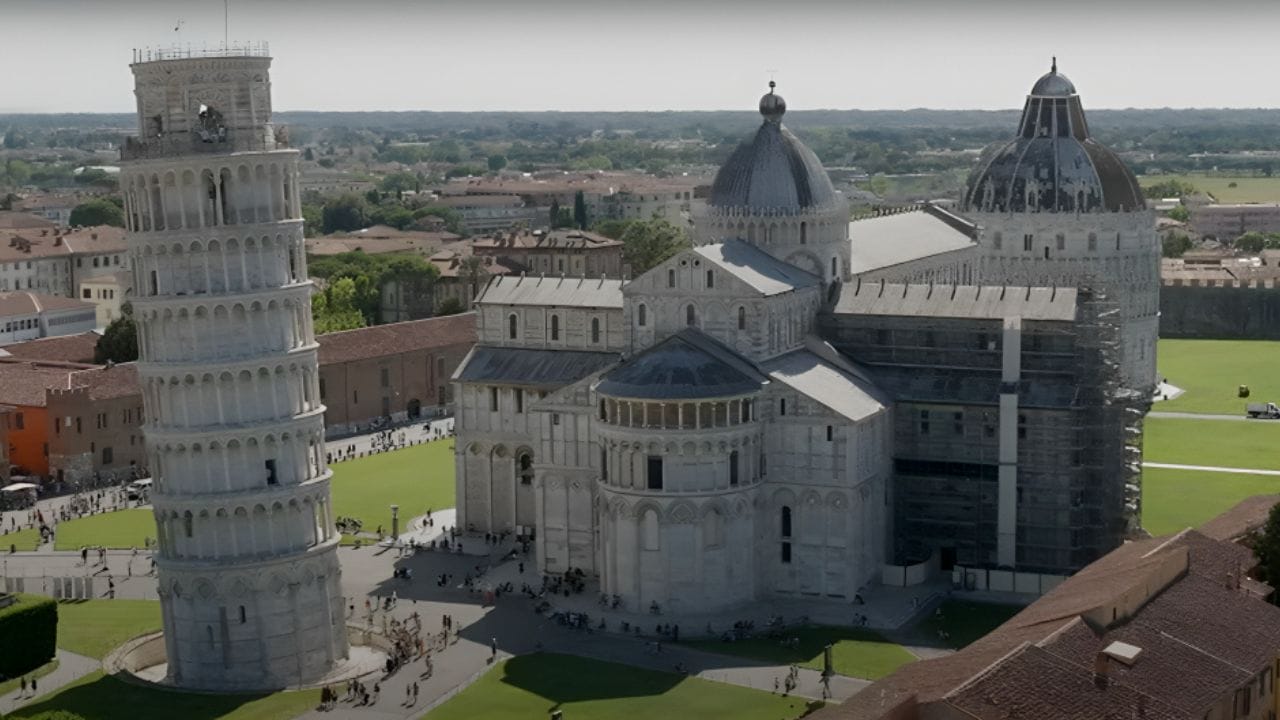

Engineers Triumph Over Physics, See the Fascinating Journey to Stabilize the Iconic Leaning Tower of Pisa, Combining Technical Innovation with Historical Preservation.
The historic Leaning Tower of Pisa, famous for its intriguing lean, had its fate transformed thanks to the ingenuity and precision of dedicated engineers. For centuries, this iconic structure continued to lean dangerously, culminating in a closure to the public in 1990, when the fear of an imminent collapse was immense. The Italian government, in an attempt to save the tower, called upon a team of engineers, architects, and historical restoration experts to develop a rescue plan.
The complexity of the challenge lay not only in the need to stabilize the tower but also in preserving its historical appearance, including the characteristic lean. The committee began its work with an extensive characterization of the situation, employing everything from soil tests to computational models, to fully understand the conditions and risks involved. The analysis indicated that the tower was extremely close to collapse, with a safety factor estimated at just 1.07.
Well-Devised Steps for the Realization of a Certain Plan Without Damaging the Structure
The first step of the action plan involved temporary measures, including the construction of a concrete ring around the base of the tower and the addition of about 600 tons of lead ingots on the north side, acting as a counterweight. Although visually unappealing, these measures proved effective, successfully reducing the lean for the first time in history.
-
Nigerian Housing Crisis Addressed with Innovative Solution: Architect Builds Solar-Powered Modular Homes from Recycled Waste in Just 4 Hours for Low-Income Families

-
Mushrooms, orange peels, and agricultural waste are being turned into insulation panels for construction, replacing conventional materials with grown rather than manufactured walls.

-
House Built with 1.5 Tons of Recycled Plastic Completed in 10 Days in India, Transforming a Waste Picker’s Life and Tackling Urban Waste

-
Brightline to Connect Los Angeles and Las Vegas in Two Hours with the First U.S. Electric High-Speed Train, a $12 Billion Project Aiming to Reduce Road Traffic




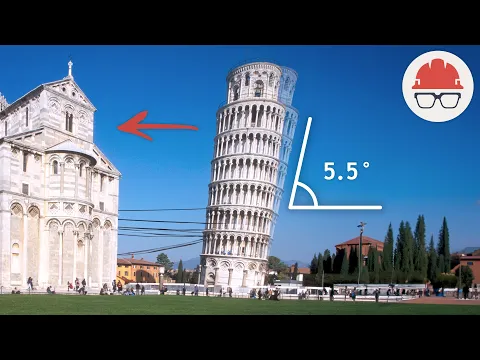

However, the search for a permanent solution led the team to explore various options, including the removal of soil beneath the tower, a method known as “under-excavation”. This technique involved carefully removing soil through inclined drilling, with precise control to correct the lean. A safeguard system with cables was installed to prevent unwanted movements during the process.
After successful tests and meticulous adjustments, the under-excavation was applied to the tower in 1999, with promising results. Over the course of a year, 38 cubic meters of soil were removed, resulting in a reduction of the tower’s lean by about half a degree. This achievement reverted the state of lean to what it was in the early 1800s, significantly decreasing the risk of collapse.
The engineers, such as Michele Jamiolkowski, at the end of the project, decided not to completely straighten the tower, maintaining its iconic lean as an integral part of its historical character. The intervention of the engineering team at the Leaning Tower of Pisa is a testament to human skill in combining practical engineering with historical preservation, ensuring this architectural wonder continues to fascinate future generations.


