





The Brazilian market for imported foods is experiencing a moment of expansion driven by the appreciation of gastronomy, the increase in the consumption of premium products, and the growth of specialized retail.
According to Banca do Ramon, items such as Parma ham, chorizos, salamis, European cheeses, extra virgin olive oils, cold cuts, and smoked meats have gained space on Brazilian tables and represent an important source of revenue for emporiums, delicatessens, and high-end supermarkets.
Although Brazil is one of the world’s largest food producers, the demand for imported products continues to grow. After all, many consumers seek unique gastronomic experiences, products with protected geographical indication, and foods produced by traditional methods, mainly from Italy, Spain, Portugal, and France.
-
Historic Factory in Zaragoza Closes After Over 50 Years, Leaving Dozens Unemployed and Ending an Era in Spain’s Industrial History

-
Danish Island Uses Seaweed for Durable, Centuries-Old Roofing Solution

-
Brazilian Company in Minas Gerais Innovates by Using Electric Currents to Extract Critical Metals from Industrial Waste
-
Indian Project Aims to Recover Zinc and Silver from Mining Waste, Targeting Over ₹3.8 Billion Revenue in 28 Months
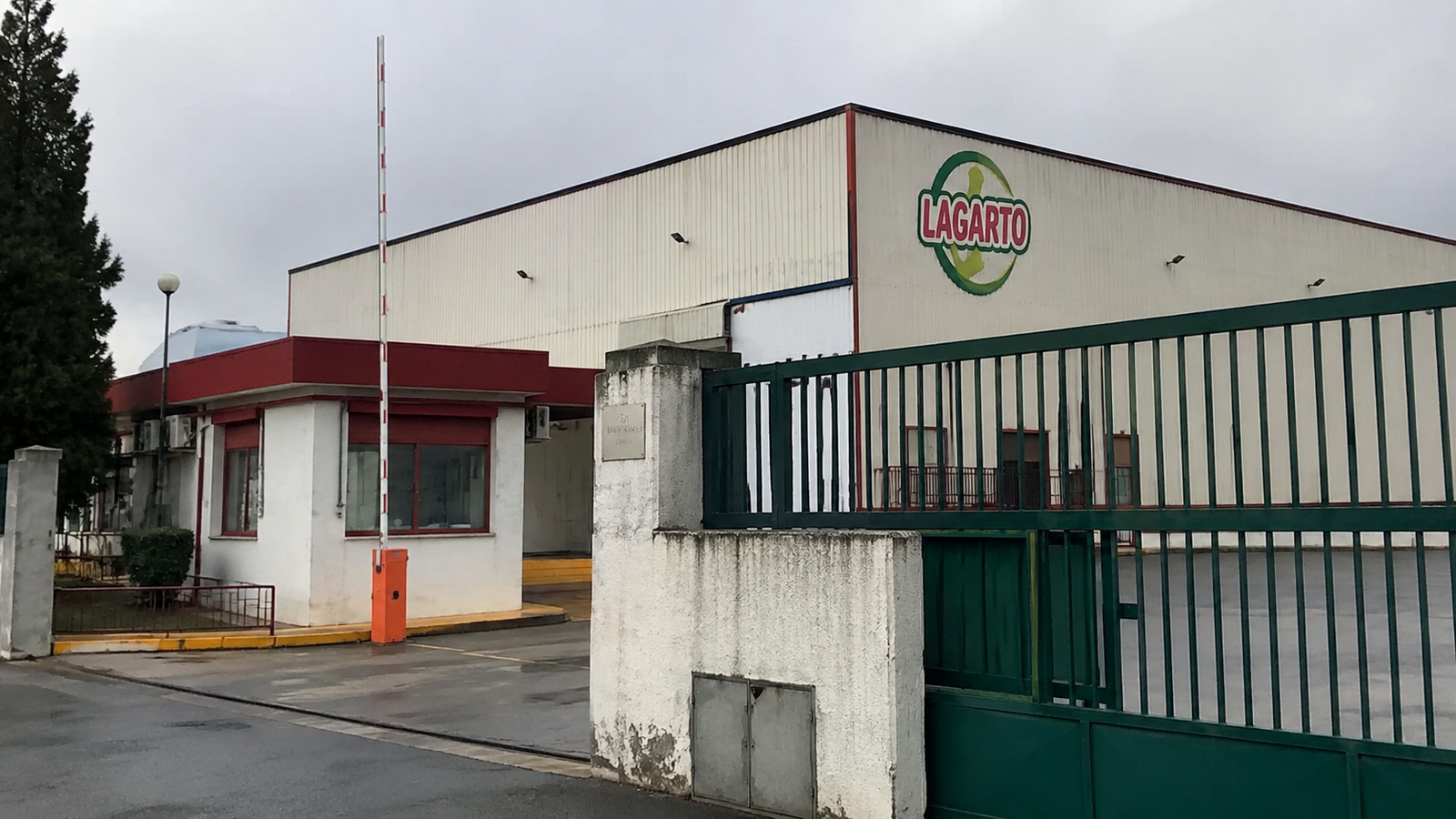



Brazil is among the largest consumers of olive oil in the world
Extra virgin olive oil is one of the main imported products sold by Brazilian specialized retail. Even without being a major producer, Brazil ranks among the largest consumer markets in the world, accounting for about 9% of global olive oil imports and approximately 3.1% of world consumption. (Source: International Olive Council – IOC)
The importance of this market can also be measured by the financial volume. In 2024, Brazil imported about US$ 780 million in olive oils, consolidating the product as one of the main premium foods sold in the country. A large part of this volume comes from Portugal, Spain, and Italy, world references in the production of high-quality extra virgin olive oils. (Source: Olive Oil World Congress)
Premium food market follows retail growth
The increase in sales of products such as Parma ham, chorizos, salamis, cold cuts, smoked meats, special cheeses, and olive oils accompanies the good moment experienced by the Brazilian food retail sector.
In 2024, the national supermarket sector moved approximately US$ 197 billion, registering a growth of 9.3% compared to the previous year and representing about 9.1% of the Brazilian Gross Domestic Product (GDP). (Source: USDA Foreign Agricultural Service)
The Brazilian food industry, meanwhile, reached a record revenue of approximately R$ 1.277 trillion in 2024, equivalent to about 10.8% of the national GDP, reinforcing the economic relevance of the food segment for the country. (Source: Brazilian Food Industry Association – ABIA)
Imported cheeses move hundreds of millions of dollars
Specialty cheeses also play an important role in this market. In 2024, Brazil imported approximately US$ 300 million in cheeses, mainly from Argentina, Uruguay, Italy, France, and the Netherlands. (Source: USDA Foreign Agricultural Service)
In addition to traditional parmesan, gouda, and emmental, there is growing demand for products like brie, camembert, pecorino, grana padano, manchego, gorgonzola, and goat cheese, widely used in cold cuts boards, wine pairings, and gastronomic experiences.
The popularization of this habit has led many consumers to purchase these products throughout the year, not just on special occasions.
Premium smoked and cured meats gain space in consumption
Another segment showing constant growth is that of cured meats and sausages. Products like Parma ham, Spanish cured ham, chorizos, Italian salamis, coppa, pancetta, artisanal bacon, and smoked loins have become part of the menu in restaurants, hotels, bars, and among consumers who value foods produced by traditional methods.
Besides superior quality, many of these foods have origin certifications, such as Protected Geographical Indication (PGI) and Protected Designation of Origin (PDO), ensuring authenticity and adding value to the product.
Consumers increasingly invest in higher value-added products
Even in the face of food inflation in various recent periods, Brazilian consumers have shown a willingness to invest in premium products. Consumer behavior studies show a growing preference for higher quality foods, known provenance, and differentiated gastronomic experiences, even if this represents a higher average ticket. (Source: NielsenIQ)
This trend directly boosts categories such as imported oils, specialty cheeses, cured hams, artisanal sausages, preserves, nuts, and other gourmet foods sold by specialized retail.
The outlook is for continuous growth
Projections are also positive for the coming years. The Brazilian olive oil market is expected to grow, on average, 3% per year in value and 5.6% per year in volume until 2029, driven by the growing interest in healthy eating and the appreciation of the Mediterranean diet. (Source: Certified Origins Market Report)
With consumers increasingly interested in differentiated products, specialized retail should continue expanding its offer of imported foods. Parma ham, chorizos, smoked meats, salamis, European cheeses, and extra virgin oils remain among the products that add the most value to the sector, moving hundreds of millions of reais per year and strengthening a market that combines tradition, quality, and gastronomic sophistication.


