





 Portuguese
  English
  Spanish
  4 min of reading
  2 comments


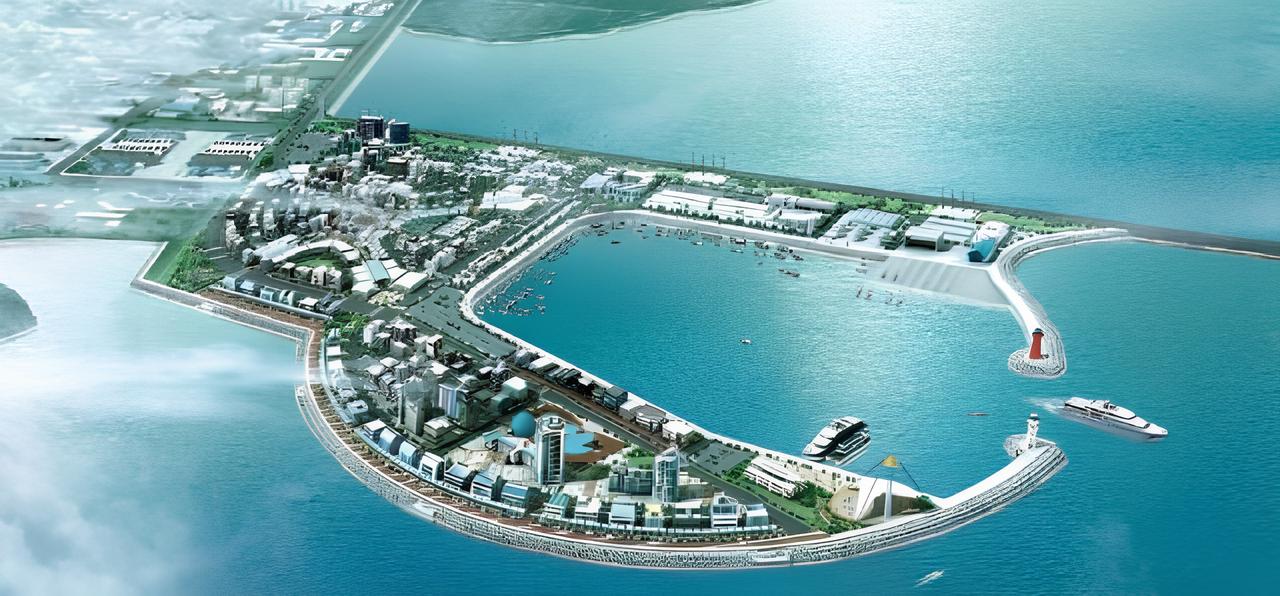


Saemangeum Project in South Korea Closed a Sea with a 33 km Dike, Created Farmland, and Generated Massive Environmental, Economic, and Logistical Impacts.
South Korea has played a leading role in one of the most radical coastal interventions ever carried out by human engineering with the Saemangeum Project, a work that literally closed part of the Yellow Sea with a 33-kilometer long dike, permanently altering the geography, ecosystems, and economy of a vast region of the country. This is a territorial transformation on a scale rarely seen outside of historical megaprojects such as the Dutch dikes or the large Chinese dams, but with even more complex environmental and political impacts.
The project was conceived to address structural limitations in South Korea, a highly industrialized and densely populated country facing chronic shortages of flat arable land. By closing off a large coastal area, the South Korean government bet on creating new productive land, food security, industrial development, and logistical expansion, at the cost of profound environmental reconfiguration.
What Is the Saemangeum Project and Where Was It Built
The Saemangeum Project is located on the west coast of South Korea, between the provinces of Jeollabuk-do, involving former maritime and estuarine areas of the Yellow Sea.
-
At an altitude of 4,085 meters, the Agua Negra Tunnel returns to priority in 2026 after a meeting between José Antonio Kast and Javier Milei, with two parallel tunnels of 13.9 km, a 535-meter ventilation shaft, and a corridor costing approximately US$1.5 billion to bring the Southern Cone closer to the Pacific.

-
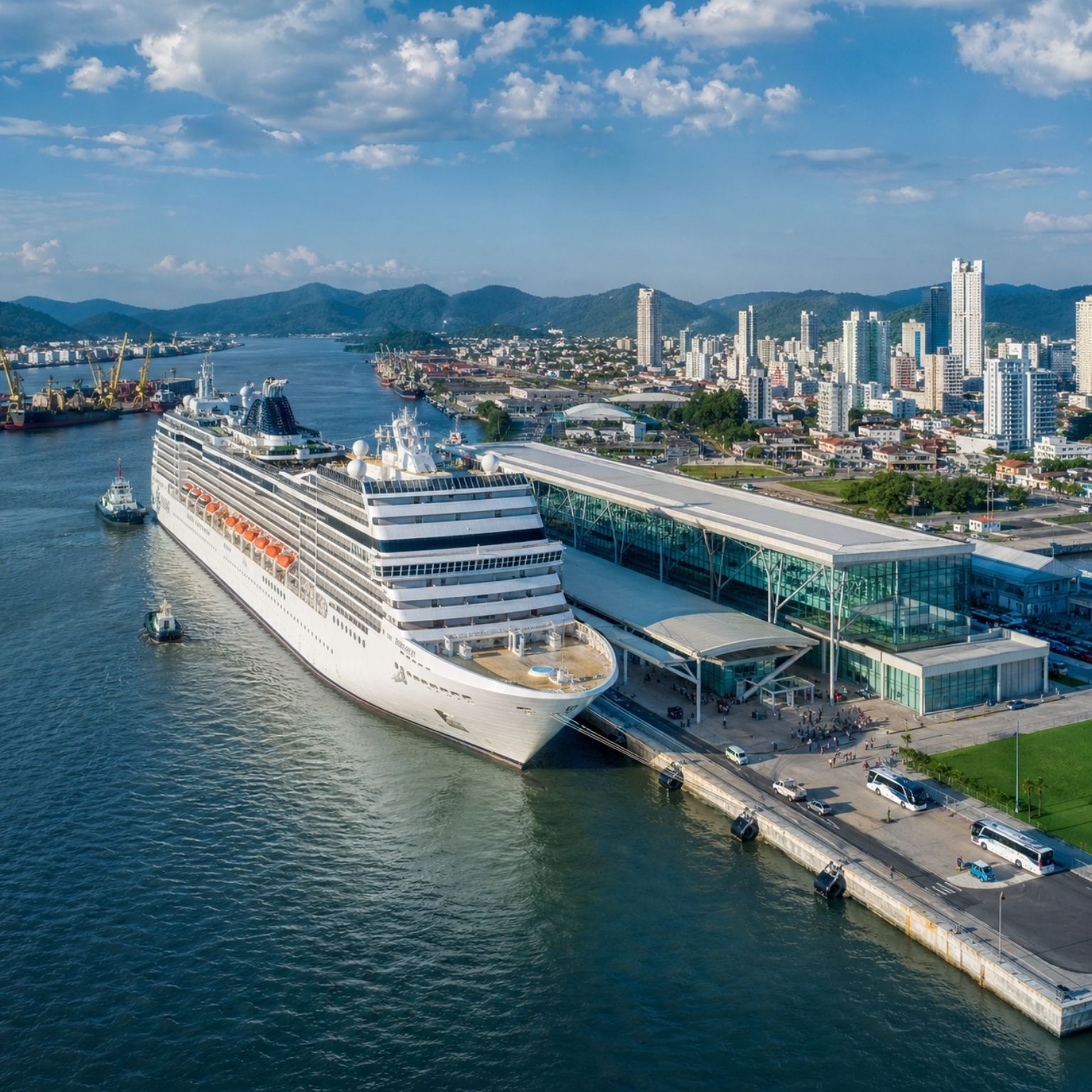
Itajaí presents an international-standard cruise terminal, over 20,000 m² and with a structure for the largest ocean liners, after a season with 37 calls and 160,000 passengers, in a project that aims to unlock port operations and transform the city into a maritime tourism powerhouse.

-
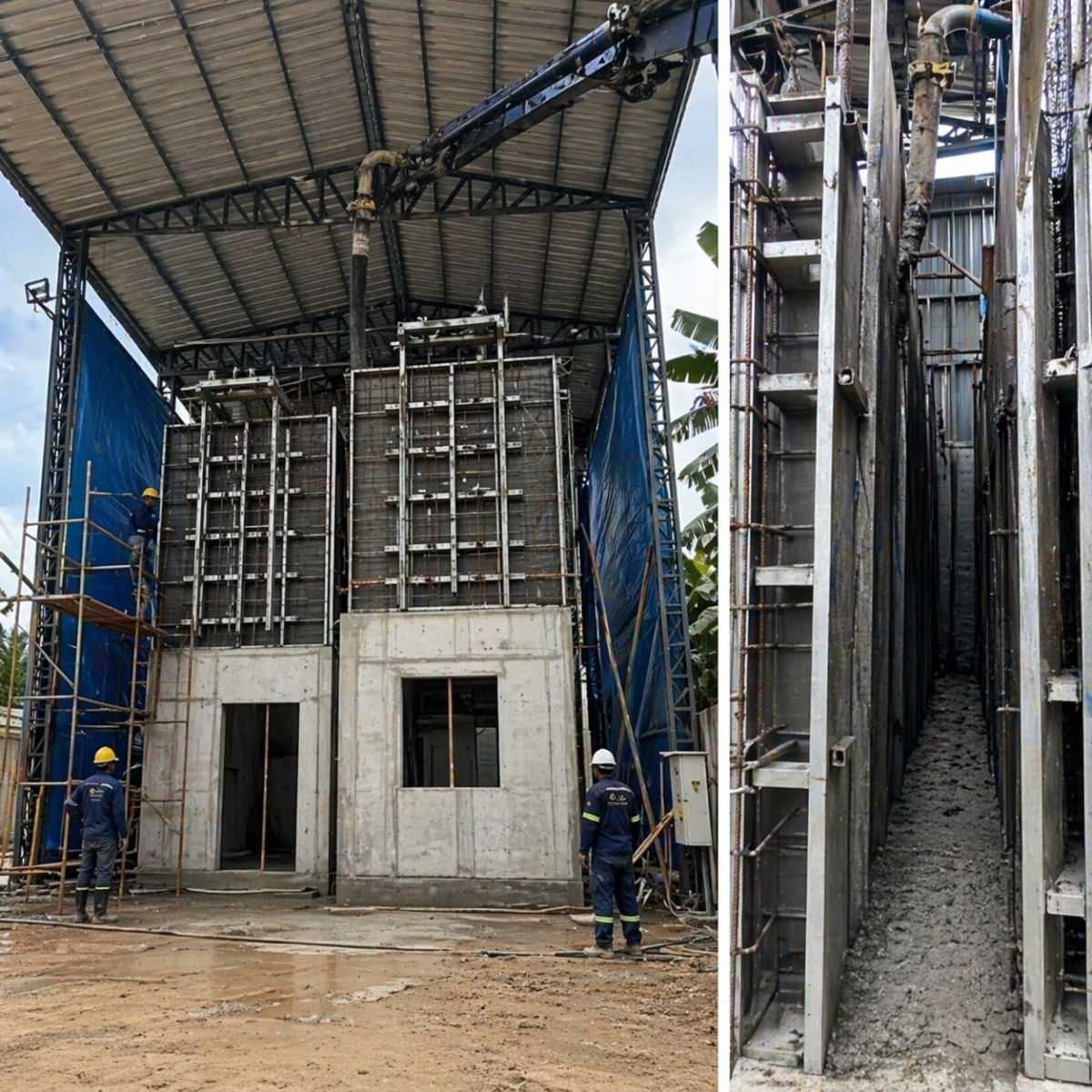
It’s not a 3D printer: an inventor from Pará created a construction robot that ejects reinforced concrete into molds and builds an entire house at once, reduces labor by 50%, saves 20% on cost, and is already negotiating over 1,000 units across Brazil.

-
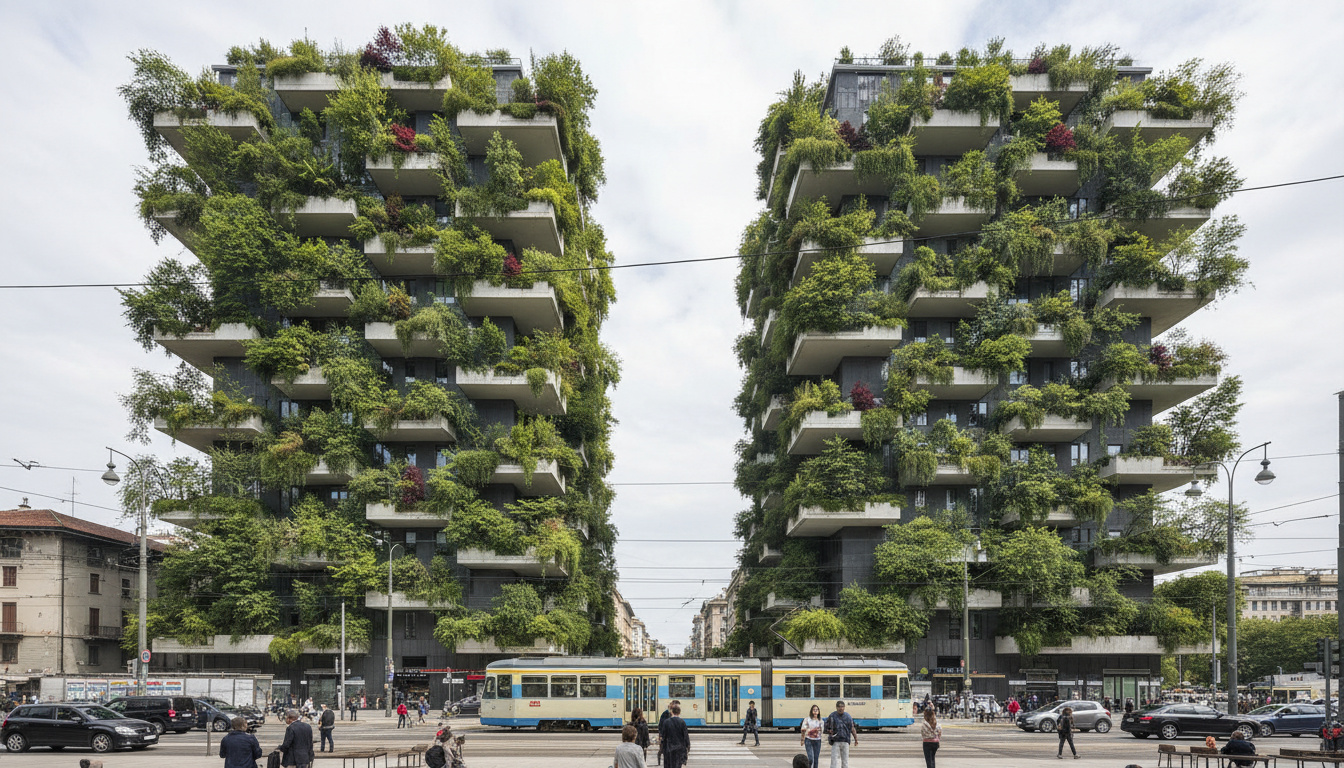
Two residential towers in Milan were covered with 900 trees and 20 thousand plants on the balconies, together equivalent to 2 hectares of suspended forest in the middle of the city, and have already inspired projects on 5 continents.



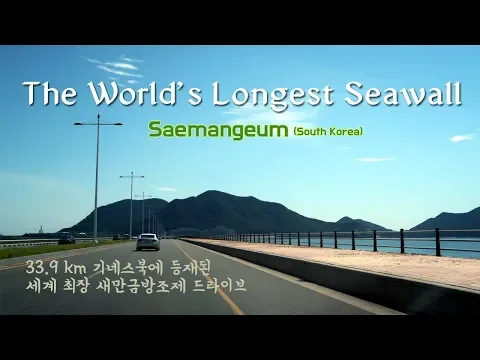
The heart of the project is a dike of approximately 33 kilometers, considered one of the largest marine dikes in the world, even surpassing similar works in Europe in continuous length.
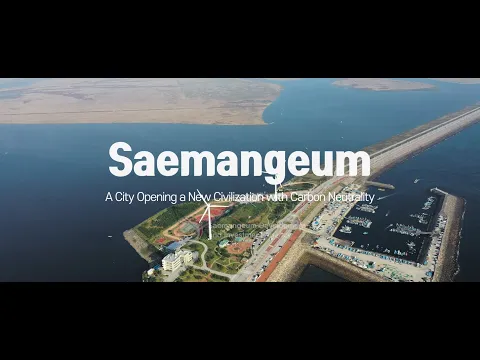

The construction of the main dike was completed in 2010, after approximately 19 years of work, involving large-scale dredging, massive landfill, and advanced coastal engineering to withstand strong tides, storms, and extreme salinity.
In the end, the dike isolated an area of approximately 401 km², consisting of about 283 km² of new land and 118 km² of freshwater reservoirs, converting what was once open sea into territory controlled by the state.
Why Did South Korea Decide to Close Part of the Sea
The central motivation was strategic. South Korea has less than 20% of its territory naturally suitable for agriculture, faces constant urban pressure, and heavily relies on food imports. Saemangeum emerged as a response to three simultaneous challenges:
First, expanding farmland for rice and other staple crops to reduce food vulnerabilities. Second, creating industrial and logistical areas near strategic ports and export corridors. Third, water control, with freshwater reservoirs for irrigation and urban use.
The project was also presented as a regional development engine, capable of reducing economic inequalities between the west coast and the richer southeast regions of the country.
The Environmental Impact: Closed Ecosystems and Affected Biodiversity
The closure of the sea had profound environmental consequences. The Saemangeum region housed one of the largest tidal flat areas in East Asia, extremely productive ecosystems that sustained migratory birds, fish, shellfish, and entire food chains.
With the dike, the natural flow of saltwater was interrupted, altering salinity, reducing oxygenation, and leading to the collapse of several local species.
Environmental studies indicated drastic declines in migratory bird populations, especially species that used the area as a resting point on their routes between Siberia and Southeast Asia.
The water quality within the reservoir also became a challenge. Without natural marine circulation, the risk of eutrophication, algae blooms, and chemical degradation required additional investments in water management and continuous environmental oversight.
From Agricultural Promise to Project Reconfiguration
Initially, Saemangeum was primarily envisioned as an agricultural project, but over the years, the South Korean government has revised its objectives. Challenges in soil desalination, high costs, and environmental criticisms led to a shift in focus.
Today, a large part of the area is directed towards industrial complexes, logistics centers, technology parks, renewable energy, and planned urban infrastructure. The project has come to be seen as a “city of the future” under construction, integrated into special economic zones and international trade corridors.
This shift reflects a technical reality: transforming sea into agricultural land is possible, but expensive, slow, and environmentally sensitive. In contrast, industrial and technological use offers faster economic returns, although it still requires stringent environmental care.
Engineering on a Continental Scale
From a technical perspective, Saemangeum is an extraordinary feat. The dike was designed to withstand waves exceeding 8 meters, strong maritime currents, and decades of exposure to corrosive environments. Millions of tons of rock, sand, and concrete were used, along with complex drainage systems, sluices, and structural reinforcements.
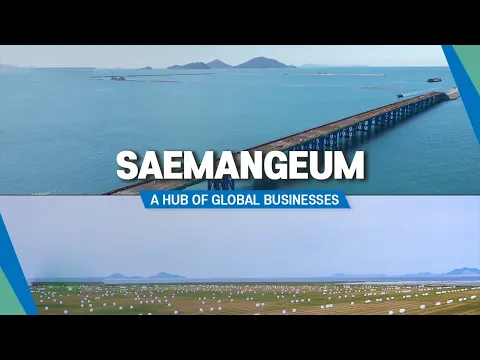
In addition to the main dike, the project includes internal canals, pumping systems, water control stations, and road networks that traverse previously submerged areas. It is an extreme example of how modern engineering can redefine natural boundaries, although not without ecological and social costs.
One of the Largest Coastal Transformation Experiments in the World
The Saemangeum Project is now studied internationally as a flagship case of large-scale coastal intervention. For some, it represents audacity, territorial sovereignty, and long-term strategic planning. For others, it is a warning about the limits of engineering in the face of complex and interdependent ecosystems.
Regardless of judgment, the fact is that South Korea literally closed a sea, created territory where there was once saltwater, and permanently altered the environmental and economic dynamics of its west coast.
Few projects in the world illustrate so clearly the human capacity to reshape geography and the dilemmas that arise when that capacity is taken to the extreme.
Saemangeum is not just a dike. It is a living laboratory where engineering, politics, economics, and nature collide daily, offering valuable lessons for any country considering following the same path.





Same concept as the late Engr Robert Marin he proposed for the MarinGate lnfrastructure Project for the Manila Bay which will also connect the two Provinces of Bataan and Cavite on the mouth of the Bay. . For more than about 20 years, all he encountered was Political corruption from various Agencies and Presidential Administrations.
This project sounds like it was lacking in pre-planning, brainstorming, risk and overall environmental future issues.