Portuguese
  Spanish


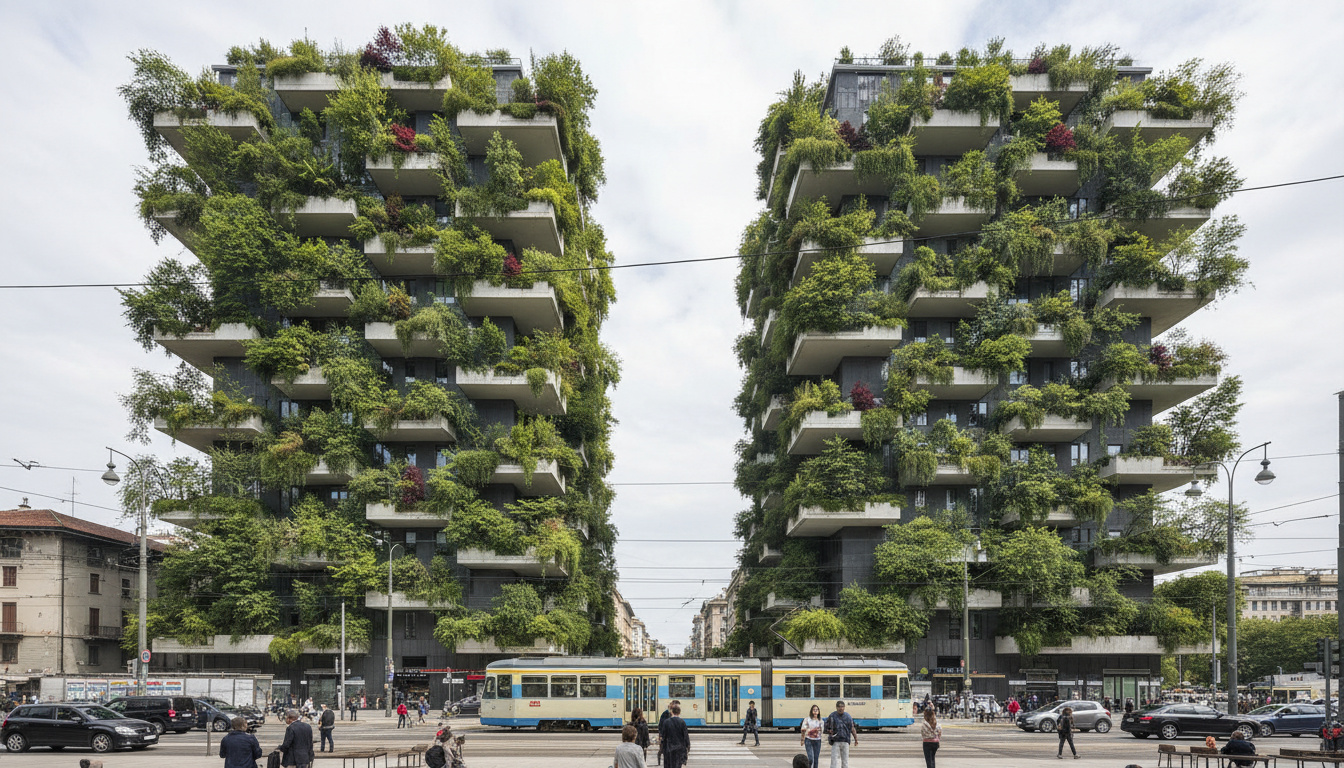


There are 900 trees up to 9 meters tall and more than 20 thousand plants including shrubs, flowers, and climbing plants distributed across the balconies of 2 residential towers in the center of Milan.
Seen from afar, the two towers look like green mountains in the middle of the city. Up close, what you see are hundreds of trees growing on the apartment balconies, as if the forest had invaded the building.
The Bosco Verticale, which means Vertical Forest in Italian, was inaugurated in 2014 in the Porta Nuova district of Milan.
The towers are 111 and 76 meters tall.
-
Thailand Converts 8 Tons of PET Bottles into 3,500 School Backpacks, Showcasing Circular Economy with Over 40 Factories Involved

-
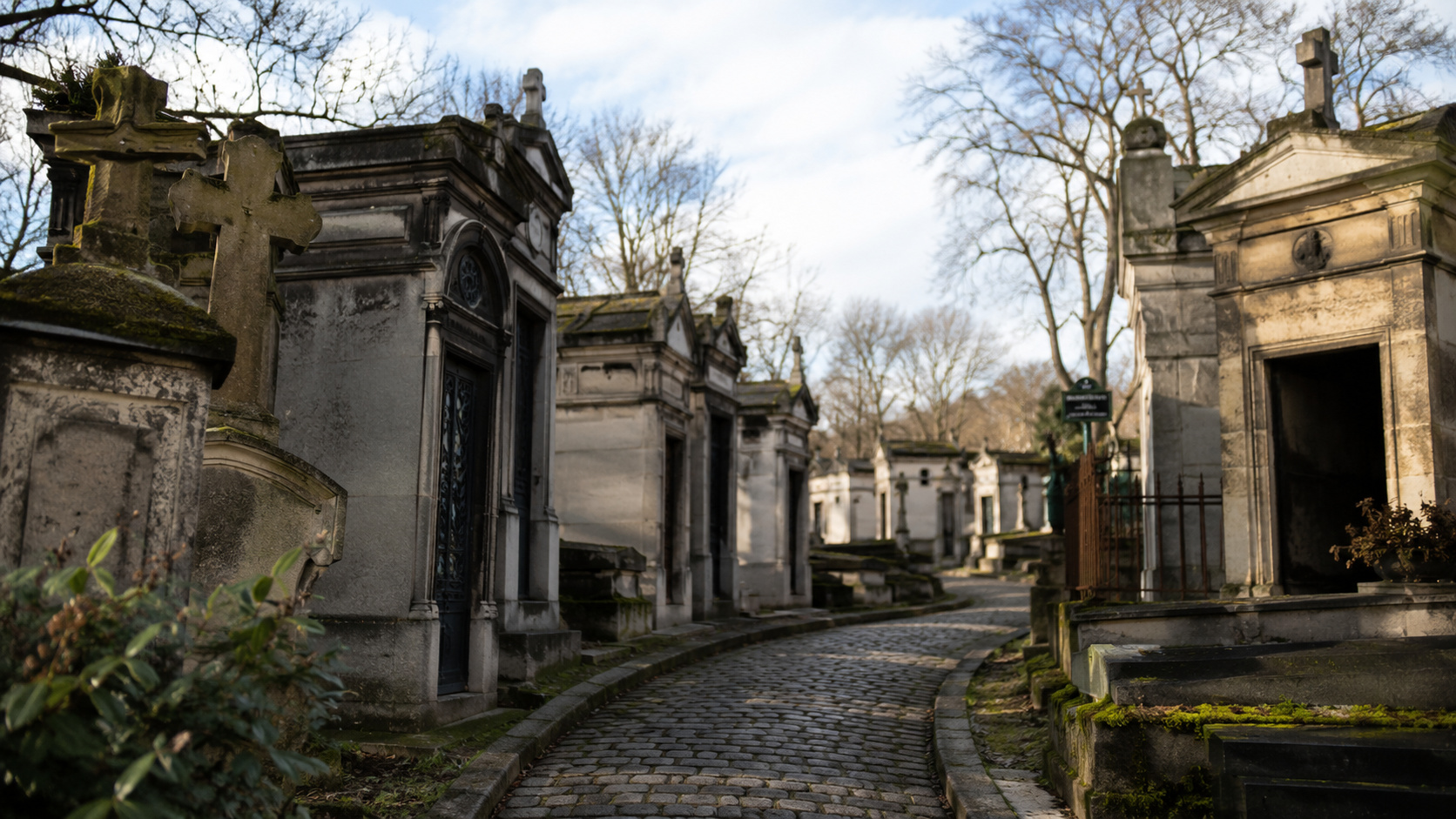
Mysterious Bats Spotted in Paris’s Père Lachaise Cemetery, Drawing Tourists to the “Vampire Cemetery”

-
From Selling Street Food to Leading a $300 Million Construction Firm: The Journey of a Brazilian Entrepreneur

-
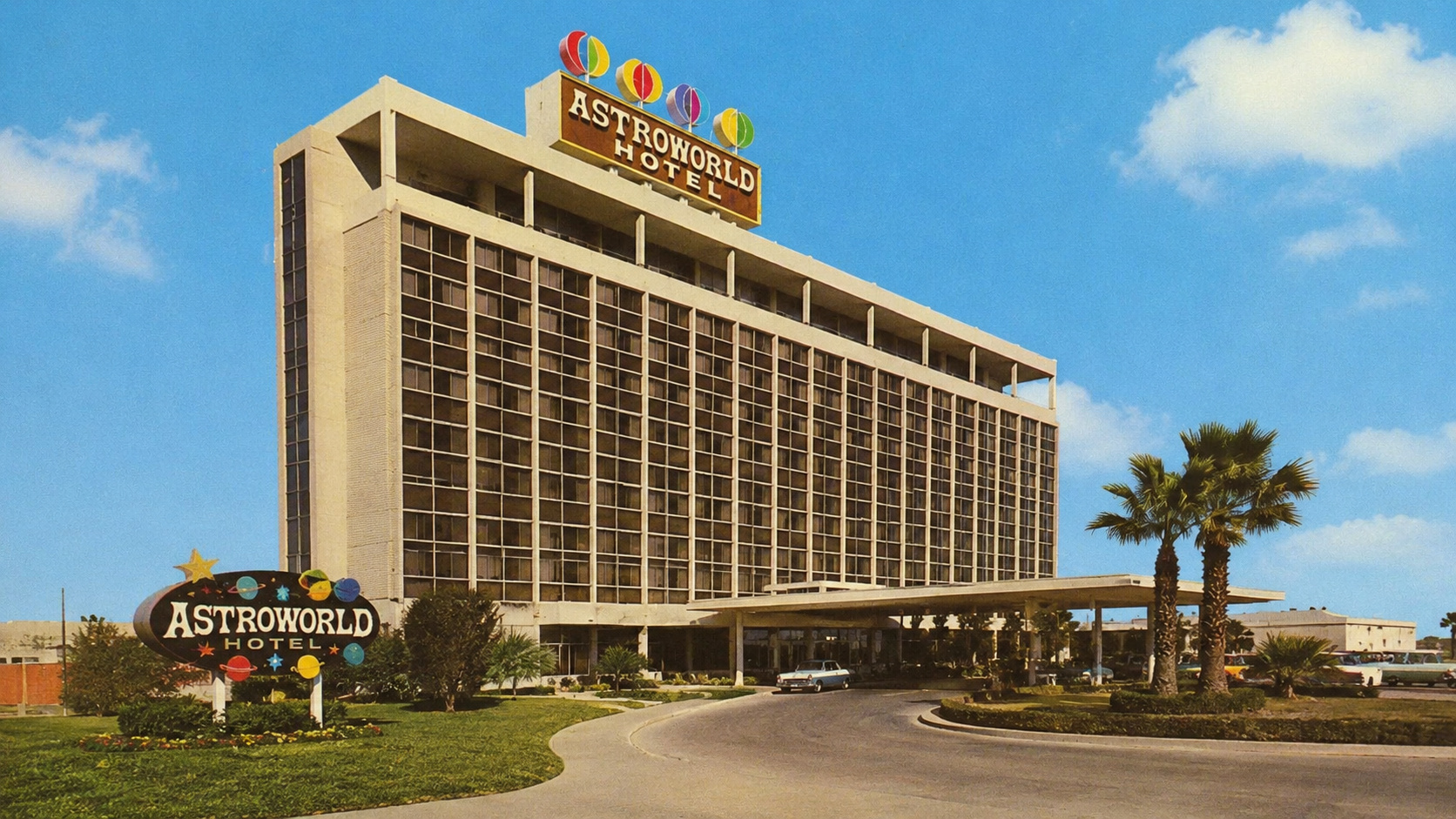
Abandoned Penthouse in Houston Reveals Million-Dollar Suite with 24-Karat Gold, Tiffany Crystals, and Opulence Even Elvis Might Have Snubbed

Together, they house 900 trees, 5 thousand shrubs, and more than 11 thousand groundcover plants and flowers.
If all this vegetation were spread on the ground, it would occupy an area equivalent to 2 hectares of forest.
But instead of being on the ground, it is suspended in the air, up to 111 meters high.
The project is by Italian architect Stefano Boeri, who wanted to prove that buildings and nature do not have to be enemies.
How trees survive at 100 meters high
Planting a tree on the ground is easy. Planting on the 27th floor of a building is another challenge.
The wind at that height is much stronger. The roots do not have deep soil. Irrigation depends on pumping.
To solve this, each tree was individually tested in a wind tunnel before being planted.
Engineers needed to ensure that no tree would be uprooted by storms.
The balconies were designed with concrete planters deep enough for the roots.
An automated irrigation system distributes water to all plants, with sensors that measure soil moisture.
A team of climbing gardeners performs periodic maintenance, rappelling down the facade.
Balconies with trees growing on the facade.

The impact on the city’s air and temperature
The trees of the Bosco Verticale absorb approximately 30 tons of CO2 per year.
In return, they produce enough oxygen for some of the neighborhood’s residents.
The vegetation also functions as a natural thermal insulator.
In summer, the leaves provide shade and reduce the need for air conditioning.
In winter, deciduous trees lose their leaves and allow sunlight to warm the apartments.
The building adapts to the seasons like a real forest.
Residents report that the temperature inside the apartments is 2 to 3 degrees lower in summer than in neighboring buildings without vegetation.
The award for the best skyscraper in the world
In 2014, the Bosco Verticale received the International Highrise Award, considered the world’s highest award for skyscrapers.
The jury highlighted the integration between nature and architecture as a model for future cities.
The project was featured on the covers of architecture magazines in dozens of countries.
Tourists travel to Milan just to see and photograph the green towers.
The building has become one of the city’s symbols, alongside the Duomo and the Teatro alla Scala.
The ripple effect: projects on 5 continents
After Milan, Stefano Boeri received commissions from cities all over the world.
A version of the Bosco Verticale is being built in Nanjing, China.
Another in Eindhoven, Netherlands. Another in Tirana, Albania. Another in Cairo, Egypt.
Boeri’s office is already working on projects on more than 5 continents.
The idea of vertical forests has become a global architectural movement.
Cities that once thought of gray buildings are now discussing green facades as public policy.
How much it costs to live inside the forest
The apartments in Bosco Verticale are not cheap.
Prices start at approximately 1 million euros for smaller units.
Vegetation maintenance is included in the condominium fee, but represents an extra cost.
Residents pay for the climbing gardeners, the irrigation system, and plant replacement.
Still, the waiting list is long. Units rarely appear on the resale market.
The question Bosco Verticale asks
Should every new building have trees?
Critics say the cost is high, maintenance is complex, and the scale is limited.
Proponents argue that the environmental, aesthetic, and quality of life benefits justify everything.
What no one disputes is that two towers in Milan changed the way people think about buildings and cities.
Before Bosco Verticale, trees belonged in squares. After it, trees can belong on balconies.
And perhaps, in the future, every big city will have at least one suspended forest in the air.