





 Portuguese
  English
  Spanish
  4 min of reading
  1 comment


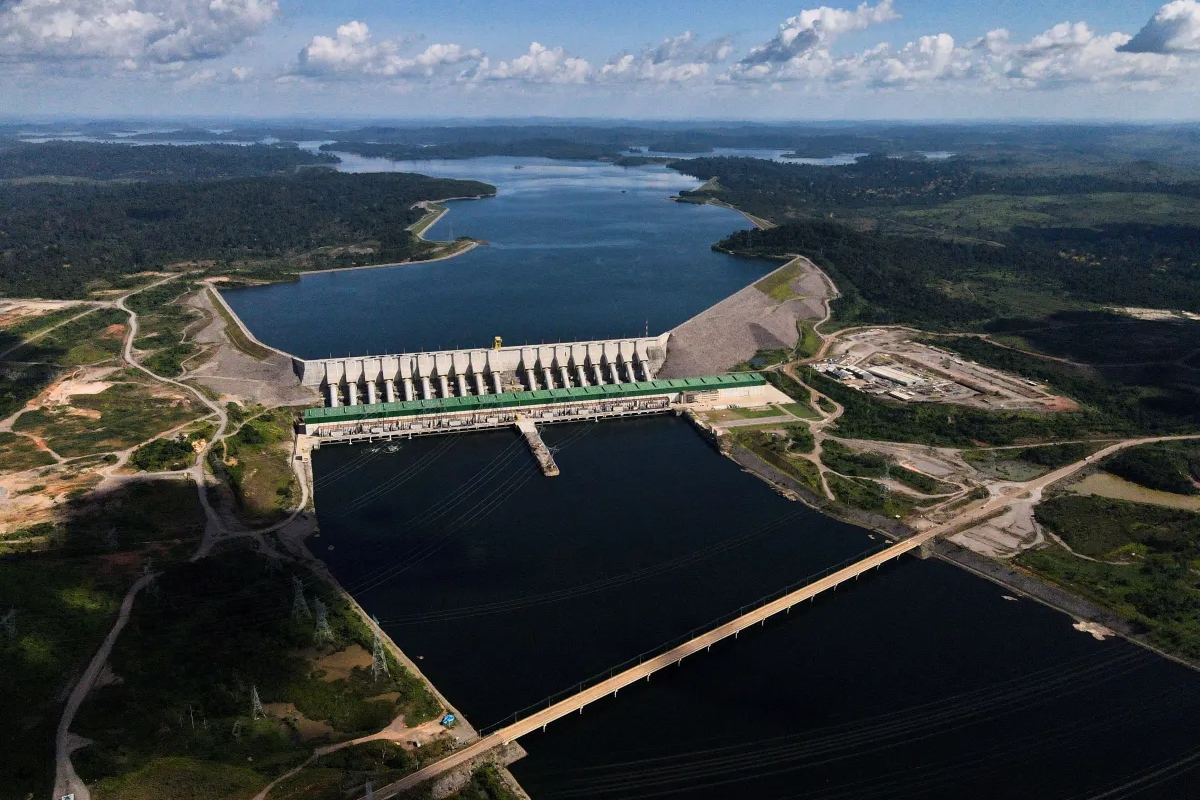


Belo Monte Draws Attention for Its Scale: Over 11,000 MW of Installed Capacity on the Xingu River (PA), with an Impact That Goes Beyond the Region and Reaches the Country’s Entire Energy Consumption
The Belo Monte Hydroelectric Plant is located on the Xingu River in the state of Pará and frequently appears in discussions about energy infrastructure in Brazil. The reason is simple: it is a large-scale endeavor, associated with an important stage of electrical generation expansion in the country.
Even those who do not follow the sector often hear about the plant because of the impact of the energy theme in daily life. When the electricity bill weighs heavily or when the reliability of the electrical system becomes a topic, projects of this magnitude naturally come into focus.
Norte Energia describes Belo Monte as a significant project within the context of Brazilian hydroelectric generation. Because the plant is in the North region, it is also often mentioned in conversations about logistics, planning, and integration of the national system.
-
At an altitude of 4,085 meters, the Agua Negra Tunnel returns to priority in 2026 after a meeting between José Antonio Kast and Javier Milei, with two parallel tunnels of 13.9 km, a 535-meter ventilation shaft, and a corridor costing approximately US$1.5 billion to bring the Southern Cone closer to the Pacific.

-
Itajaí presents an international-standard cruise terminal, over 20,000 m² and with a structure for the largest ocean liners, after a season with 37 calls and 160,000 passengers, in a project that aims to unlock port operations and transform the city into a maritime tourism powerhouse.

-
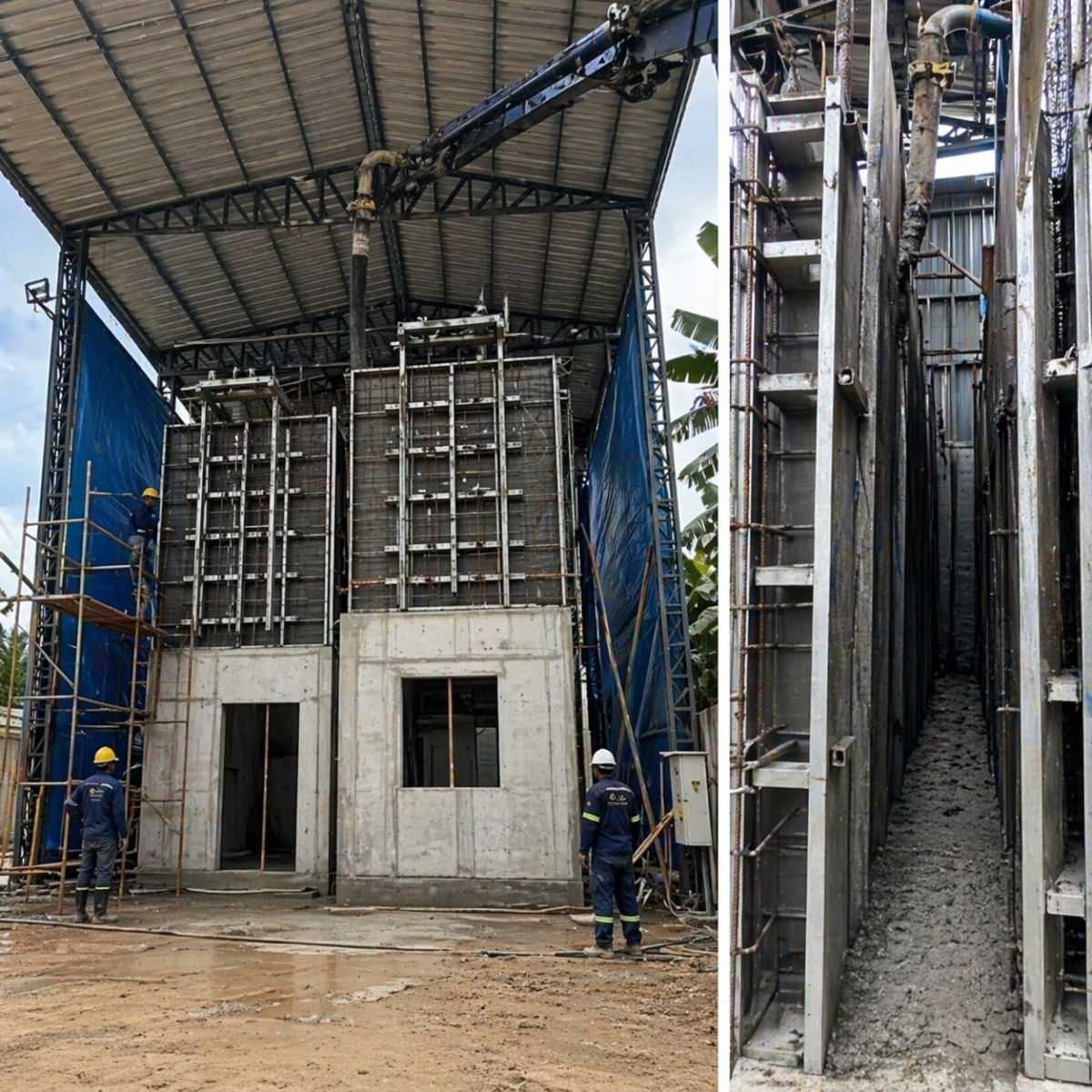
It’s not a 3D printer: an inventor from Pará created a construction robot that ejects reinforced concrete into molds and builds an entire house at once, reduces labor by 50%, saves 20% on cost, and is already negotiating over 1,000 units across Brazil.

-
Two residential towers in Milan were covered with 900 trees and 20 thousand plants on the balconies, together equivalent to 2 hectares of suspended forest in the middle of the city, and have already inspired projects on 5 continents.





What It Means to Have 11,233.1 MW of Installed Capacity
One of the most striking figures is the installed capacity of 11,233.1 MW, a number released by Norte Energia. This indicator is used to gauge the maximum generation potential of the plant under projected operating conditions.
In practice, when the public sees such a significant value, the tendency is to compare it with other sources and understand how the hydroelectric plant fits into the matrix. The data also helps explain why Belo Monte appears in analyses of energy supply and sector planning.
For readers seeking straightforward information, the number serves as a hook, but it also provides context to understand the scale. Installed capacity is not just a statistic; it is a snapshot of the size of the infrastructure needed to produce electricity in large volumes.

The Inauguration in 2016 and the Milestone of Entering the Scene
Norte Energia reports that the inauguration took place on May 5, 2016. This milestone helps place Belo Monte within a recent timeline when the country was discussing expansion, energy security, and investments in large projects.
Inauguration dates often resurface in the news on anniversaries, reports, and comparisons with other projects. It is common for the public to seek this type of information to understand whether the plant is “new” or “old” and what that might mean in terms of operational maturity.
By tying the date to the capacity figure, the narrative gains clarity. It becomes easier for the reader to realize that this is not a project on paper, but a structure already integrated into the reality of the system, with a defined history and timeline.
Who Is Impacted and Why the Topic Sparks Debate
The impact of a hydroelectric plant of this size is not limited to the location where it is installed. The topic tends to interest consumers, companies, and agents of the electricity sector because energy is linked to production costs, competitiveness, and quality of life.
For the general public, the relationship tends to appear indirectly. When the debate is about supply, price, and planning, Belo Monte comes up as a concrete example of infrastructure that influences the balance between supply and demand.
There is also interest from those following regional development. Large enterprises attract attention for mobilizing service chains, generating jobs in different phases, and requiring logistical solutions, although specific details of impacts vary depending on the analyzed scope.

What the Source Highlights and How This Becomes Consumption News
In the institutional material consulted, Norte Energia presents Belo Monte focusing on its location in the Xingu, Pará, as well as data such as installed capacity and date of inauguration. This type of information tends to be what readers most seek when trying to understand “the essentials” of a large project.
When published in news format, such information usually appears alongside typical research questions. How much does the plant generate, where is it located, when did it start operating, and why is it so widely discussed.
When the explanation is objective and well-structured, the content tends to perform better. It is not just curiosity; it is a search for reliable references to understand a topic that repeatedly appears in the news.
What May Appear Next in Public Interest
Even after the inauguration, the topic does not “die,” as energy is a matter of permanent demand. The plant continues to be mentioned in planning contexts, debates about the energy matrix, and discussions on how the country organizes its generation in different regions.
Interest also tends to grow during periods of consumption variation and attention to electricity production. When the national agenda shifts back to price, supply, or critical infrastructure, known projects reappear as references.
Therefore, Belo Monte is likely to continue yielding content, especially those that explain the basics without jargon. The public wants to understand, in direct language, what the numbers mean and why a specific plant becomes so symbolic.










A hidroelétrica de