






 Portuguese
  Spanish
  5 min of reading
  0 comments



In 2025, The Most Reliable Engines Are In Hybrid And Flex Models: Check Out The Highlights From Toyota, Honda, Chevrolet, And Volkswagen That Stand Out In The Workshops
When choosing a vehicle, engine reliability is a crucial factor to ensure durability, efficiency, and low maintenance costs. In the Brazilian market of 2025, models such as the Toyota Corolla and the Honda Civic stand out, recognized for their robust and efficient engines. This article explores the most reliable engines available in Brazil, with a special focus on the powertrains from Toyota and Honda, leaders in reputation and performance.
Toyota Corolla: Durability And Efficiency

The Toyota Corolla maintains its reputation as one of the most reliable sedans in the Brazilian market in 2025. With a history of over 50 years in the global market, the model has evolved technologically without losing its main characteristic: exceptional durability. The 13th generation, currently marketed in Brazil, incorporates the flex hybrid system, which combines an internal combustion engine with electric propulsion, offering fuel economy without sacrificing performance.
Data from the Brazilian Automotive Maintenance Association indicates that Corolla owners report 40% fewer unplanned visits to the workshop compared to the segment average. This is due to Toyota’s meticulous engineering, which prioritizes durable components and a robust powertrain construction. The maintenance interval of every 10,000 km also contributes to the model’s cost-effectiveness, making it a logical choice for those looking for a vehicle to keep for many years.
-
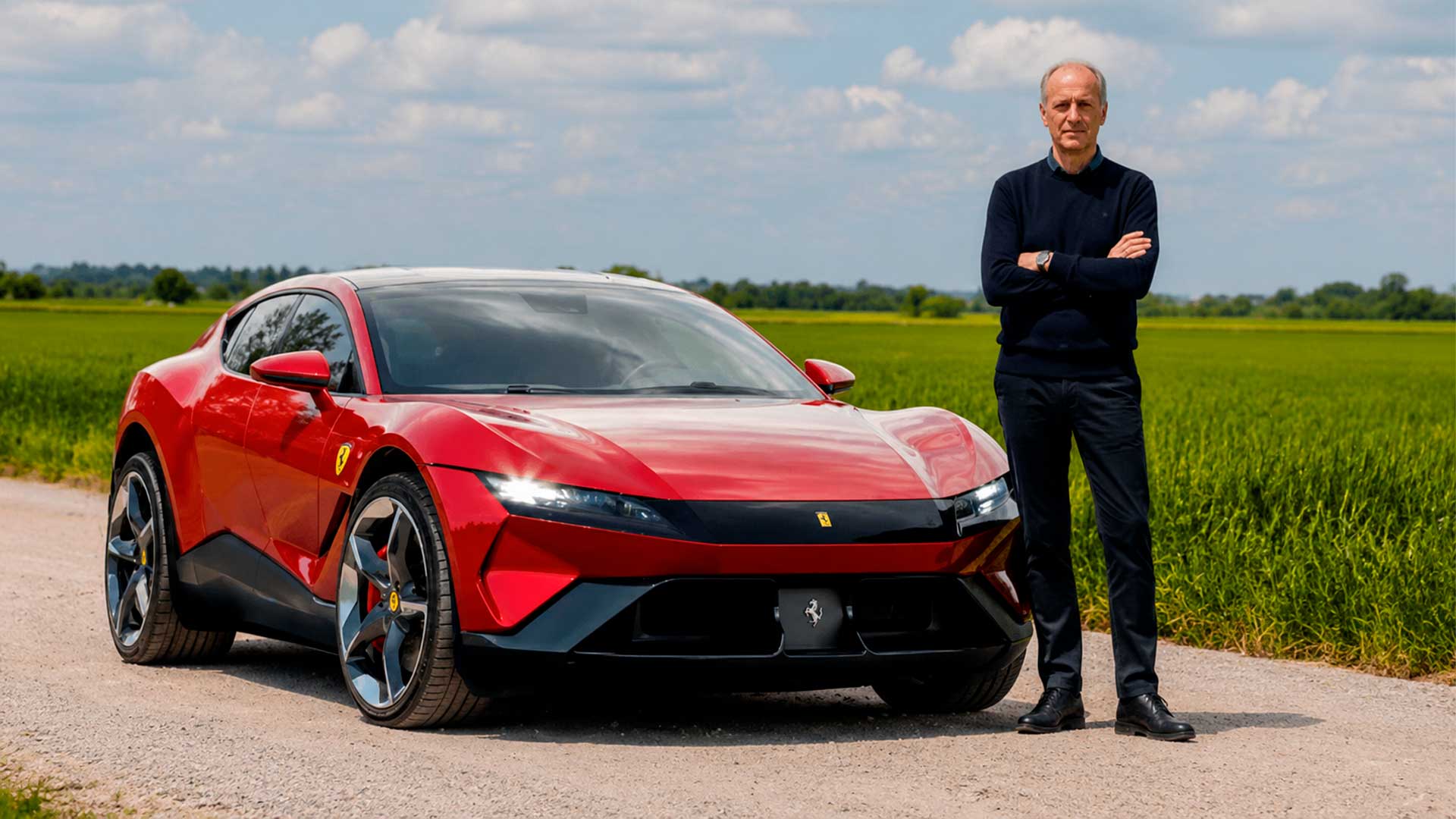
Ferrari sees more than $4 billion evaporate after unveiling its first 100% electric car priced at $640,000, with investors questioning if the Luce still looks like a Ferrari.

-
GAC launches “Chinese hybrid Kombi” with 7 seats cheaper than Tiggo 8 Pro Plug-in Hybrid in Brazil; for around R$ 177,000 in conversion without taxes, the Trumpchi E8 PHEV has a 2.0 engine, DHT transmission, an electric range of 150 km, and a premium family cabin for those living in China.

-
Electric and hybrid cars receive flood warnings: brands limit crossing to 20 or 30 cm, recommend up to 10 km/h, and warn that water on the floor can contaminate batteries, render systems unusable, and void the warranty.
-
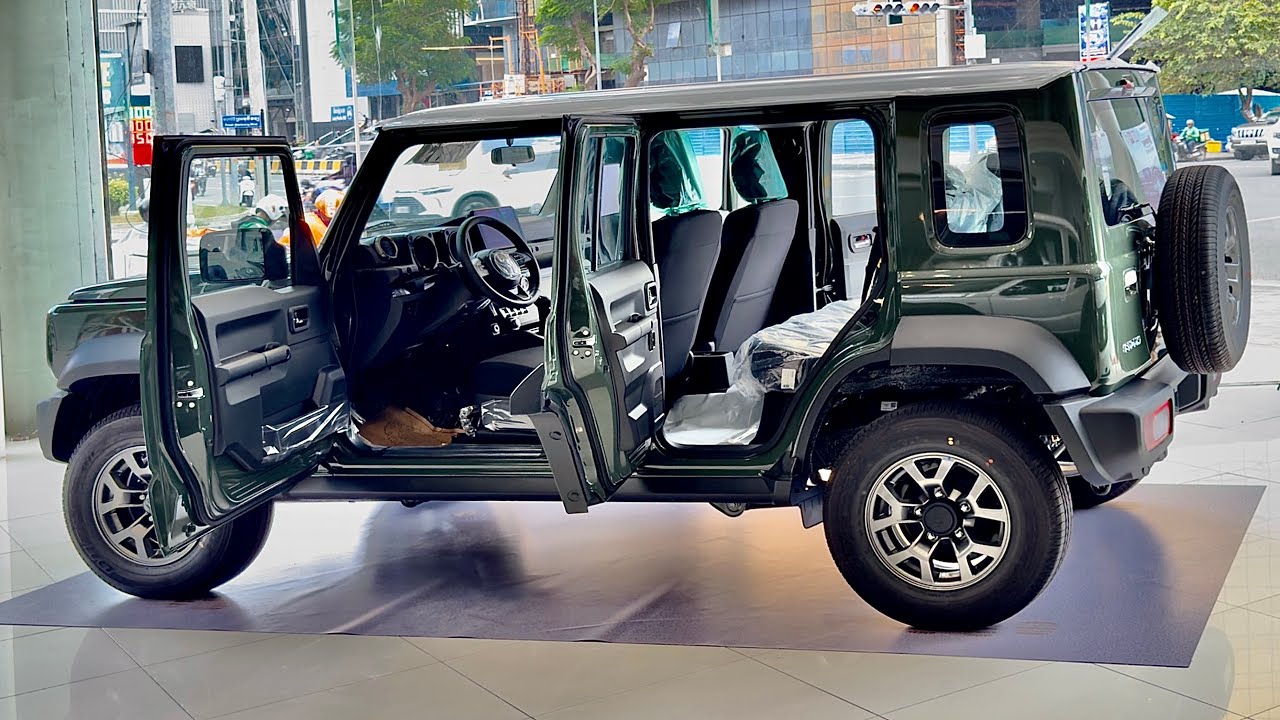
Suzuki sells a “family 4×4 SUV” with 5 doors, 1.5 engine, ladder frame chassis, 4×4 traction with reduction gear, and a price equivalent to about R$ 66,000 without taxes, below the Jeep Renegade sold in Brazil: meet the Jimny 5-Door in India.


The hybrid system of the Corolla deserves special mention. With an extended warranty of 8 years for the high-voltage battery and electric components, Toyota demonstrates confidence in the longevity of its technology. Drivers report that the simplification of the regenerative braking system has significantly reduced brake pad wear, resulting in additional savings over the vehicle’s lifespan.
Engine Specifications – Toyota Corolla 2025
- Engine Code: M20A-FKB
- Type: 4-cylinder inline, 16 valves, DOHC, Dual VVT-iE
- Displacement: 1,987 cm³
- Maximum Power: 175 hp at 6,600 rpm (ethanol) / 169 hp at 6,600 rpm (gasoline)
- Maximum Torque: 21.3 kgfm at 4,400 rpm
- Compression Ratio: 13:1
- Transmission: CVT automatic simulating 10 gears
- Traction: Front
Performance
- Acceleration (0 to 100 km/h): 9.2 seconds
- Top Speed: 205 km/h
Fuel Consumption
- Urban: 8.6 km/l (ethanol) | 12.3 km/l (gasoline)
- Highway: 10.7 km/l (ethanol) | 14.9 km/l (gasoline)
Dimensions And Capacities
- Curb Weight: 1,420 kg
- Trunk Capacity: 470 liters
- Fuel Tank Capacity: 50 liters
For official and complete information, visit the Toyota Brazil page.
Honda Civic: Technology And Reliability

The Honda Civic has established itself as a reference in technology combined with reliability in the Brazilian market. The 11th generation, which arrived in Brazil in 2024, introduced the revolutionary e-HEV platform, representing a significant advancement in the hybridization of passenger vehicles. This intelligent system prioritizes the use of the electric motor in urban driving, drastically reducing wear on the combustion engine and consequently extending its lifespan.
Honda engineers developed a fixed gear transmission that eliminates components traditionally prone to failures, such as clutches and complex torque converters. This has resulted in a vehicle with fewer moving parts subject to wear, statistically reducing the need for transmission component replacement by 35% over 100,000 km, according to data from the manufacturer verified by independent entities.
The Civic also stands out for its modular approach to electronic systems, allowing for software updates and targeted component replacements without the need for complete module changes. This feature has been particularly valued by owners who report significant savings in medium-term maintenance, especially after the third year of vehicle use.
Engine Specifications – Honda Civic 2025 (Hybrid Version e:HEV)
- Engine Type: Hybrid (internal combustion engine + two electric motors)
- Internal Combustion Engine: 2.0L i-VTEC, Atkinson cycle
- Power of Internal Combustion Engine: 143 hp
- Power of Electric Motors: 184 hp
- Combined Power: 203 hp
- Combined Torque: 32.1 kgfm
- Transmission: e-CVT (electronically continuously variable transmission)
- Traction: Front
Performance
- Acceleration (0 to 100 km/h): 8.5 seconds
- Top Speed: 210 km/h
Fuel Consumption
- Average Consumption: 21.2 km/l (EPA cycle)
Dimensions And Capacities
- Length: 4.68 meters
- Width: 1.80 meters
- Height: 1.43 meters
- Wheelbase: 2.70 meters
- Curb Weight: 1,430 kg
- Trunk Capacity: 420 liters
Note: The combined power of 203 hp in the Honda Civic e:HEV is not a direct sum of the 143 hp from the internal combustion engine and the 184 hp from the electric motors. This is because the two systems do not reach their maximum power simultaneously, and their torque and rotation curves are different. The combined power represents the maximum value delivered in a coordinated manner by the hybrid system.
For more information, visit the official website of Honda Brazil.
Other Reliable Engines In The Brazilian Market
In addition to the engines from Toyota and Honda, the Brazilian market features other powertrains recognized for their reliability:
- Chevrolet Onix: The Chevrolet Onix remains the best-selling compact car in Brazil in 2025, a title it has held for over a decade. The current generation has undergone a significant evolution in mechanical robustness, incorporating solutions that have greatly increased its reliability. The three-cylinder turbo engine, initially received with skepticism by the market, has proven to be extremely resilient and economical, recording very low failure rates even under intense use.
- Volkswagen T-Cross: The Volkswagen T-Cross is a compact SUV that combines comfort, technology, and durability. With efficient engines and a well-tuned suspension system, the model is a reliable choice for various types of terrain.
- Hyundai HB20: The Hyundai HB20 has solidified its position as one of the most reliable hatches in Brazil. The 2025 lineup brings more safety features and improvements to the engine, ensuring an efficient driving experience.
When considering the purchase of a vehicle in Brazil, opting for models with engines recognized for their reliability can result in long-term savings and less worry about unexpected maintenance. Both Toyota and Honda offer solid options in this regard, with the Corolla and Civic being examples of vehicles that combine performance, efficiency, and durability. Additionally, models like the Chevrolet Onix, Volkswagen T-Cross, and Hyundai HB20 continue to be wise choices for those seeking vehicles with reliable mechanics.
For more information about the most reliable engines available in Brazil, check out the video below:









Be the first to react!