Portuguese
  Spanish


The 44 residents built by hand the 23 houses of the village, with walls made of tires filled with earth that retain the sun’s heat. The Earthship concept is by the American Michael Reynolds from the 1970s. However, in the Dutch cold, they are not entirely self-sufficient, and a heat pump helps in the winter.
They built with their own hands an entire village of houses made of earth and old tires, and in the Aardehuis ecovillage in the Netherlands, 44 residents live in Earthships that generate almost all their energy, heat with the sun, and treat sewage in their own garden. According to the report released in June by DW, the constructions resemble a hobbit settlement and were designed to minimize environmental impact as much as possible.
According to the material, Aardehuis is located about an hour from Amsterdam and comprises 23 different Earthships and a conventional community house. According to the residents, the houses use recycled and local materials, such as wood, adobe, and second-hand pieces, and the electricity and heating are almost entirely self-generated. The village itself was planned and built by the group, with the help of volunteers and professionals.
How the village uses old tires and the sun to heat itself
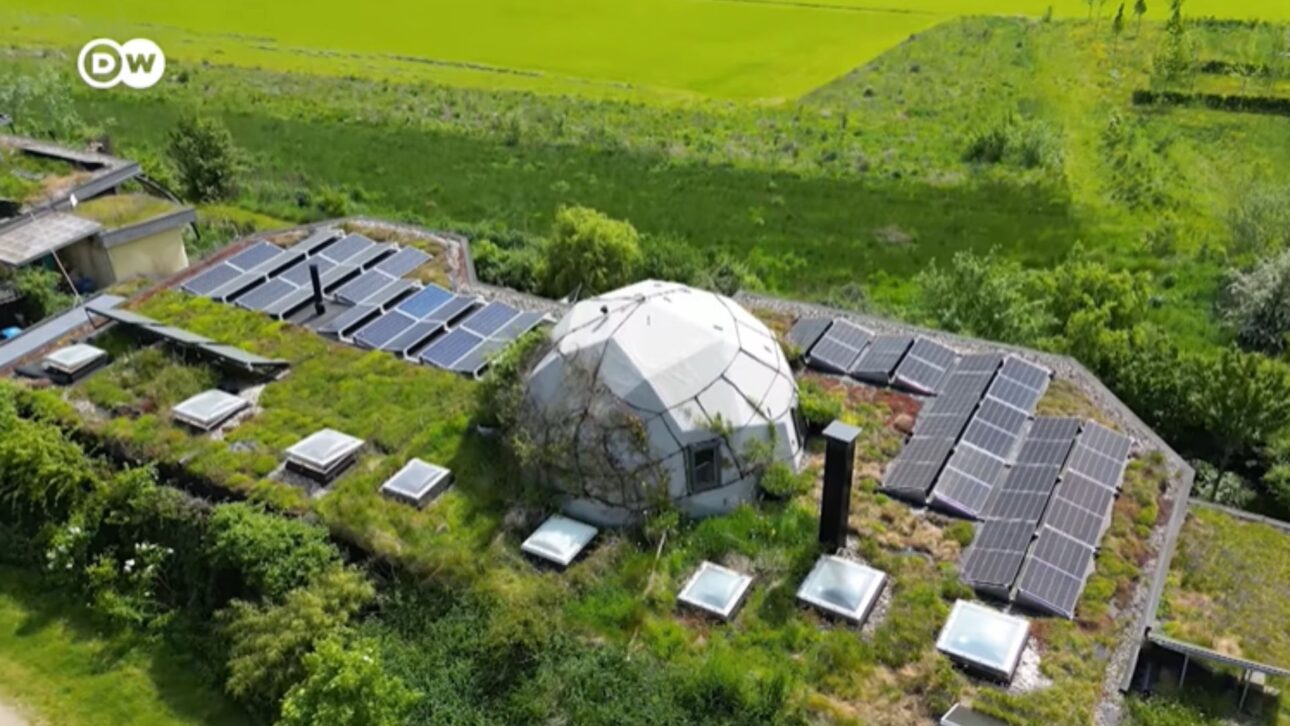
The construction method deviates from the conventional. Most Earthships have inner back walls made of old car tires filled with earth.
-
Two-Bedroom Home Built in a 40-Foot Shipping Container Delivered and Ready for Same-Day Living in São Paulo Countryside

-
China Constructs Artificial Island 32 km Offshore for Yangshan Port, Connected to Shanghai by 32 km Bridge, Unloading 3,000 Containers in 20 Hours
-
China’s $70 Billion River Diversion Project, the World’s Largest, Moves 44.8 Billion Cubic Meters Annually, Crosses Under the Yellow River, and Displaced 330,000 People
-
Indian Driver Spends 14 Years Digging 10-Meter Tunnel Through Mountain to Connect Isolated Village to the World






In the cold season, the solar heat that reaches the back of the house and the tires filled with earth act like a kind of sponge that absorbs heat, and at night, when the curtains are closed, this sponge releases the accumulated heat, helping to warm the village.
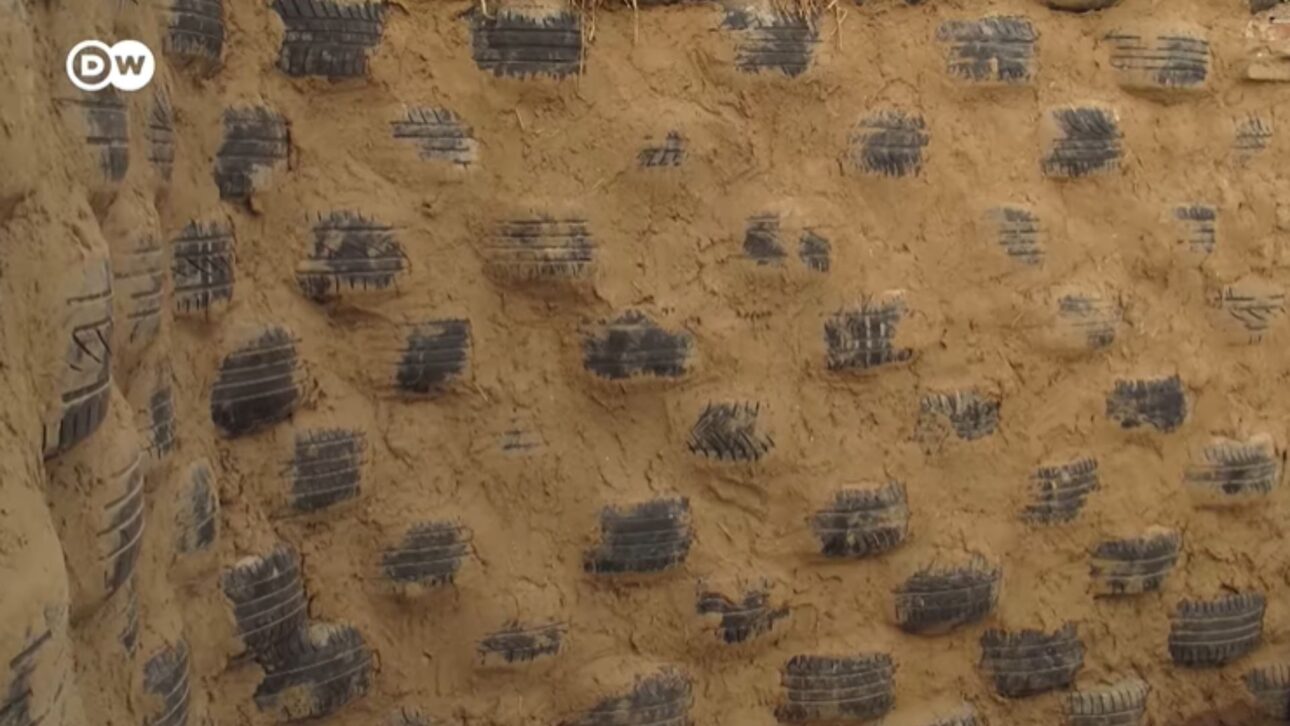
The materials follow the same logic of reuse. According to the residents, the houses combine recycled items, bio-based and locally sourced, such as wood and adobe, and pieces left over from factories or from old residences.
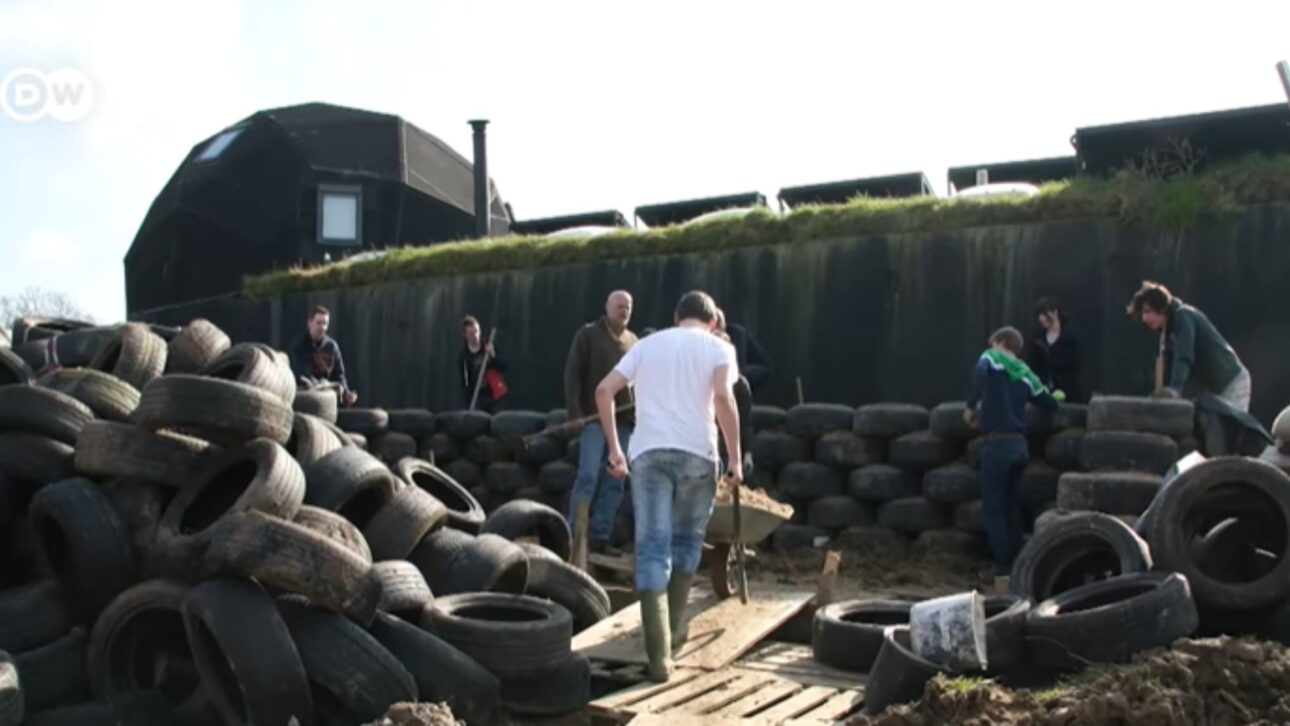
According to the report, they only bought new material when there was no other option, and part of the work is simple to learn and do with their own hands.
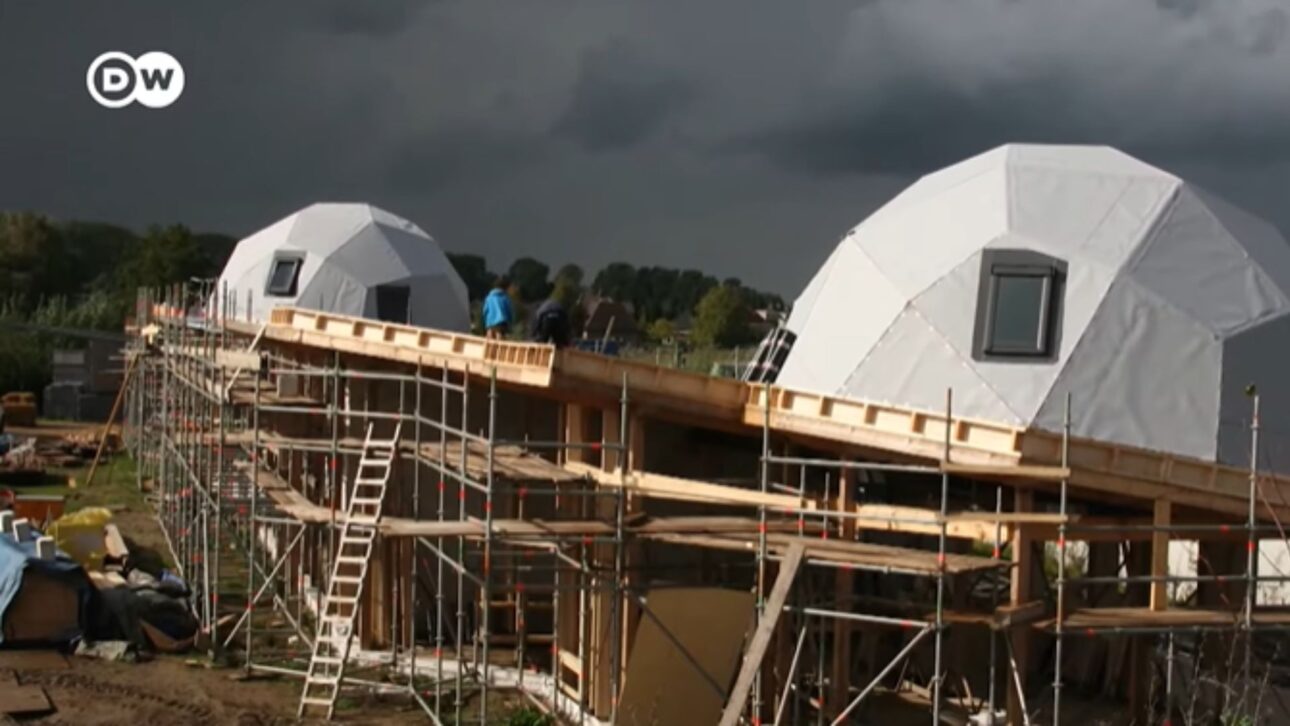
The Earthship concept and the limit of self-sufficiency
The idea was born in the United States, over forty years ago. The Earthship concept was developed in the 1970s by American architect Michael Reynolds, who used waste in the construction process. According to the report, there are now about 3,000 Earthships, with more than half in the United States, and the concept envisions each house generating 100% of its own electricity and heat.
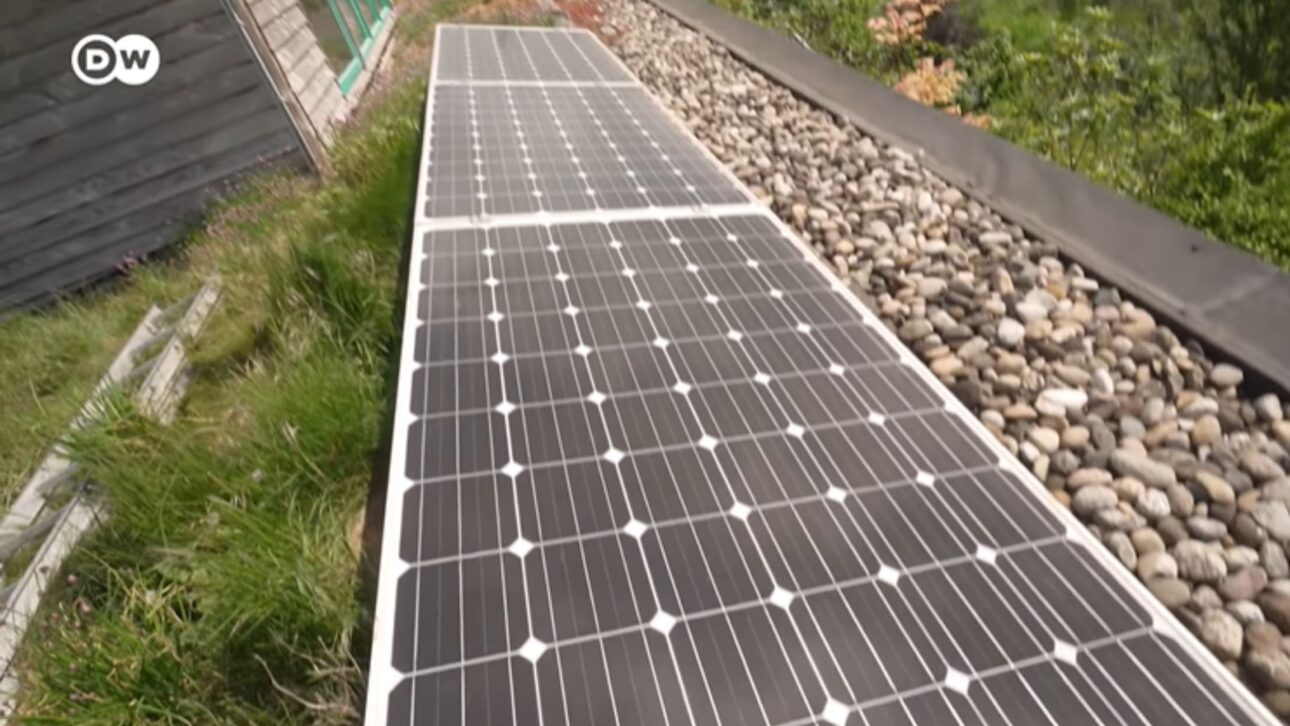
In practice, however, the climate imposes limits. In the colder climate of the Netherlands, it is not possible to achieve this total self-sufficiency all year round, and on cold winter days, a heat pump comes in as a complement, alongside heating panels and a reservoir with a capacity of 800 liters. According to the residents, 17 solar panels on the roof supply practically all the energy consumption, which keeps the village almost self-sufficient, though not completely.
Treated Sewage in the Garden and Community Life
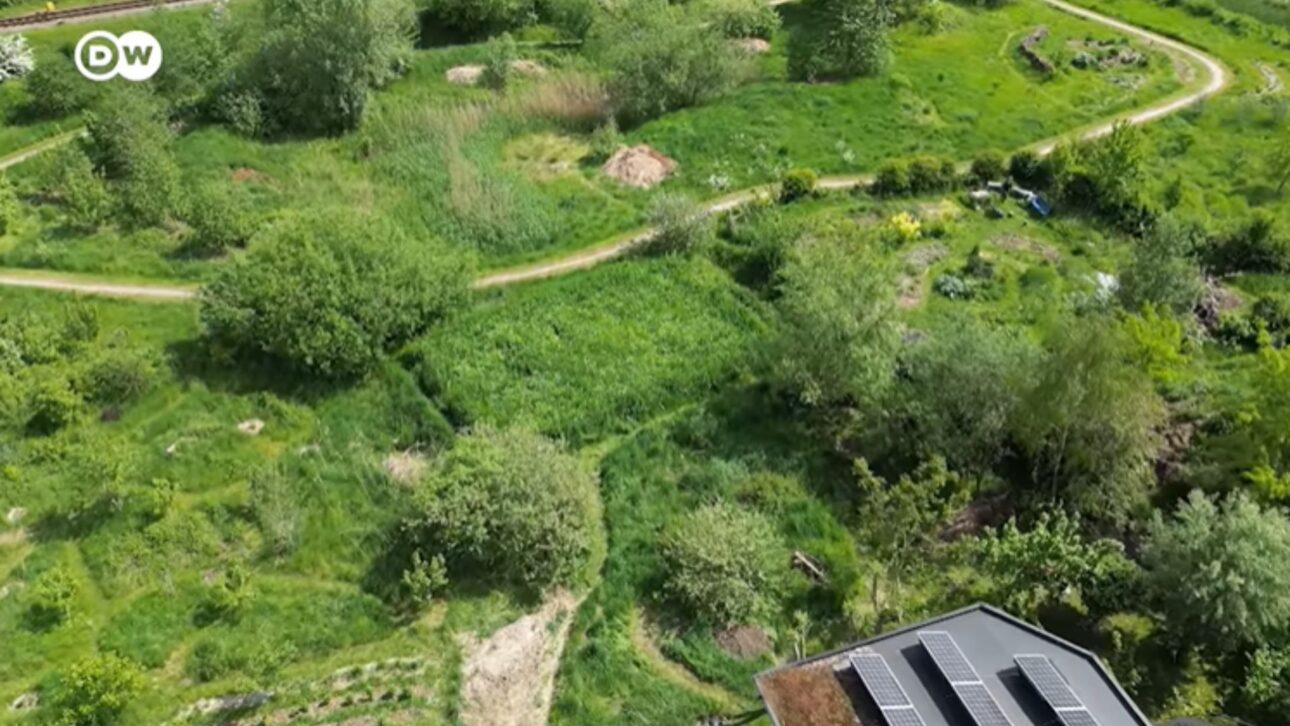
Sewage treatment is also done right there. The residents take care of their own sewage, and only the community center is connected to the public network. According to the community, all wastewater is pumped to a field twice a day, where the oxygen from the plant roots feeds the bacteria that decompose the organic waste, and the now clean water then flows to a lake.
The village routine tries to break with city standards. According to the residents, there are no paved paths and everything is green, with outside cars parked in a shared space to free up area. According to the account, the community tends to fly less, eat less meat than average, and share vehicles, and some residents use electric cars, although not all.
A Hand-Built Village and the Connection Between Neighbors
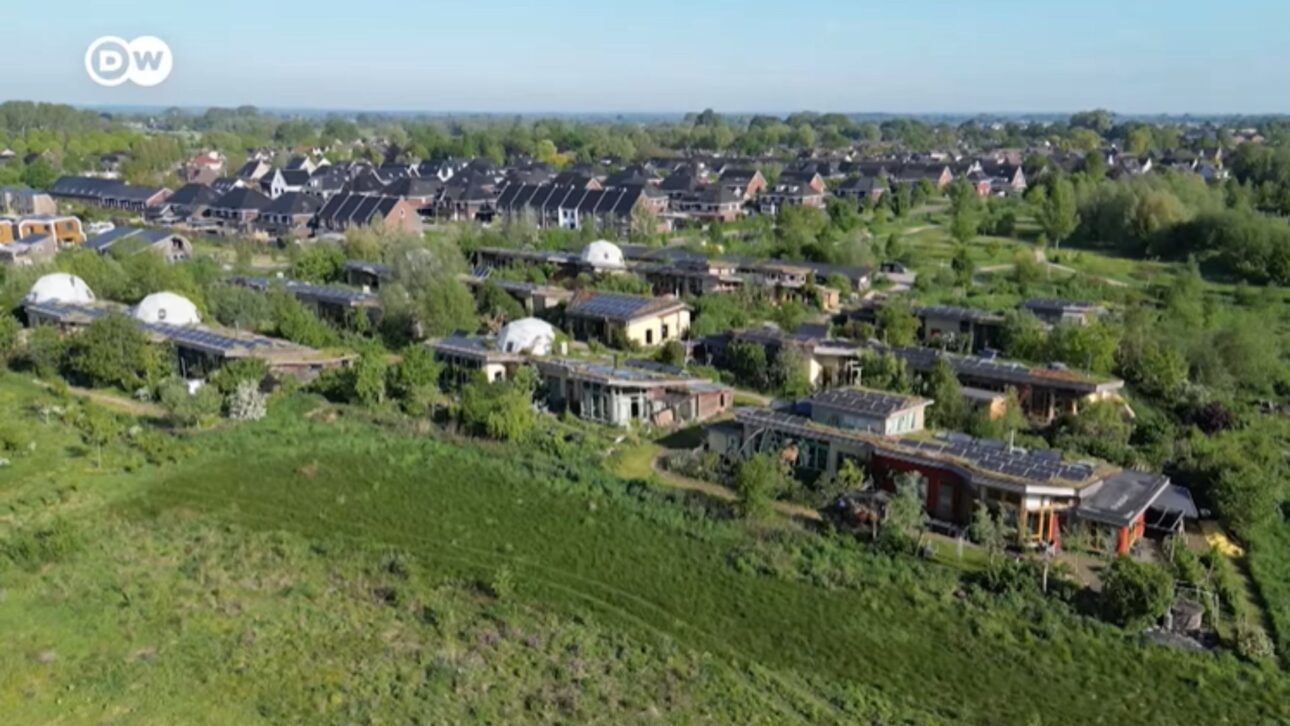
The group raised each house in a collective effort. The residents not only planned but built the entire village with their own hands, with support from volunteers and professionals. According to the community, it was a great challenge because most had office jobs and no one had built a house before, so the group focused on one residence at a time and moved to the next when finished, so everyone worked on everyone’s house.
The result went beyond the walls. According to the residents, with the construction completed, they planted a forest garden with fruits, nuts, berries, and herbs, and formed a real community. According to the account, the unexpected benefit was a genuine connection between neighbors, even though they acknowledge they are privileged and not everyone can live like this, but they say they want to serve as an example of sustainable living.
In the Aardehuis ecovillage, near Amsterdam, 44 residents hand-built an entire village of 23 Earthships made of earth and old tires, with walls that retain the sun’s heat, 17 solar panels, and an 800-liter reservoir supplying almost all the energy, naturally treated sewage, and a forest garden.
The concept, created by American Michael Reynolds in the 1970s, aims for total self-sufficiency, but in the Dutch climate, a heat pump supplements heating in the winter, so the houses are almost, but not entirely, self-sufficient. The residents themselves admit to being privileged and that not everyone could live this way, although they want to set an example.
And you, would you live in a village like Aardehuis, in a house made of earth and tires that tries to sustain itself almost entirely, or do you think this model is far from the reality of most people? Share your opinion and exchange ideas with other readers about sustainable housing, with respect for different views.