Portuguese
  Spanish


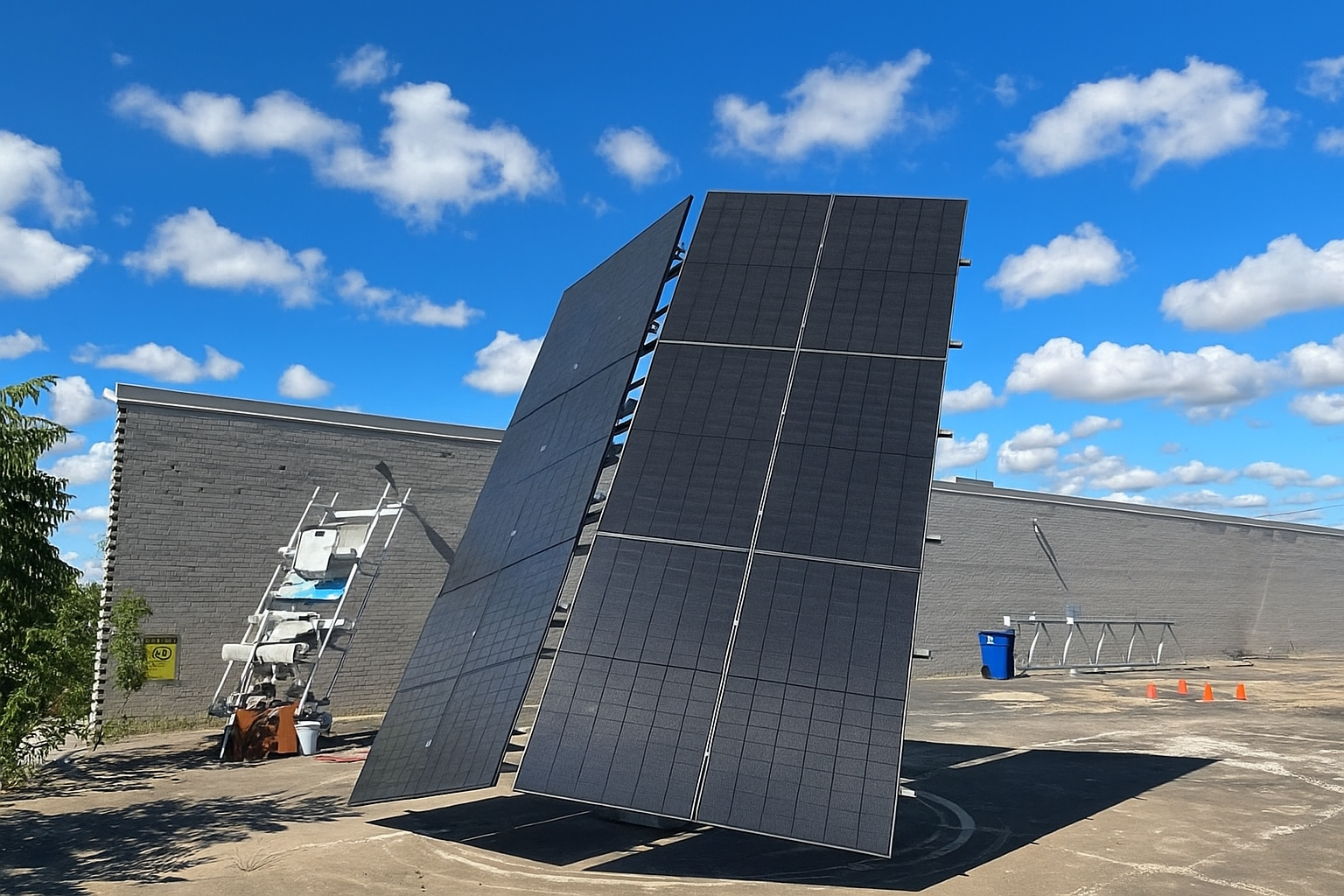

Discover How Three-Dimensional Solar Panels Promise to Revolutionize Clean Energy Generation with Efficiency, Innovation, and Sustainability.
The search for new ways to generate clean energy has led companies to invest in increasingly innovative technologies. Among these solutions, three-dimensional solar panels appear as a proposal capable of changing the way solar energy is captured and used.
In the United States, the company Janta Power presented a bold and promising idea: modular vertical solar towers that break away from the traditional flat panel design. This innovation, developed in Dallas, reflects a global trend of rethinking the design and efficiency of photovoltaic systems.
The Birth of Three-Dimensional Technology
Solar energy has gone through a long historical journey to reach its current stage. Since the first photovoltaic cells created in the 1950s, the technology has evolved in efficiency, cost, and applicability. However, two-dimensional panels have always faced limitations regarding space and the ability to capture sunlight from different angles.
-
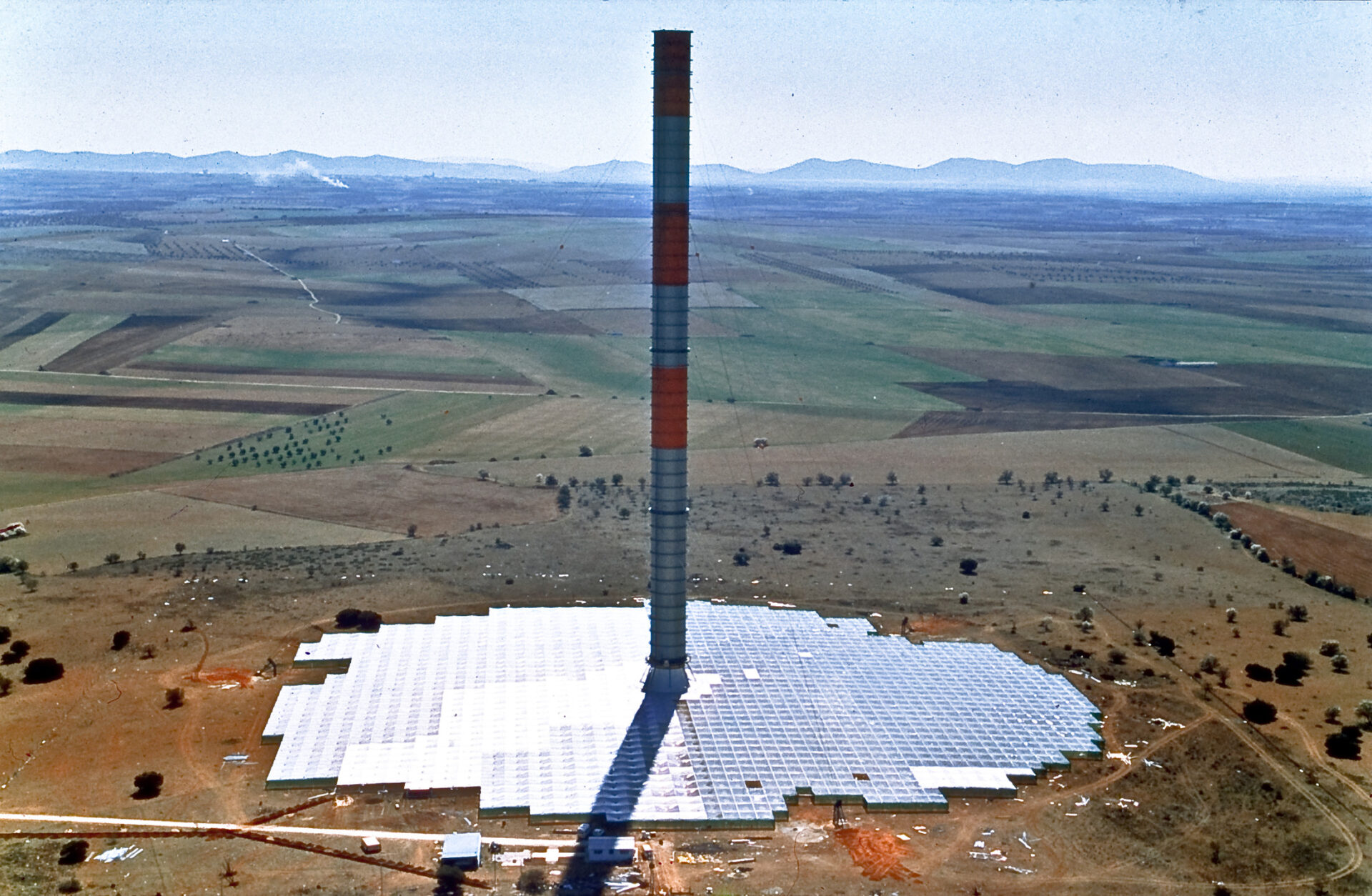
Solar Chimney in Spain Harnessed Sun to Generate Electricity for 7 Years Without Burning Fuel

-
Solar energy reaches 55 GW, becoming the second largest power source in Brazil’s energy mix

-
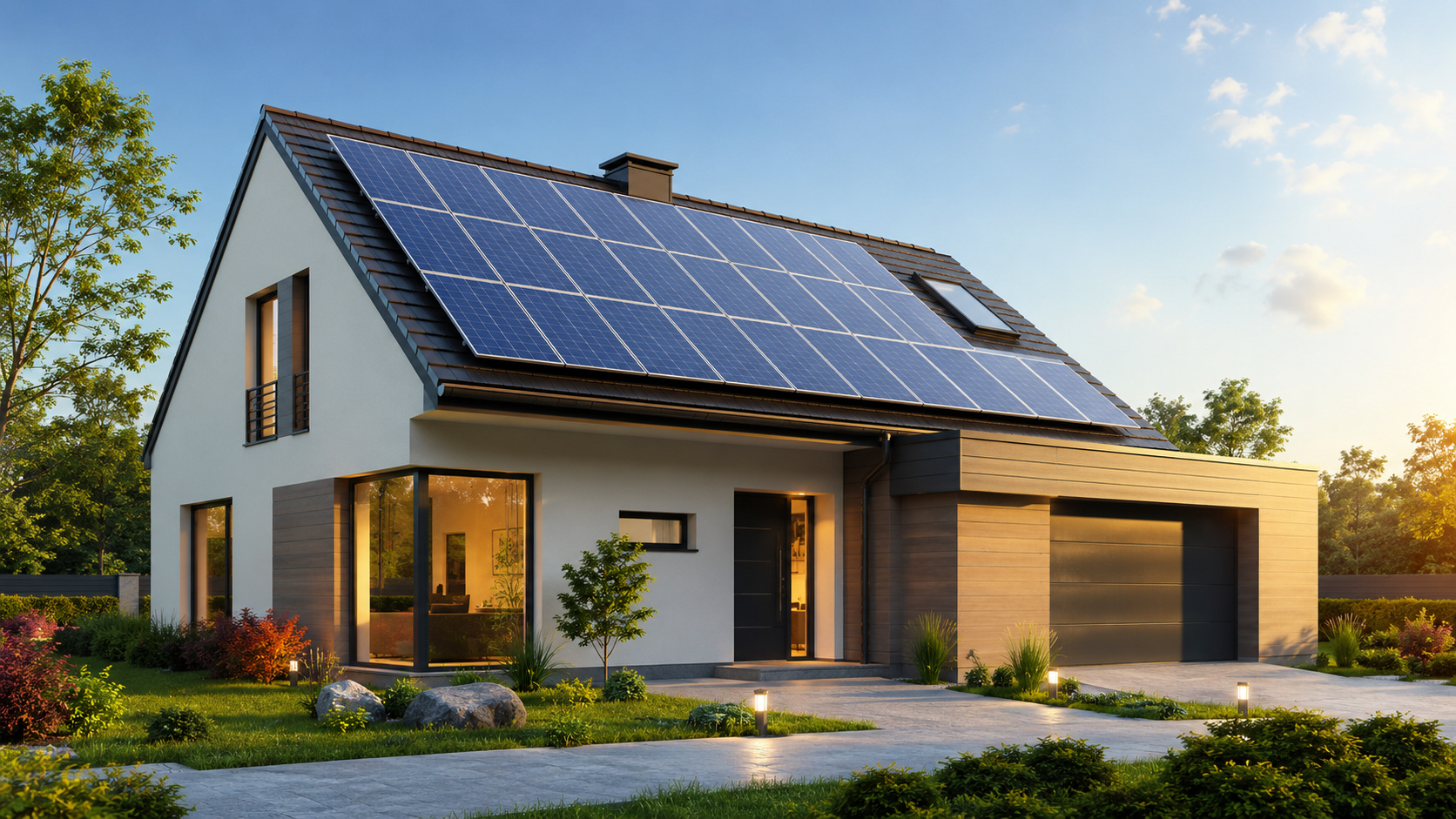
Solar energy can increase property value by up to 10% and become a selling point.
-
Solar and wind energy surpass natural gas for the first time in the world and accelerate energy revolution



Therefore, the proposal from Janta Power represents a conceptual leap in harnessing solar energy. By betting on three-dimensional structures, the company aims to capture solar radiation more comprehensively, reducing the typical losses of flat panels. This innovation transforms solar energy into a more competitive and accessible alternative for different regions and needs.
Additionally, the new design reflects a growing concern with efficient land use. In urban or industrial areas, where space is limited, vertical towers offer a compact and powerful alternative.
Modular Solar Towers: Efficiency in Limited Space
The modular solar towers from Janta Power are designed to optimize space utilization and maximize energy production. With an adaptable design, they can be installed in uneven locations or areas with limited land availability.
This flexibility is an important differentiator, especially in densely populated regions. By rising vertically, three-dimensional panels multiply the generation capacity per square meter, making them a strategic solution for the future of sustainable cities.
In addition to the innovative shape, the towers feature a solar tracking system that automatically adjusts the orientation of the panels according to the sun’s movement. This feature allows for capturing more light throughout the entire day, without relying on complex or expensive structures.
With this technology, energy efficiency increases significantly, boosting the potential of solar energy as one of the main renewable sources of the 21st century.
Smart Monitoring and Energy Autonomy
Another highlight is the integrated smart monitoring system in the towers. Real-time sensors check the performance of the panels and automatically adjust operational parameters. This ensures greater stability in production and facilitates maintenance.
Furthermore, the system includes internal batteries that store excess energy. This enables a continuous supply even at night or on cloudy days.
This energy autonomy model allows the technology to operate both independently and integrated with the conventional power grid. Thus, it expands the possibilities for application in homes, industries, and remote areas.
Another relevant aspect is the self-cleaning system, which removes dust and accumulated debris. This functionality increases the durability of the panels and reduces operational costs, making the investment even more advantageous.
Efficiency and International Recognition
According to data from Janta Power itself, three-dimensional solar panels can achieve up to three times more efficiency per square meter compared to traditional models. This exceptional performance results from the combination of innovative design, solar tracking, and smart storage.
Initially intended for developing countries, the technology has shown great potential also in industrial and urban contexts. The project gained international recognition by winning the Airports for Innovation competition, which allowed it to be implemented in tests at Munich Airport and other terminals in the A4I network, consisting of ten European airports.
This recognition highlights the global impact of the proposal, positioning the American company as a reference in the search for clean and efficient solutions for the future of energy.
Innovation and Energy Transition
The introduction of three-dimensional solar panels occurs at a time of global energy transition. Countries are seeking to reduce dependence on fossil fuels and accelerate the adoption of renewable sources. In this scenario, solar energy stands out due to its abundance and adaptability to different environments.
However, for the sector to advance, it is essential to overcome efficiency and storage challenges. Technologies such as Janta Power’s vertical solar towers offer concrete answers, combining technological innovation and sustainability.
Moreover, the proposal demonstrates how the integration of design, automation, and clean energy can redefine the role of solar generation. The union of efficiency and intelligence creates a model that produces more energy, in a stable and predictable manner.
The Economic and Environmental Impact of Innovation
The adoption of three-dimensional solar panels also has significant economic and environmental implications. By increasing efficiency and lowering costs, the technology makes access to clean energy more viable for companies and communities.
This means more jobs in the production chain, reduction of carbon emissions, and greater energy independence. In regions where electricity supply is still unstable, the social impact can be profound, opening new possibilities for sustainable development.
Over time, this innovation is expected to boost investments in green infrastructure and stimulate public policies aimed at energy transition. Thus, three-dimensional solar energy is not just a technical innovation but also a tool for social and environmental transformation.
A Future Shaped by Clean Energy
The history of solar energy shows that innovation is the key to progress. From the first scientific experiments to modern photovoltaic plants, each advance has brought new opportunities and challenges.
Now, three-dimensional solar panels represent the next chapter in the evolution of solar energy. By combining technology, sustainability, and intelligent design, they reinforce the importance of human creativity in the search for solutions that unite growth and environmental preservation.
The proposal from Janta Power shows that the future of energy depends not only on producing more but on producing better, with efficiency, autonomy, and environmental responsibility.
The energy transition is already underway, and with innovations like this, the world is approaching a reality where clean energy becomes the foundation of a more balanced and sustainable planet.