





 Portuguese
  English
  Spanish
  4 min of reading
  0 comments


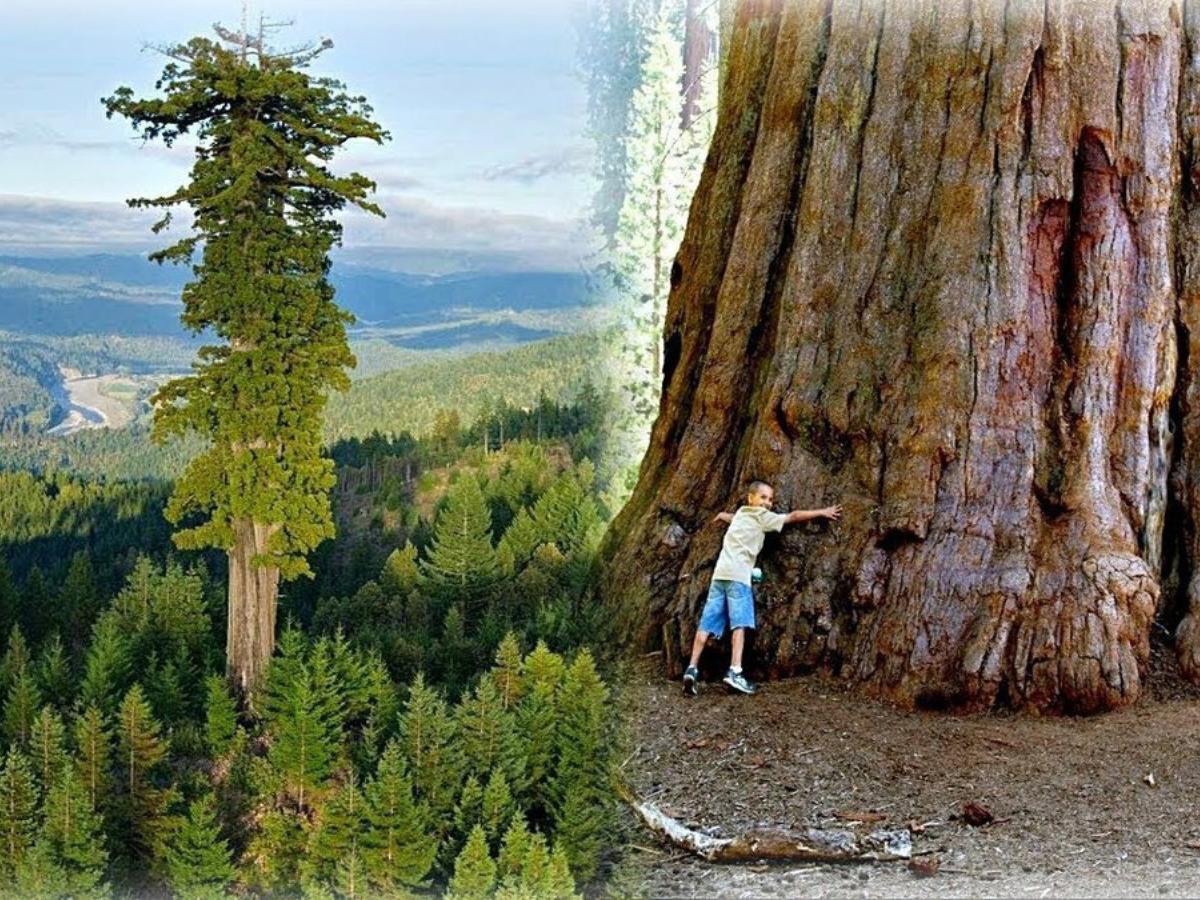
Hidden in Redwood National Park, California, the 116-meter Hyperion Sequoia is a legally protected icon, with fines and even imprisonment for visitors who violate the prohibition
In the heart of a park in California stands a natural monument of mythical proportions: Hyperion, recognized as the tallest tree in the world. This living giant symbolizes the grandeur of nature, but also the complex challenges of its preservation. Its existence is shrouded in secrecy, and the reason for this is a warning about the impact of human curiosity.
Discover the story of Hyperion. We explore its discovery, the reasons behind the strict protection, and what its uncertain future teaches us about our relationship with the planet’s most precious treasures.
What Is Hyperion and How Did It Become the Tallest Tree in the World?
Hyperion was discovered on August 25, 2006, by naturalists Chris Atkins and Michael Taylor. Located in a remote area of Redwood National Park, this coast redwood (Sequoia sempervirens) is a true colossus. Its most recent measurement, from 2019, recorded an impressive height of 116.07 meters.
-
Without ATMs, with social networks blocked and travel controlled by the government, Eritrea challenges the modern world and reveals why it is called the “North Korea of Africa.”

-
Japan spent decades avoiding the export of major military assets, but is now negotiating the sale of used Asagiri destroyers to expand naval cooperation with Indonesia.

-
In 1902, hundreds of children planted 242 seedlings in the interior of São Paulo and created the first ecological act in Latin America, giving rise to a historic celebration, inspiring Arbor Day in Brazil, and transforming Araras into a national green symbol.
-
Beneath the streets of Rome, there was a 1,700-year-old Roman barracks with 39 rooms, mosaics, frescoes, and remnants of the imperial guard; the discovery altered the Line C metro project and forced engineers to dismantle the ruins to reconstruct them inside the station.


Hyperion’s age is estimated to be between 600 and 800 years, relatively young for its species, which can live over 2,000 years. Its exceptional growth is due to the unique conditions of the park, such as rich soils and, crucially, the summer coastal fog, which provides vital moisture for these trees to reach extreme heights. The thick bark of the coast redwood also offers protection against fires and insects.
Why Is Hyperion’s Location Prohibited?
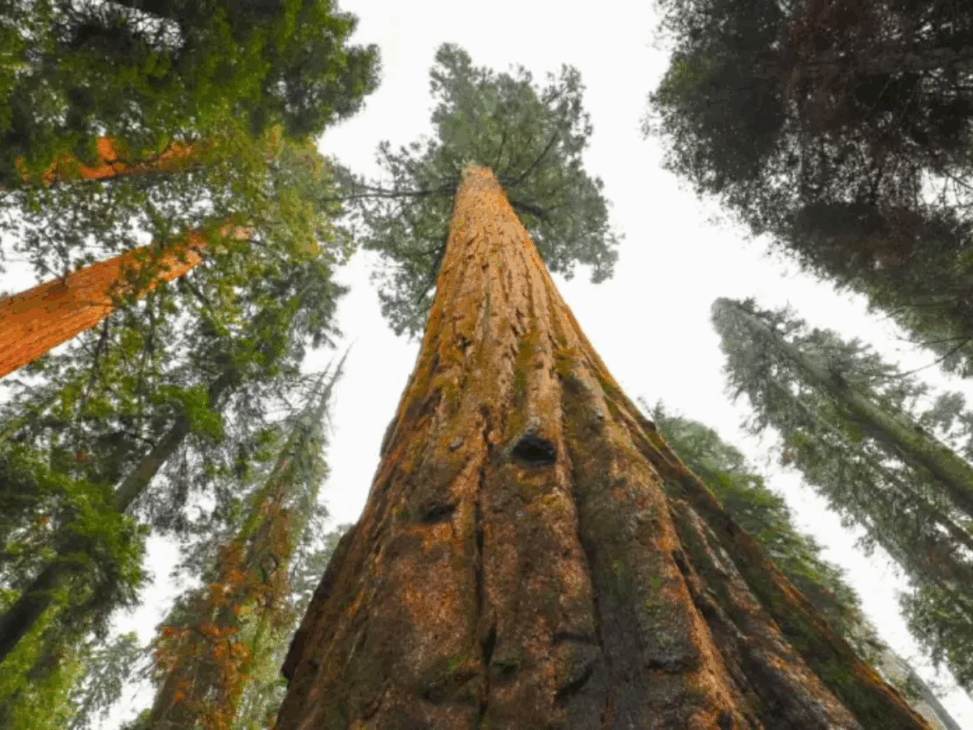
The exact location of Hyperion is kept secret by the U.S. National Park Service (NPS). The reason is simple: to protect it from damage caused by humans. Since its discovery, the fame of the tallest tree in the world has attracted a flow of visitors who, without an official trail, have caused significant environmental degradation.
The constant trampling destroyed the understory, compacted the soil, and damaged the tree’s surface roots. Garbage and human waste have also been left behind. In response, the NPS declared the area around Hyperion off-limits to the public. Those who violate the prohibition face severe penalties: fines of up to US$ 5,000 and up to 6 months in jail. This drastic measure reflects the delicate balance between human curiosity and the need for preservation.
How the Tallest Tree in the World Compares to Other Giants?
Although Hyperion is the tallest tree in the world, it is important not to confuse it with the largest by volume. That title belongs to the General Sherman, a giant sequoia (Sequoiadendron giganteum) that, while not as tall (83.8 meters), is much more massive.
Globally, Hyperion reigns supreme in height. Other notable trees include:
Menara: The tallest tropical tree, a yellow meranti in Borneo, measuring 100.8 meters.
Centurion: The tallest eucalyptus, a giant ash in Tasmania, measuring 100.5 meters.
Historically, there were likely even taller trees, such as some Douglas firs that may have exceeded 120 meters, but were cut down before they could be accurately measured.
Conservation Challenges and the Threat of Climate Change
The long-term survival of giants like Hyperion depends on ongoing conservation efforts. Organizations such as the Save the Redwoods League and the Sempervirens Fund work in partnership with the NPS to protect these forests through land acquisition and restoration projects.
Climate change poses the greatest threat. More intense and frequent droughts, larger wildfires, and potential changes in coastal fog patterns put these ecosystems at risk. In response, proactive strategies are being developed, including fire management with prescribed burns and even “assisted gene flow” – the repopulation of burned areas with seedlings of trees adapted to warmer, drier climates.
The Tallest Tree in the World as a Symbol of Admiration and Respect from a Distance


Hyperion is more than a record. Its story is a powerful lesson about human impact. The need to hide it from the public to ensure its survival is a sad paradox of our era. The tallest tree in the world reminds us of our collective responsibility to protect the planet’s natural treasures.
May future generations continue to marvel at the grandeur of the sequoias, even if some icons like Hyperion must be admired from a distance, an act of respect that ensures its existence and the integrity of the natural world it represents.




-

-

-

-

-

-

33 people reacted to this.