Portuguese
  Spanish


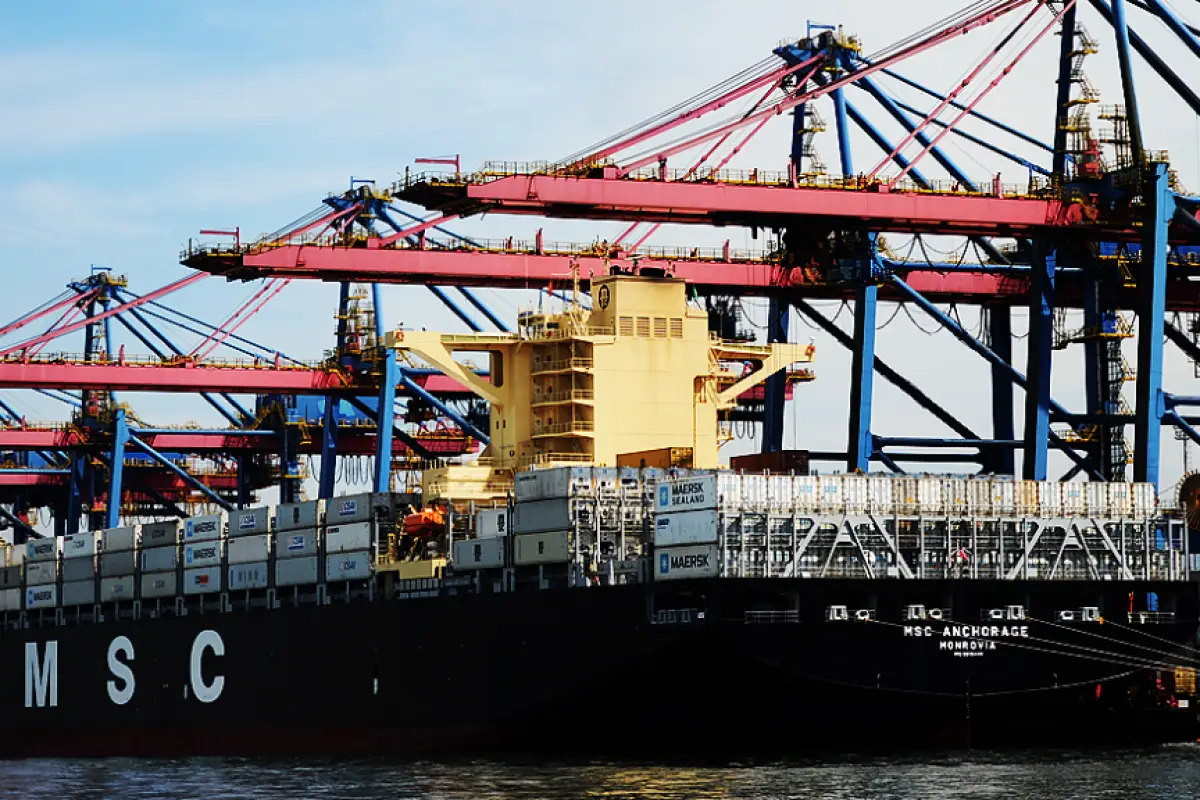

So far in January, the Brazilian trade balance recorded a surplus of about US$ 2.102 billion, a result of exports of US$ 16.3 billion and imports of about US$ 14.2 billion. Its trade flow was around US$ 30.5 billion. These data were released by the Ministry of Development, Industry, Trade and Services.
Up to this third week of January 2023, compared to January of the previous year, exports grew by 15.4%. Meanwhile, imports grew by 0.2%. As a result, the trade balance recorded a surplus of US$ 2.10 billion, and trade flow grew by 7.8%, reaching US$ 30.50 billion.
As of this current week in January 2023, the performance of the sectors was as follows: a growth of 5.5% in Agriculture, totaling US$ 2.50 billion; a growth of 34.1% in Extractive Industry, reaching US$ 4.07 billion; and finally, a growth of 11.6% in Transformation Industry, which reached US$ 9.66 billion. This combination of results led to an increase in total exports.
The expansion of exports was driven mainly by the growth in sales of the following products: Rough rice, paddy or unprocessed (380.7%), Unmilled corn, except sweet corn (154.9%), and oilseeds such as sunflower, sesame, canola, cotton, and others (1,063.3%) in Agriculture; Other crude minerals (189.9%), Nickel ore and its concentrates (135.1%), and Crude oils of petroleum and bituminous minerals (58.9%) in Extractive Industry; Poultry meat and its edible offal, fresh, chilled, or frozen (38.2%), Sugars and molasses (45.8%), and Petroleum or bituminous mineral fuel oils (excluding crude oils) (21.8%) in Transformation Industry.
-
Brazil saved US$ 32.4 billion in 2025 by switching from fossil to renewable energy and only ranked behind China and the United States on the IRENA global podium.

-
A company from SC that moves R$ 125 billion in agribusiness is integrated into an international group, maintains its headquarters and jobs in Chapecó, and is preparing to expand software for cooperatives, grain companies, and industries while targeting new markets without leaving the western region of Santa Catarina.
-
Portugal “hides” gold reserves of 382 tons valued at 47 billion euros in an armored building, and the story involves gold from colonial Brazil, Nazi Germany, and a fortune that once amounted to 866 tons.

-
Truck drivers avoid deliveries to supermarkets due to waits that can hinder trips, increase costs, and leave vehicles idle, while the law limits loading and unloading to five hours and provides for payment for the excess time.




By the beginning of January 2023, the performance of imports by economic activity sectors was as follows: a growth of 31.2% in Agriculture, totaling US$ 0.34 billion; a decrease of about -25.0% in Extractive Industries, which reached US$ 1.31 billion; and finally, a growth of around 4.7% in Transformation Industry, which reached US$ 12.49 billion. The combinations of these results fueled optimism for the increase in imports.
Although the result of imports showed growth, the following products saw a decrease: Unmilled corn, except sweet corn (-18.2%), Soybean (-95%), and Latex, natural rubber, balata, gutta-percha, guaiúle, chicle, and natural gums (-41.6%) in Agriculture; Iron ore and its concentrates (-99.9%), Coal, even in powder but not agglomerated (-36.8%), and Natural gas, liquefied or not (-85.3%) in Extractive Industry; Petroleum or bituminous mining fuel oils (excluding crude oil) (-15.5%), Parts and accessories (except cases, covers, and similar) for data processing machines or office machines (-58%), and telecommunications equipment, including parts and accessories (-14.4%) in Transformation Industry.