Portuguese
  Spanish


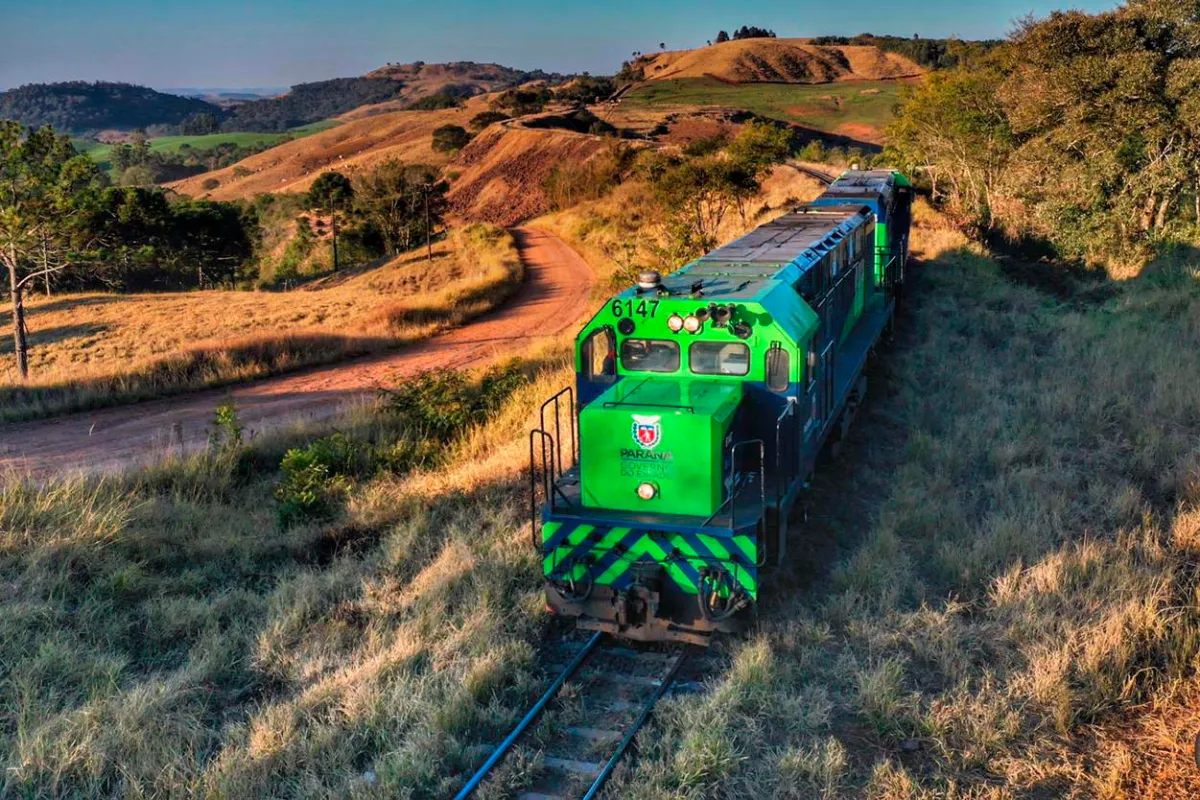

The Meeting Between the Government of the State of Paraná and Representatives of the Brazil-Canada Chamber of Commerce Aimed to Create the New Ferroeste and Strengthen Relations Between the State Government and Companies in Paraná and Potential Canadian Investors and Business Partners.
The New Ferroeste is one of the businesses that should stand out in this relationship between Paraná and Canada. The 1,567-kilometer railway is expected to transport 38 million tons of cargo in its first year of operation and will become the second largest export corridor for grains and containers in Brazil.
The New Ferroeste will enable Paraná to make a leap in import and export. According to Luis Fagundes, coordinator of the National Working Group on Railway Planning, the state of Paraná will make a qualitative leap in infrastructure and logistics, which will directly affect the capacity to import and export products and inputs in national and international markets.
“The year 2023 is crucial for the New Ferroeste, as we are finalizing environmental licenses, which took several months, before putting the project up for auction, but this does not prevent us from already taking advantage of opportunities with foreign investors, due to the project. Given its size, complexity, and importance, investment from foreign investors can be decisive, not only for the state of Paraná but for the country as a whole,” noted Fagundes. “Canada has traditional operators in the railway sector and large investment funds, and the new Ferroeste is viewed as a good business opportunity,” he concluded.
-
Railway returns to prominence in Brazil after STF approval: a R$ 25.2 billion project promises to save R$ 9 billion in freight, transport 50 million tons per year, and transform Sinop into a logistics powerhouse for agribusiness.

-
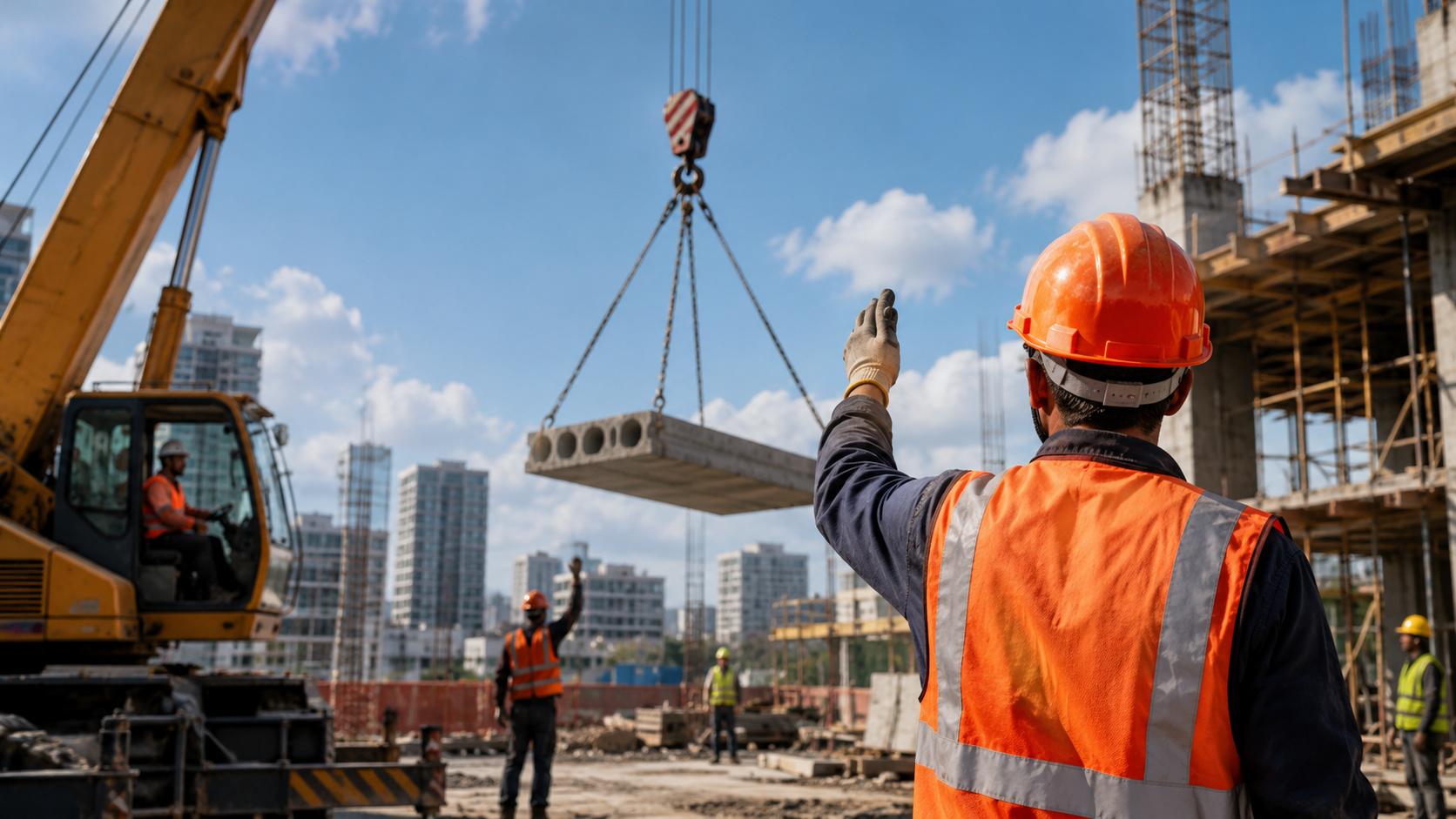
Why can the crane operator only obey the correct signalman on the construction site: among dozens of workers, a hand raised by the wrong person can confuse the maneuver and turn a load of tons into an immediate risk.

-
What changes with the new public transportation rules that can reduce pressure on fares and pave the way for zero fare in Brazil?
-
Retired trains leave European tracks and become tons of steel, aluminum, and copper in dismantling yards where recycling exceeds 90%, but batteries, composites, and electronics create a new frontier of railway waste.


Integration That Will Generate the New Ferroeste
At the end of the meeting, the director of the CCBC presented the vice-governor with a photo album promoting the exchange between the cities of Curitiba and Quebec. The publication is based on the work of Brazilian and Canadian photographers who visit other countries to promote solidarity among cities. Some photos of Curitiba are still on display at the university campus and at the Montreal International Airport.