






 Portuguese
  Spanish


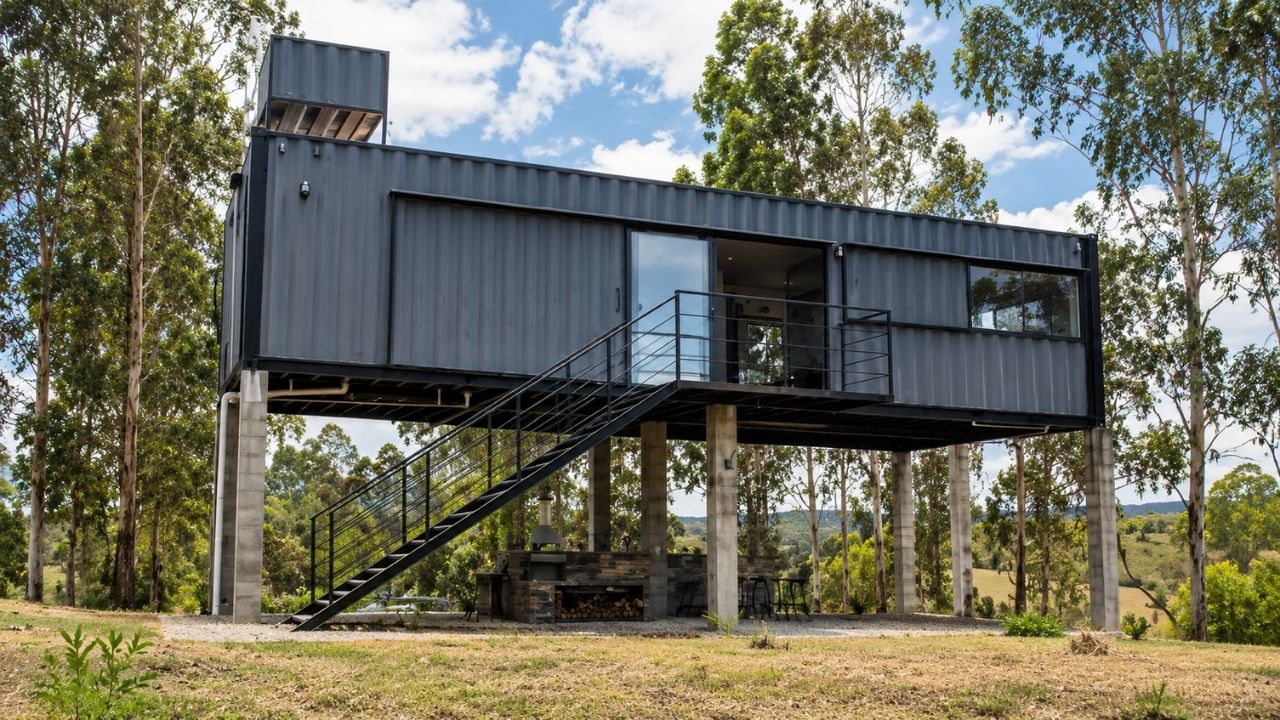

Container house project in Conselheiro Mairinck, in Northern Paraná, shows how two elevated modules can form a compact, modern, and functional dwelling, with thermal insulation, porcelain tile finish, drywall, battery backup power, and a lower area planned for leisure.
Suspended container house became the highlight of a farm in Conselheiro Mairinck, Northern Paraná, by transforming an elevated metal structure into a 60 m² dwelling, with modern finishes, a practical proposal, and a reported cost of R$ 150 thousand for the house only.
The detail that stands out is how the project swaps part of the traditional construction logic for a faster, modular solution. Instead of starting everything on the ground with conventional masonry, the modules arrived practically ready, according to information shared in the video from the Imobiliária Ibaiti YouTube channel. They were joined on-site and erected on a metal base, leaving a free space underneath for a future gourmet area, veranda, and living space.
Container house was elevated on the farm to gain views, ventilation, and free space underneath
The house was installed on a farm of almost 2 hectares, described as a large plot of land, with about 18 thousand m², eucalyptus trees, open area, and enough space for new projects.
-
They exchanged the idea of a large house for a 35 m² warehouse, spent US$ 12,000 on the structure, and created a tiny house in Colorado with space to live and work.

-
A newly opened terminal in the middle of the Amazon has begun transporting soy and corn through Amapá, eyeing the queue of ships that is congesting the ports in the South.

-
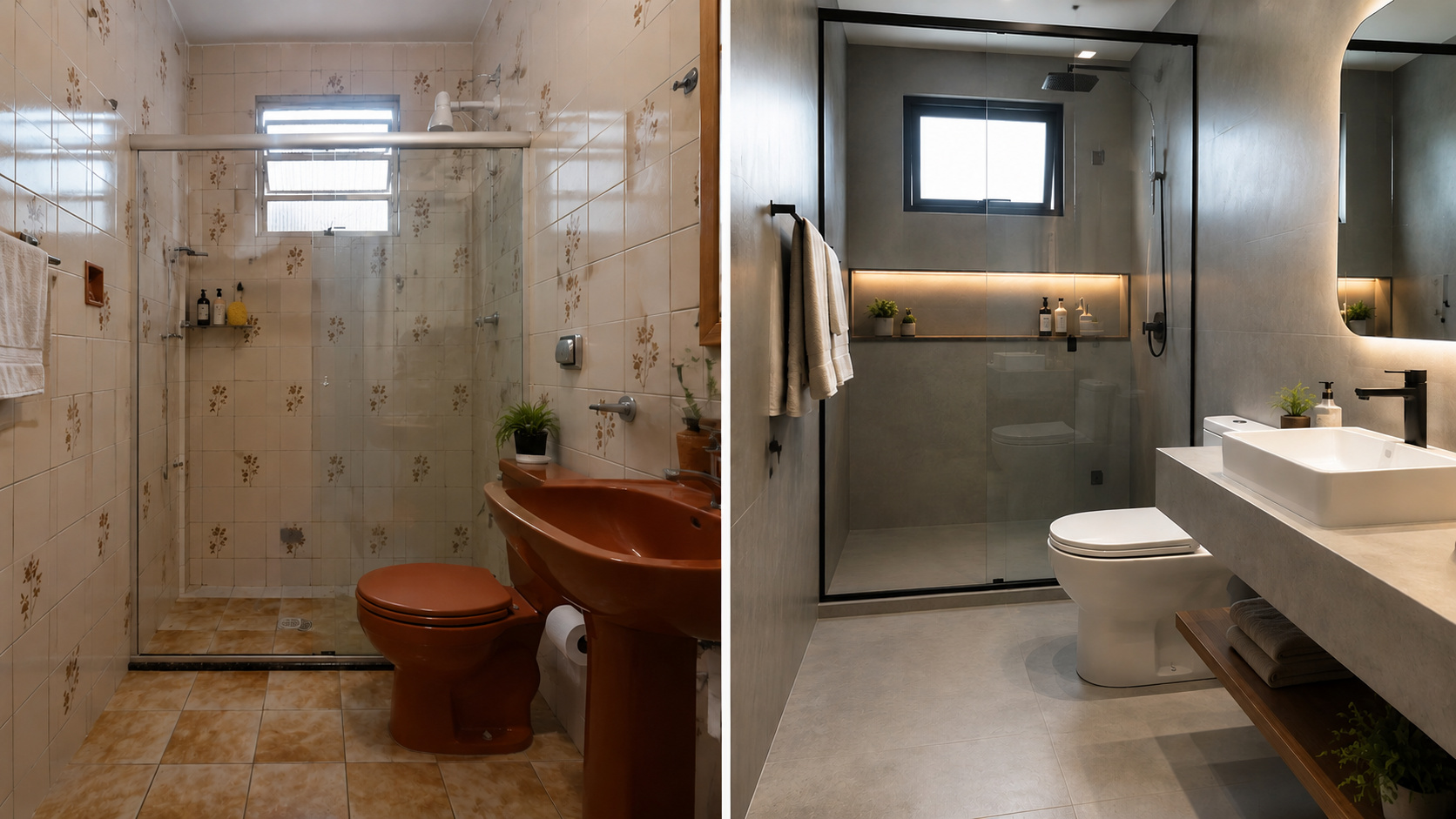
Goodbye to old tiles: renovation technique without construction transforms bathrooms in a few hours, eliminates debris, and reduces costs with coverings using special paints, high-resistance adhesives, and modern finishes that completely renew the space.
-
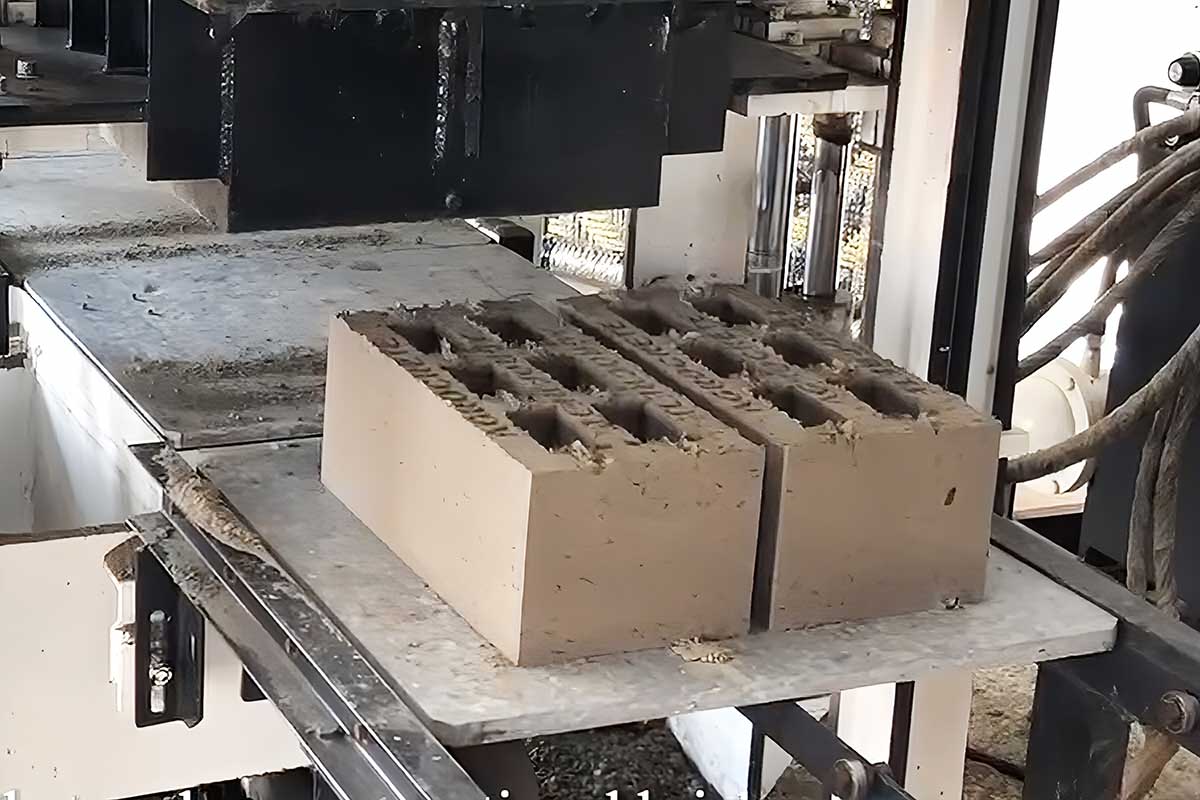
Goodbye to the traditional clay brick: Indian startup transforms burnt straw into a carbon-negative brick that costs half, insulates better, and even removes CO2 from the air.


The choice of an elevated structure creates an effect similar to a “suspended house.” In addition to the distinct look, the solution improves ventilation, brings the house closer to the landscape, and frees up the lower part for future use.
The residents’ proposal is to transform this space into a leisure area, with a wood-burning stove, barbecue grill, veranda, water point, and an area for children.
In practice, what would only be the foundation of the construction becomes a second possibility for land use.
60 m² project was designed for a couple, but can inspire other layouts

The house has 60 m² and was primarily designed for a couple. The layout prioritizes larger spaces, with an integrated living room and kitchen, laundry room, bathroom, bedroom, and closet.
During the visit, the residents explained that this same size could accommodate another configuration, such as two bedrooms, if the closet were removed and the internal division reorganized.
This flexibility is one of the advantages of the model. The modular structure allows adapting the layout according to the stage of life, property use, and family size.
In the case of the Paraná farm, the choice was for fewer rooms and more internal comfort, with larger and easier-to-maintain spaces.
Reported cost was R$ 150 thousand for the container house only

The most striking value in the project is the reported cost for the house: R$ 150 thousand.
This number, according to residents, refers only to the container house itself, not including the foundation, columns, and elevated base. The support structure was built separately, with columns, rebar, piles, and a grade beam.
Even with this caveat, the value helps explain why the project sparks curiosity. For those looking for an alternative to conventional construction, the container house appears as a faster execution option with a predefined finish.
The residents reported that the choice was mainly motivated by practicality, as the structure arrived with advanced plumbing, electrical, bathroom, coverings, and finishes.
On-site installation took about a week

Another strong point of the construction was the speed of assembly on the site. After the containers arrived, the work of joining the modules, placing them in position, and finishing between the parts took about one week.
The interior part was already quite advanced, including electrical, plumbing, bathroom, and finishes. On-site, it was necessary to join the modules, finalize seams, and adjust finishing points.
This process reduces one of the biggest pains of traditional construction: the long time between foundation, walls, installations, plastering, finishing, and delivery.
The container house does not eliminate all construction stages, but it changes the pace of the work and concentrates a good part of the work before arriving at the site.
Modern finish breaks the idea that a container is a “tin house”
One of the most interesting points of the visit was the reaction of those who see the house from the outside and then enter the property.
From the outside, the structure still carries the image of a container. Inside, however, the finish approaches that of a modern house, with porcelain tiles, smooth walls, drywall suspended ceiling, LED lighting, integrated kitchen, and glass door.
Residents reported that some people arrive with prejudice, imagining that the house will be hot, improvised, or too simple. But the perception changes when the interior appears.
The proposal shows that a container house can move beyond the image of a temporary solution and approach a permanent dwelling, provided it receives adequate design, insulation, and finishing.
Rock wool insulation helps with thermal comfort


A common concern in container houses is heat. As the metal structure can absorb temperature, internal insulation becomes an essential step.
In the project, rock wool insulation was used between the metal sheet of the container and the internal drywall finish. The function is to reduce heat and cold transfer, helping to make the environment more comfortable.
Residents stated that the house was airy and pleasant, especially because it is suspended, ventilated, and close to trees.
Points for air conditioning were also provided, including the possibility of using hot and cold equipment, as the Paraná region can register lower temperatures at certain times.
Suspended structure was supported on columns, piles, and grade beam
The house’s support also received attention in the project. The elevated structure was installed on metallic columns supported by a base with rebar, piles, and a grade beam.
The idea was to create a firm base to receive the modules and keep the house safely suspended.
The access staircase was also highlighted for its width, strong plate, and non-slip surface, designed to facilitate the ascent of people and even furniture.
This care is important because an elevated house requires more attention to the foundation, supports, fastening, and access. The visual aspect draws attention, but stability depends on well-planned execution.
Location near asphalt reinforces the proposal of living in the countryside without isolation
The farm is close to the asphalt, about 400 to 500 meters from BR-153, and approximately 5 minutes from the city.
This detail reinforces a strong trend in rural projects: seeking tranquility, space, and contact with nature, but without being completely isolated.
Residents also reported low routine costs, such as a fixed R$ 60 per month for community well water and a rural energy bill of around R$ 48 every two months, according to the usage mentioned during the visit.
The region also offers weekly garbage collection, gravel roads, and relatively easy access to nearby cities, factors that make life on the farm more viable for those leaving urban centers.
Battery backup power keeps lights and freezer on during power outage
The project also features a battery backup system for power outages.
According to residents, when there was a power interruption, the system managed to keep lights and freezer working, ensuring basic autonomy overnight.
Although not described as a complete grid-connected solar system, the setup shows a common concern in country properties: having some energy reserve for emergencies.
This type of solution works well for rural properties, where power outages can take longer to resolve depending on the region and weather conditions.
Elevated house paves the way for gourmet area, vegetable garden, chicken coop, and country living
The container house is just the first stage of a larger project for the country property.
Residents still plan to build a chicken coop, a tool shed, a small field for their grandson, a lawn, a gourmet area, a veranda, and possible new leisure spaces.
The lower part of the suspended house is the most strategic point of this expansion. As the structure already creates a covered area underneath, the space can become a meeting point, outdoor kitchen, barbecue area, or a sheltered veranda.
This vertical utilization is one of the great advantages of the project. The dwelling occupies the upper level, while the lower part can gain a social function.
Project shows why container homes are gaining ground outside major urban centers
The container house in Paraná shows a shift in how housing is conceived in rural areas and country properties.
For those looking to leave the big city, this type of construction promises speed, less reliance on local labor, predictable finishes, and the possibility of adapting the project to the terrain.
At the same time, the solution requires planning. It’s necessary to consider foundation, thermal insulation, ventilation, sun exposure, access, water, energy, sewage, module transport, and future expansion.
In the case of the country property in Conselheiro Mairinck, the result is striking because it combines a unique structure, modern finish, and a proposal for a quieter life in the countryside.
More than a compact house, the project functions as a showcase of possibilities: a suspended dwelling, measuring 60 m², with a reported cost of R$ 150 thousand, free space underneath, and potential to grow with the family’s plans.


