Portuguese
  Spanish


Leapmotor, Backed By Stellantis, Reaches 1 Million Vehicles In Just Seven Years And Prepares European Expansion Focused On Electrics And Hybrids
While the world watches the competition between BYD and Tesla for leadership in electric cars, Leapmotor is quietly advancing. Founded in 2017, the Chinese automaker reached the mark of 1 million vehicles produced in September 2025, an impressive figure for a company less than a decade old.
Tesla took 12 years to reach this level. BYD, 13 years. The difference is striking because Leapmotor is a newcomer, yet it is already operating at a scale comparable to global leaders in the industry.
The achievement was confirmed by the brand itself in a statement on the Chinese social network Weibo on September 25. Since 2023, the company has had the Stellantis group as its main shareholder, which acquired a 21% stake for € 1.5 billion (around R$ 9.4 billion).
-
End of an era in Brazil: beloved sedan by Brazilians is discontinued despite having a 2.0 engine with 151 hp, CVT transmission, 466-liter trunk, and up to 650 km of range.

-
New Law Proposal in Brazil Could Heavily Penalize Drivers: Dangerous Overtaking May Become a Serious Offense with Fines Increased Tenfold and a 12-Month License Suspension; Update on 2026 Progress

-
Electric Revolution: Watts W125 Motorcycle Offers 160 km Range, 90 km/h Speed, and Affordable Price Starting at $3,000
-
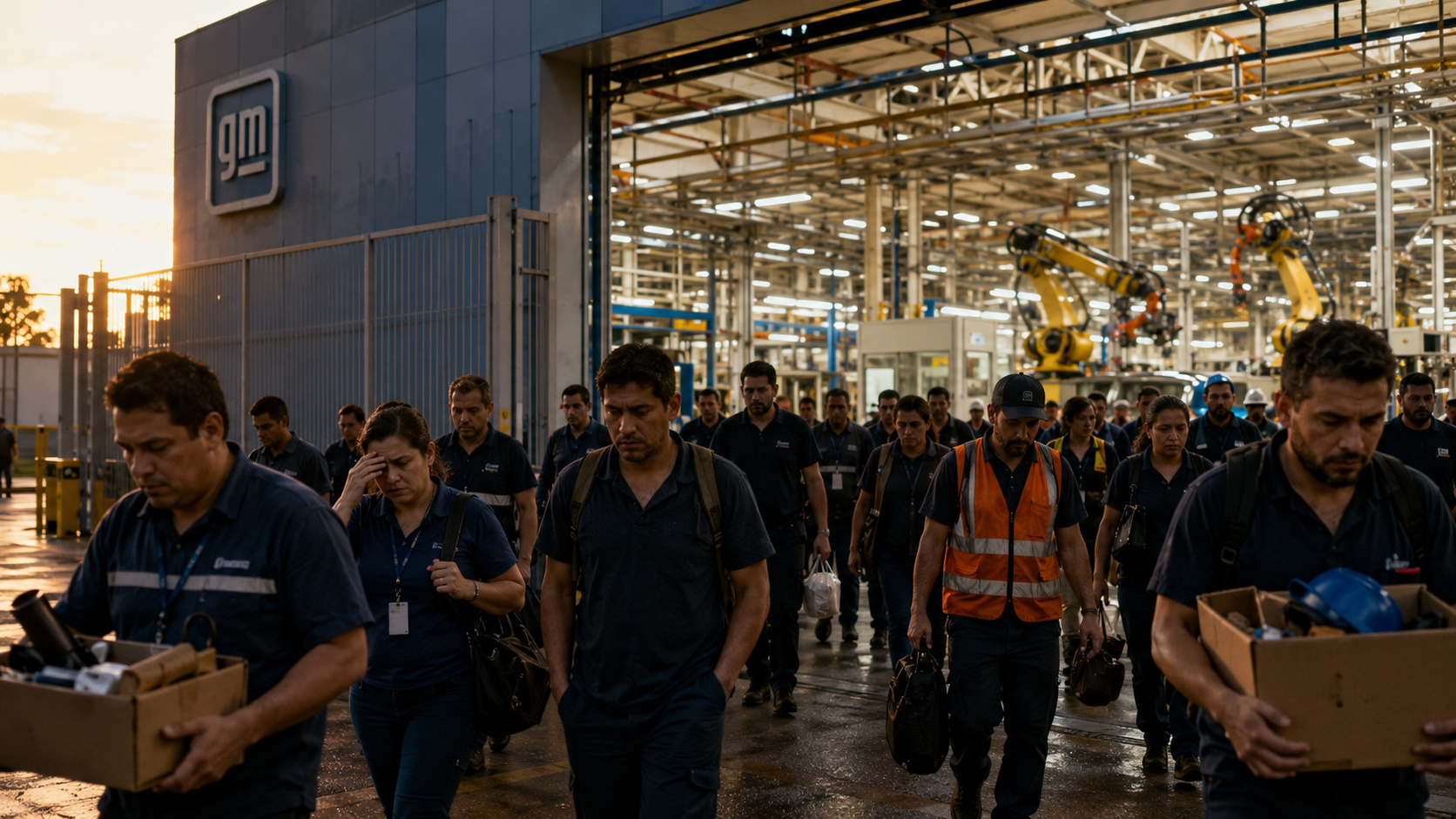
General Motors Replaces Over a Thousand Workers with 50 Cobots at Electric Vehicle Plant, UAW Union Criticizes Move Amid Industry’s Automation Push


Half The Time And Twice The Pace
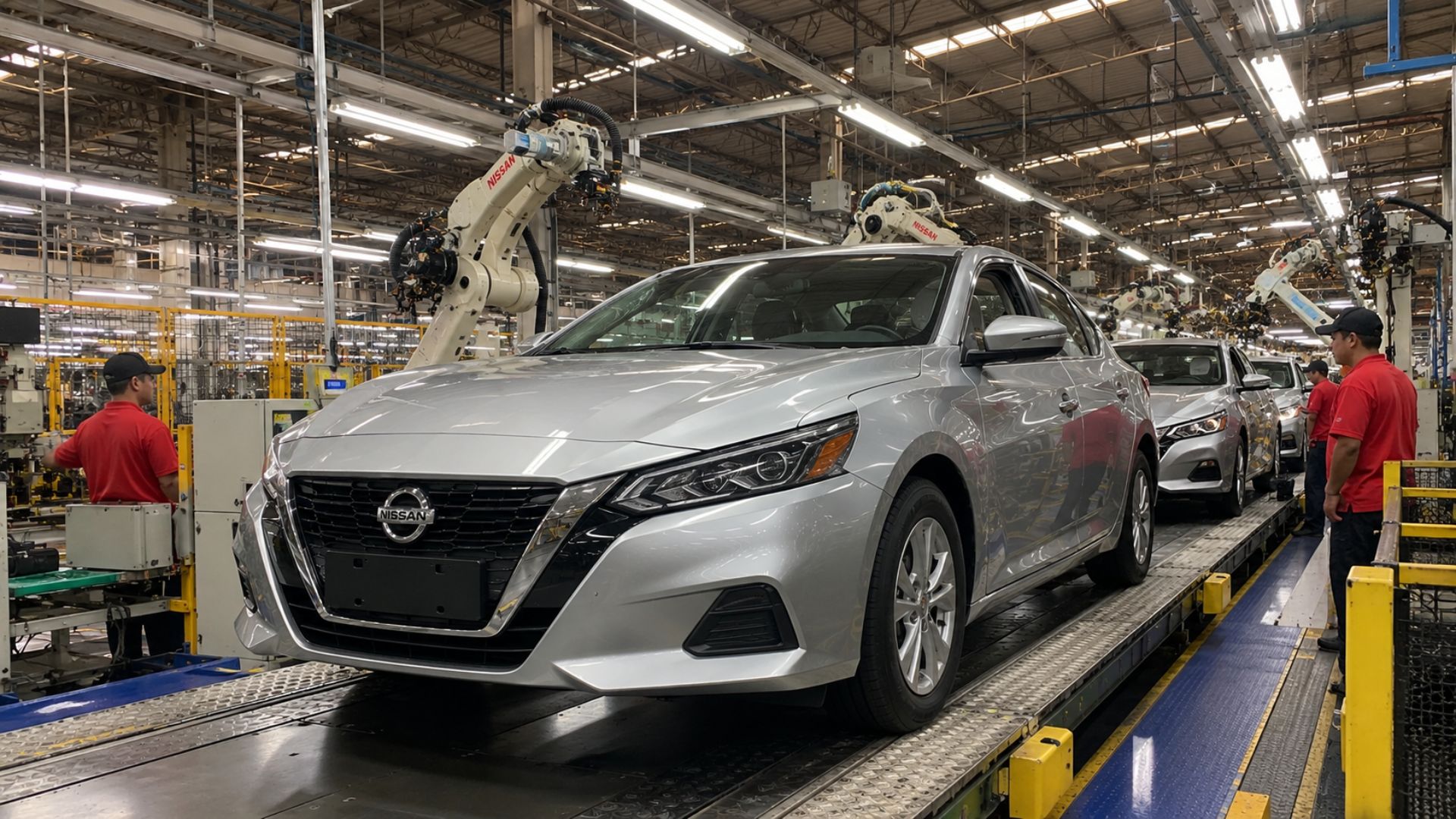
The milestone of one million units in seven years shows how Leapmotor’s progress has been exponential.
In 2022, the company celebrated the production of 100,000 vehicles. Just a year later, that number surged to 500,000.
Now, less than twelve months later, the manufacturer is doubling the volume again and surpassing one million. This means that the company took 343 days to produce half a million cars — something no competitor has achieved in that time frame.
According to the founder and CEO of the brand, Zhi Jiangming, the expectation is to produce the next million by next year.
He states that the focus will be on expanding global presence and consolidating the brand in the plug-in electric and hybrid segment.
State Support And Local Incentives
The success of Leapmotor takes place within a favorable landscape. Since 2022, the Chinese government has been offering aggressive incentives to boost the production of electric and hybrid vehicles.
In the province of Guangzhou, for example, the plan is to house up to three major manufacturers of new energy vehicles (NEV), each with an annual capacity of 500,000 units.
To this end, local authorities offer up to 500 million yuan per year (around R$ 374 million) to companies that set up new production lines and manufacture at least 100,000 vehicles in three years.
Additionally, six other Chinese provinces announced similar measures between 2023 and 2025. These incentives strengthen the production base and allow automakers like Leapmotor to grow aggressively.
Car Sales Keep Pace With Production
The growth in production is accompanied by impressive sales results. Between January and August 2025, Leapmotor sold over 320,000 cars globally, with 289,732 in China.
If the current pace is maintained, the company could end the year with around 560,000 units manufactured. These numbers indicate that, unlike some Chinese competitors, Leapmotor’s progress seems supported by real demand, not just self-registrations.
This balance between production and sales reinforces Stellantis’ confidence, which sees in the partnership a strategic opportunity to compete with giants like BYD and Tesla both inside and outside China.
Global Strategy With Focus On Europe
The next step for Leapmotor is European expansion. The Stellantis group plans to start manufacturing two models on the continent: the SUV B10 and the compact B05, which should be produced in Spain.
The goal is to consolidate a presence in the European market, where the demand for plug-in electric and hybrid vehicles is growing rapidly. The numbers confirm this trend.
Sales of electric cars in Europe increased by 30% compared to the previous year, notably in Germany, which recorded a 46% increase in the first half of 2025.
Plug-in hybrids (PHEVs) also saw a significant rise: 54.5% increase and 8.1% market share in the European Union. Together, the two types of propulsion already represent almost 24% of the European market.
Therefore, one in four cars sold in the EU today is electric or plug-in hybrid, creating a perfect scenario for Leapmotor to accelerate its expansion.
Tesla And BYD Now Have A New Direct Competitor
The rise of Leapmotor shifts the global balance in the automotive industry. While Tesla seeks to expand margins and BYD diversifies models, the new competitor emerges with an agile business model, proprietary technology, and strong state support.
In a sector driven by innovation and speed, Leapmotor’s ability to double its annual production in such a short time could be the factor that determines the next leader in the new energy vehicle market.
The race continues, but China has already made it clear that the future of electric mobility passes through its roads — and now, also through the hands of Leapmotor.
Information from Xataka.