






 Portuguese
  Spanish
  4 min of reading
  0 comments


Discover Why the Capital of Pará Holds the Title of the City That Rains the Most in Brazil, How the Famous Rain with a Set Time Shapes Daily Life, and What Challenges Lie Ahead
When thinking of the capital where it rains the most in Brazil, the image of Manaus, in the heart of the Amazon, comes to many people’s minds. However, the title of rain champion actually belongs to another Amazonian metropolis: Belém, in Pará. According to the National Institute of Meteorology (INMET), the capital of Pará records the highest volume of rainfall throughout the year.
With a rainfall index exceeding 3,000 mm annually, life in Belém is intrinsically linked to water. The rain is not just a climatic phenomenon, but a cultural element that dictates the city’s rhythm, imposing daily infrastructure challenges and creating a unique identity shaped by the resilience of its people.
Why Is Belém the Capital Where It Rains the Most in Brazil?
The data confirms Belém’s fame. While the popular image points to other cities, recent meteorological studies, such as an analysis by ICLEI in 2025, show that the average annual precipitation in the capital of Pará is an impressive 3,308 mm. This volume makes it the rainiest capital in Brazil.
-
David Camacho, the 10-year-old Mexican child prodigy with an IQ of 162, higher than Einstein’s, underwent astronaut training at NASA, speaks four languages, and created an app to help children deal with emotions after the bullying he experienced.

-
London waited more than 360 years for this scene: four pelican chicks are born in St James’s Park, surprising experts, resembling little dinosaurs, and turning an isolation caused by avian flu into a historic chapter for the birds that have lived alongside British royalty since 1664.

-
NASA captured by satellite an underwater volcano erupting in the Bismarck Sea, in the Pacific, and now scientists are waiting to see if a new island will be born there in front of the cameras, a very rare phenomenon to witness live from space.
-
The Atacama Desert, the driest place on Earth, was covered in flowers and turned into a colorful carpet with more than 200 species in the phenomenon called “desert bloom,” when atypical rains awaken seeds that had remained dormant in the soil for many years.


The climate in the city is divided into two main seasons, differentiated by the intensity of the rains. The “Amazonian Winter,” from December to May, is the rainiest period, with March being the peak month when the average rainfall approaches 400 mm. The “Amazonian Summer,” from July to November, is drier, but rain remains a constant presence.
The Famous Rain with a Set Time, the Daily Phenomenon That Dictates the Rhythm of the City
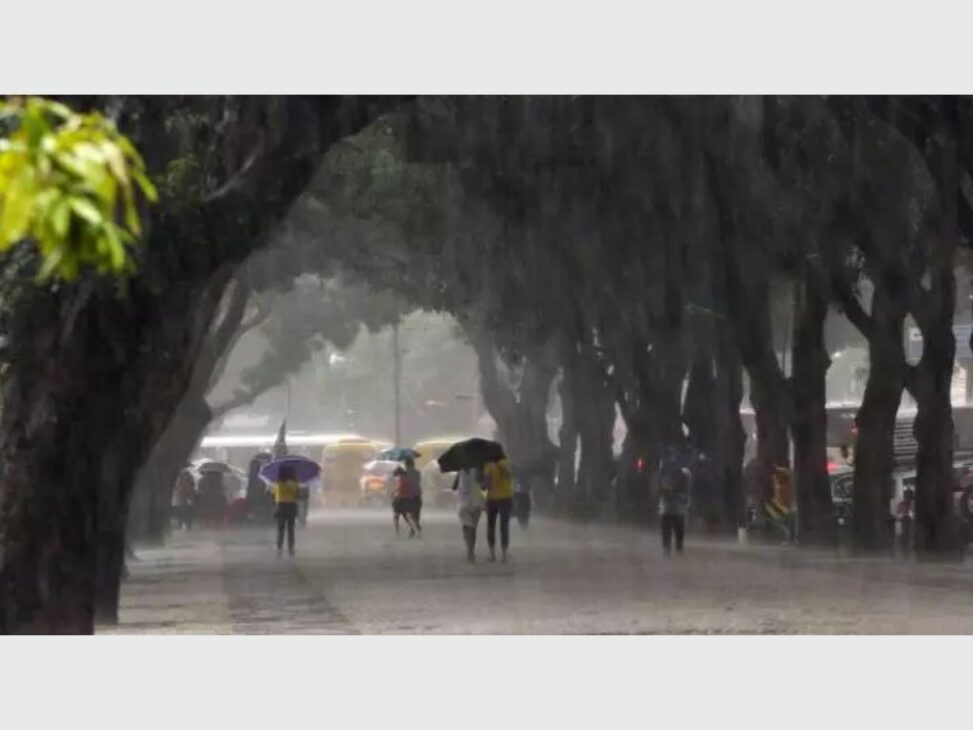
One of the most striking characteristics of Belém is its “rain with a set time.” Almost every day, in the late afternoon, heavy clouds form and pour torrential rain over the city. This pattern is so regular that it has become part of daily life and the cultural identity of Belém.
This phenomenon is not new. Foreign naturalists who visited the region in the 18th century, such as Henry Bates and Alfred Wallace, already recorded in their diaries the predictability of the rain and how the local population adapted their routines to it. This consistency allowed the inhabitants to develop practical knowledge to live with the water.
The Urban Challenges, Flooding, Infrastructure, and the Impact on Daily Life
Despite the predictability, the intensity of the rains imposes severe challenges on Belém’s infrastructure. Flooding is a common occurrence and affects life in various neighborhoods, such as Cremação, Jurunas, and Guamá. The situation is exacerbated by the city’s low altitude and a deficient sanitation and drainage system.
In March 2020, the situation was so critical that the city declared a state of emergency. The combination of heavy rains with high tides causes traffic congestion, damage to property, and health risks to the population, who suffer from a lack of basic sanitation in many areas.
Resilience and Culture: How the People of Belém Adapted to Live with Water
Over the centuries, the population of Belém has developed a remarkable capacity for adaptation. The rain has become a cultural symbol, influencing everything from music to fashion, with the umbrella being an essential item for both water and sun.
Vernacular architecture also reflects this resilience. In riverside areas, stilts are a historical solution for dealing with rising waters. The residents plan their activities around the “rain hour”, seeking shelter or adjusting their schedules, demonstrating a collective adaptation to the rhythm of nature.
The Opportunities and Challenges with the Arrival of COP-30
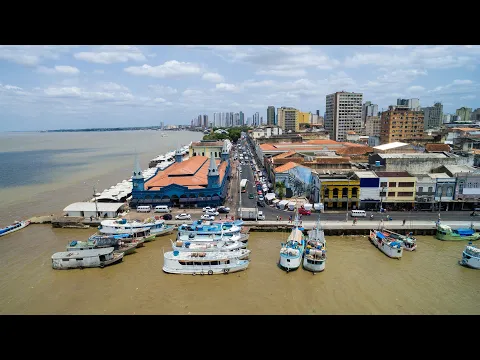

The COP-30 being held in Belém in November 2025 brings both opportunities and challenges for the city. There is great potential for rainwater harvesting, especially in insular areas that, paradoxically, suffer from a lack of drinking water.
However, there are criticisms about how investments for the event are being allocated. Infrastructure projects have been accused of prioritizing real estate speculation over resolving chronic sanitation and drainage issues in the outskirts. The significant challenge for the capital where it rains the most in Brazil will be transforming this global opportunity into a legacy of sustainable and inclusive development for all its inhabitants.







-

-

2 people reacted to this.