Portuguese
  Spanish


In Giving Up Its Nuclear Arsenal in 1994, Ukraine Relied on International Promises That Did Not Prevent the Russian Invasion — Now, the Country Is Pressing for Real Protection via NATO
In 1994, Ukraine gave up one of the largest nuclear arsenals in the world. By signing the Budapest Memorandum, it handed over about 1,900 warheads to Russia. In exchange, it received guarantees that its sovereignty and territorial integrity would be respected. The United States, the United Kingdom, and Russia itself promised not to violate Ukrainian territory.
The decision was historic. After the fall of the Soviet Union, Ukraine, Belarus, and Kazakhstan inherited nuclear weapons. For the world, the disarmament of these countries was a victory for global security. For Kyiv, it was an act of trust in the Western powers. But the following years put that trust in doubt.
Crimea and War Shake Confidence
The promises made in the Memorandum did not prevent attacks. In 2014, Russia annexed Crimea. In 2022, it launched a large-scale invasion against Ukraine. The agreement, which seemed like a diplomatic milestone, began to be seen as merely symbolic.
-
European Parliament Approves Digital Euro, Aiming to Challenge Visa and Mastercard’s Dominance and Transform Payments Across Europe by 2029

-
Israel finds Hezbollah militarized tunnel over 200 meters long under village, with 4 missile launch shafts, 12 chambers, anti-tank missiles, drones, and weapons depots at a depth of 25 meters.

-
Ukraine launches largest drone attack on Moscow since 2022, Russia claims to have intercepted nearly 200 aircraft near the capital, Kapotnya refinery targeted again, and offensive reignites alert about war reaching the Russian energy heart just a few kilometers from the Kremlin.

-
Truck drivers, freight, and fines from 2022 take center stage in politics: Chamber approves MP with amnesty, mandatory tracking by CIOT, million-dollar penalties, and new minimum wage for those who spend more than 24 hours on the road.

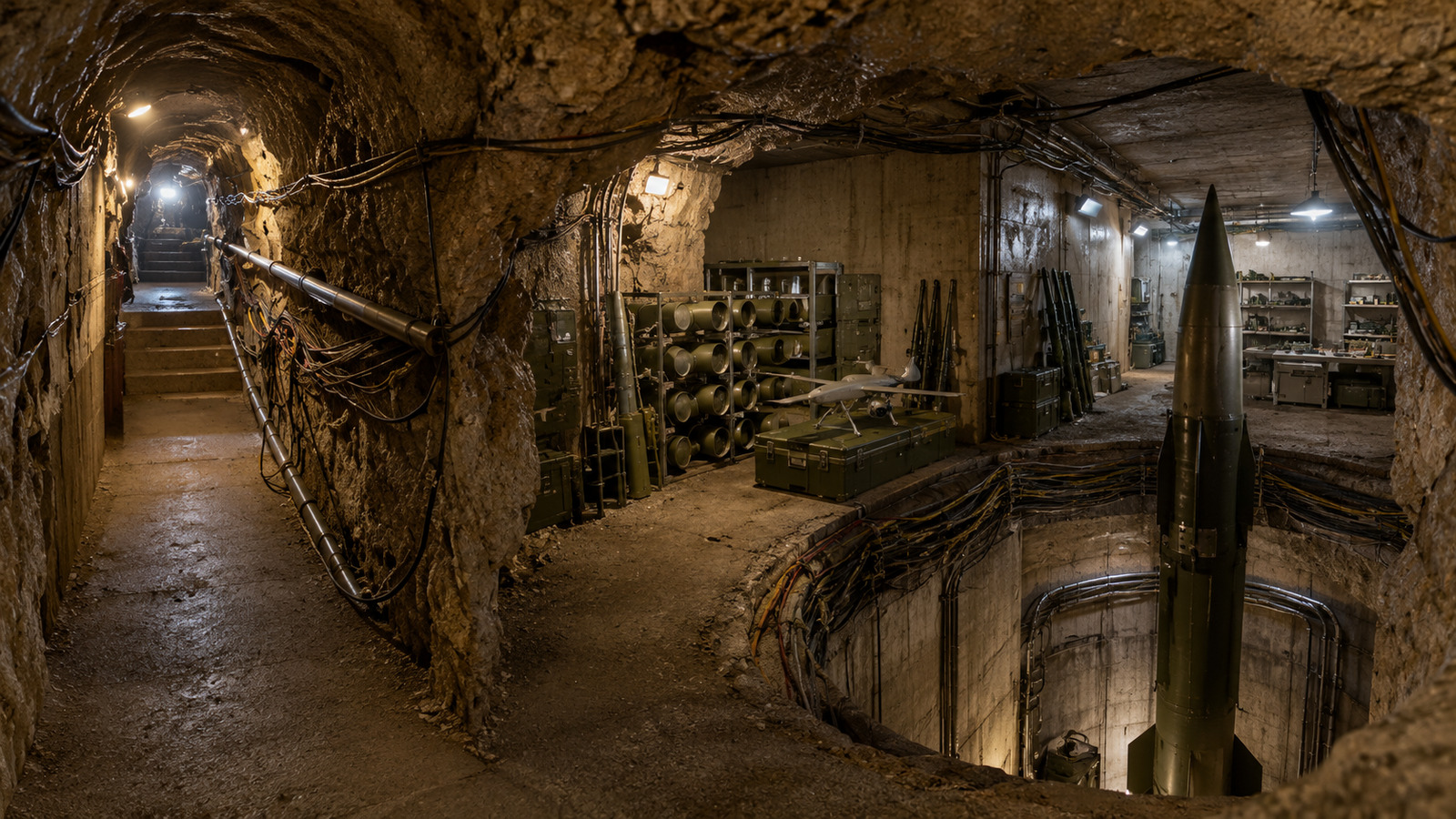


Analysts claim that Ukraine acted under strong international pressure. Moreover, maintaining and operating the warheads was costly and dependent on Russia. Nevertheless, the episode served as a warning to the world. In Kyiv, the lesson was clear: without legal guarantees, political agreements can fail.
Zelensky Presses for NATO Membership
In light of the current scenario, Ukrainian President Volodymyr Zelensky advocates for Ukraine’s entry into NATO. According to him, the country needs formal protection, guaranteed by treaties with legal obligations. The goal is to prevent past mistakes from being repeated.
Despite international support for Ukraine, the proposal has not yet been accepted. Within NATO, the topic has been debated for years, but has never progressed. The fear is great. Many countries worry that membership could lead to direct confrontation with Russia.
Proposal with Restriction on Article 5
To get around this impasse, Zelensky suggested a new format. The idea is for Ukraine to join NATO with a special condition: Article 5, which addresses mutual defense, would not apply to areas occupied by Russia.
Even with this exception, the proposal faces resistance. Some member countries still view membership as a high-risk endeavor. The main concern is that Ukraine’s entry could provoke an even greater escalation of the conflict.
Ukraine Asks for More Weapons and Less Promises
While NATO membership is not yet realized, military support is growing. The new NATO Secretary-General, Mark Rutte, advocates for the continuous supply of weapons to Ukraine. According to him, it is essential to strengthen the battlefield before any negotiations with Russia.
For the alliance, backing down now means opening the door for new Russian advances. The priority is to ensure that Ukraine is in a position of strength.
The war has intensified in recent weeks. And the future of European security remains uncertain. Ukraine continues to fight, amid broken promises and conditional support.
What is at stake goes beyond a regional conflict. According to Zelensky, the credibility of international agreements depends on concrete actions. And for him, words are no longer enough.
With information from Xataka.