






 Portuguese
  Spanish


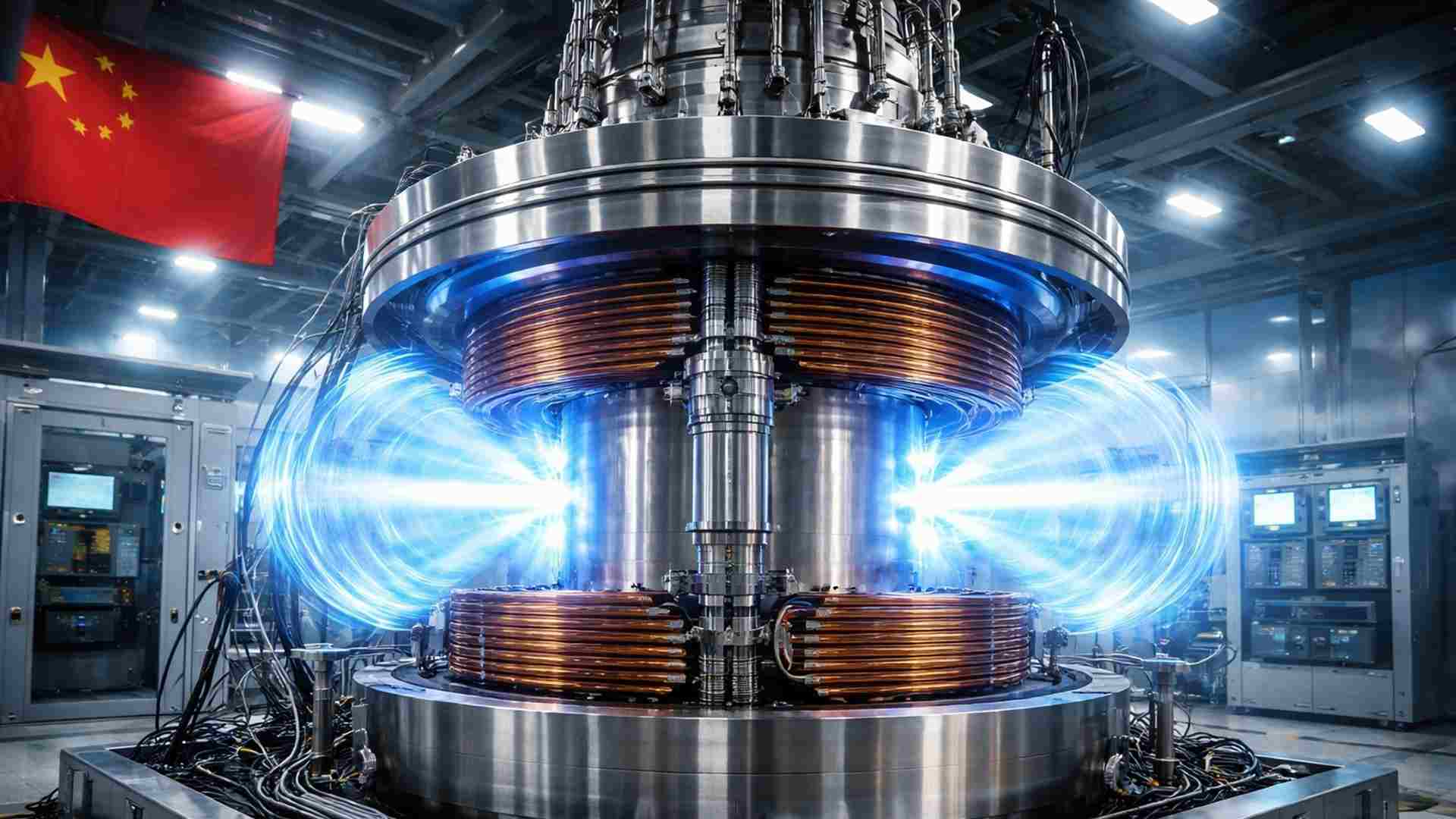


The New Superconducting Magnet of 35.6 Tesla Developed by the Chinese Academy of Sciences, Installed in a Recently Approved National Infrastructure in Beijing, Surpasses Previous Laboratory Records, Expands International Access to Extreme Magnetic Fields, and Consolidates Technical Advancements in High-Temperature Superconductors for Large-Scale Scientific Research
Researchers in China have achieved 35.6 tesla in a laboratory superconducting magnet, in Beijing, a result announced on Tuesday by the Chinese Academy of Sciences, expanding experimental capabilities, international access, and studies under extreme magnetic fields with prolonged stability.
New World Record in Superconducting Magnetic Field
The central magnetic field of 35.6 tesla was obtained in a national experimental facility in Beijing, establishing an unprecedented global milestone for laboratory-use superconducting magnets. This achievement positions China among the leaders in high-temperature superconducting technology.
The experiment took place at the Synergetic Extreme Condition User Facility, a platform designed to host scientists from China and abroad. The result expands access to magnetic fields far beyond those available in conventional laboratories.
-
What is a red flashlight used for, after all? See why it is so commonly used at night.

-
He has never read a line of code, but he already knows how to work: the French company UMA presented in Paris the Northstar, its first AI-powered humanoid robot designed for factories and warehouses, capable of copying tasks just by observing an employee in action.

-
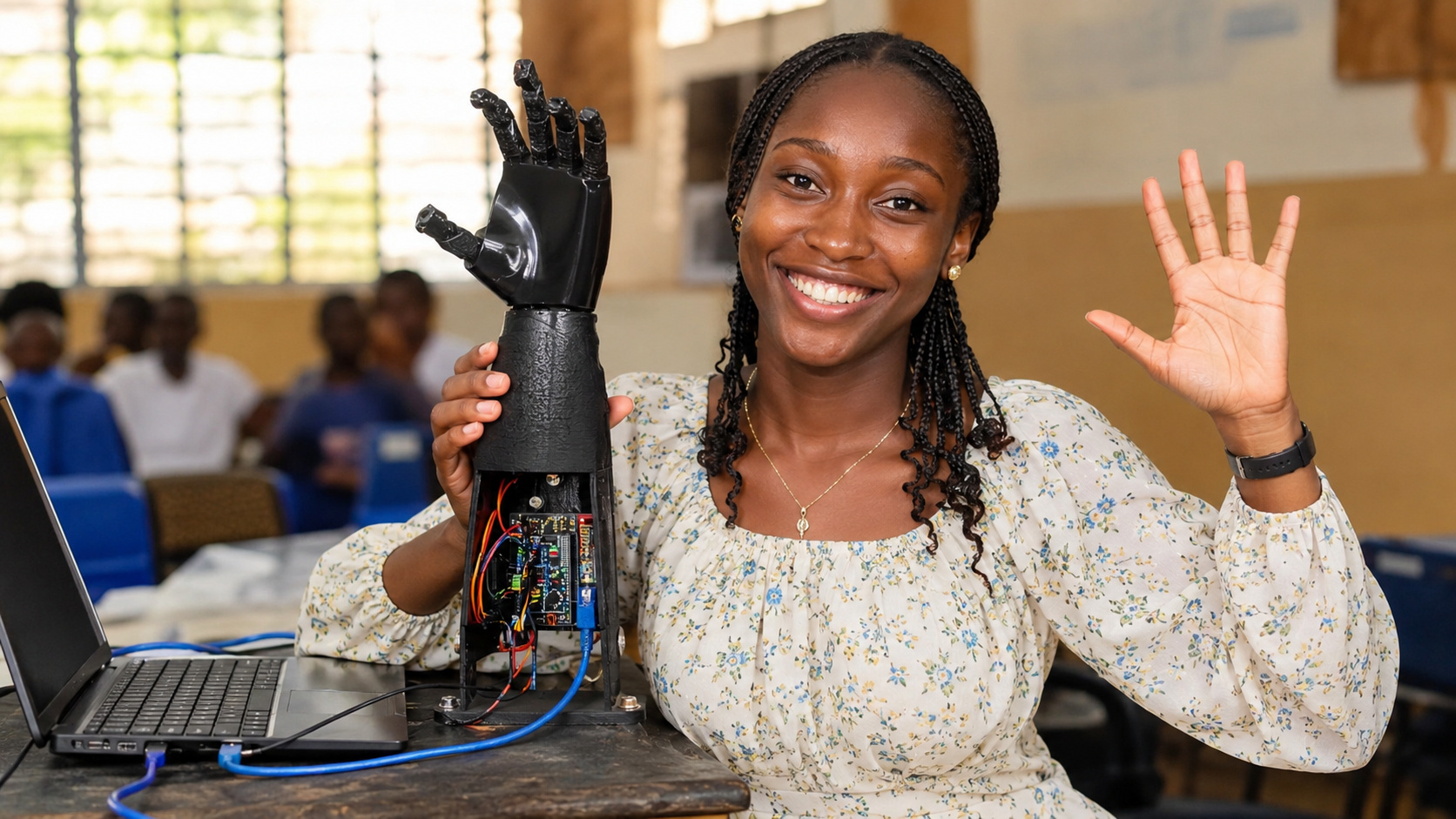
A young Kenyan engineer collects plastic waste from the streets and transforms it into robots that translate physics lessons into sign language in real-time, a machine made with old bottles that teaches what was missing to deaf children left out of science.
-
What is the dark substance found in the sand of Ipanema Beach? Civil Police conduct an examination, collect samples of the material, and initiate an investigation to identify the composition, clarify the origin, and verify if there was an environmental crime.


The intensity achieved is approximately 12 to 24 times greater than that of hospital magnetic resonance imaging devices. Compared to Earth’s natural magnetic field, the value is over 700,000 times higher.
Fully Superconducting System and Open Research
The new magnet is a completely superconducting system, relying on superconducting materials to generate intense fields with minimal energy loss. The useful diameter of 35 millimeters allows for direct experimentation in the field.
Designed as a shared research tool, the equipment is already available for national and international users. The declared goal is to support cutting-edge experiments in materials science, life sciences, and other areas dependent on strong and stable fields.
This level of performance is essential for investigating material behaviors under extreme conditions that cannot be replicated by other means. Open access broadens the scientific use of the system across different disciplines.
Institutional Cooperation and Engineering Advancements
The development resulted from cooperation among agencies linked to the Academy.
The Institute of Electrical Engineering led the project, the manufacturing and integration of the superconducting magnet system.
In parallel, the Institute of Physics focused on the challenges of monitoring system integrity and on accurate measurement of high-temperature superconducting components, ensuring operational reliability.
Previous versions achieved lower levels in 2023. Since then, materials have been improved, the structural design optimized, and manufacturing processes refined, elevating performance without reducing the bore diameter, an essential requirement for users.
These improvements consolidate advanced international capabilities in the application of high-temperature superconductors in large-scale scientific instruments, according to the institutional assessment released.
Operational Stability and Demanding Measurements
Beyond field strength, the value for users lies in stability and reliability. Superconducting systems operate at extremely low temperatures, where electrical resistance drops to zero, allowing for uniform fields over long periods with reduced consumption.
According to Luo Jianlin, a researcher at the Institute of Physics of the Chinese Academy of Sciences, the system can maintain the maximum field stably for over 200 hours and integrate into extreme conditions, such as ultra-low temperatures and high pressures, according to a report from Global Times.
This stability enables measurements such as nuclear magnetic resonance, specific heat, and magnetostriction, widely meeting the needs of the scientific community, according to the statement. Sustained performance is central to complex and repeatable experiments.
National Infrastructure and Scientific Impact
The magnet is installed in the extreme conditions research complex in the Huairou Science City, on the outskirts of Beijing. The infrastructure was approved by the national government in February 2025.
The complex combines ultra-low temperatures, intense magnetic fields, ultra-high pressure, and ultrafast optical systems in one location. The joint operation broadens the scope of possible research in an integrated environment.
With other platforms at the site, the new magnet will support explorations of the microscopic world of matter and accelerate discoveries related to advanced instruments, medical technologies, energy systems, and transportation.
Strong magnetic fields are important tools for studying materials, including high-temperature superconductors and quantum materials. They also contribute to precise biomolecular analyses and the development of medical technologies, such as targeted magnetic therapy, according to Luo, reinforcing the global impact of the equipment.





Mais a cientista que afirma que os polos magnéticos da terra já si inverteram mais de uma vez agora com esse tão potente assim serve para que nessas situações kķkkkkkjjĵ
Um ****-se para China e seus apoiadores **** **** cegos ….
La gente tá doída