Portuguese
  Spanish


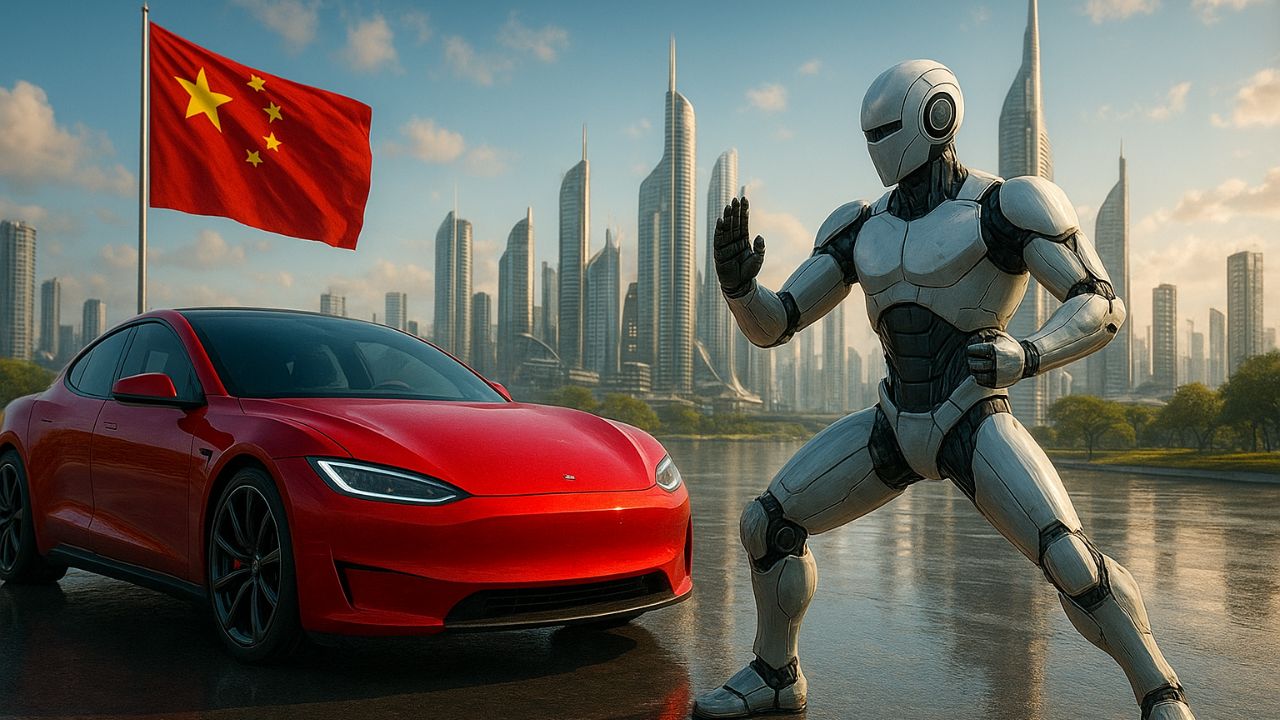

From Smart Cities That Surpass Silicon Valley to Factories That Produce One Car Per Minute, China Redefines Technological Future, According to Joe HaTTab Channel.
The China is no longer just the “factory of the world” focused on low-cost products; it has transformed into a powerhouse of innovation and ideas shaping the future. From Shenzhen, the “Silicon Valley of the East,” to advanced robotics centers in Hangzhou and Shandong, the Asian country demonstrates advancements that directly challenge the technological hegemony of the United States.
A deep investigation by the Joe HaTTab channel reveals how China is quietly “reshuffling the deck” globally. The focus includes swimming electric supercars, hyper-realistic humanoid robots, and cities where drones deliver coffee and payments are made with the palm of the hand, raising the question: is America prepared for this new reality?

BYD: The Tesla Nightmare Born in an Apartment
The biggest threat to Tesla did not come from Europe or the US, but from China. The BYD (Build Your Dreams) is now the largest electric car company in the world, having surpassed the sales of Elon Musk’s giant. The Joe HaTTab channel visited its facilities in Shenzhen and highlighted the $250,000 supercar, which not only demonstrates extreme speed but also features entertainment capabilities like “dancing” and spinning 360 degrees in place.
-
Engineers Develop Fridge-Sized Machine to Produce 95-Octane Synthetic Fuel from Air and Water, Aiming to Sustain Combustion Engines Without Oil

-
Two-Armed Robot Uses AI to Reassemble Destroyed Pompeii Frescoes, Solving an “Impossible” Puzzle
-
New Law in Brazil Requires Breaks for Type 1 Diabetes Management at Work, School, and Public Exams

-
Scientists Confirm “Greening” of Antarctica: Ice on the World’s Coldest Continent Turns Green as Mosses Multiply Over Tenfold in Four Decades


What truly impresses is the emergency engineering. The source reveals that one of BYD’s models can literally swim. In tests, the vehicle floats and moves in the water, able to navigate floodwaters for up to 30 minutes without water entering the cabin, an unimaginable functionality for most current vehicles, although the company warns that it does not work in saltwater.
The secret to BYD’s success, according to Joe HaTTab’s findings, is its origin and vertical integration. The company started in 1995 as a battery manufacturer in a small apartment. Today, it produces everything in-house, including its own trains (like the SkyShuttle used in São Paulo, Brazil) and the revolutionary “Blade Battery”. This lithium iron phosphate battery is at the heart of its competitive advantage and allows for ultra-fast charging: 400 kilometers of range in just five minutes.
BYD’s numbers are astronomical. The company has more than 1 million employees and 100,000 engineers, with a “patent wall” displayed in its museum. The factory visited produces one electric car per minute, totaling 1,400 vehicles per day, exported to key markets like Brazil and Thailand. It is a climb that few predicted when the media and even Elon Musk mocked its early attempts to enter the automotive sector.
Shenzhen: The City of the Future Where Payments Are Made with the Palm of the Hand
The revolution of China is most visible in Shenzhen. The city, which decades ago was a fishing village, is now the epicenter of artificial intelligence in the country. The Joe HaTTab channel highlights a stark cultural and security contrast compared to cities like San Francisco: clean streets, absence of homeless people and crime, and ubiquitous technological infrastructure.
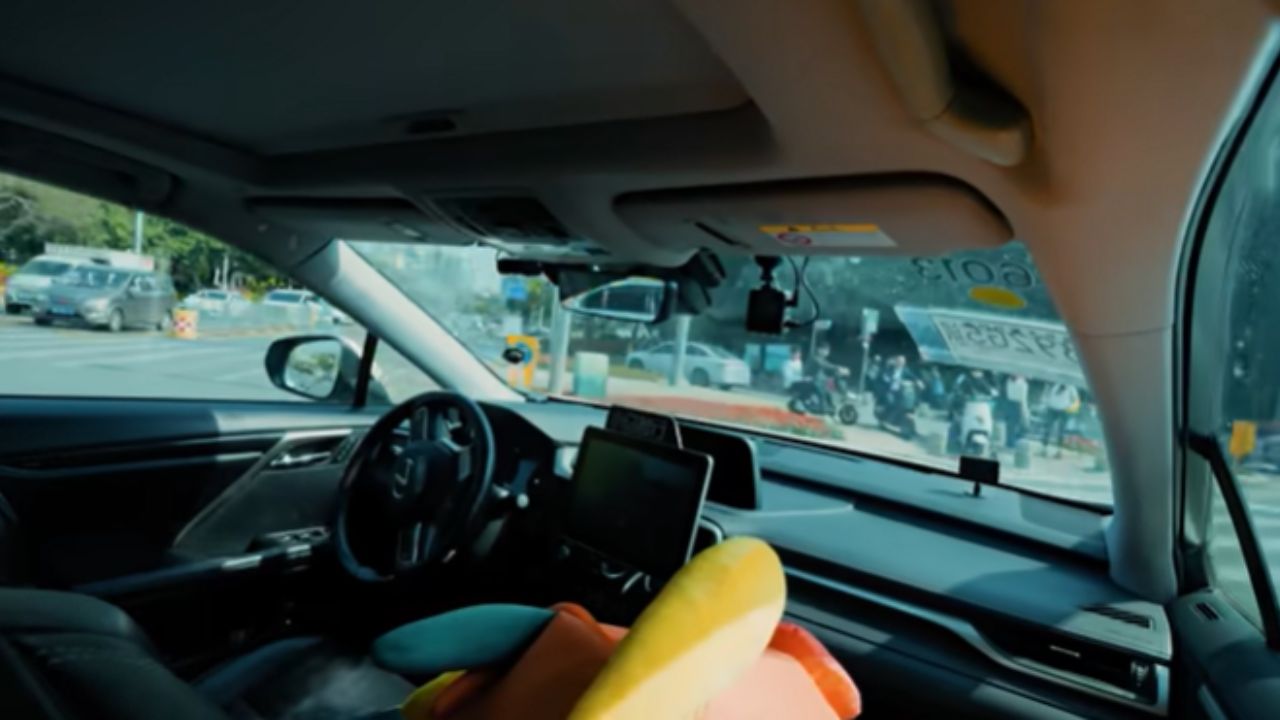
In practice, this translates to convenience. It is possible to order a coffee through the WeChat app and receive it minutes later via drone. Driverless cars (only a test dummy inside) circulate the streets like taxis. Additionally, biometric payment systems via WeChat Pay allow citizens to pay for products using just the palm of their hand in convenience stores, eliminating the need for cards or phones.
The Army of Humanoid Robots in China


In Hangzhou, Unitree Robotics competes directly with American Boston Dynamics. Joe HaTTab’s video showcases the G1, an advanced humanoid robot sold for $16,000. Standing 1.27m tall and weighing 35kg, the robot demonstrates impressive flexibility, capable of executing Kung Fu movements, dancing, and even doing handstands. Although its battery lasts only two hours, it is already being purchased by tech companies and influencers.
The most frightening frontier of robotics in China, however, is in Shandong, at the EX-Robot factory. The site, rarely open to foreigners, is building what Joe HaTTab describes as a “army” of hyper-realistic robots. The company claims to have achieved 98% human likeness, with detailed silicone skin and complex facial movements.
The founder of EX-Robot explained that the future will see robots building other robots, in a cycle that “never stops.” The application of these humanoids, according to the company, will be in sectors like education, tourism, and primarily health, where they could assist the elderly and even participate in medical operations. The vision is for them to become an integral part of society.
The China advances quietly while other global powers focus on conflicts, as pointed out by Joe HaTTab. The speed of its technological transformation, from mass production of EVs to humanoid robotics, raises serious questions about future global leadership.
Do you agree with this change? Do you think it impacts the market? Leave your opinion in the comments, we want to hear from those who live this in practice.