Portuguese
  Spanish


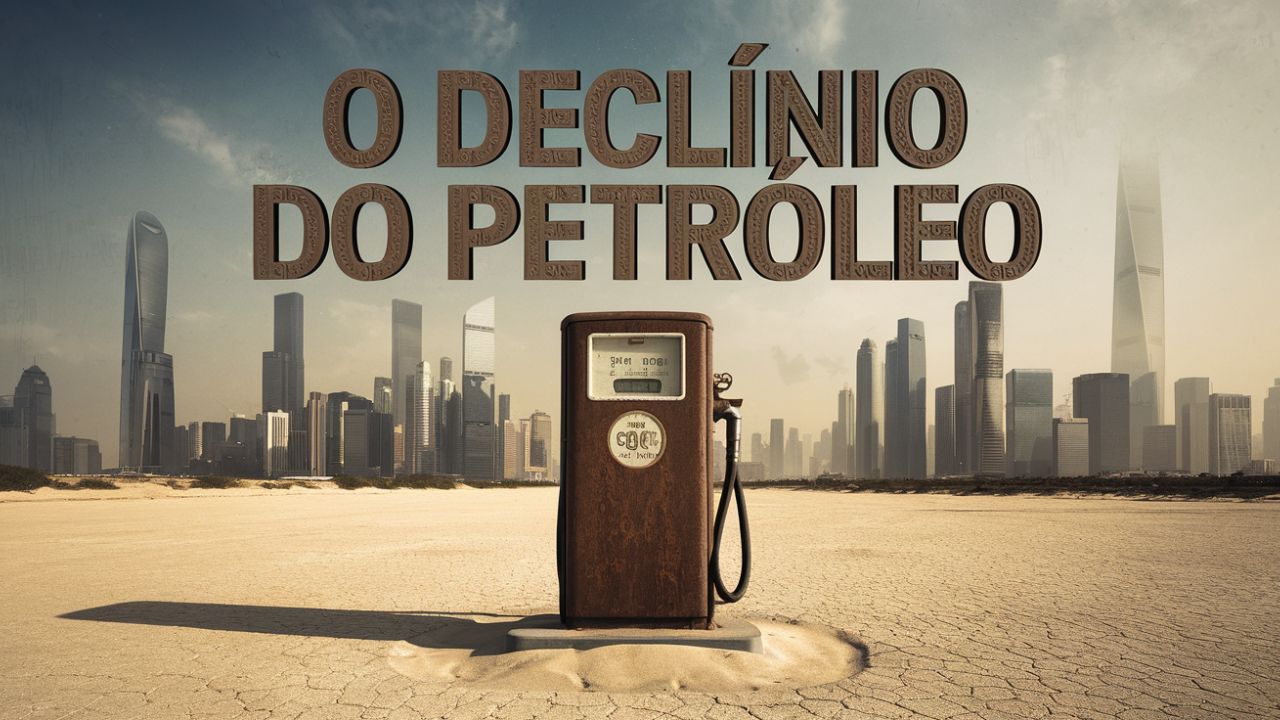

With China’s Oil Demand Nearing Its Peak, Advancements Like Electric Vehicles and Alternative Fuels Are Changing the Global Game, Leaving the Future of the Market in the Hands of New Players Like India.
For a long time, China has been the locomotive of the global oil market. Since the early 21st century, its rapidly growing economy has driven demand to surprising levels, culminating in the landmark year of 2004 when the need grew by more than 3 million barrels per day. But now, the landscape has changed drastically. Are we witnessing a turning point for the global oil market?
China’s Historical Role in Oil Demand
The early 2000s were a golden period for the oil market. China, with its explosive industrial growth, was demanding more and more energy. The peak of 2004 remains etched in the market’s memory: fears of scarcity and soaring prices. For years, this country represented the main engine of global demand growth.
But, as they say, nothing lasts forever. The Chinese pace began to slow, and with it, the global market started to adjust.
-
Giant 142 kg Emerald from Brazil’s Bahia Region Auctioned with Starting Bid of Nearly $16 Million

-
Study Reveals 97% of Pregnant Munduruku Women in the Brazilian Amazon Have Mercury Levels Above Safe Limits, 90% of Newborns Contaminated by Gold Mining
-
China could reduce iron ore imports from 80% to 50% of consumption by 2030, while its share in global steel production falls from 52% to 46%, in a shift that could reshape the global market, says CMRG.
-
Brazil is sitting on one of the largest lithium reserves in the world, in the Jequitinhonha Valley, but national mining has almost become an appendage of China: 97% of the metal’s export goes to a single country, which also dominates refining.


What Has Changed in the Current Scenario?

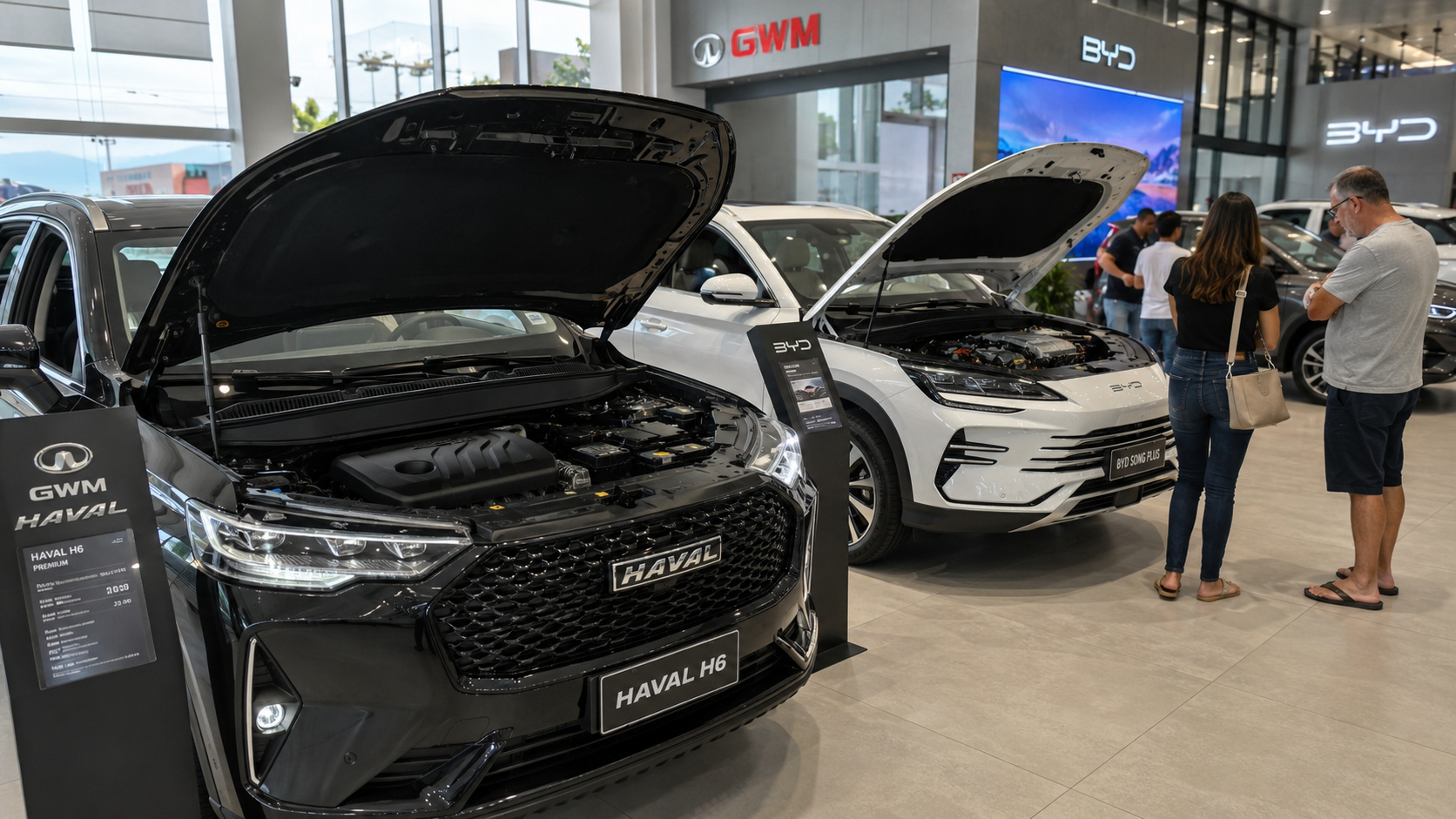
Today, China stands at a crossroads. Sales of electric vehicles are on the rise, and the use of alternative fuels like natural gas for heavy trucks is replacing diesel. Studies from state giants like CNPC and Sinopec suggest that the peak demand for fuels such as gasoline and diesel has already been reached or is very close.
This transition reflects both technological advancements and government policies aimed at mitigating climate change. At the same time, industrial demand continues to grow in the short term, but a gradual decline in total oil consumption can already be anticipated.
Forecasts for the Future of the Oil Market
With China reducing its importance as a consumer, other players are taking the lead. India, for example, is emerging as the new demand giant. However, protectionist policies and the pace of adoption of electric vehicles in this country will shape its contribution to the global market.
Meanwhile, forecasts from major organizations like the IEA and OPEC diverge drastically. The IEA sees a global peak in oil demand as early as 2030, while OPEC bets on continuous growth for decades. Who is right?
The Challenge of Conflicting Forecasts
The truth is that predicting the future of the oil market is an imperfect science, influenced by economic, political, and social variables. Climate change and global efforts for decarbonization add even more complexity to the scenario.
For instance, while countries like the U.S. adjust their domestic policies according to government changes, others, like India, adopt more protectionist stances. The main question is: is the world ready for the energy transition?
What to Expect from the Future of Oil?
Even with China’s slowdown, sectors like aviation and petrochemicals still have room to grow, especially in emerging markets. These sectors may delay the peak of global demand by a few years.
But one thing is certain: the oil market is transforming. Countries that planned to profit from one last wave of scarcity and high prices, like Russia and Saudi Arabia, may have to rethink their strategies.
The world is searching for alternatives, and oil, once the king of energy, is losing ground to a new era of innovation and sustainability. After all, are we ready to live without it?