Portuguese
  Spanish


Fortaleza, in Ceará, Concentrates 90% of International Data Traffic Entering Brazil Through Submarine Cables, Becoming One of the Largest Digital Hubs in the World.
Little known for its strategic importance to the global data infrastructure, Fortaleza, in Ceará, plays a crucial role in Brazil’s connectivity with the rest of the world.
Located in the northeast of the country, the capital of Ceará hosts 16 submarine fiber optic cables connecting Brazilian territory to various continents, including North America, Europe, Africa, and the Caribbean.
The concentration of these cables occurs mostly at Praia do Futuro, one of the city’s main tourist spots in the city.
-
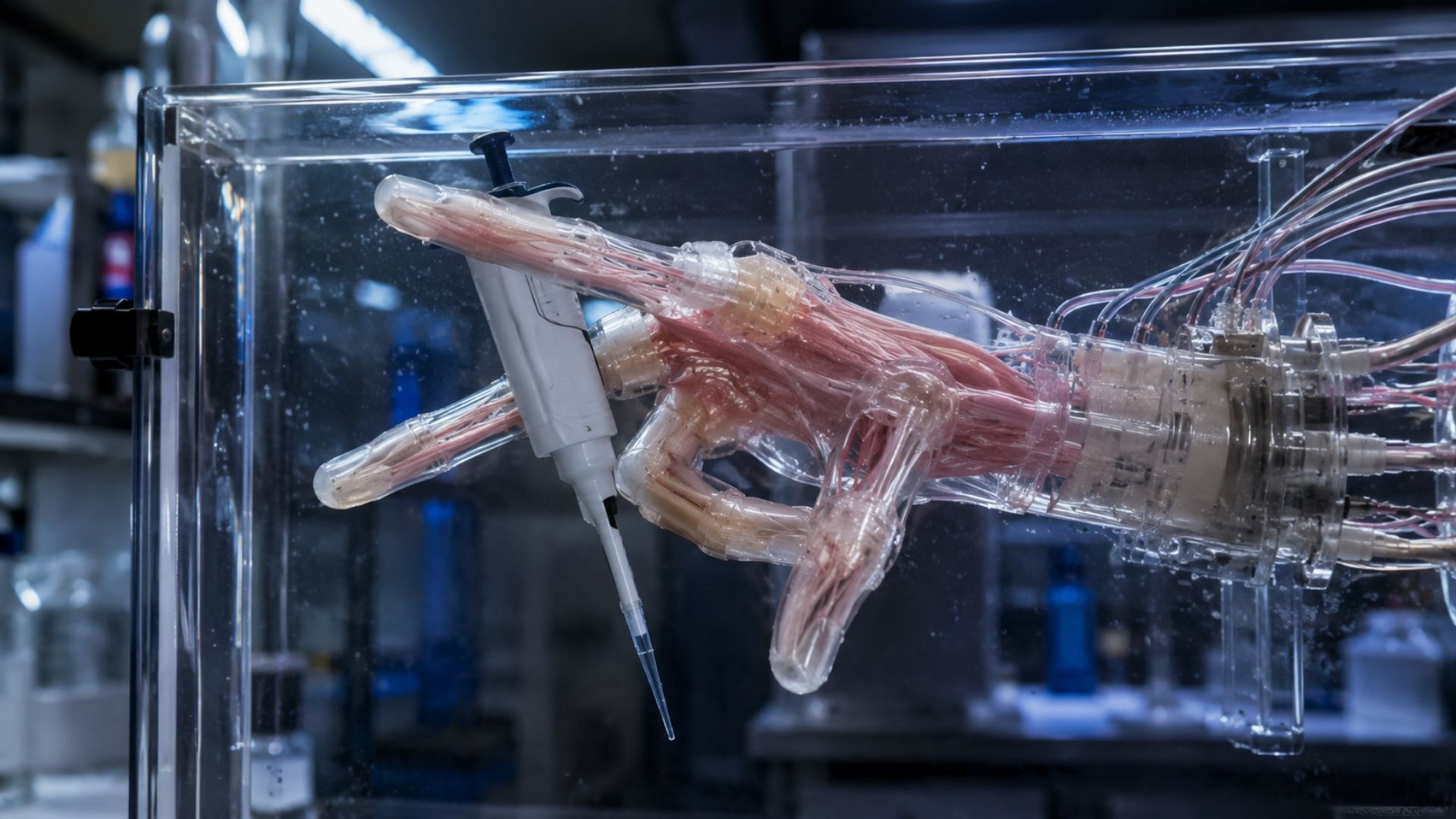
Tokyo Scientists Create First 18cm Biohybrid Hand Using Human Muscle, Capable of Scissor Gesture and Holding a Pipette

-
Brazil Faces Norway in World Cup at Stadium Linked to Jimmy Hoffa’s Mysterious Disappearance

-
Retired Woman Leaves French Public Housing Due to Fear, Lives in Van for Weeks, Prompting Response from Local Authorities and a Priest
-
9-Year-Old Fabio Isaac Wins Gold at Copernicus Math Olympiad in Singapore, Representing Peru Against Global Young Talents



This structure makes Fortaleza responsible for about 90% of the international internet traffic entering and leaving Brazil, according to the National Institute of Technology and Coordination Point BR (NIC.br), an entity linked to the Internet Management Committee in Brazil.
Connectivity Hub in Fortaleza
Despite the popularization of mobile networks like 5G and the term “cloud” associated with digital technology, the reality of modern internet is still anchored in robust physical infrastructures.
The backbone of global digital communication lies in the nearly 600 submarine cables crossing oceans, transmitting data at high speeds between data centers — centers for storage and processing of information — distributed around the planet.
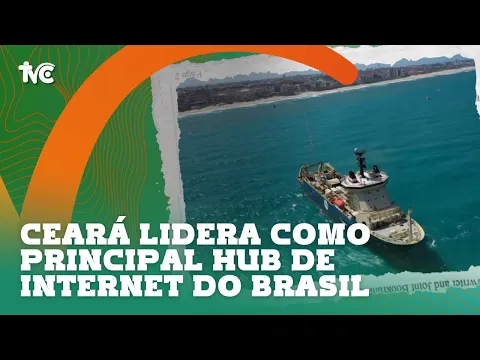

The city of Fortaleza ranks 17th in the world for the number of submarine connections and leads in Latin America, according to data from the international consultancy TeleGeography.
In first place globally is Singapore, with 28 cables.
The reason for such concentration in Fortaleza is primarily geographical.
According to experts, the city is strategically positioned as one of Brazil’s closest points to Europe, the United States, and Africa simultaneously.
In addition, the stable ocean floor at Praia do Futuro, with low sediment movement and a reduced presence of housing, favored the installation of the cables.
Why Praia do Futuro Is Strategic
Professor Rodrigo Porto from the Federal University of Ceará (UFC) emphasizes that the availability of land in the region and the lower real estate speculation due to the high salinity of the air also facilitated the implementation of this infrastructure.
Another decisive factor was the advancement of Ceará as a producer of renewable energy, especially solar and wind, which attracts investments in digital infrastructure.
These cables function as true “submarine highways” through which digital data travels — from videos on streaming platforms to files saved in the cloud.
It is estimated that about 97% of global intercontinental traffic occurs through these cables, according to the European Union Agency for Cybersecurity (Enisa) and the National Telecommunications Agency (Anatel).
Data Centers and Digital Security
The strategic importance of these facilities goes beyond simple connectivity.
They connect data centers that operate as the “brains” of the internet.
Companies like Google, Meta, Amazon, and Netflix store their content in these facilities, which have high levels of security, including biometric control, constant climate control, and enhanced monitoring.
Currently, six high-certification data centers operate in Fortaleza, according to the Ceará Information Technology Company (Etice).
One of the largest is operated by Angola Cables and occupies 3,000 square meters, less than a kilometer from Praia do Futuro.
Access is strictly controlled, and all environments are monitored at all times.
In addition to existing structures, another three data centers are under construction in the capital of Ceará, with investments projected at R$ 2.1 billion.
There is also a billion-dollar project: a new data center in the Pecém port area, near Fortaleza, with an estimated investment of R$ 50 billion.
This initiative, led by the company Casa dos Ventos, has attracted the interest of tech giants such as ByteDance, the parent company of TikTok.
How Internet Data Reaches the User
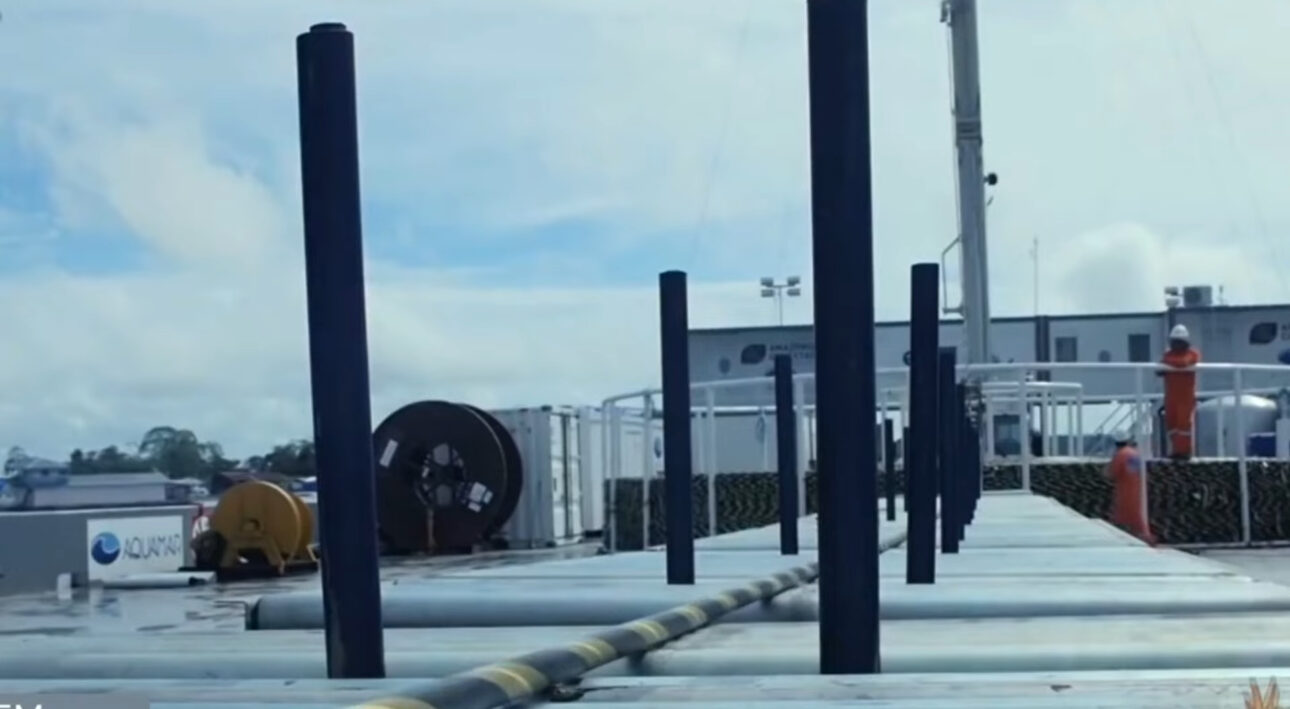
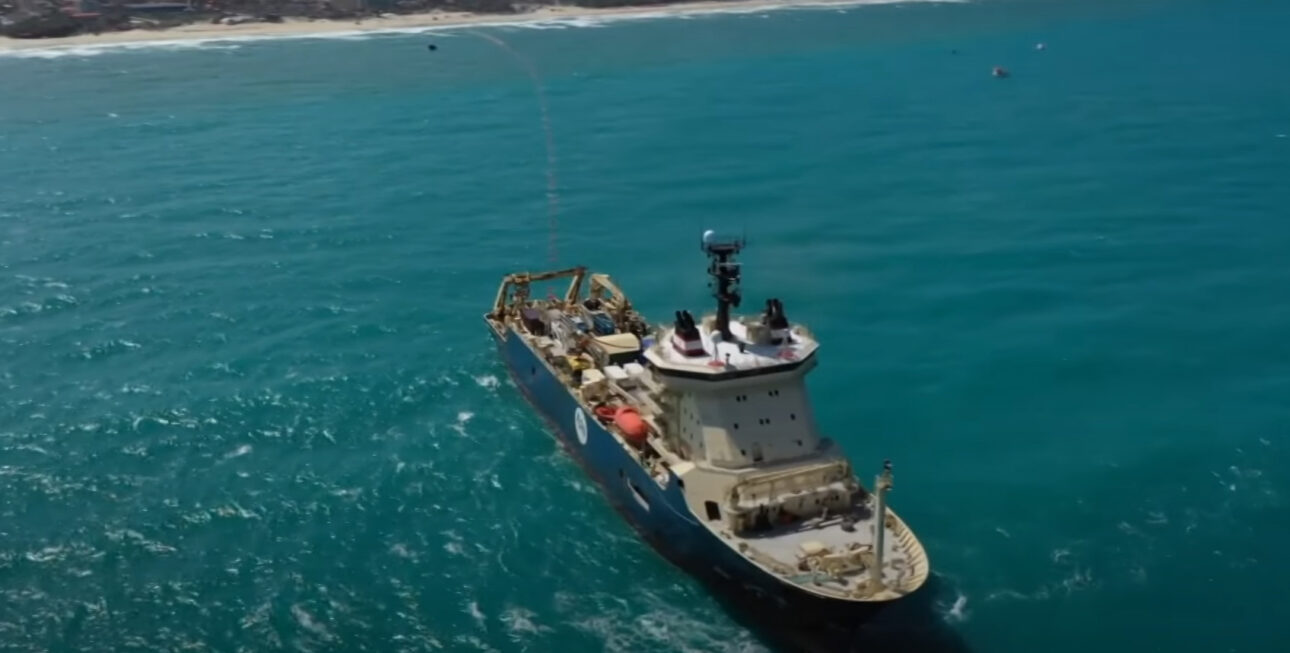
The arrival of international data in Brazil occurs through these cables, which, after crossing thousands of kilometers at the bottom of the ocean, are buried in the sand strip until reaching the buildings of the data centers.
From there, data connects to the terrestrial network of fiber optic cables, leading to local networks — such as home wi-fi or 4G and 5G networks for mobile phones.
This process happens in fractions of a second, even when the content is hosted outside the country.
For example, when clicking on a movie on Netflix, the system identifies the nearest data center with that file and sends it via fiber optic to your home.
If the movie is not stored in Brazil, it is brought from another continent through submarine cables.
Even though it may seem ethereal, the concept of “cloud” is rooted in physical structures.
“Everything has a physical medium; there is equipment involved,” explains Professor Rodrigo Porto.
The so-called cloud computing is, in practice, an interconnected network of servers linked by cables that enable remote storage and access to data.
Risks and Impacts of Cable Failures
The average lifespan of a submarine cable is 25 years, but they are subject to technical failures or sabotage.
In shallower areas, divers can make repairs, but in deep areas, the repair requires more complex operations, using robots or retrieving the cable to the surface.
The importance of these cables in international geopolitics has been increasing.
Since 2022, at least 11 cables have been damaged in the Baltic Sea, in incidents associated with military actions in the war between Russia and Ukraine.
In Brazil, a failure in the cables at Praia do Futuro could delay updates in content on platforms like Netflix or hinder access to servers abroad.
However, according to NIC.br, 70% to 80% of internet traffic in the country is already national, which reduces the impact in such cases.
The majority of social media, videos, and cloud services continue to operate through the Brazilian infrastructure known as IX.br.
With all these factors, Fortaleza consolidates itself not only as a tourist destination but also as one of the most relevant connectivity centers in Latin America.
Did you imagine that a beach in northeastern Brazil could be one of the main entry points for the global internet?