






 Portuguese
  Spanish
  4 min of reading
  4 comments


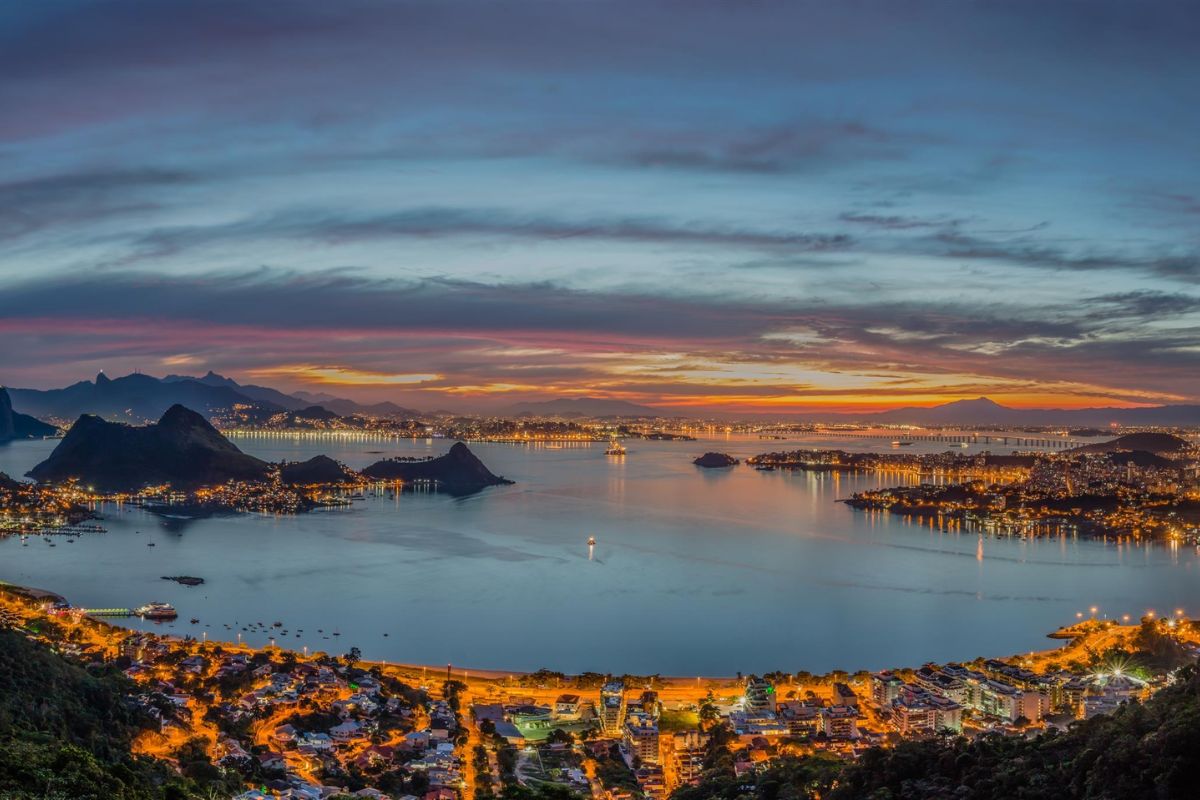


In Addition to Salvador, Rio de Janeiro, and Brasília, Several Other Locations, Including More Than One Brazilian City, Have Held the Title of National Capital, Even If Only for Brief and Symbolic Periods. Discover These Surprising Stories.
The political history of Brazil is usually told through its three most well-known capitals: Salvador, Rio de Janeiro, and Brasília. However, beyond this triad, there are fascinating and less-remembered chapters from other locations, including more than one Brazilian city, that assumed the status of center of national power, even if for just a single day or under extraordinary circumstances.
These episodes reveal a surprising facet of Brazilian political dynamics and the symbolic weight inherent in the designation of “capital”. Let’s uncover some of these stories and get to know the Brazilian city (or cities) that have been, even if fleetingly, the heart of the nation, showing that the concept of capital in Brazil has not always been tied to a fixed geographic location.
Capitals for a Day: The Symbolic Power of a Brazilian City in Transit and the Reasons Behind the Transfers
History records moments when the capital of the Republic symbolically shifted. Itu (SP) was the “Capital of the Republic” for 24 hours on November 15, 2017, during Temer’s government, to celebrate the Proclamation of the Republic and honor the Convention of Itu of 1873, a landmark of republicanism. On February 25, 1989, the small Mombaça, in Ceará’s sertão, was symbolically the capital of Brazil for a day during José Sarney’s presidency.
-
Brazilian military personnel spend weeks in extreme training in the Amazon and receive a badge reserved for Jungle Warriors during the celebration of the 60th anniversary of one of the most demanding and respected courses in the world.

-
After the divorce, a woman spent four years building a studio apartment with skylights, mirrors, a bathtub hidden under the sofa, and family mementos for a fresh start.

-
The “Rei do Bolão” of Fortaleza made 100 people millionaires at once in the Mega-Sena: the lottery office in Aldeota divided R$ 168 million in a pool and delivers a bet from São Paulo to Dubai.
-
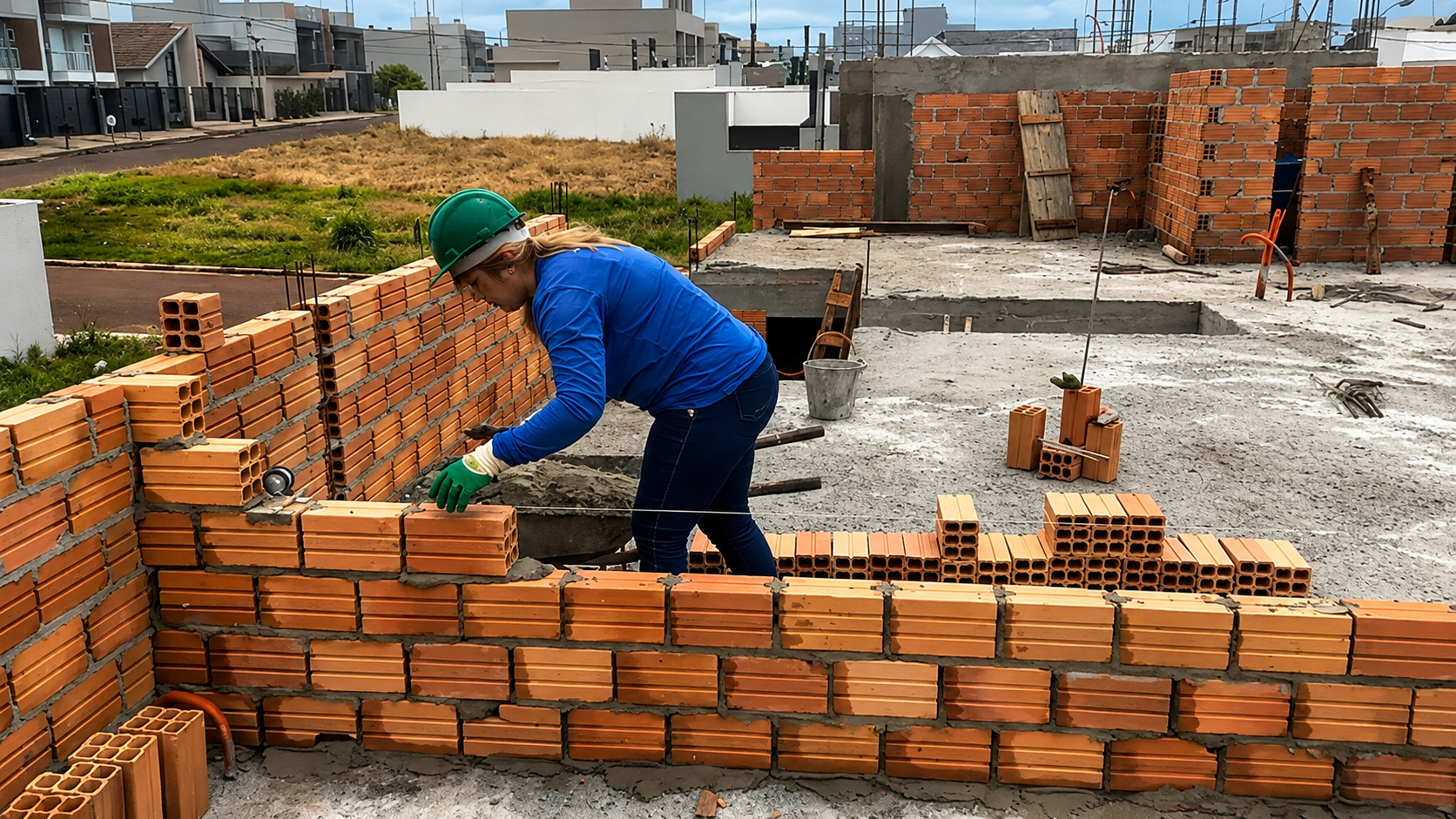
After swapping sewing for cement, a woman from Paraná became a mason, spent 12 years on construction sites, started building her own house, and even gained fame for restoring old Opalas.



Curitiba (PR) held the position of federal capital for three days, from March 24 to 27, 1969, under the government of Costa e Silva, during a period of military regime. More recently, a proposed law suggested that Belém (PA) be a symbolic capital during COP 30 in November 2025, aiming to reinforce Brazil’s climate leadership. Each Brazilian city chosen had a particular reason.
When a Brazilian City (or Almost) Became Capital during Times of Crisis and Colonial Expansion

In even more unusual circumstances, the status of capital was shaped by crises or expansion. Between 1809 and 1817, Cayenne, the capital of French Guiana, was occupied and administered by Luso-Brazilian forces, in the name of D. João VI (whose court was in Rio de Janeiro), as retaliation for Napoleon’s invasion of Portugal.
During the Dutch invasion of Salvador in the 17th century (1624-1625), Olinda (PE), then a prosperous village, became the seat of government of the State of Brazil under Matias de Albuquerque. It served as an emergency capital and center of Portuguese resistance, showing how a Brazilian city could assume such a role in times of war.
Other Brazilian Cities with Unique Destinies as Regional Capitals
Similar dynamics occurred at the state level. Niterói (RJ) was the capital of the state of Rio de Janeiro for a long period, losing the position in 1975 to the city of Rio de Janeiro after the fusion of the states. During the Federalist Revolution (1894), Castro (PR) served as the provisional capital of Paraná.
In Santa Catarina, Laguna was the capital of the ephemeral Juliana Republic in 1839, during the War of the Ragamuffins. And in the early 20th century, the territory of Acre had multiple departmental administrative headquarters, such as Porto Acre and Sena Madureira, functioning as regional “capitals” before the consolidation of Rio Branco.
The Fluidity of the Concept of “Capital” in the Complex History of Brazil and What These Transfers Reveal


These episodes demonstrate that the function of a capital in Brazil has not always been reduced to a fixed and unchanging administrative center. The status of capital has proven remarkably fluid, adapting to different contexts and needs.
Whether to honor historical milestones, respond to crises such as invasions, project power into conquered territories, or as a tool for political communication, the designation of “capital” has been a malleable instrument in the construction and management of the vast national territory, involving various locations, including more than one Brazilian city that today does not hold this title.


Olá;
Durante a “Guerra do Paraguai”, quando Solano Lopes invadiu Uruguaiana-rs, a mesma foi capital do império quando Dom Pedro, Duque de Caxias e Cia se deslocaram para a contenção de Solano Lopes e retomada de Uruguaiana.
A cidade de caldas de cipó ( hoje só Cipó, ) foi capital da Bahia
SO´ESQUERAM DE MENCIONAR A CIDADE DE CACHOEIRA NA BAHIA ;QUE ENTRE AS QUE FORAM CITADAS ,CACHOEIRA ONDE ESTA A PONTE DE D.PEDRO II FOI A PRIMEIRA ;E LÁ EU NASCI COM MUITO ORGULHO.
Verdade, Cachoeira -Bs., Primeira Capital do Brasil, que ostenta a imponente Ponte de D.Pedro ll com seus 365 metros de comprimento, também nasci lá e me orgulho de ser Cachoeirano.